The Women Changing Portuguese Kitchens
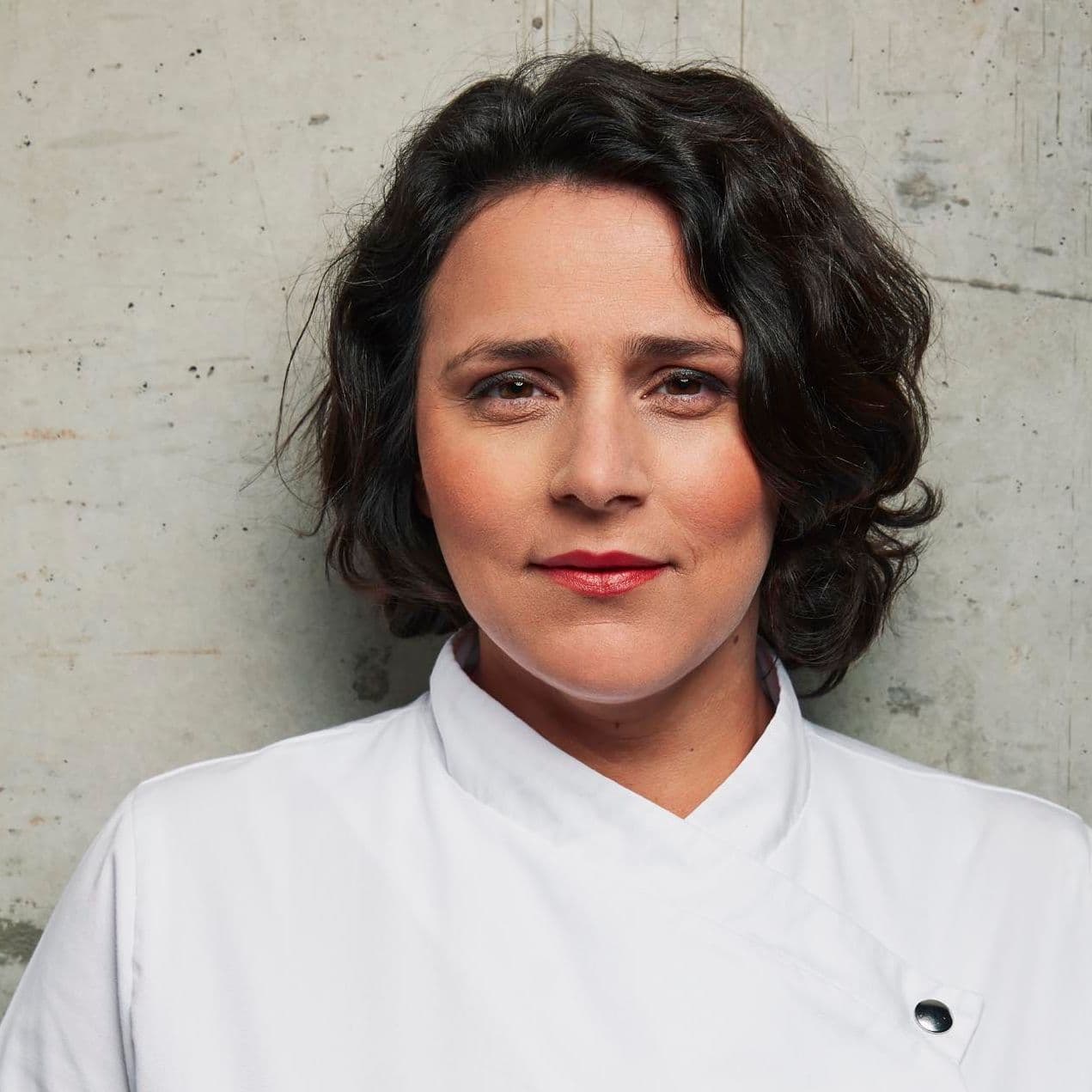
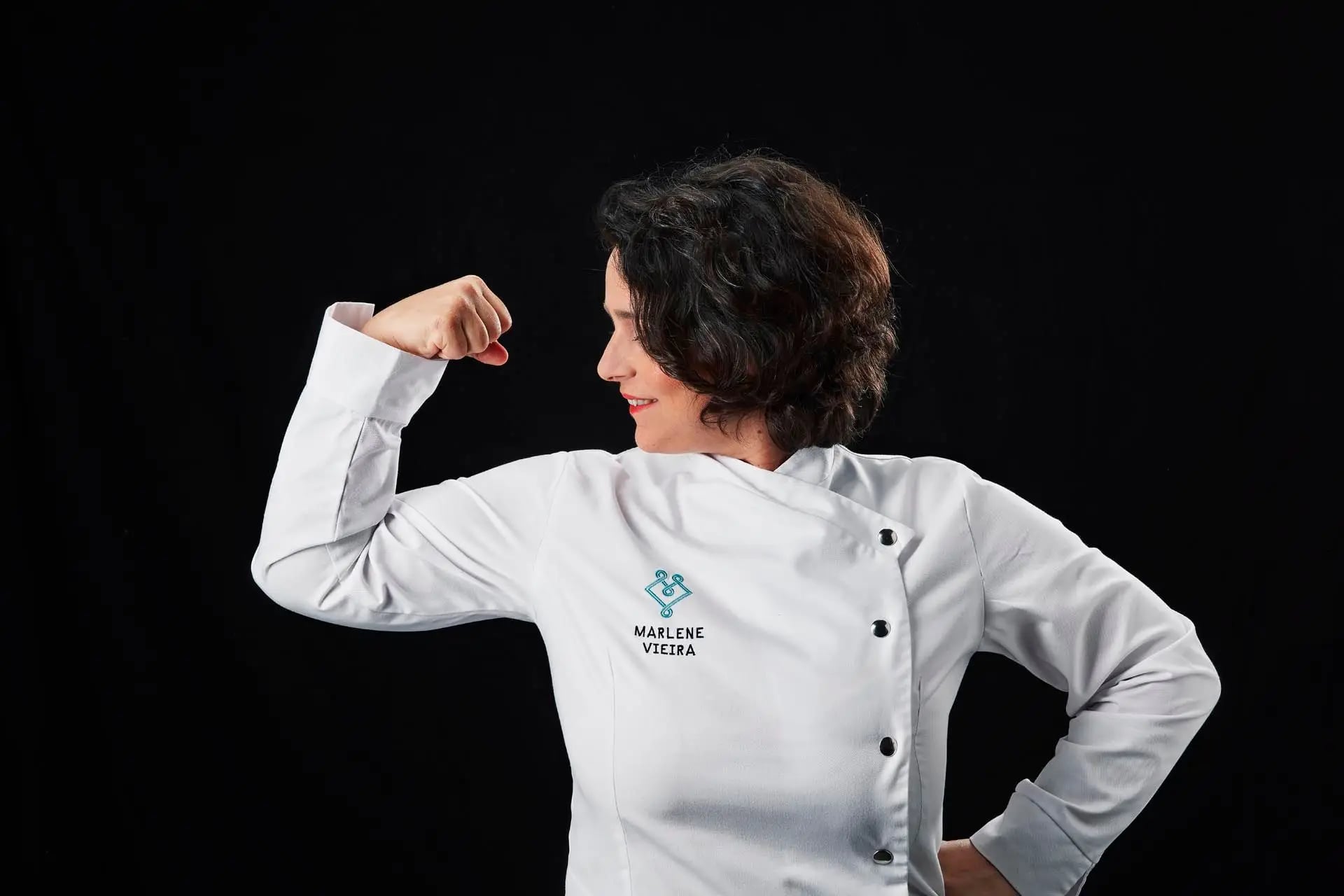
Portuguese gastronomy is experiencing a profound transformation, led by women who are redefining what it means to cook with both innovation and reverence for tradition. This culinary revolution reached a historic milestone in February 2025, when Marlene Vieira and Rita Magro became the first Portuguese female chefs in 30 years to receive Michelin stars, breaking through barriers that have long defined the country's professional kitchen hierarchy.
Marlene Vieira's achievement with her restaurant represents more than individual success—it symbolizes a broader shift in Portuguese gastronomy toward recognizing feminine perspectives in fine dining. Her contemporary Portuguese cuisine, described as having "a feminine and innovative touch," demonstrates how women chefs are bringing new sensibilities to traditional flavors while maintaining deep connections to regional ingredients and techniques rooted in northern Portugal.
Beyond Professional Kitchens
The influence of women in Portuguese cooking extends far beyond professional accolades. Chef Ana Moura exemplifies this broader movement, bringing Alentejo cuisine "with a taste of home, memories and tradition" to her restaurant Lamelas in Porto Covo. Her approach reflects a growing trend among female chefs who are translating the intimate knowledge passed down through generations of Portuguese grandmothers and mothers into contemporary culinary expressions.
This connection to ancestral knowledge represents perhaps the most significant way women are changing Portuguese kitchens. For centuries, Portuguese women have been the keepers of culinary traditions, preserving recipes and techniques that form the backbone of the nation's food culture. Today's female chefs are building bridges between these time-honored practices and modern gastronomy, ensuring that the essence of Portuguese cooking evolves without losing its soul.
The recognition of women like Vieira and Magro in the Michelin Guide Portugal 2025 signals a broader acknowledgment of feminine contributions to Portuguese gastronomy. Their success opens doors for future generations of female chefs while validating the unique perspectives and approaches that women bring to professional kitchens—perspectives often shaped by deep familial connections to food and an intuitive understanding of how cooking nurtures both body and community.