A Food Crawl Through Alfama: Lisbon's Oldest Neighbourhood
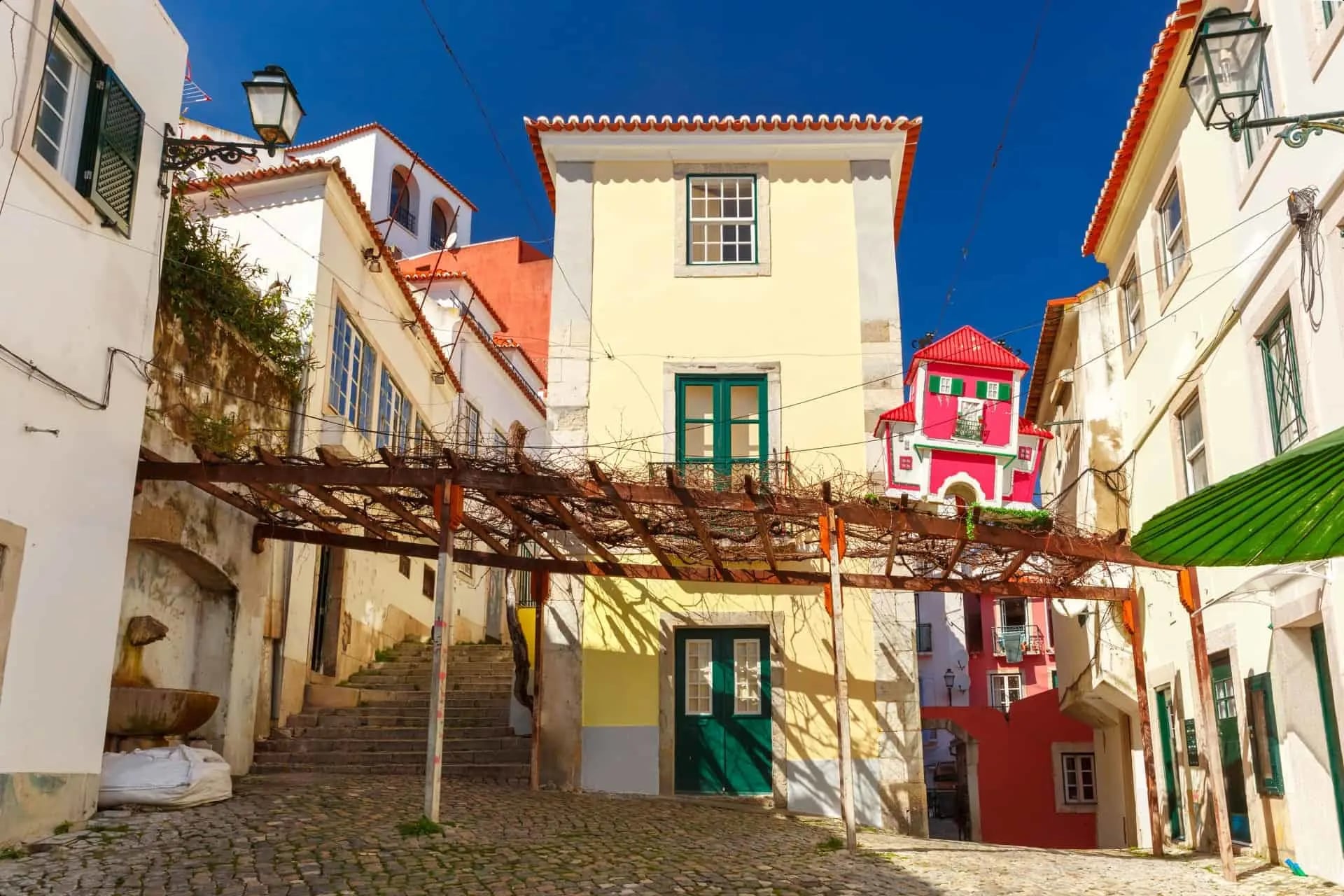
Nestled on the slopes of Lisbon's historic hills, Alfama stands as the city's oldest and most atmospheric neighbourhood, where the essence of Portuguese gastronomy has been preserved through centuries of tradition. This labyrinthine district, with its narrow cobblestone streets and Moorish influences, offers food enthusiasts an authentic journey through Portugal's culinary heritage, far removed from the tourist-oriented establishments found elsewhere in the capital.
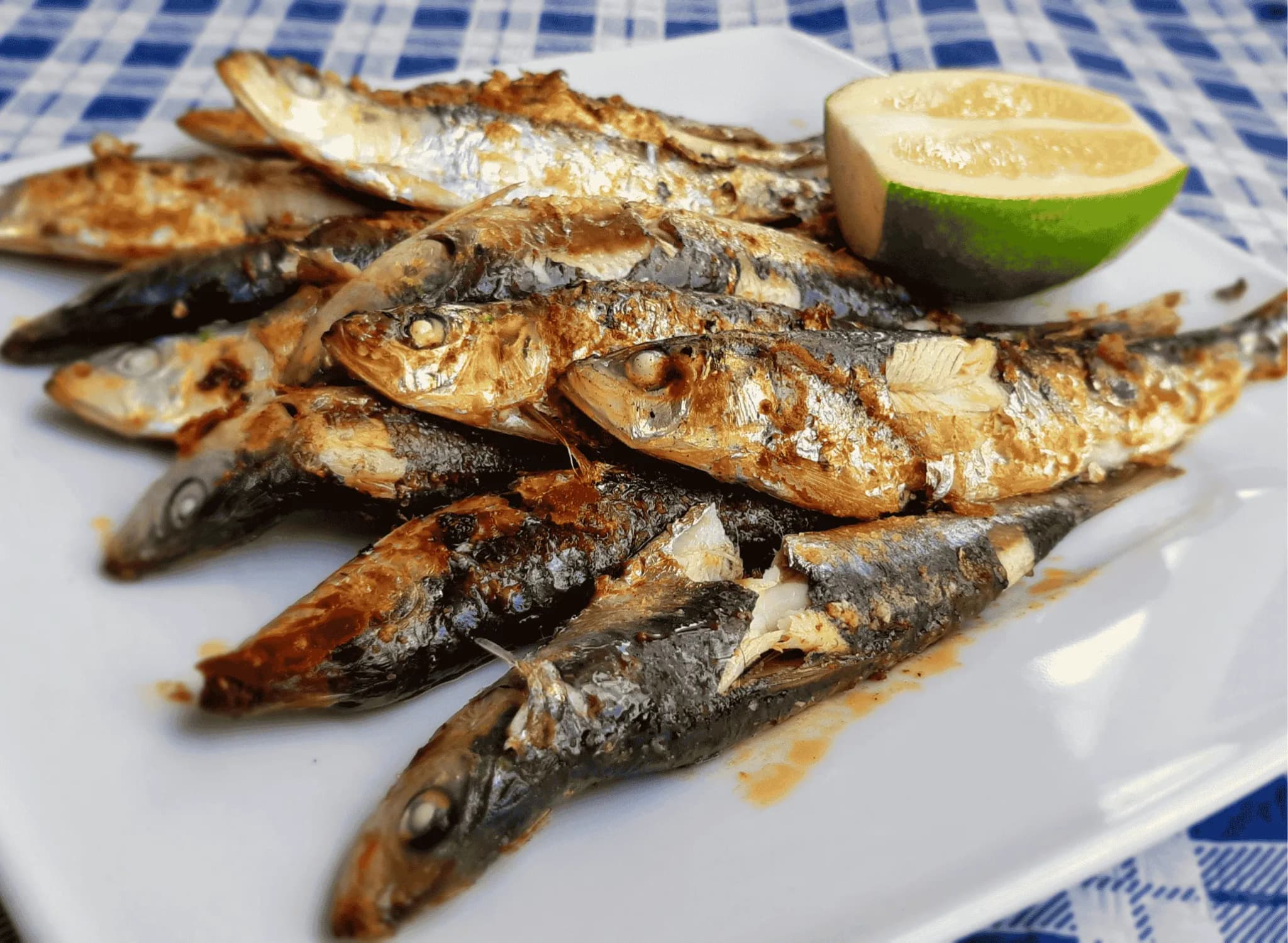
The neighbourhood's gastronomic identity is deeply intertwined with its working-class roots and maritime heritage. Traditional tascas and family-run restaurants serve time-honoured dishes that reflect the resourcefulness of generations past. Grilled sardines, a cornerstone of Portuguese cuisine, are prepared here with the same techniques passed down through families, often accompanied by roasted peppers and cornbread. The aroma of charcoal-grilled fish wafts through the narrow alleys, creating an olfactory map that guides visitors from one culinary discovery to the next.
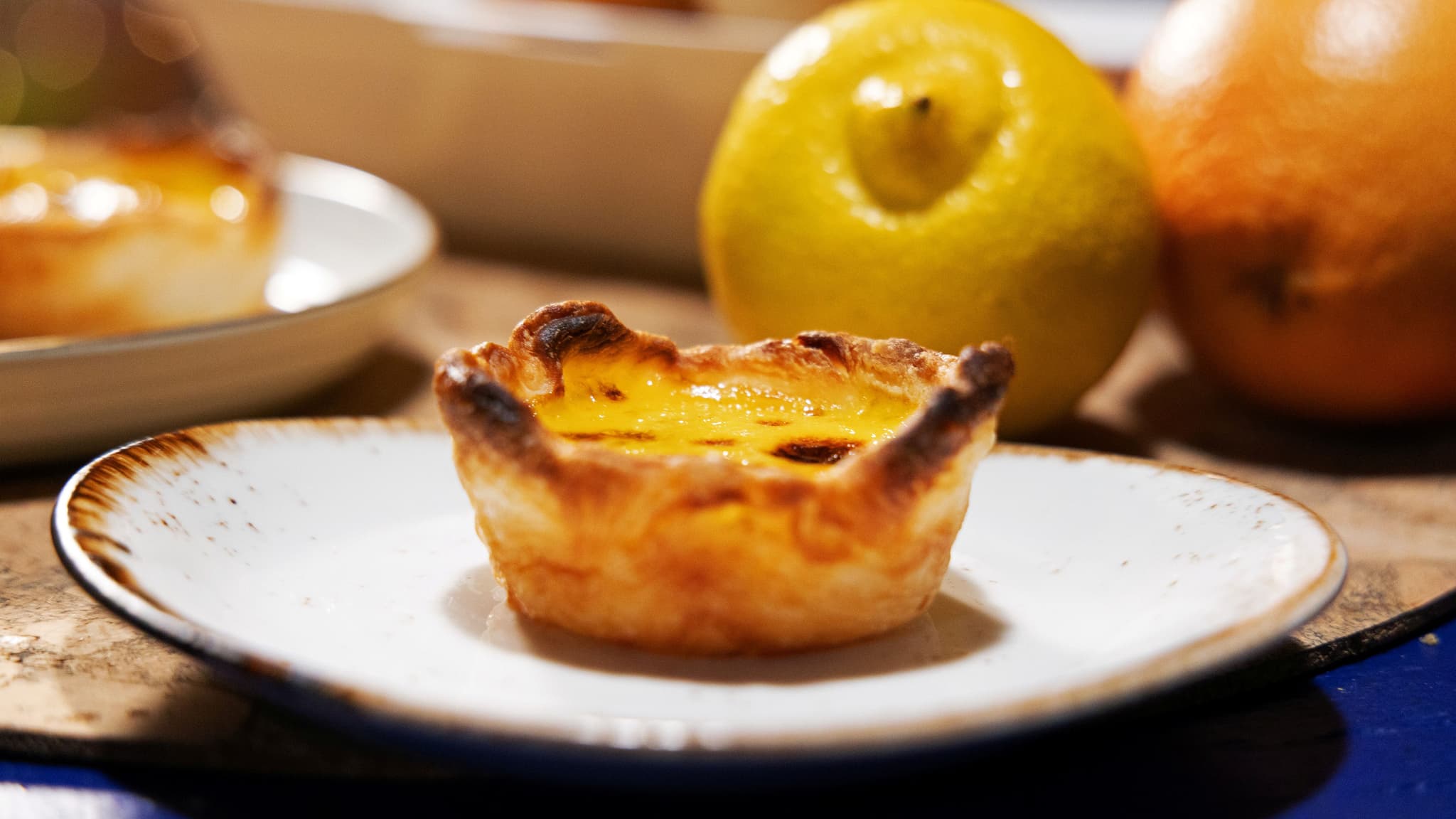
No food crawl through Alfama would be complete without sampling ginjinha, the neighbourhood's signature cherry liqueur that has been served from tiny bars and street vendors for over 150 years. This sweet, potent drink, often served in chocolate cups, represents more than just a beverage—it's a liquid embodiment of Lisbon's convivial spirit. Paired with pastéis de nata from local bakeries, where the custard tarts are still made using traditional methods, these simple pleasures showcase the neighbourhood's commitment to preserving authentic flavours.
The culinary experience in Alfama extends beyond individual dishes to encompass the entire cultural ecosystem. Many establishments double as fado houses, where the haunting melodies of Portugal's national music accompany meals, creating an immersive sensory experience. The neighbourhood's restaurants, from humble tascas to more refined establishments, maintain strong connections to local suppliers and traditional preparation methods, ensuring that each meal tells a story of place and heritage.
What distinguishes Alfama's food scene is its resistance to culinary gentrification. While other areas of Lisbon have embraced international influences and modern interpretations, Alfama remains steadfastly traditional. Local families still gather in neighbourhood restaurants for Sunday lunches, elderly residents continue to shop at the same markets their grandparents frequented, and recipes remain largely unchanged. This authenticity makes every food crawl through Alfama not just a gastronomic adventure, but a journey through living Portuguese culinary history.