The Francesinha: Porto's Glorious, Over-the-Top Sandwich
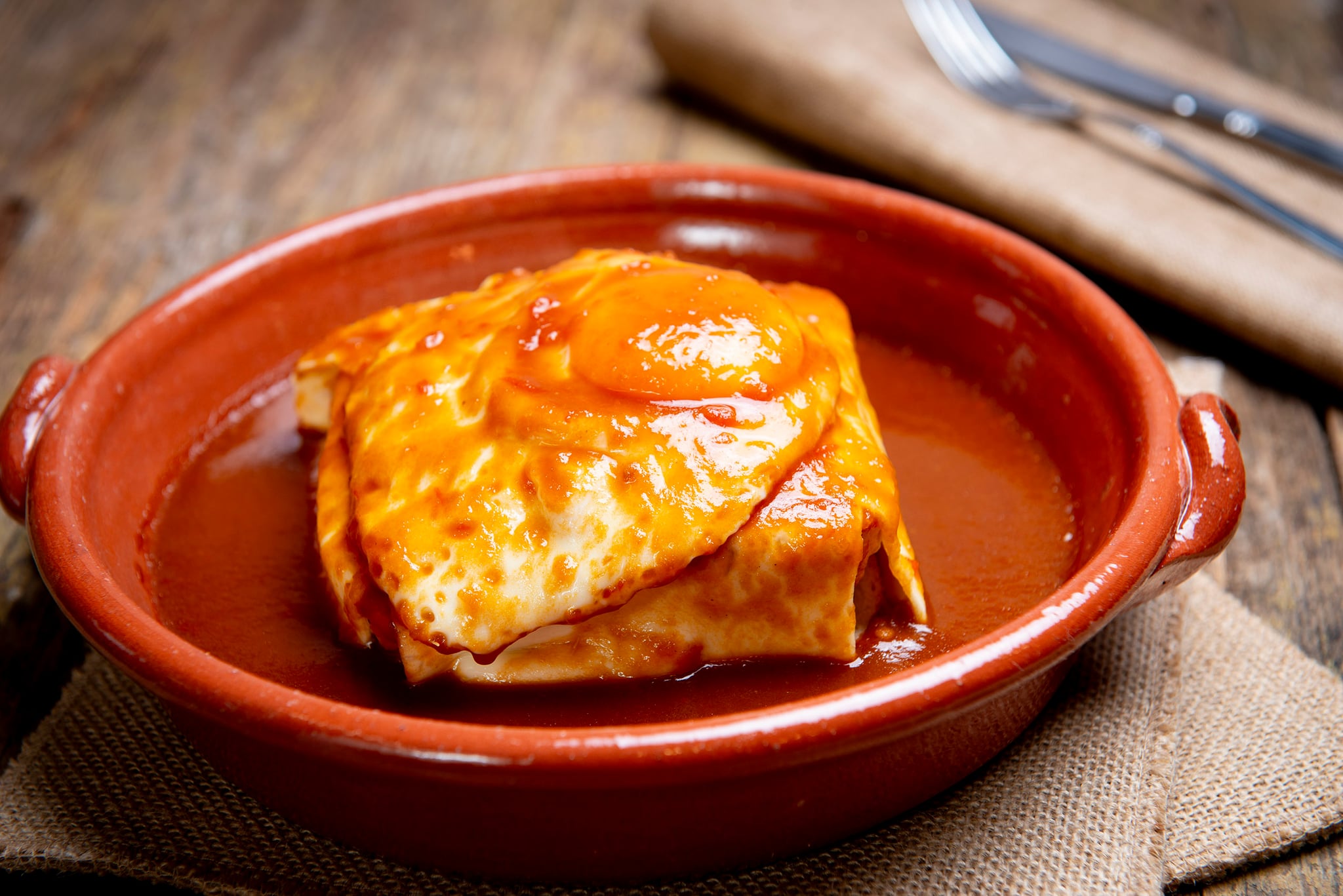
In the pantheon of Portuguese gastronomy, few dishes command as much reverence—and intimidation—as Porto's francesinha. This towering sandwich transcends the very definition of its category, emerging as a molten, sauce-drenched monument to culinary excess that has become synonymous with northern Portugal's gastronomic identity. The name itself, meaning "little French girl," belies the dish's decidedly Portuguese soul and unapologetically maximalist approach to comfort food.
The francesinha's origin story reads like a tale of immigrant adaptation and culinary evolution. Created in the 1960s by Daniel Silva, a Portuguese emigrant who had spent years working in France and Belgium, the dish represents a bold reimagining of the refined French croque-monsieur. Silva's genius lay not in subtlety but in abundance—transforming a simple grilled ham and cheese sandwich into a multi-layered feast that would satisfy the heartiest of appetites and reflect the generous spirit of Portuguese hospitality.
The Architecture of Indulgence
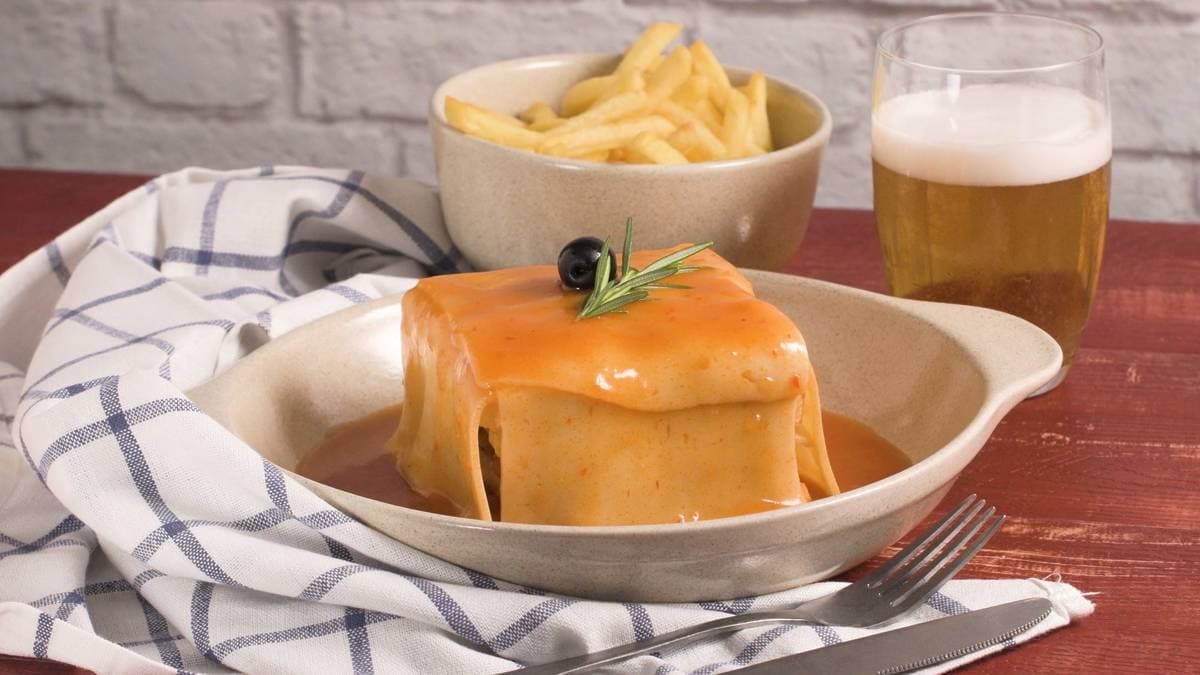
What distinguishes the francesinha from mere sandwiches is its audacious construction. Between slices of toasted bread lies a carefully orchestrated symphony of proteins: tender steak, cured ham, fresh sausage, linguiça (Portugal's beloved smoke-cured pork sausage), and often mortadella. This meaty foundation is then crowned with a fried egg and smothered in melted cheese—typically a blend that creates the perfect molten blanket. The entire creation is then baptized in the francesinha's secret weapon: a distinctive sauce that varies from establishment to establishment but generally combines tomato, beer, and spices into a slightly spicy, deeply savory elixir.
The ritual of eating a francesinha is as important as its preparation. Served piping hot in a pool of its signature sauce, the sandwich demands both strategy and commitment. Diners typically attack it with knife and fork, as the molten cheese and abundant sauce make traditional hand-held consumption nearly impossible. The accompanying portion of crispy french fries, often swimming alongside in the same sauce, completes this exercise in glorious excess.
Beyond its role as sustenance, the francesinha has evolved into a cultural touchstone for Porto and northern Portugal. Local establishments guard their sauce recipes with fierce pride, and debates over which café serves the definitive version can spark passionate discussions among locals. The sandwich represents more than food—it embodies the region's working-class roots, its embrace of abundance over restraint, and its ability to transform humble ingredients into something transcendent through sheer audacity and skill.
Today, the francesinha stands as one of Portugal's most recognizable culinary exports, a dish that perfectly captures the Portuguese genius for taking international influences and making them unmistakably their own. In a world increasingly focused on minimalism and restraint, Porto's beloved sandwich remains gloriously, unapologetically over-the-top—and all the more beloved for it.