tasting.pt — Portugal, Tasting Life
ArticlesChefsRestaurants & BarsRecipesProducersRegionsEventsEncyclopedia

Tasting Portugal, Tasting Life

The best of Portuguese gastronomy — chefs, recipes, producers, and stories — delivered to your inbox.

By subscribing you agree to our privacy policy.

Explore

  • Chefs & Restaurants
  • Recipes
  • Producers & Products

Discover

  • Regions
  • Events & Festivals
  • Encyclopedia

About

  • Our Story
  • Contact
  • Write for Us

Follow

  • Instagram
  • Twitter
  • Facebook
© 2026 tasting.pt — Tasting Portugal, Tasting Life|
  1. Home
  2. /Recipes
  3. /The Pastel de Nata: A Short History of Portugal's Most Famous Pastry
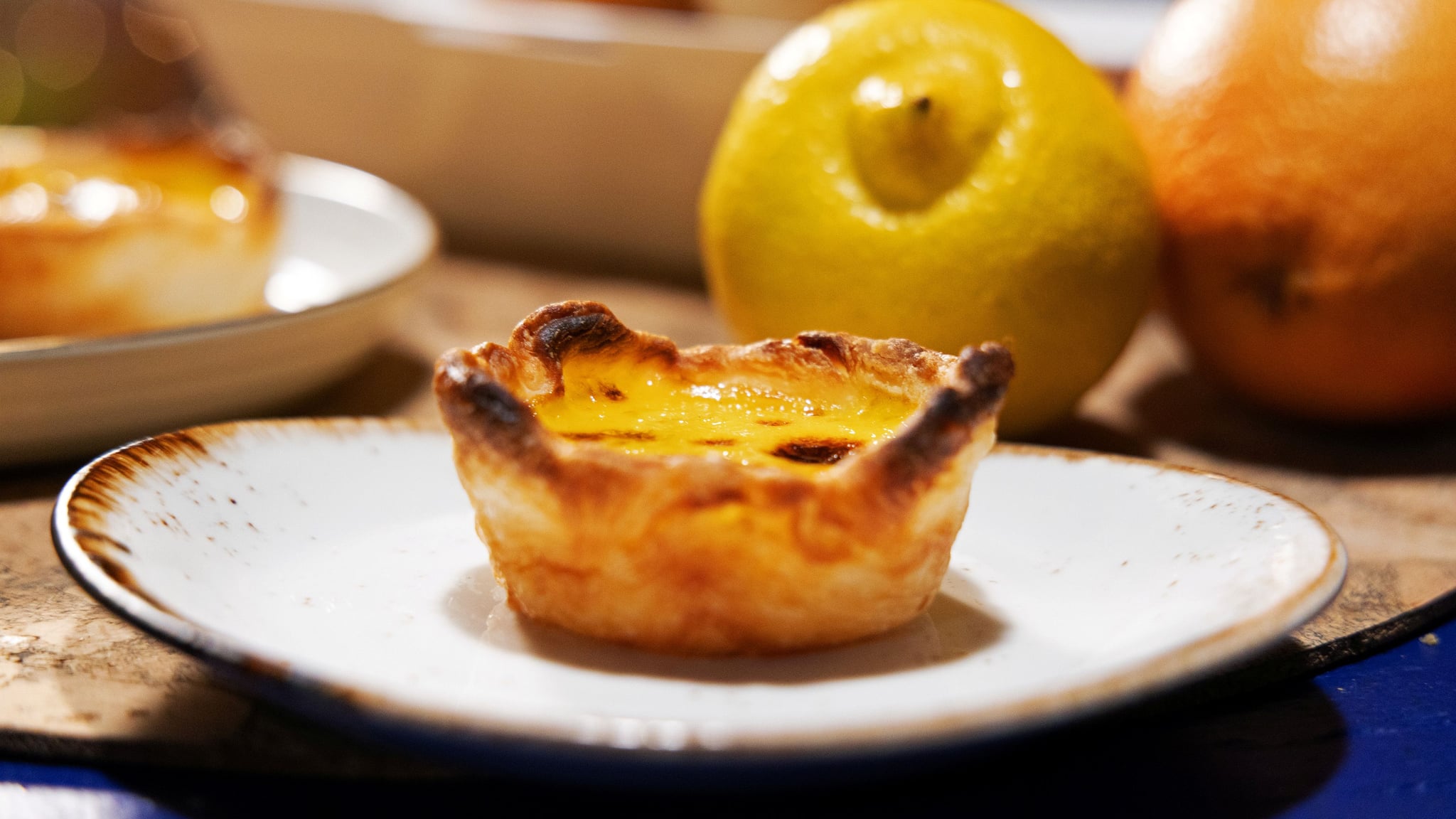
Golden pastéis de nata with caramelized tops arranged on a traditional Portuguese ceramic plate, with the historic Jerónimos Monastery visible in the background
RecipesA Receita Perdida

The Pastel de Nata: A Short History of Portugal's Most Famous Pastry

Maria Santos·21 April 2026

Few pastries carry the cultural weight and international recognition of Portugal's beloved pastel de nata. This humble custard tart, with its flaky pastry shell and creamy egg custard filling, has transcended its monastic origins to become one of the world's most cherished sweet treats, embodying centuries of Portuguese culinary craftsmanship and ingenuity.

The story of the pastel de nata begins in the hallowed halls of the Jerónimos Monastery in Belém, Lisbon, where Catholic monks first created these delicate tarts before the 18th century. In an era when monasteries served as centers of culinary innovation, the monks developed this recipe as a practical solution to utilize surplus egg yolks—a common byproduct of their wine-making process, where egg whites were used for clarification. The monastery's kitchens became the beating heart of what would eventually become Portugal's most iconic pastry.

From Sacred to Secular

The transition from monastic secret to national treasure occurred in the early 19th century, following the liberal revolution of 1820 and subsequent closure of many religious institutions. As the Jerónimos Monastery faced closure, the monks began selling their pastries to generate income. The recipe eventually made its way to a nearby sugar refinery, where it was refined and commercialized, giving birth to the famous Pastéis de Belém bakery that continues to produce over 22,000 tarts daily using the closely guarded original recipe.

What distinguishes the authentic pastel de nata is its perfect balance of textures and flavors—the contrast between the crisp, laminated pastry shell and the silky custard filling, often finished with a light dusting of cinnamon and a characteristic caramelized top achieved through high-temperature baking. This technique, developed over centuries, creates the signature burnt spots that have become synonymous with quality pastéis de nata.

Today, the pastel de nata stands as Portugal's ultimate culinary ambassador, found in Portuguese communities worldwide and adapted by countless international bakeries. Yet despite its global reach, the tart remains deeply rooted in Portuguese culture, representing not just a sweet treat but a connection to the country's rich monastic traditions, its resourceful approach to cooking, and its ability to transform simple ingredients into something extraordinary. In every bite lies the essence of Portuguese gastronomy—humble origins elevated through centuries of refinement and an unwavering commitment to quality.

#Lisbon#Pastry#Portuguese cuisine#Tradition#Monastic Heritage#Cultural Heritage
Lisboa

Lisboa

Where tradition meets reinvention. Lisbon is the epicentre of Portugal's contemporary food scene — from historic tascas in Alfama to Michelin-starred kitchens in Chiado.

Related Recipes

Golden Portuguese custard tarts with caramelized, slightly burnt tops and flaky pastry shells, dusted with cinnamonmedium

Pastel de Nata

180 min · Lisboa

Recipes from this region

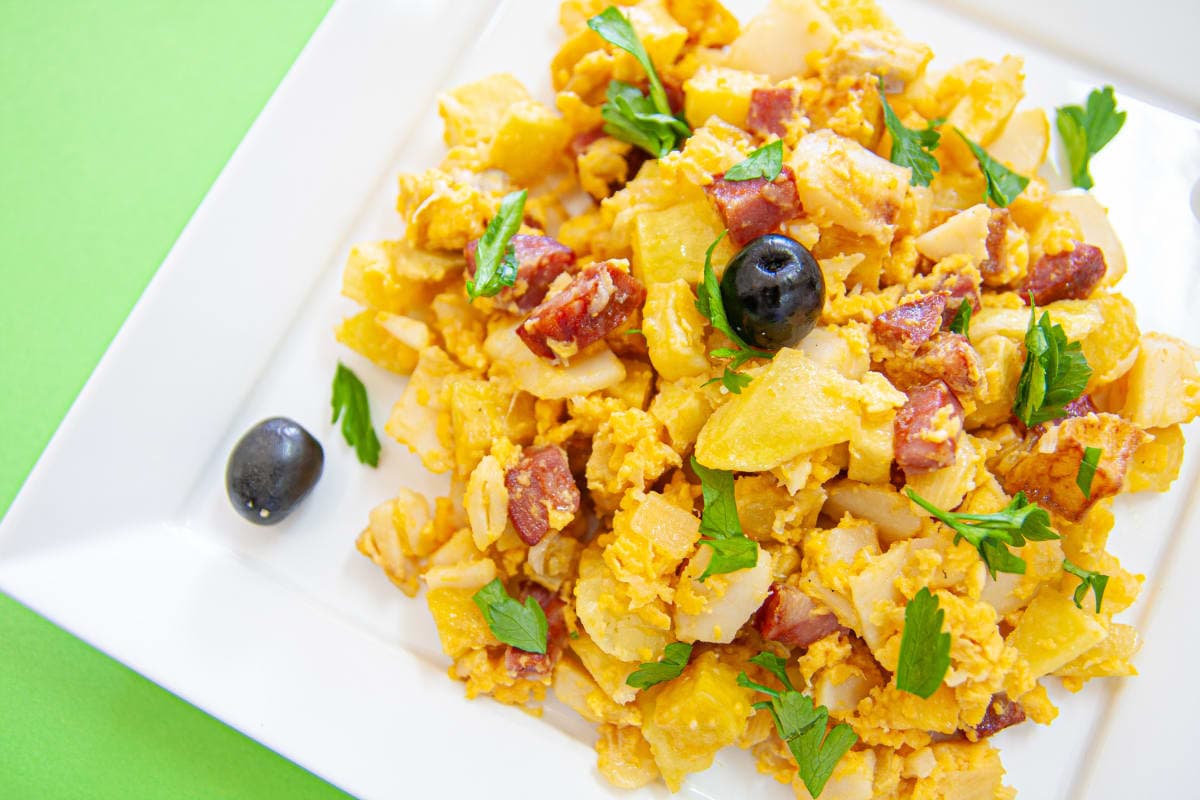
A golden, creamy mixture of shredded salt cod, matchstick potatoes, and scrambled eggs garnished with black olives and fresh parsley in a traditional Portuguese serving dishmedium

Bacalhau à Brás

60 min · Lisboa

Golden Portuguese custard tarts with caramelized, slightly burnt tops and flaky pastry shells, dusted with cinnamonmedium

Pastel de Nata

180 min · Lisboa

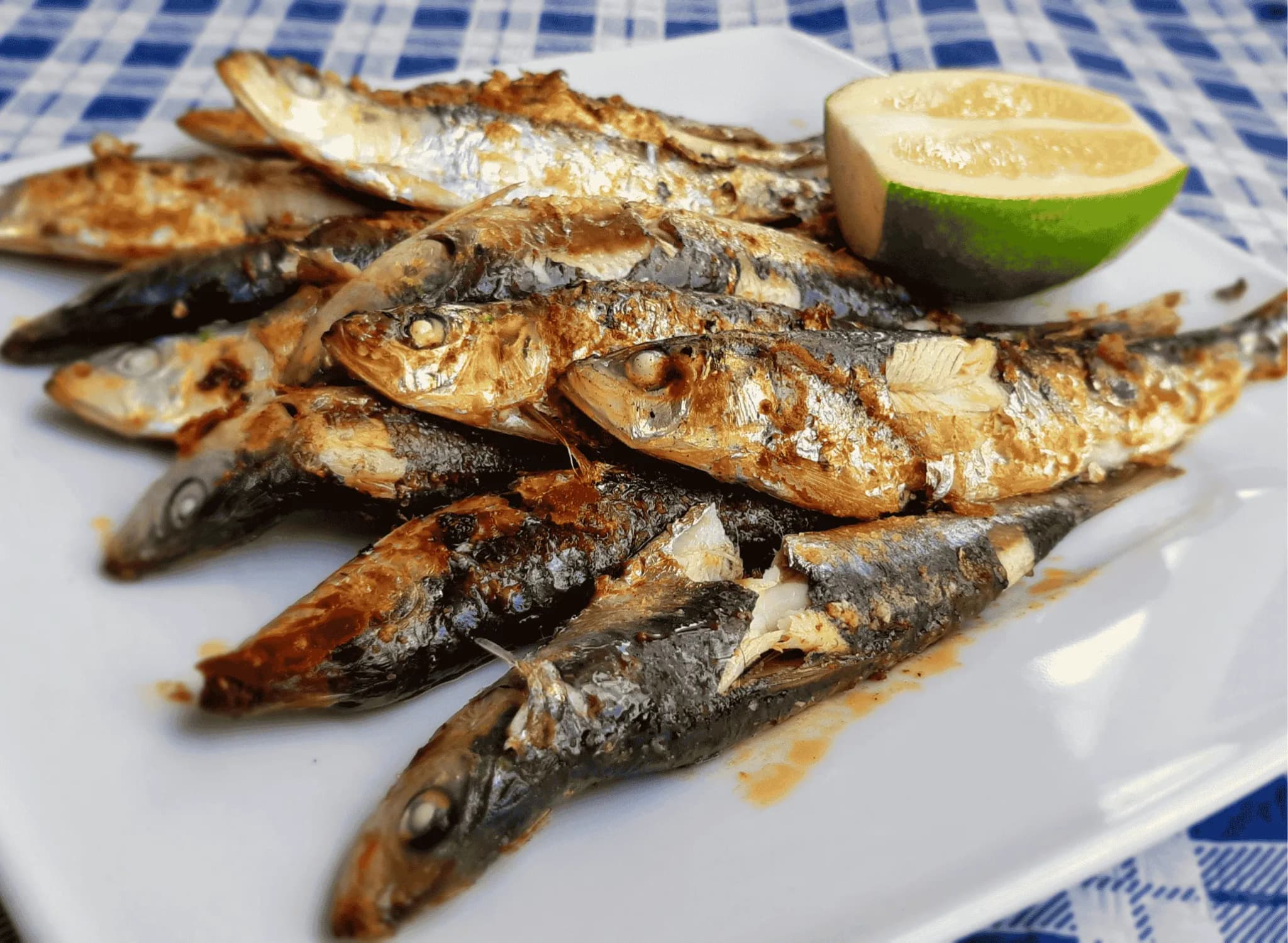
Golden-brown grilled sardines with crispy charred skin arranged on a white platter, garnished with fresh parsley and lemon wedges, with crusty bread in the backgroundeasy

Sardinhas Assadas

25 min · Lisboa

You might also enjoy

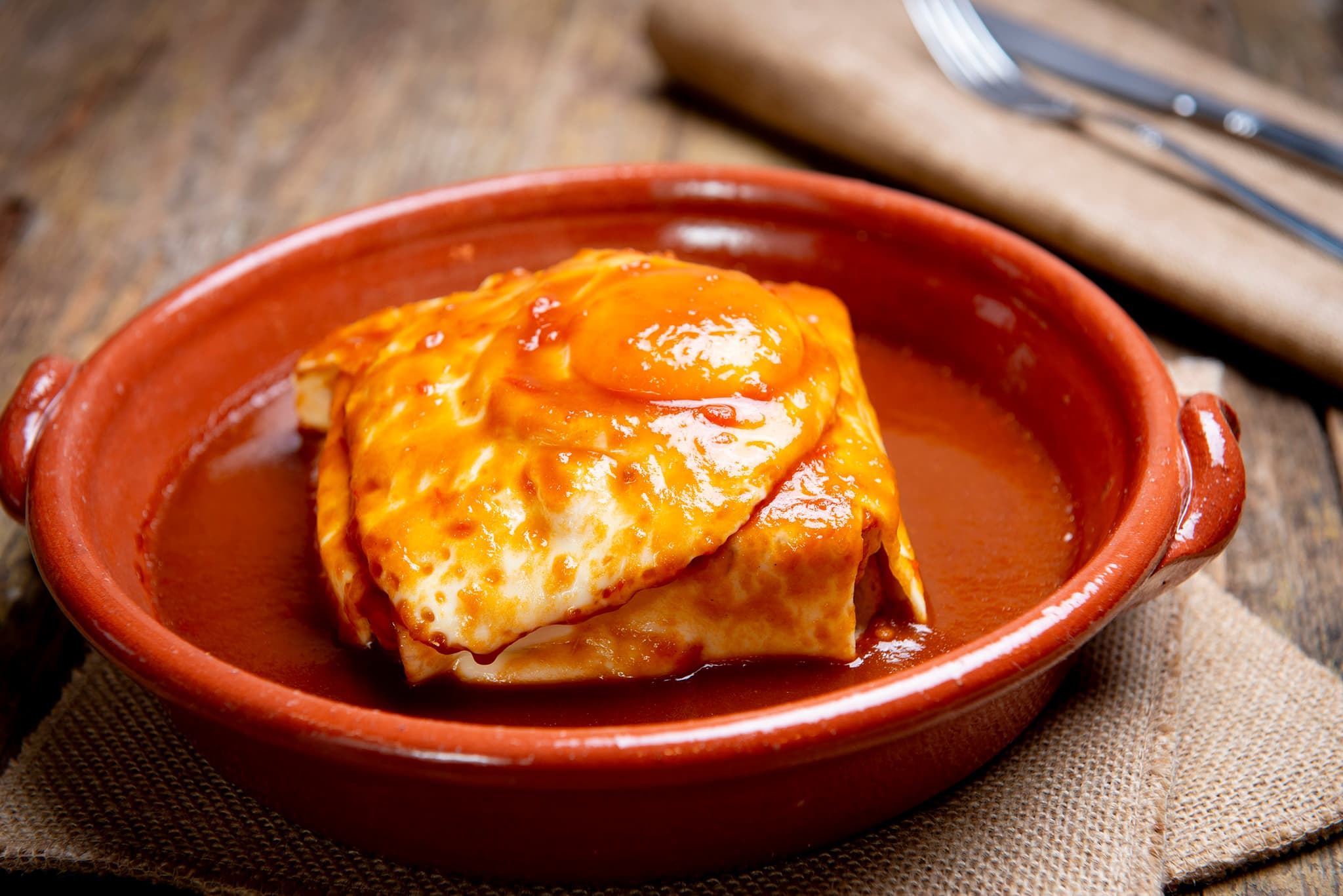
A golden-brown francesinha sandwich covered in melted cheese and rich sauce, served on a white plate with french fries, steam rising from the hot dish
Recipes

The Francesinha: Porto's Glorious, Over-the-Top Sandwich

Porto's legendary francesinha is more than just a sandwich—it's a towering monument to Portuguese culinary excess, born from immigrant ingenuity and crowned with molten cheese.

Ana Rodrigues·21 Apr 2026
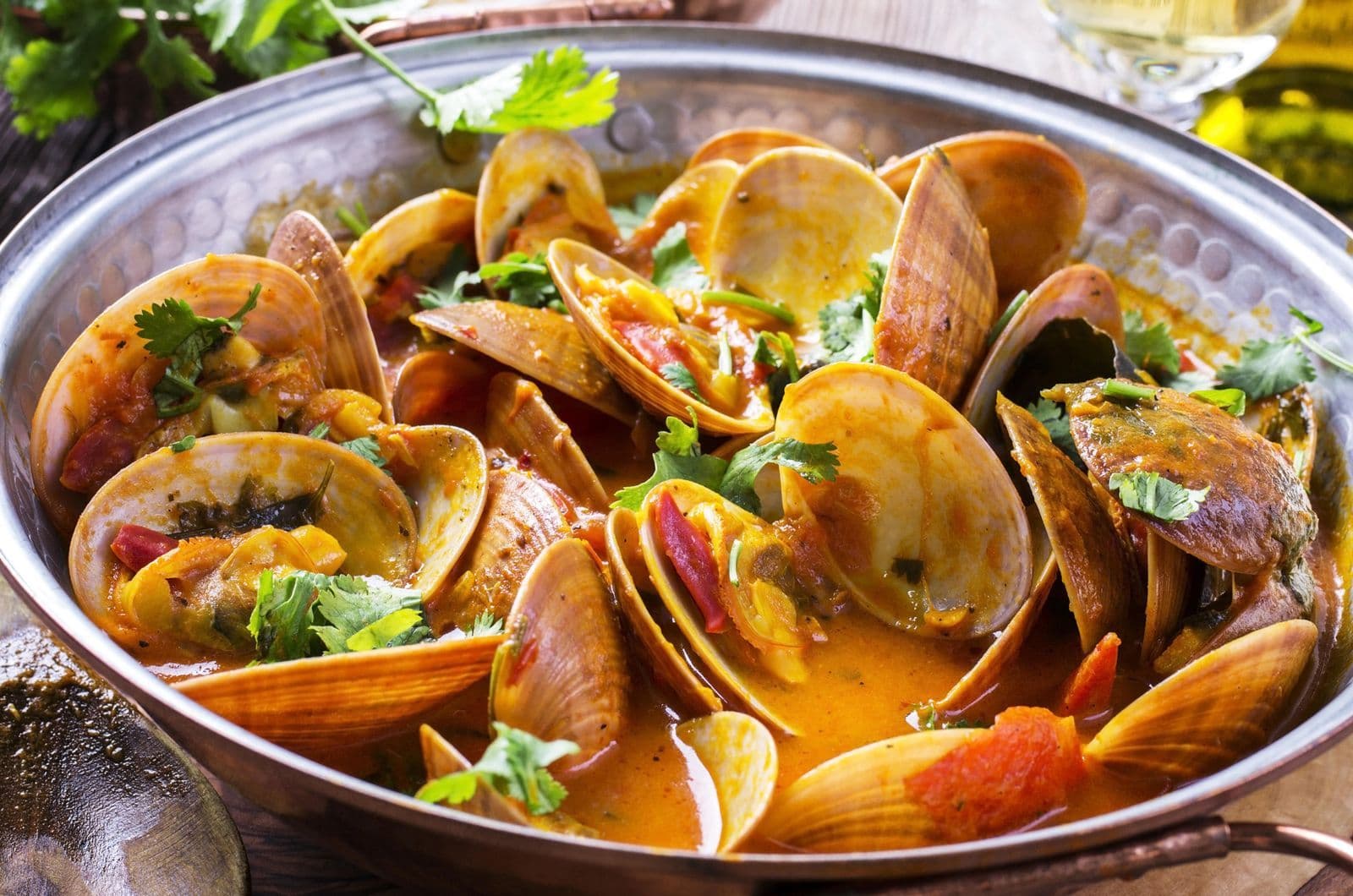
Seafood Cataplana
Recipes

The Cataplana: Algarve's Copper Pot of Wonders

In the sun-drenched kitchens of the Algarve, the cataplana stands as both cooking vessel and cultural symbol, its copper curves holding centuries of Moorish heritage and Portuguese coastal tradition.

Pedro Oliveira·21 Apr 2026
The Sacred Cod: How Bacalhau Became Portugal's National Obsession
Producers & Products

The Sacred Cod: How Bacalhau Became Portugal's National Obsession

Explore how salted cod became Portugal's most beloved ingredient, shaping the nation's culinary identity for over 500 years through maritime tradition and regional innovation.

Carlos Automatico·15 Mar 2026