The Sacred Cod: How Bacalhau Became Portugal's National Obsession
In Portugal, there's a saying that there are 365 ways to prepare bacalhau—one for each day of the year. While this may be culinary folklore, it speaks to a deeper truth about the Portuguese relationship with salted cod: it's nothing short of a national obsession that has shaped the country's identity for over five centuries.
The Paradox of the Faithful Friend
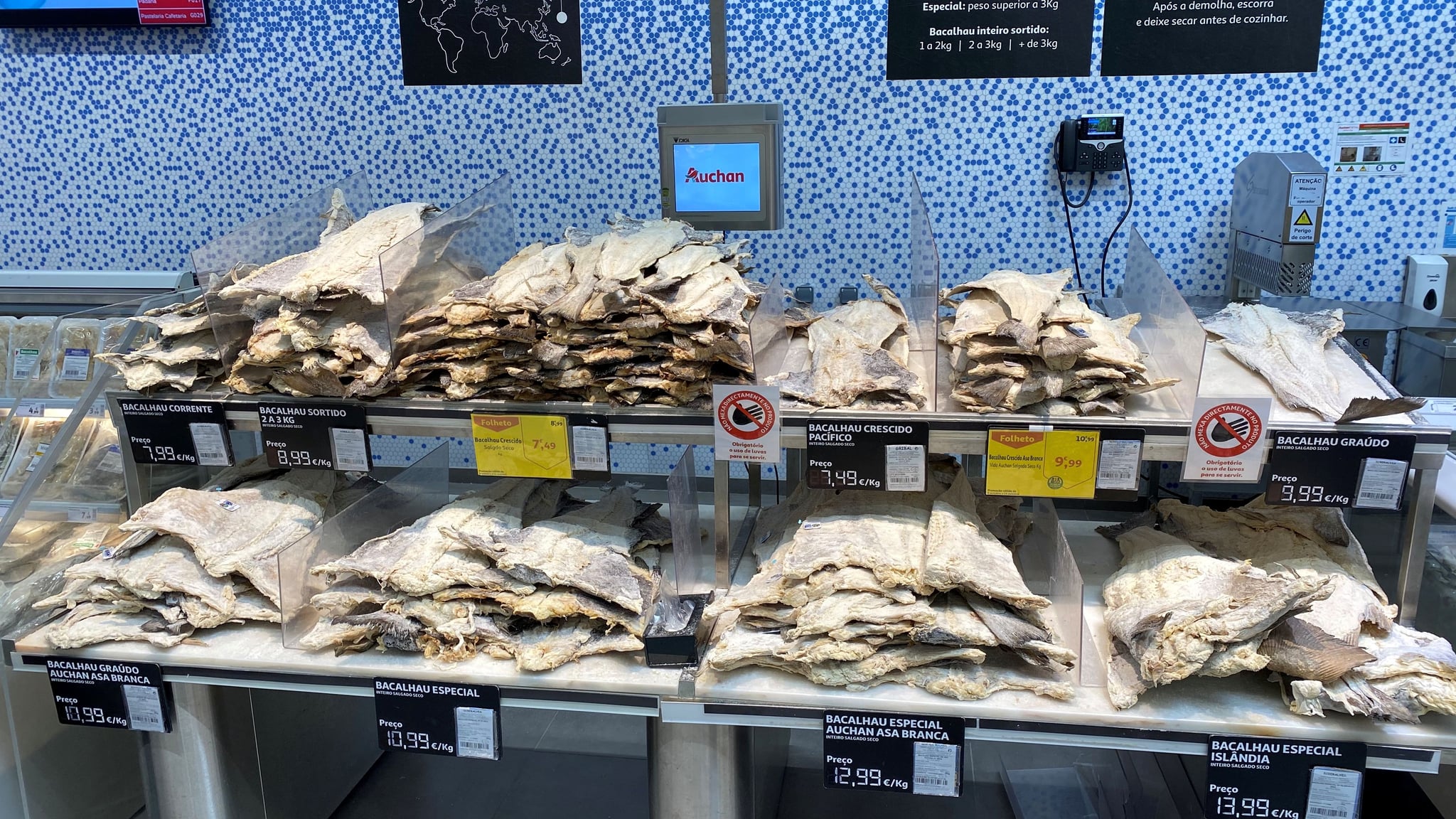
Here lies one of gastronomy's great ironies: Portugal's most beloved fish doesn't swim in Portuguese waters. The cod that graces tables from Minho to the Algarve is caught thousands of miles away in the frigid North Atlantic, off the coasts of Norway, Iceland, and Newfoundland. Yet bacalhau—always salted, never fresh—has earned the affectionate nickname "fiel amigo" (faithful friend), a testament to its unwavering presence in Portuguese kitchens.
The story begins in the 16th century, during Portugal's Age of Discovery. As Portuguese navigators pushed into uncharted waters, they needed provisions that could survive months at sea without spoiling. Salted cod, with its remarkable preservation qualities and high protein content, became the perfect solution. What started as maritime necessity evolved into culinary devotion.
The Cod Fleet Legacy
For centuries, Portugal maintained one of the world's largest cod fishing fleets. The iconic "lugres" and later the "bacalhoeiros"—massive fishing vessels—would depart from ports like Aveiro and Viana do Castelo, carrying crews of brave fishermen to the treacherous waters of the Grand Banks off Newfoundland.
"The sea was our supermarket, and cod was our currency," recalls Maria Santos, whose grandfather spent forty years fishing cod in the North Atlantic. "These men would leave for months, returning with ships full of 'white gold' that fed the nation."
The dangerous work of cod fishing became deeply embedded in Portuguese culture, inspiring fado songs, literature, and a profound respect for the sea's bounty. The last Portuguese cod fishing campaign ended in 2001, marking the end of an era, but the cultural imprint remains indelible.
Regional Interpretations of the Faithful Friend
Across Portugal's diverse regions, bacalhau takes on distinct personalities, reflecting local ingredients and traditions:
Northern Traditions
In the Minho region, bacalhau à Gomes de Sá reigns supreme—a hearty casserole layering flaked cod with potatoes, onions, and hard-boiled eggs, finished with a drizzle of golden olive oil. This dish, created in 19th-century Porto, represents the northern preference for robust, warming preparations.
The Douro Valley contributes bacalhau com natas, where the saltiness of cod finds perfect harmony with cream and bechamel sauce, often accompanied by a crisp Vinho Verde that cuts through the richness.
Central Portugal's Comfort
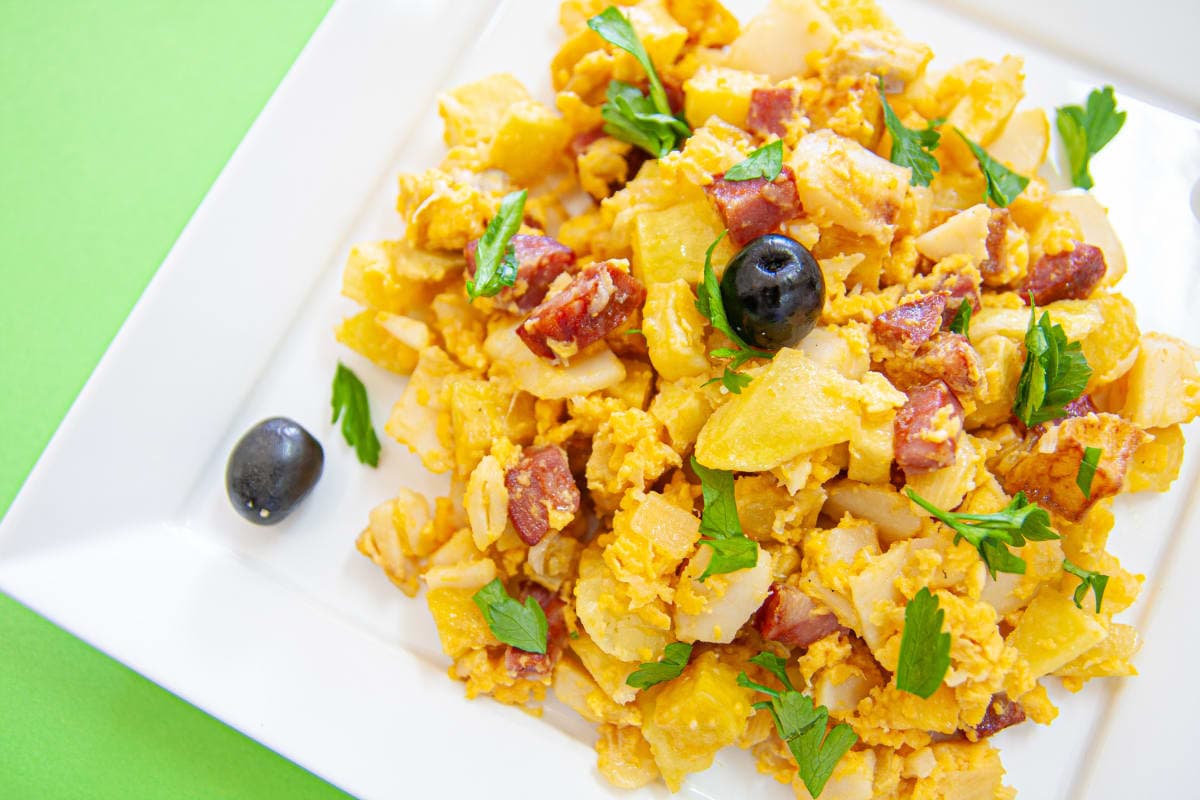
The Beiras region embraces bacalhau à Brás, perhaps the most democratic of cod dishes. This scrambled preparation with matchstick potatoes and eggs transforms humble ingredients into comfort food poetry. Legend attributes its creation to a Lisbon tavern owner named Brás, though every Portuguese cook claims to know the "authentic" version.
Southern Sophistication
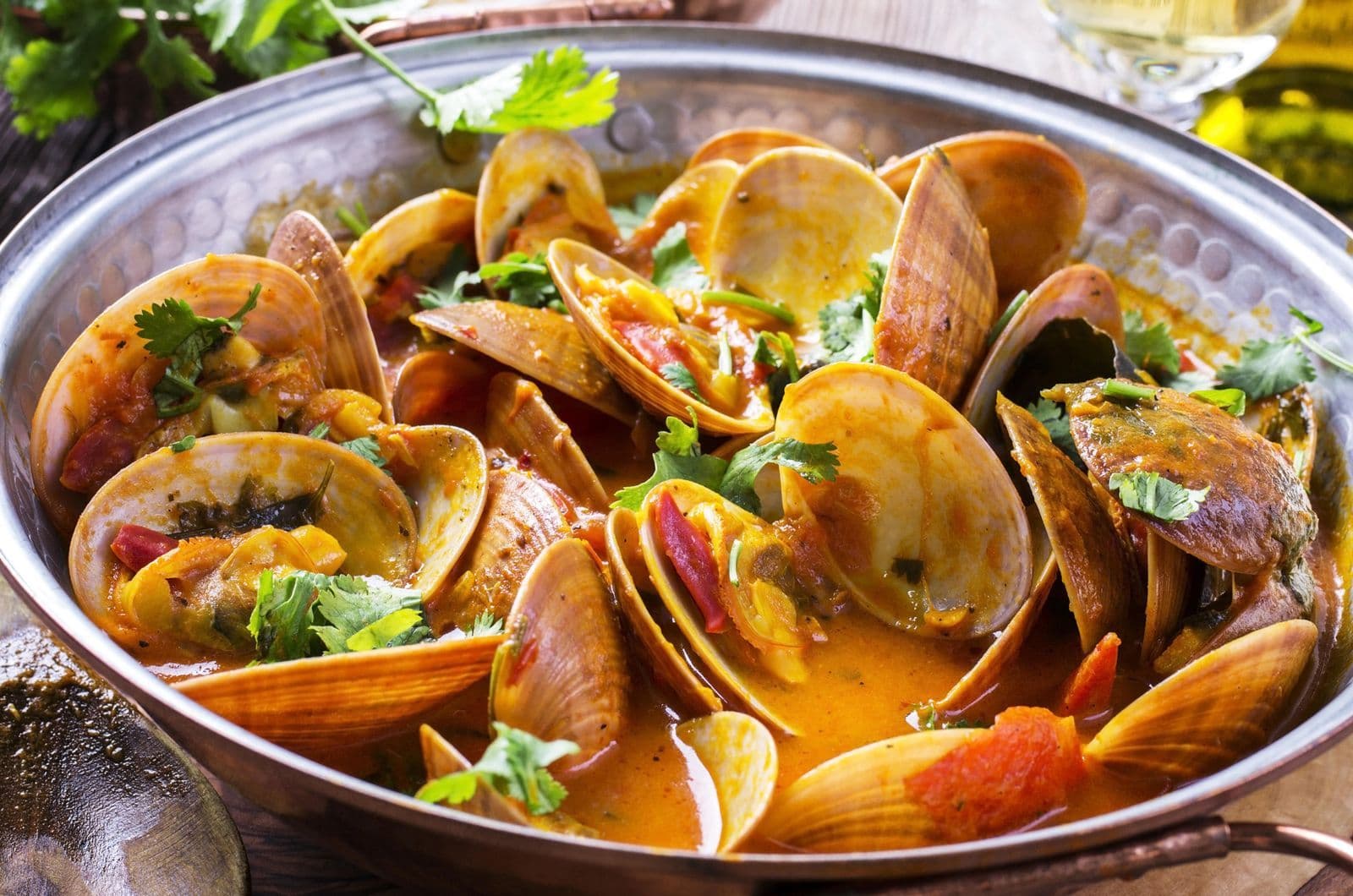
In the Alentejo, where olive groves stretch to the horizon, cod often appears in açorda de bacalhau—a bread-based dish enriched with the region's liquid gold olive oil, cilantro, and garlic. The Algarve, despite its abundant fresh fish, honors bacalhau in dishes like cataplana de bacalhau, where the preserved cod mingles with clams and fresh herbs in the region's signature copper vessel.
The Art of Preparation
Working with bacalhau requires patience and respect. The transformation from board-stiff salted fish to tender, flaky protein is a ritual passed down through generations:
- Demolha: The essential soaking process, typically 24-48 hours with multiple water changes
- Limpeza: Careful removal of skin and bones, a meditative process that connects cook to ingredient
- Cozedura: Gentle poaching that preserves the cod's delicate texture
Portuguese grandmothers can determine doneness by touch alone, their fingers reading the fish's readiness like braille. This tactile knowledge represents generations of accumulated wisdom that no cookbook can fully capture.
Beyond Tradition: Modern Interpretations
Contemporary Portuguese chefs are reimagining bacalhau for the 21st century while respecting its cultural significance. In Lisbon's innovative restaurants, you might find bacalhau tempura with seaweed salt, or deconstructed bacalhau à Brás presented as an elegant tasting portion.
Yet even the most avant-garde preparations acknowledge bacalhau's fundamental role in Portuguese identity. Chef José Avillez notes, "You can modernize the presentation, but you cannot modernize the soul of bacalhau. It carries our history, our struggles, our celebrations."
The Christmas Connection
No discussion of Portuguese bacalhau culture is complete without acknowledging its central role in Christmas celebrations. Bacalhau da Consoada—Christmas Eve cod—is as essential to Portuguese Christmas as turkey is to American Thanksgiving. Families gather to share simple boiled cod with vegetables, cabbage, and potatoes, drizzled with olive oil and accompanied by hard-boiled eggs.
This austere preparation, observed during the traditional Christmas Eve fast, transforms the humble preserved fish into something sacred—a communion with ancestors who survived on this same "faithful friend" through centuries of hardship and triumph.
A Living Legacy
Today, as Portugal navigates modern European identity while honoring its maritime heritage, bacalhau remains a constant. In neighborhood tascas and Michelin-starred restaurants alike, the faithful friend continues to nourish both body and cultural memory.
Perhaps the true magic of bacalhau lies not in any single preparation, but in its ability to connect Portuguese people across time and geography. Whether it's a homesick emigrant in Paris preparing bacalhau à Brás, or a young chef in Porto creating innovative cod croquettes, each dish carries forward a legacy that began with brave fishermen facing Atlantic storms centuries ago.
In a world of culinary trends and fusion experiments, bacalhau stands as proof that some foods transcend mere sustenance to become cultural DNA. The faithful friend continues its vigil, one delicious dish at a time.