Encyclopedia
Explore the essential terms, ingredients, techniques, and traditions of Portuguese gastronomy.
A7 entries
ingredient
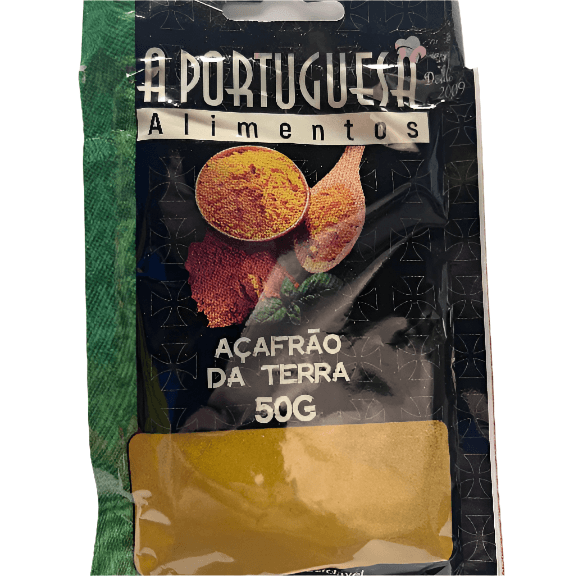
Açafrão
Portuguese saffron from the Alentejo, a rare and precious spice used in rice dishes, stews, and traditional sweets.
AlentejoSpicesArtisanal
dish
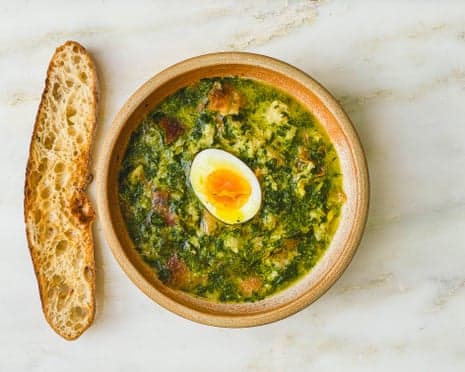
Açorda
A traditional Alentejo bread soup made with stale bread, garlic, coriander, olive oil, and a poached egg.
AlentejoTraditionalBread
term
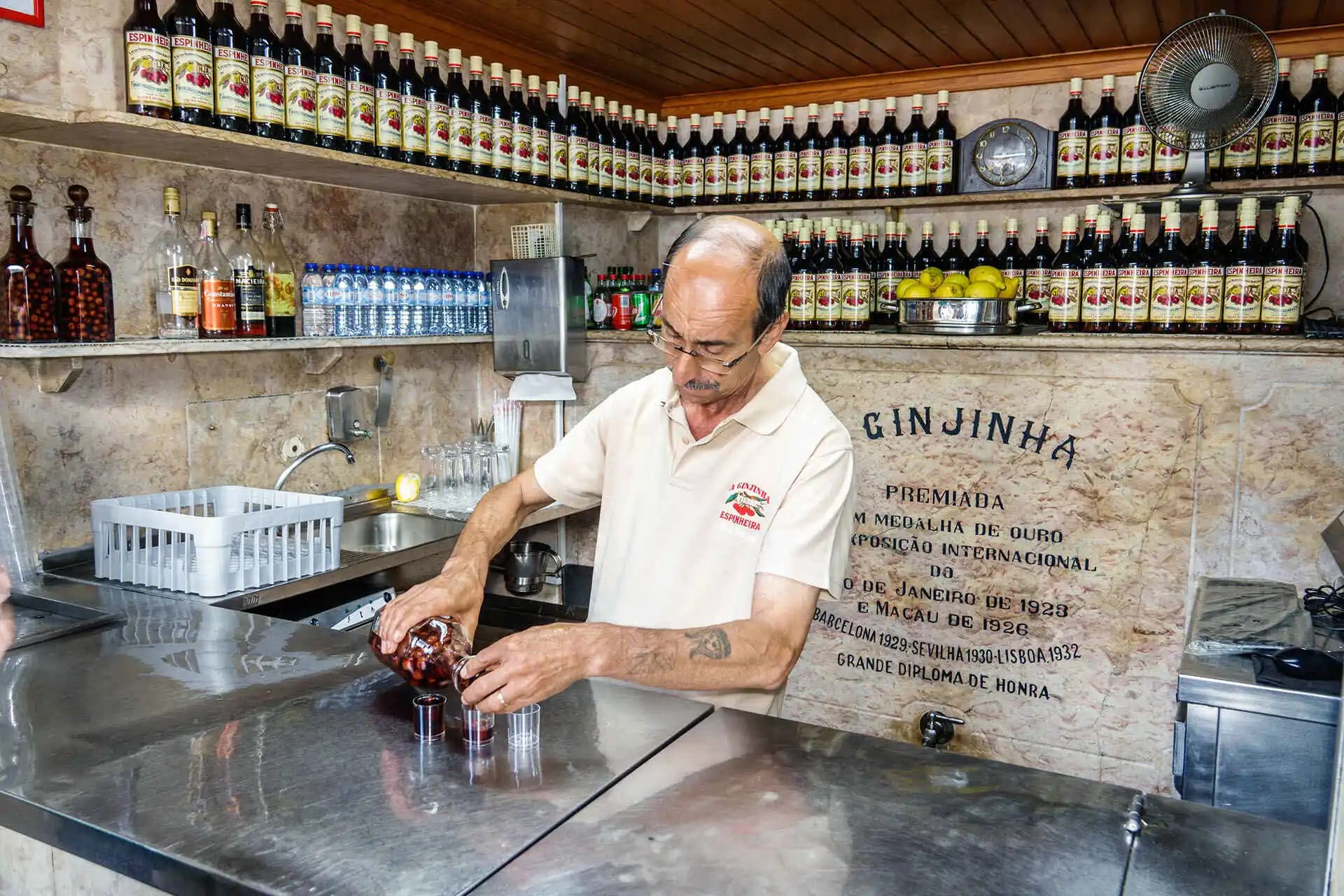
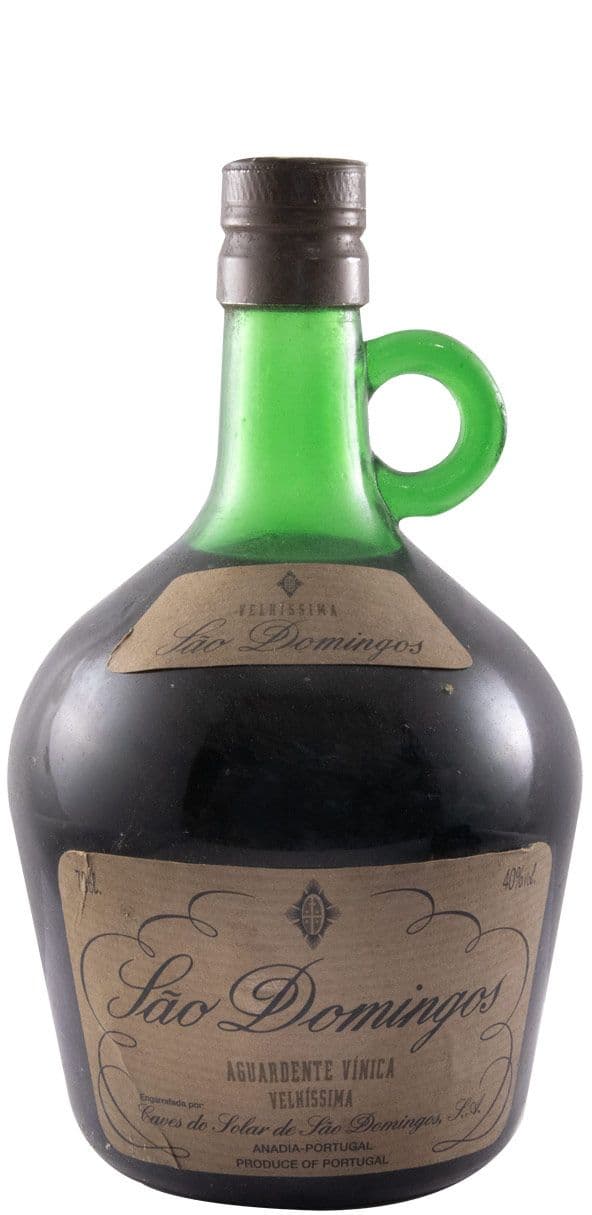
Aguardente
A strong grape spirit distilled across Portugal, essential for fortifying port wine and consumed as a digestif.
BeirasSpiritsWine

ingredient
Alheira
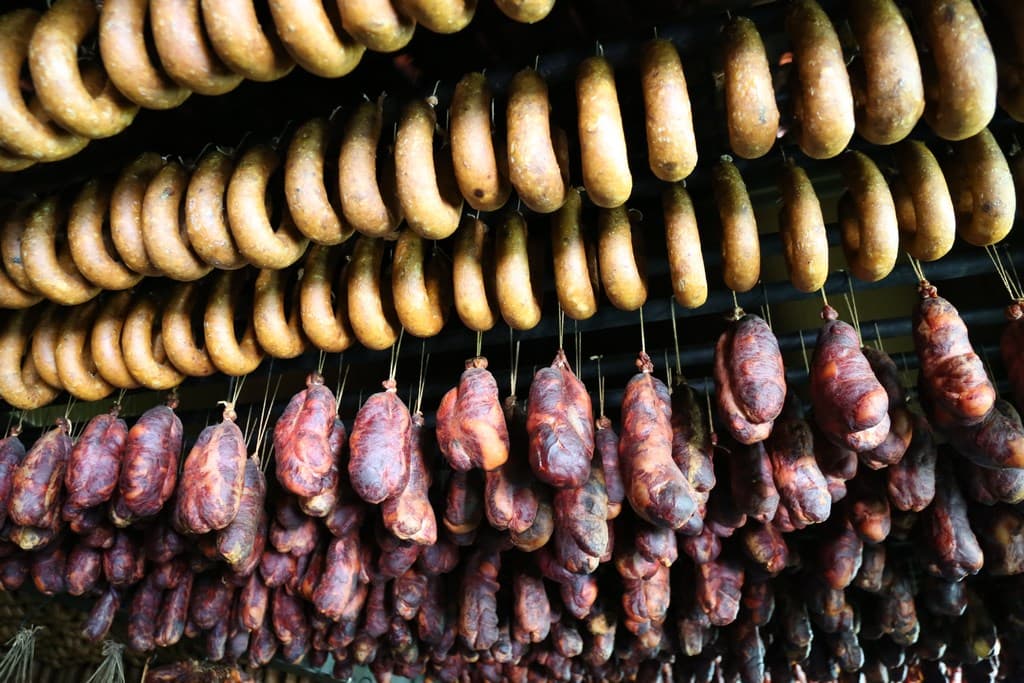
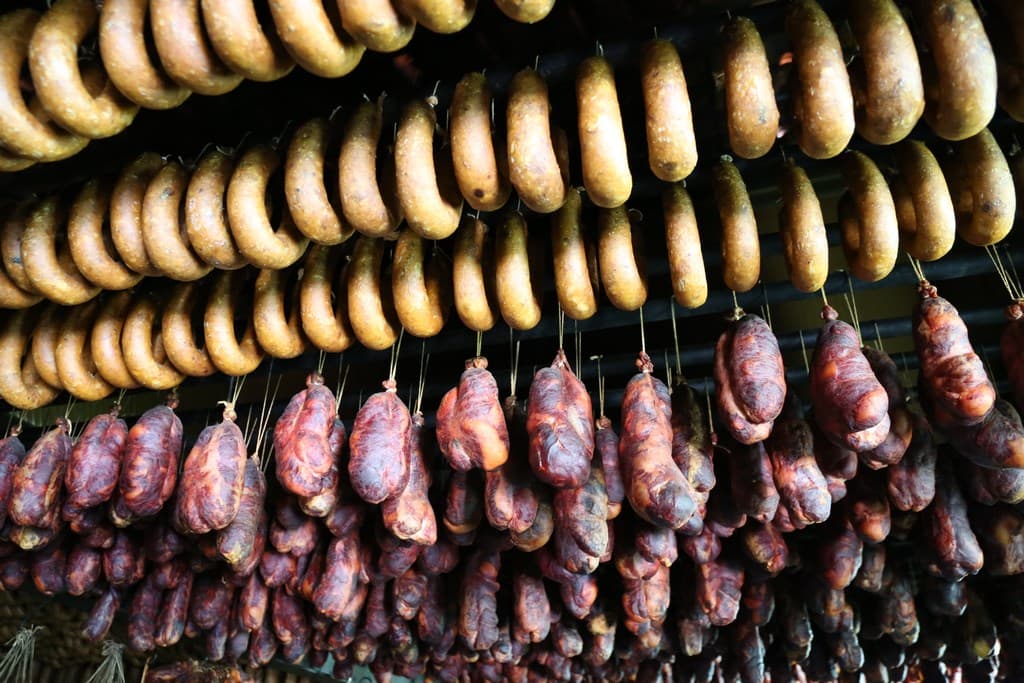
A smoked sausage from Trás-os-Montes originally made without pork by Jewish communities to avoid persecution during the Inquisition.
HistoryTrás-os-MontesCharcuterie
dish
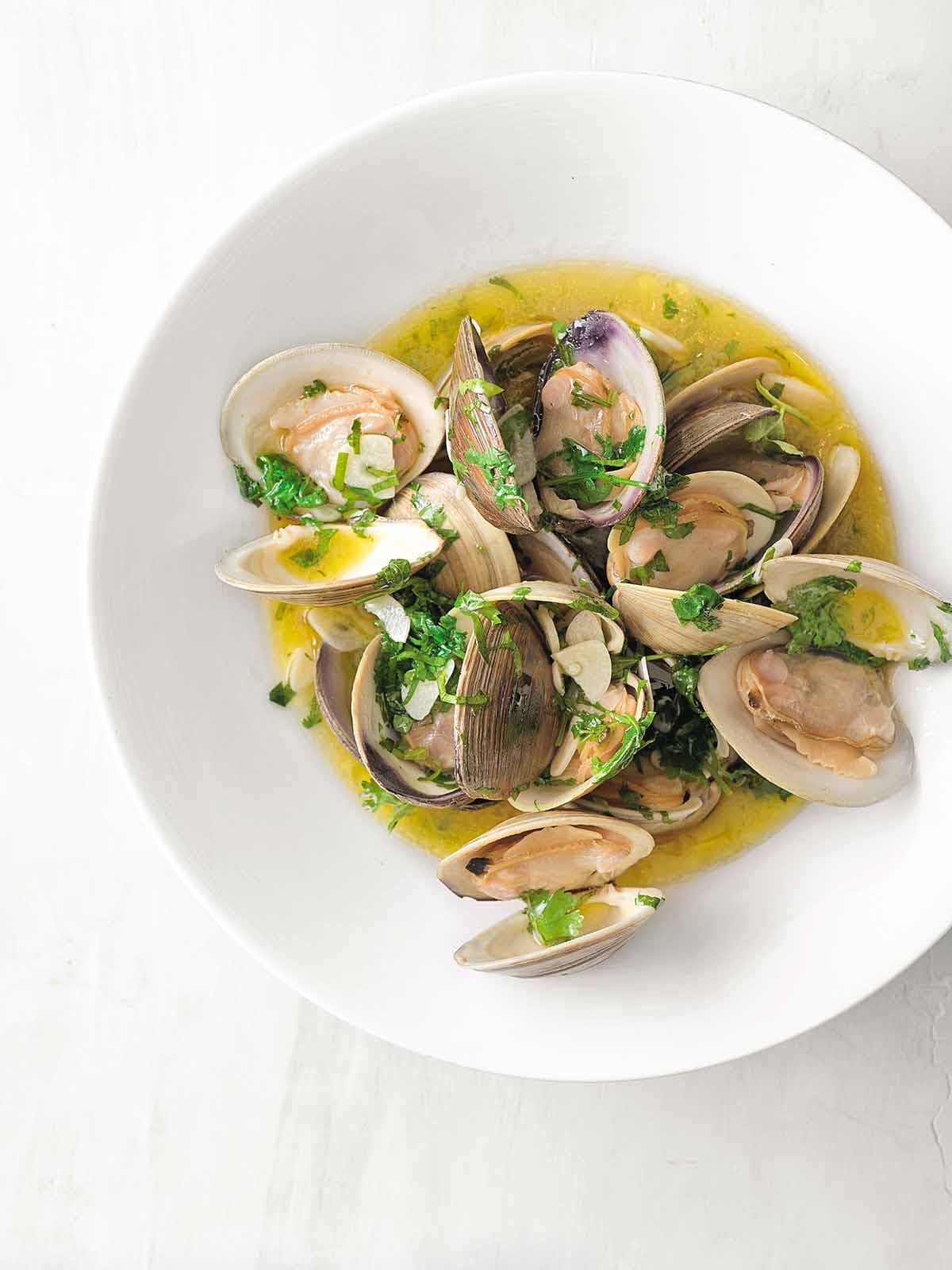
Amêijoa à Bulhão Pato
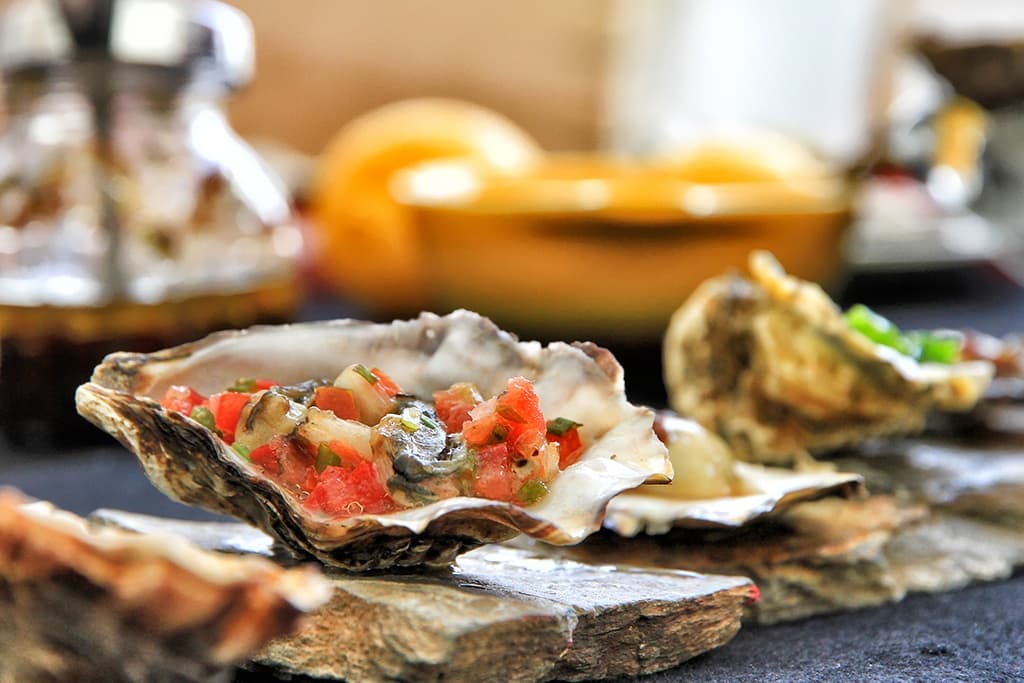
Clams cooked in white wine, garlic, olive oil, and coriander — named after the 19th-century Portuguese poet Bulhão Pato.
LisbonSeafoodTraditional
dish
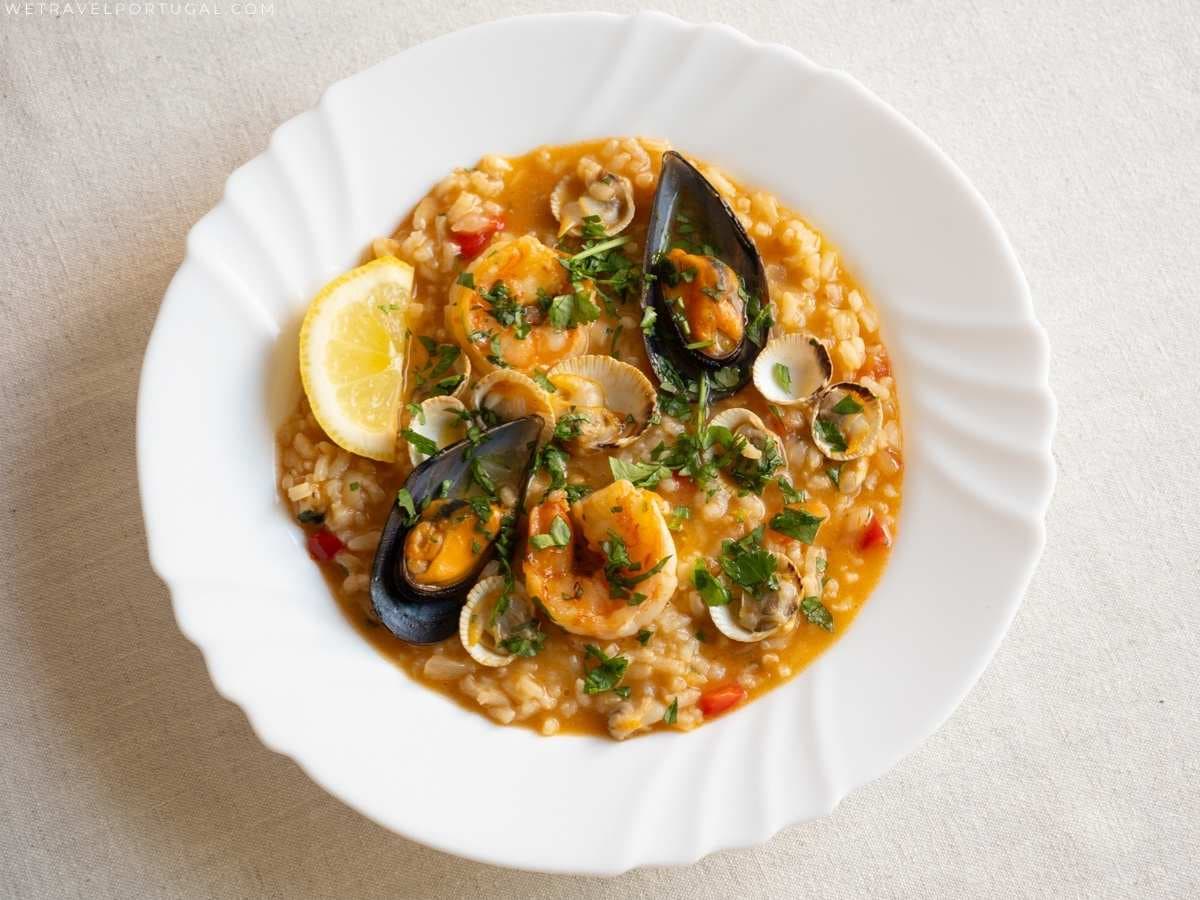
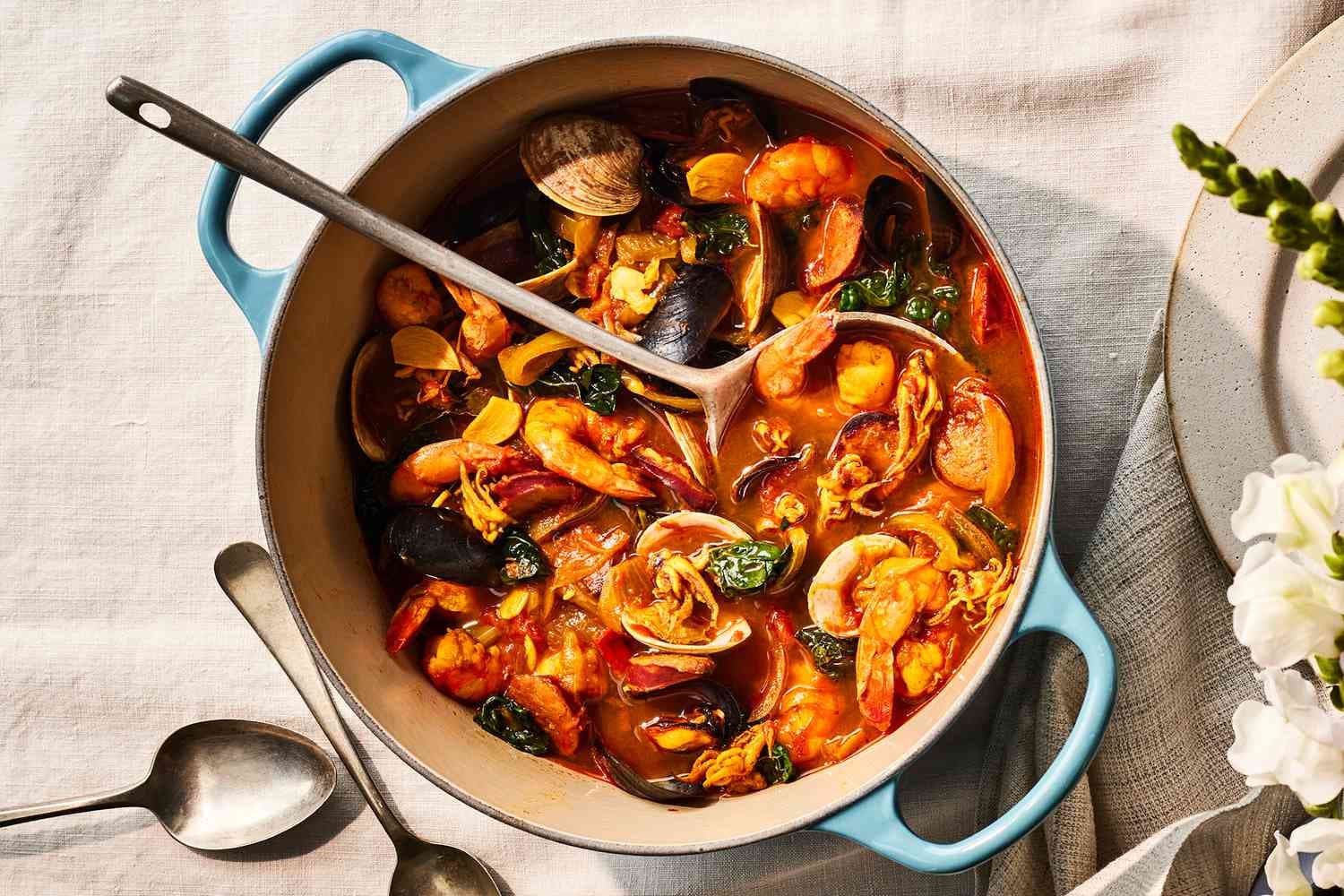
Arroz de Marisco
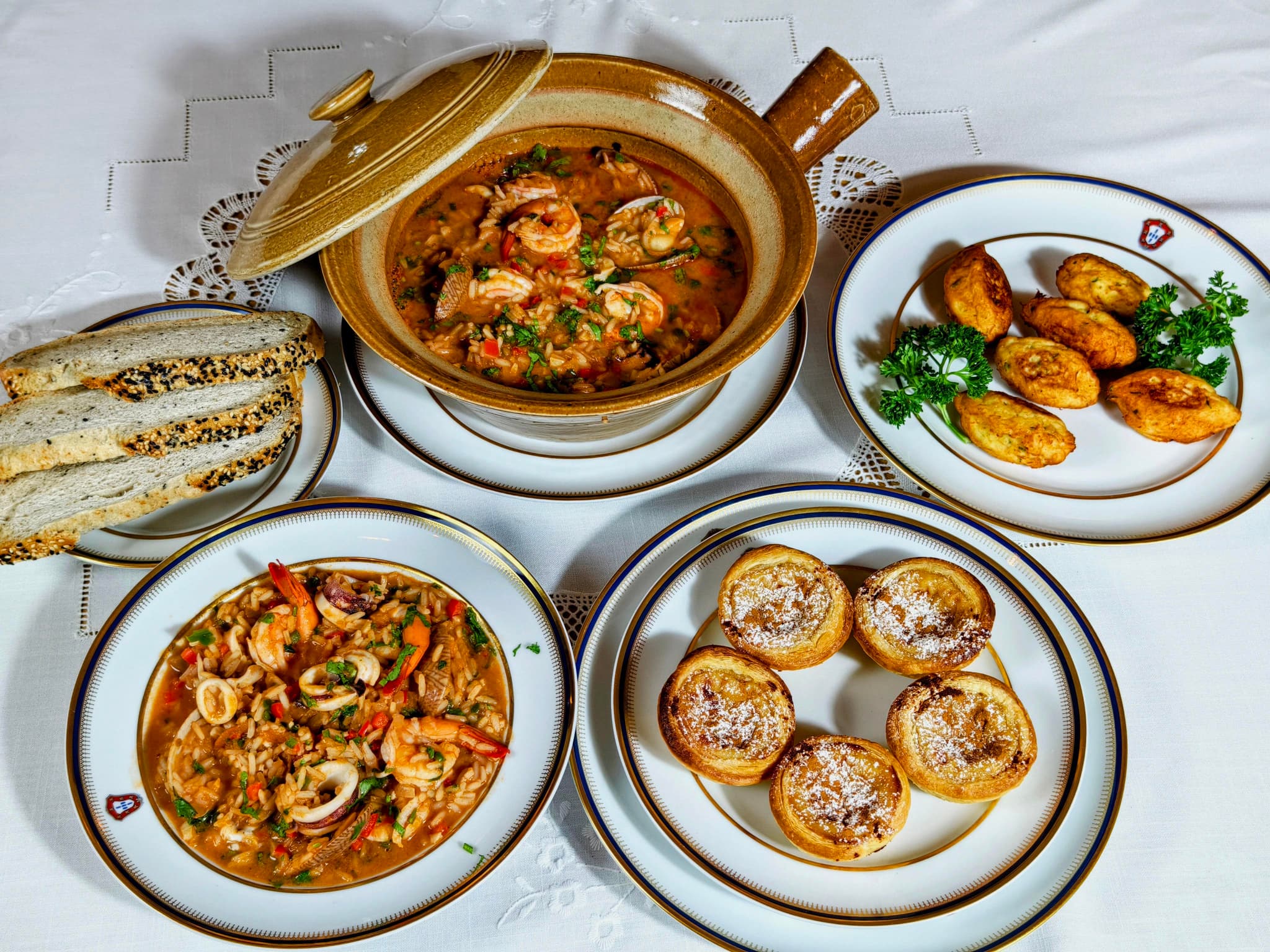
A rich, soupy rice dish loaded with shellfish, one of Portugal's most celebrated coastal dishes.
LisbonSeafoodRice
ingredient
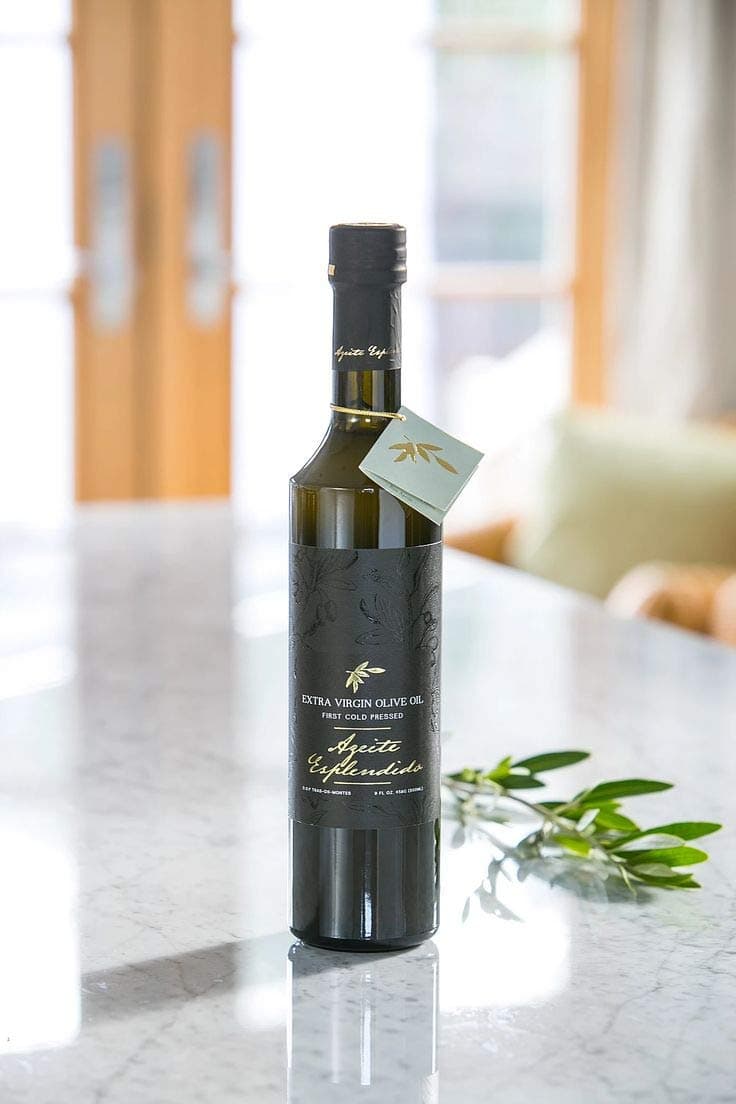
Azeite
Portugal is one of the world's largest olive oil producers, with the Alentejo region leading production of premium extra-virgin oils.
AlentejoOlive OilDOP
B6 entries
C7 entries
D5 entries

E6 entries
F6 entries
ingredient
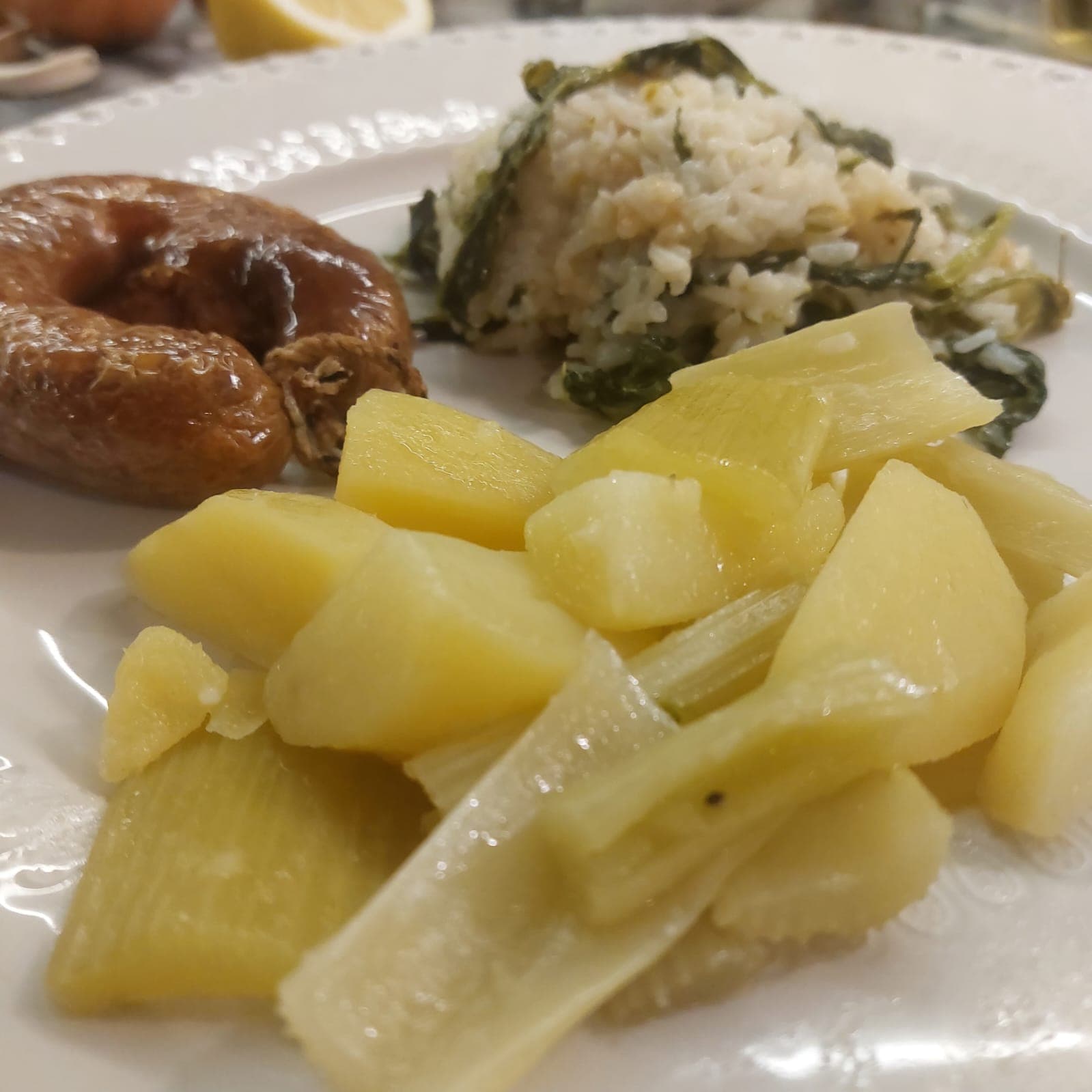
Farinheira
A unique Portuguese sausage made with flour, pork fat, and spices — another legacy of Jewish dietary adaptation during the Inquisition.
HistoryTraditionalCharcuterie
dish
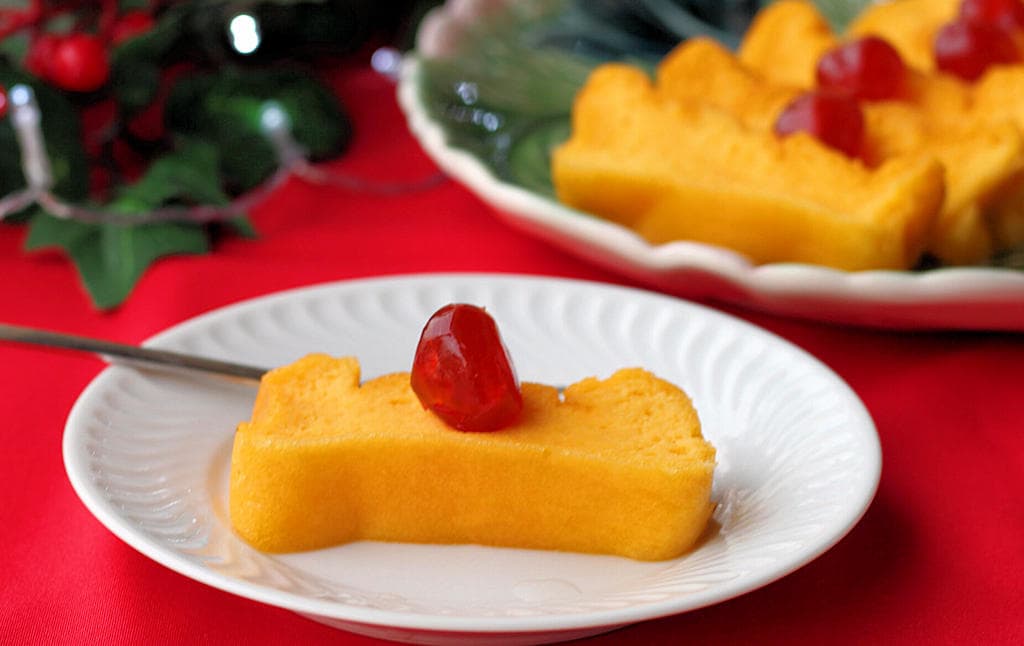
Fatias de Tomar
Rich egg yolk slices from the convent city of Tomar, soaked in sugar syrup — a jewel of conventual pastry.
BeirasSweetsConventual
G5 entries

tradition
Galo de Barcelos
The legendary painted rooster of Barcelos — Portugal's most recognisable cultural symbol, rooted in a gastronomy miracle.
HistoryCultureMinho
term
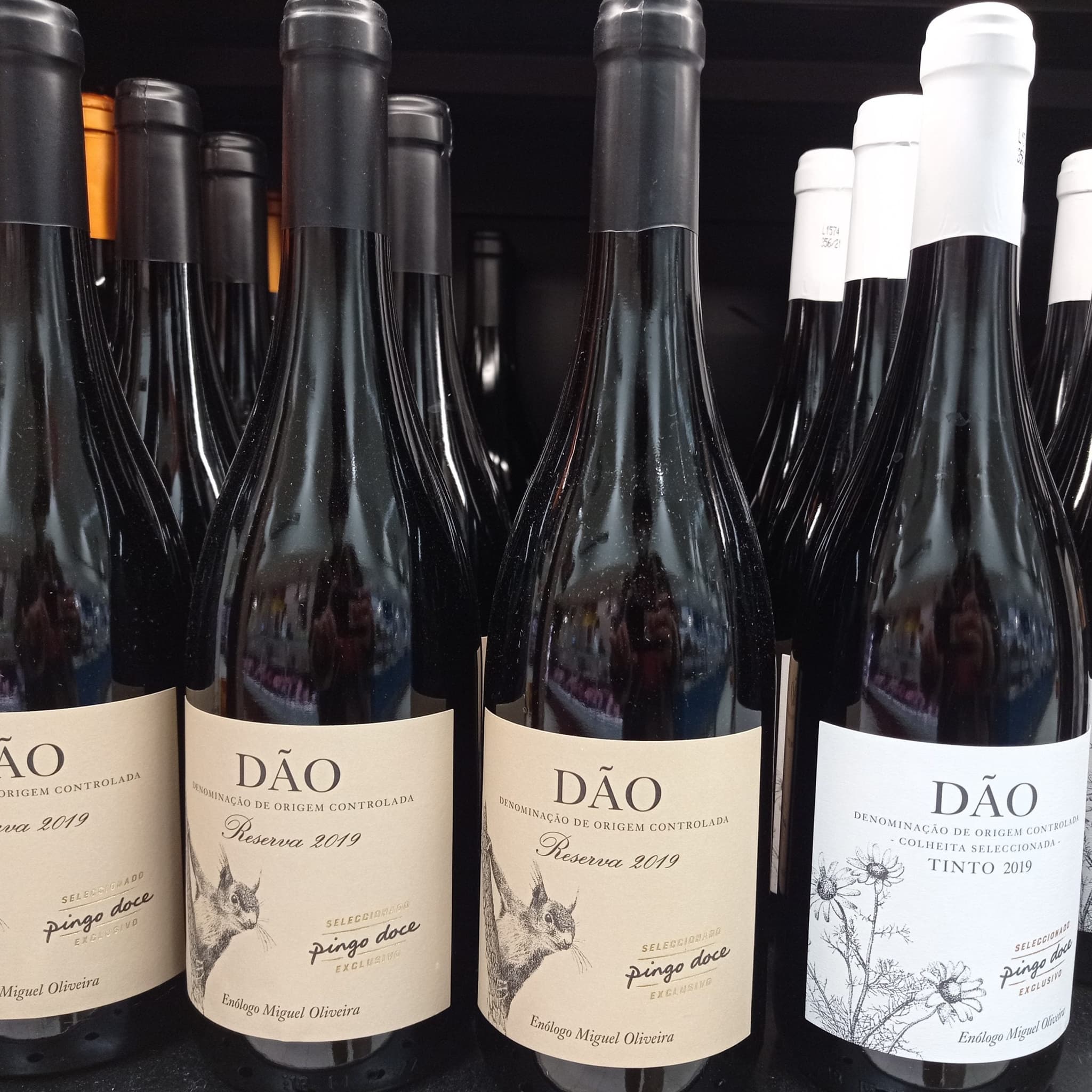
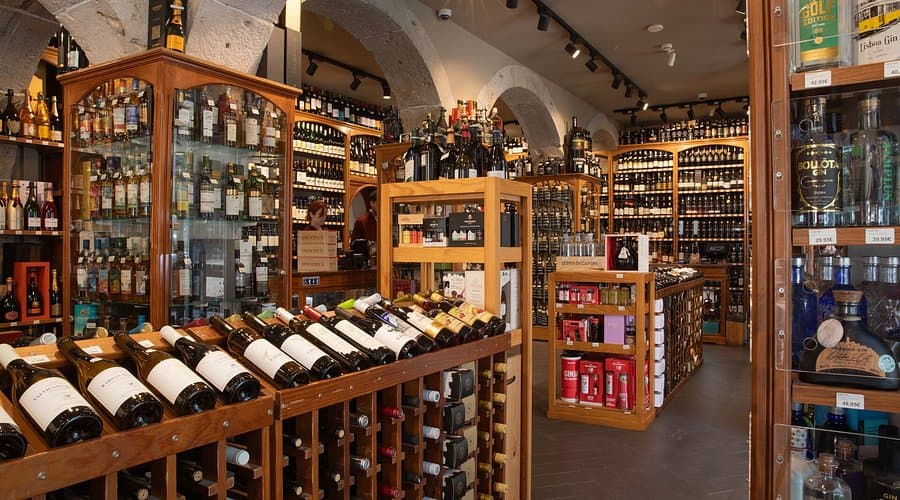
Garrafeira
A Portuguese wine quality designation for exceptional vintages, and the name for traditional wine shops.
CultureWineQuality
H3 entries
term
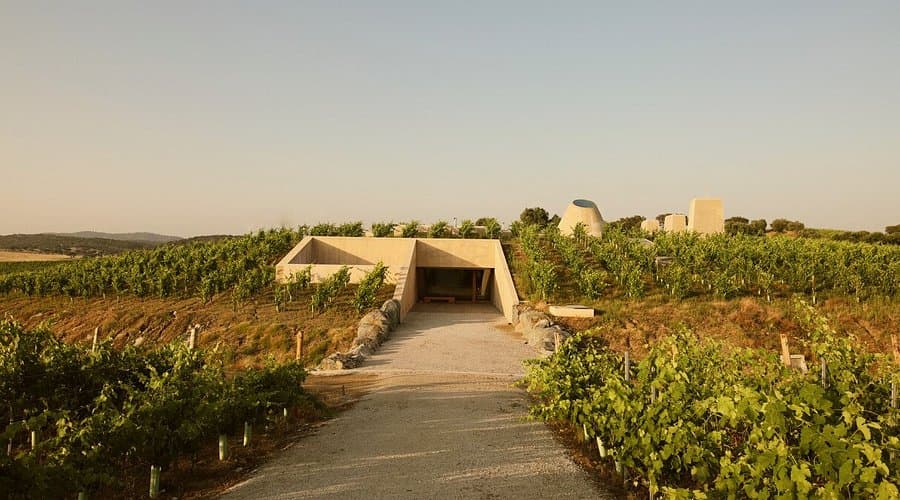
Herdade
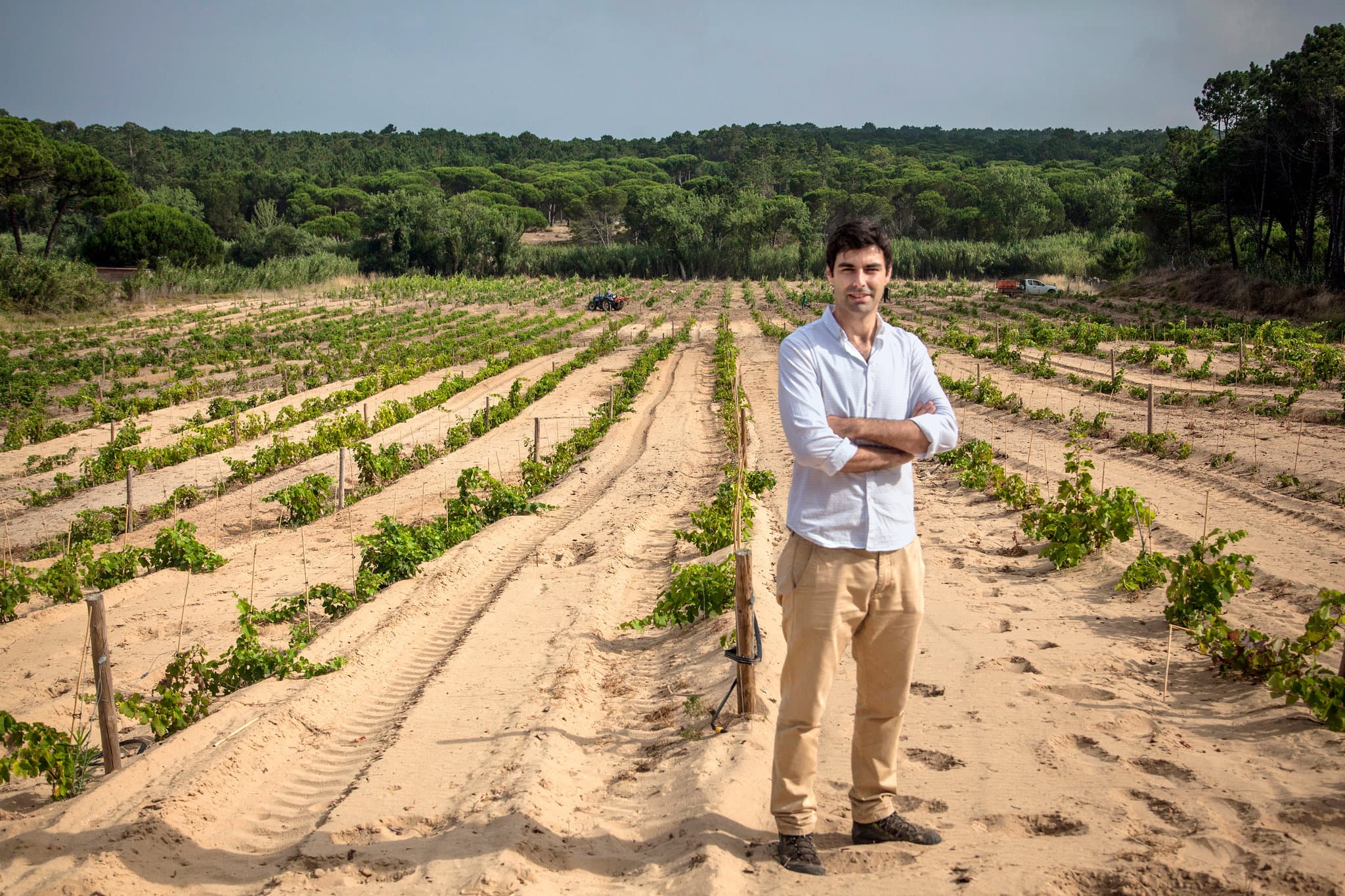
A herdade is a large agricultural estate typical of the Alentejo region, often spanning hundreds or thousands of hectares.
AlentejoCultureAgriculture
term
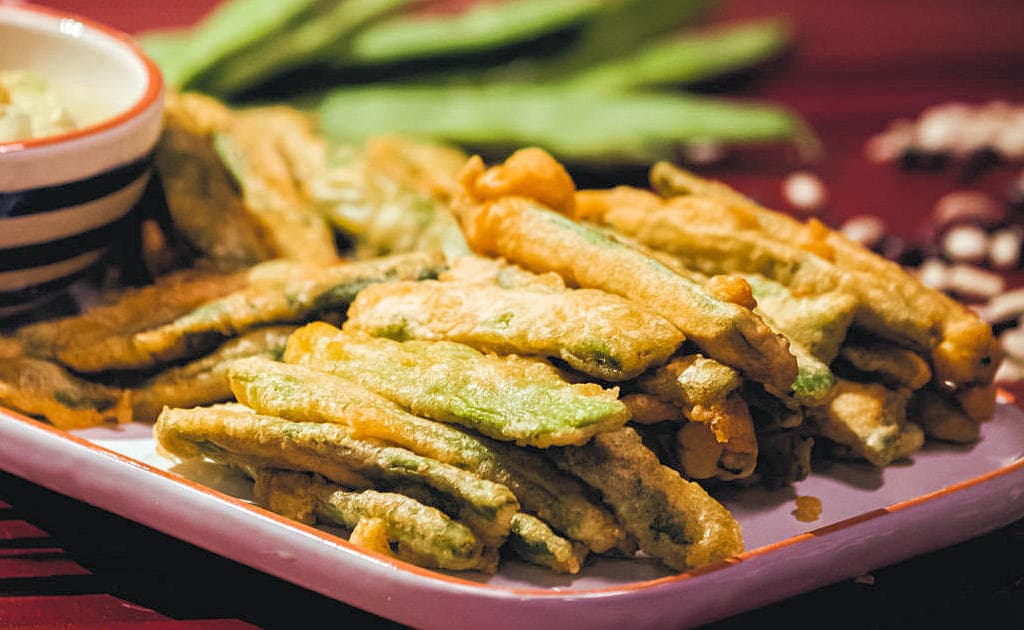
Horta
The horta is the traditional Portuguese kitchen garden, supplying households with fresh vegetables, herbs, and fruit year-round.
TraditionalCultureAgriculture
I6 entries

term
IGP
IGP (Indicação Geográfica Protegida) is the Portuguese designation for Protected Geographical Indication, certifying regional food products.
CultureQualityCertification

term
Imperial
Imperial is the Lisbon term for a small glass of draft beer, one of the most distinctive regional vocabulary differences in Portuguese daily life.
LisbonCultureBeverages

J5 entries
K4 entries

term
Kit de Conservas
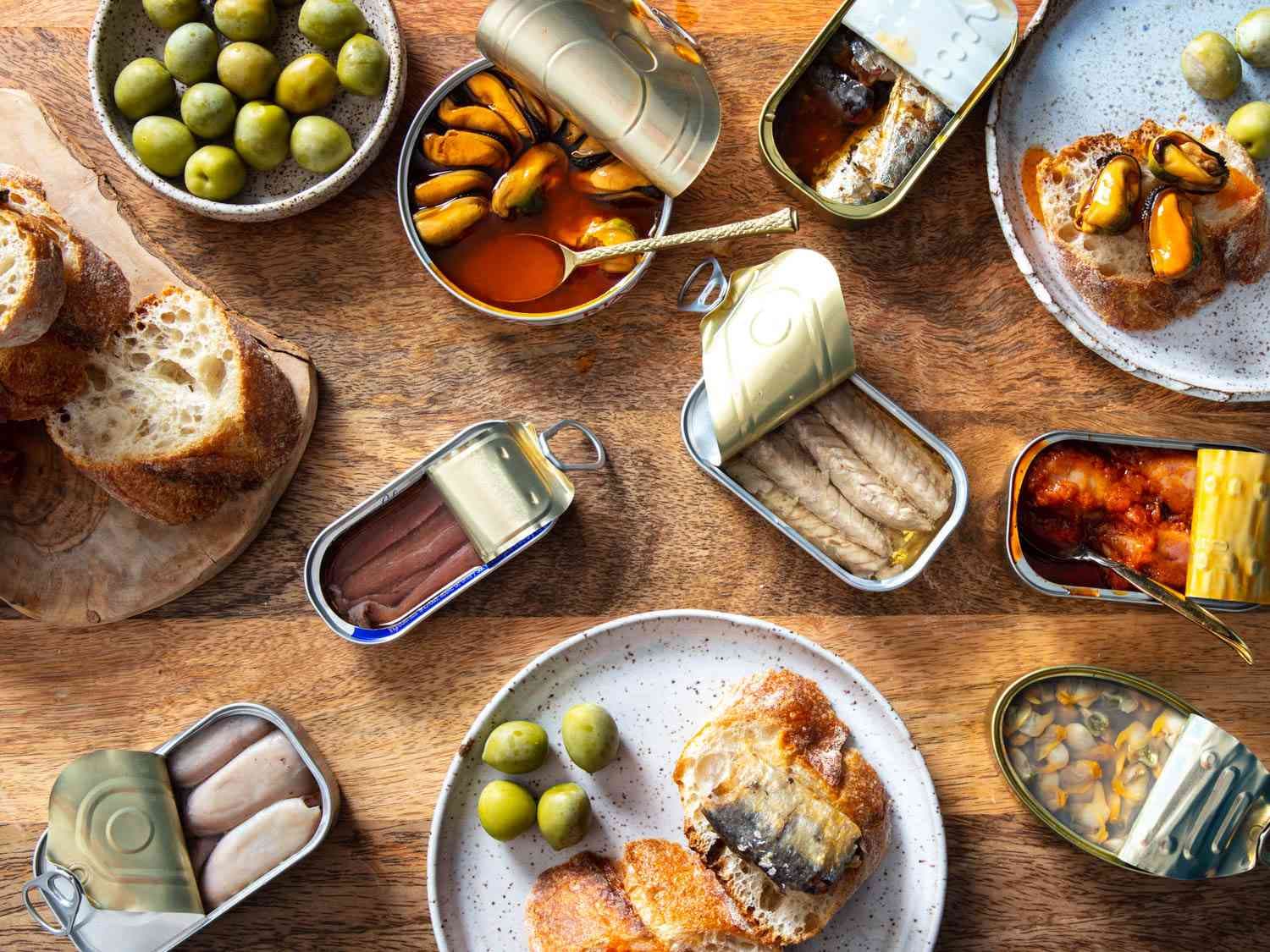
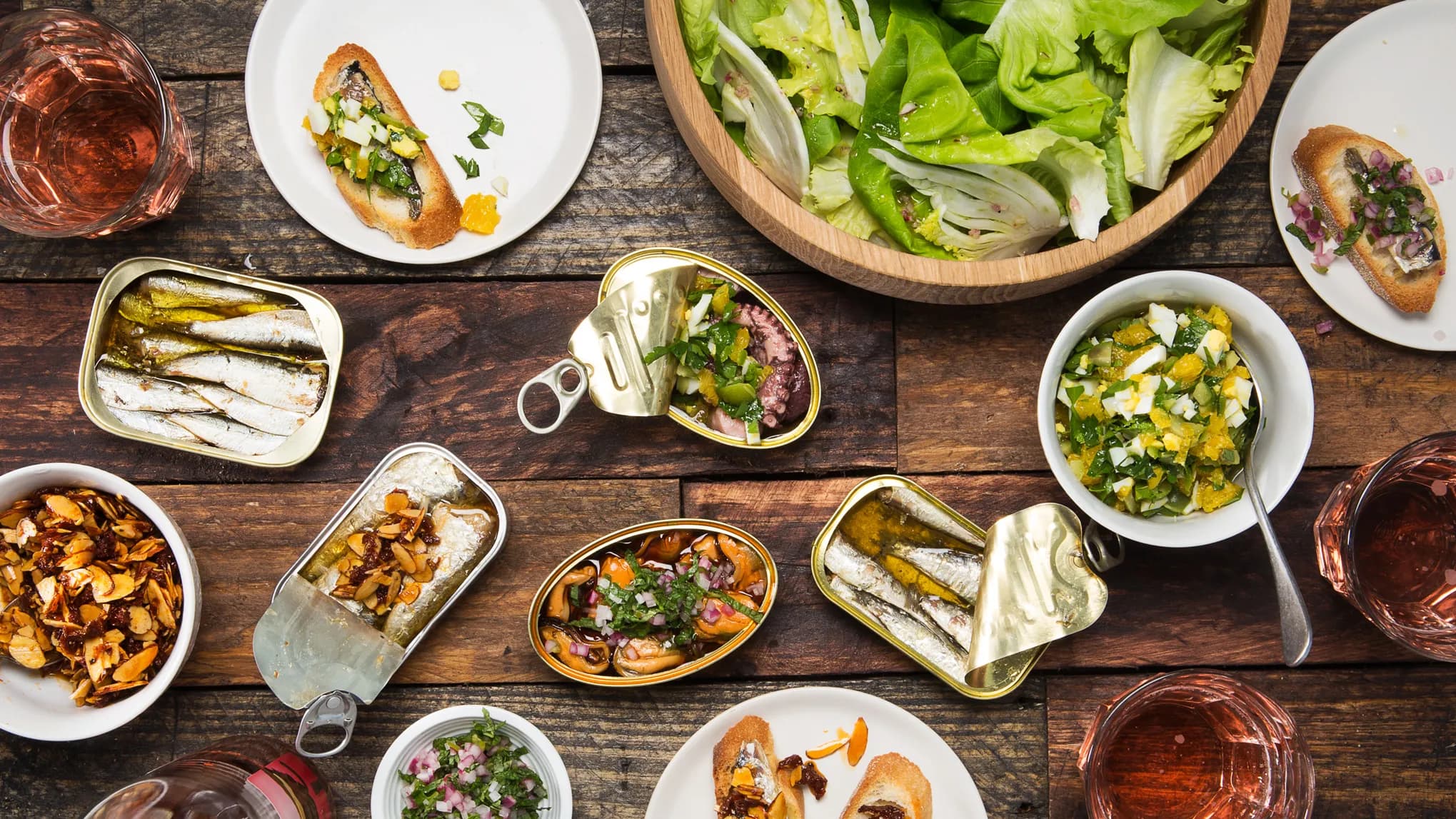
A curated gift box of Portuguese canned fish, showcasing the country's centuries-old tinned seafood tradition.
SeafoodCultureConservas

ingredient
Kiwi Português
Portugal is one of Europe's largest kiwi producers, with the Minho region providing ideal growing conditions.
MinhoAgricultureFruit

L6 entries
M6 entries
dish
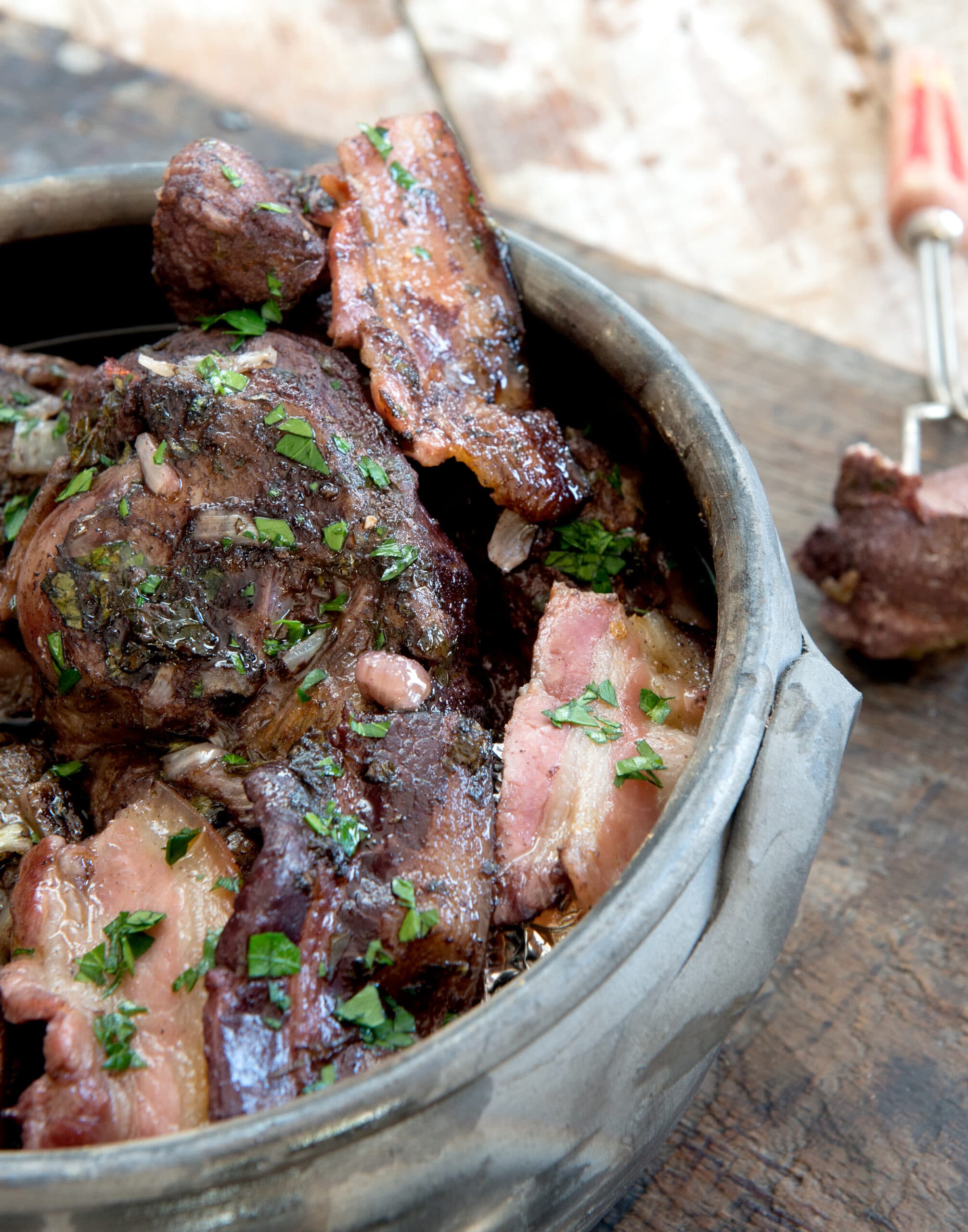
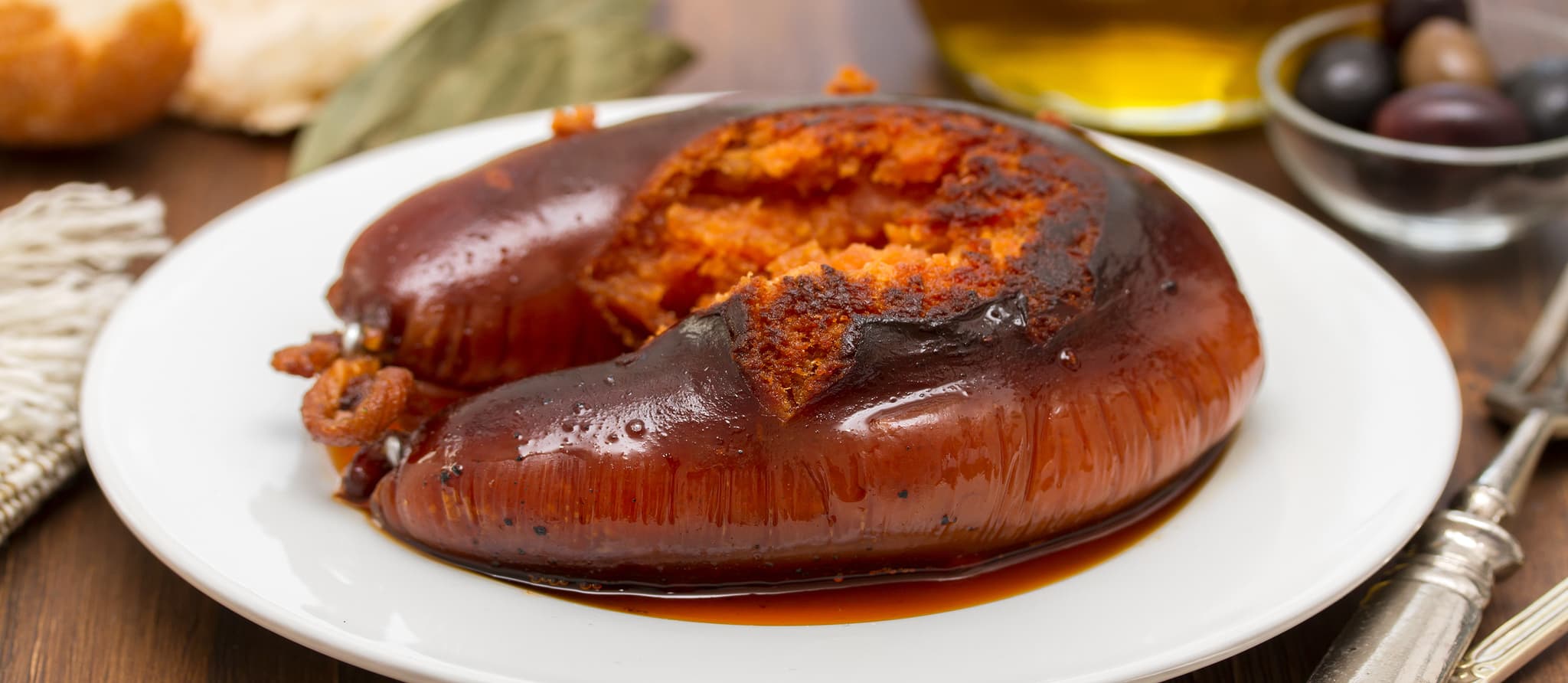
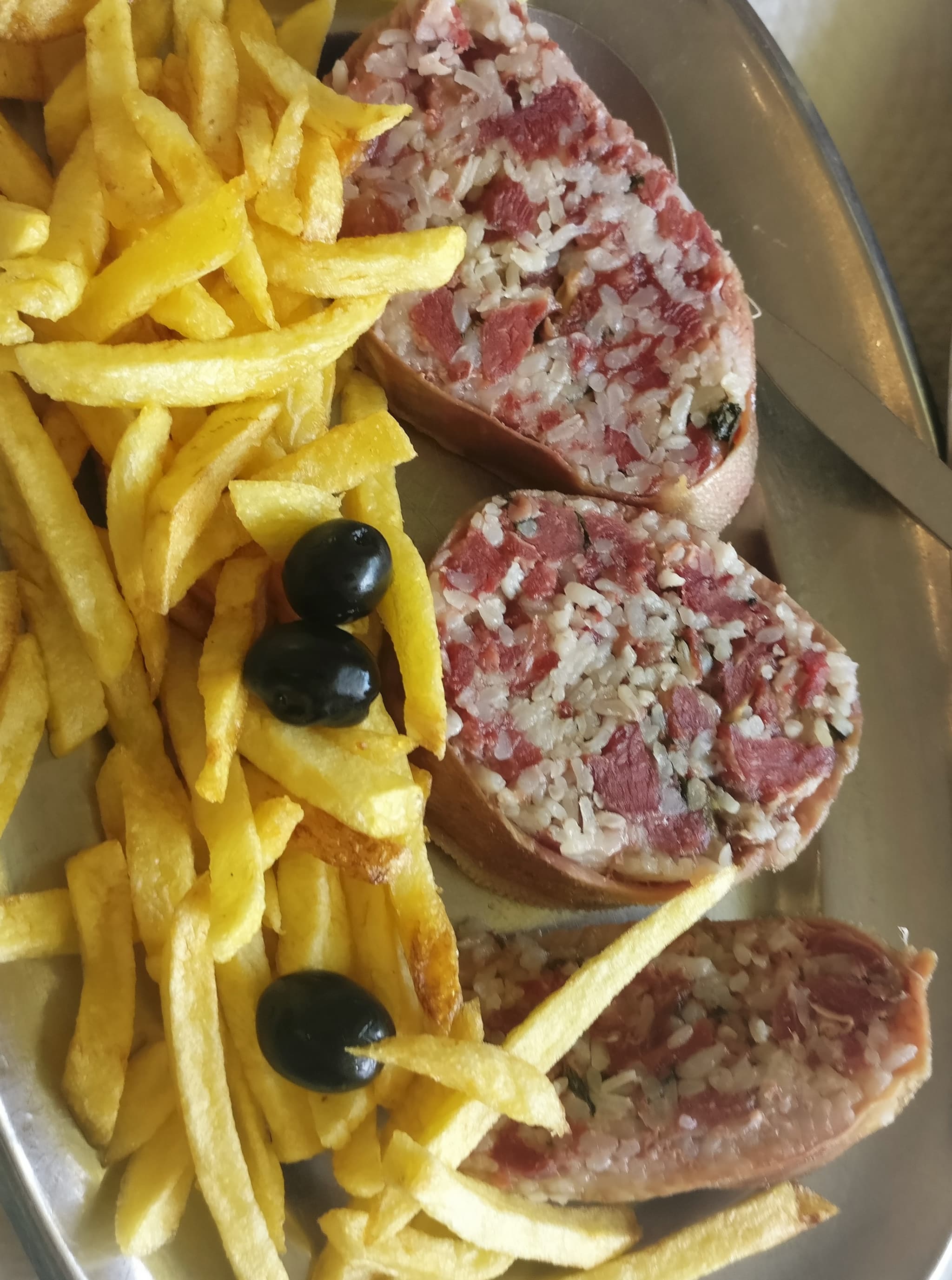
Maranho
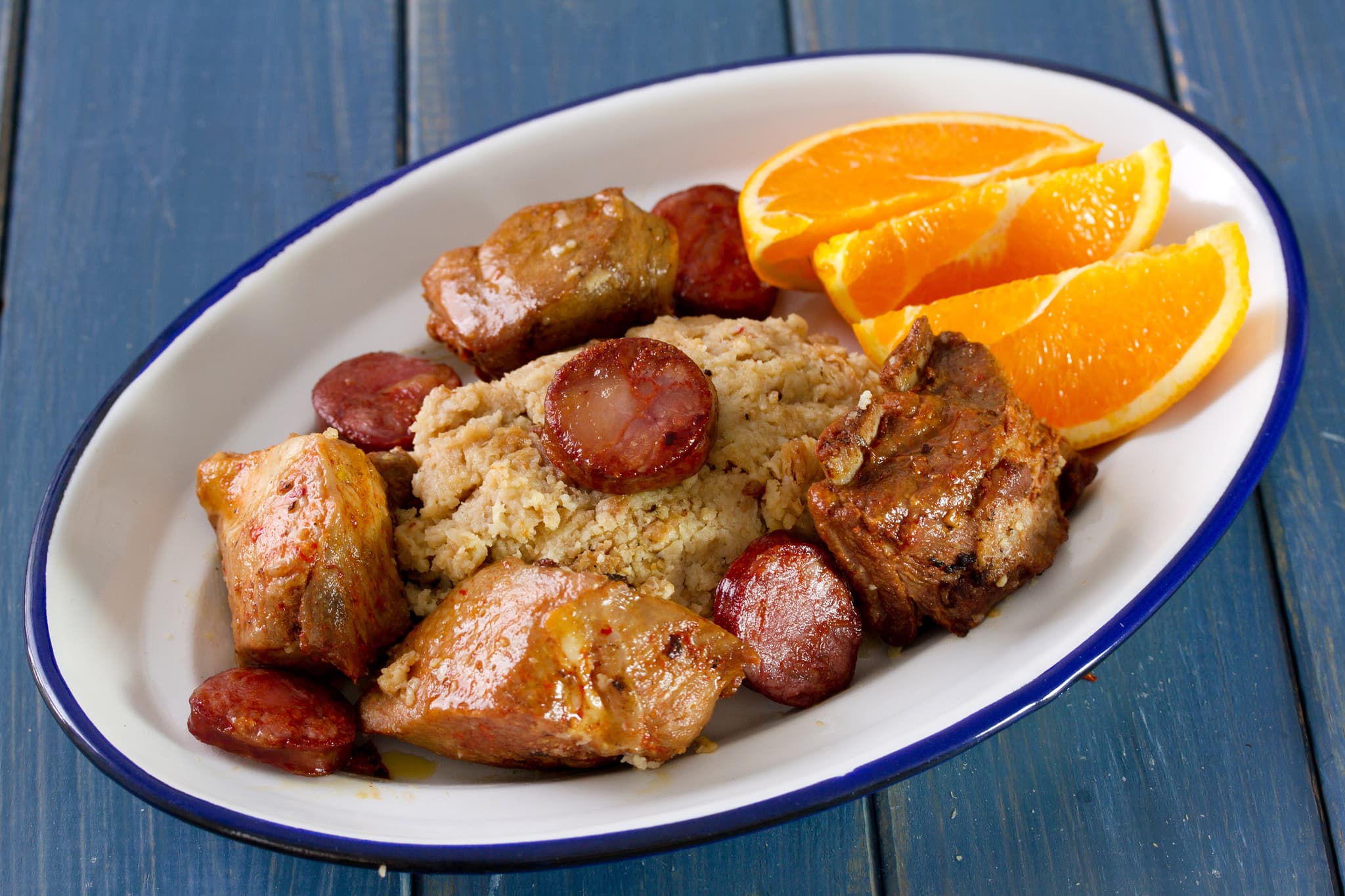
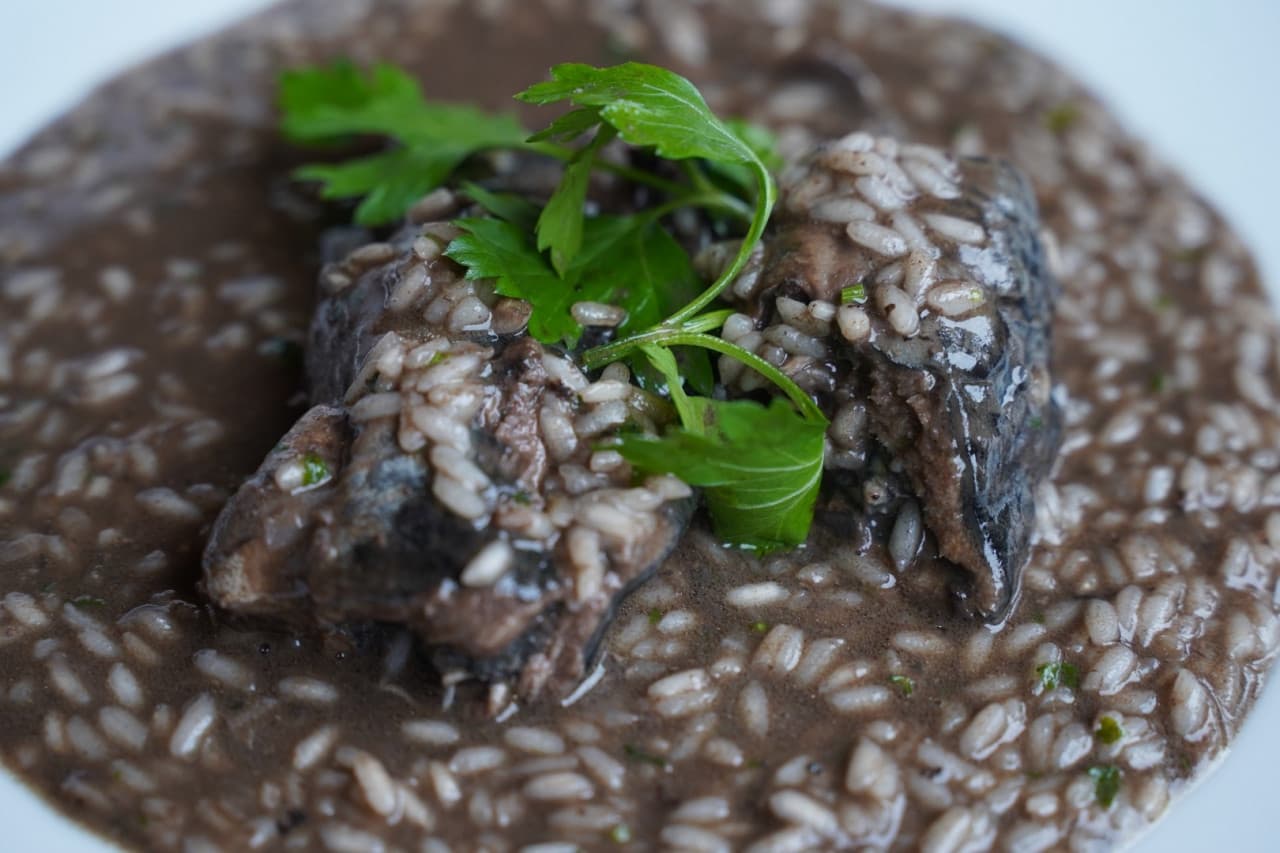
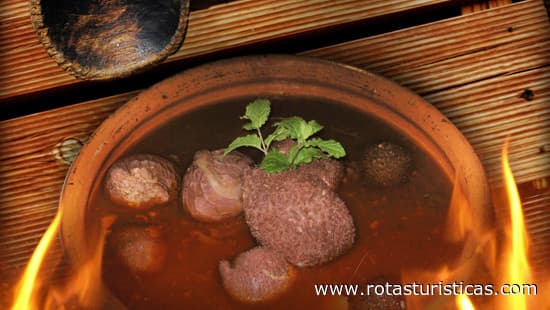
A traditional dish from the Beiras in which a goat's stomach is stuffed with kid meat, presunto, rice, and mint.
TraditionalBeirasGoat

tradition
Matança do Porco
The traditional communal pig slaughter, a centuries-old winter ritual that produces the cured meats central to Portuguese cuisine.
Trás-os-MontesCharcuteriePorkTraditions
N5 entries
O5 entries
P7 entries
Q6 entries
R6 entries
S6 entries
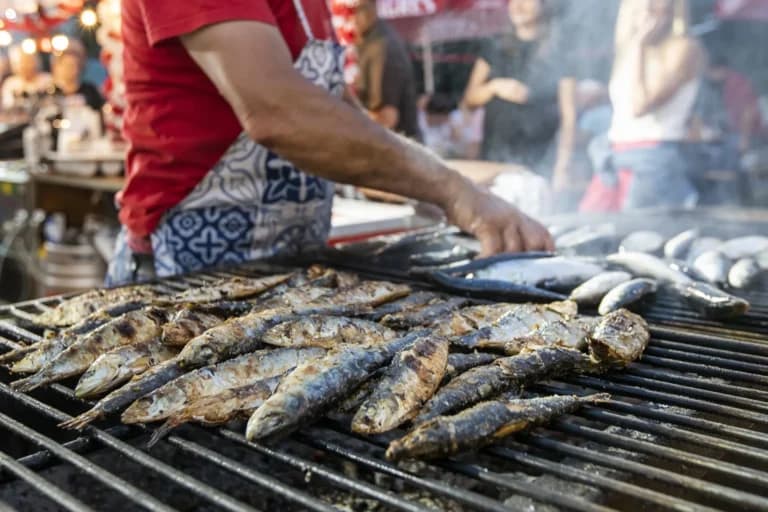
T7 entries
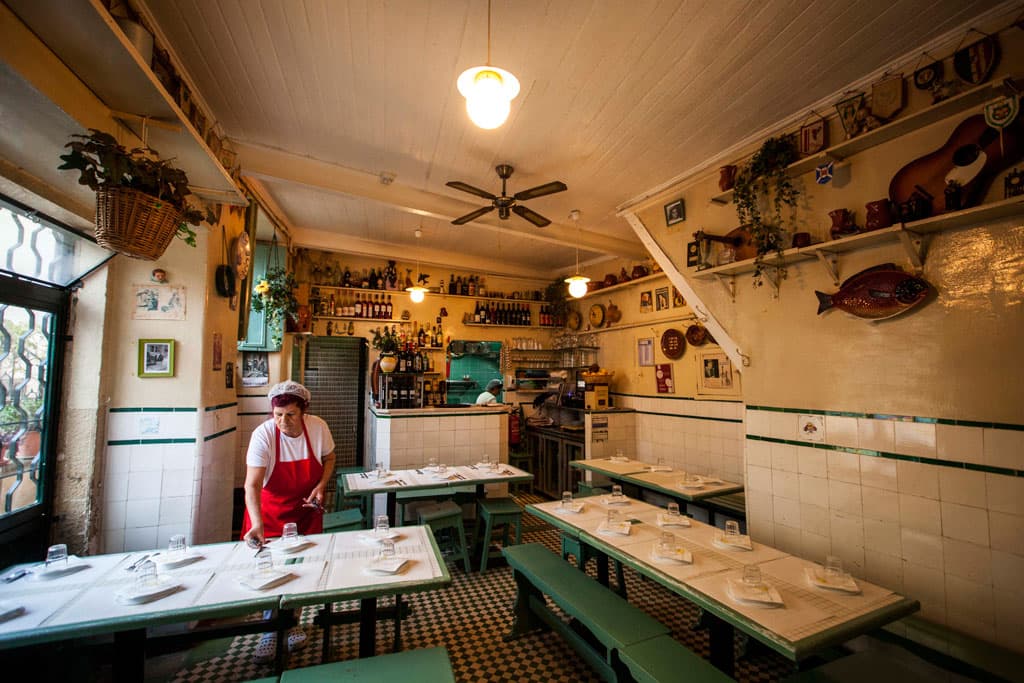
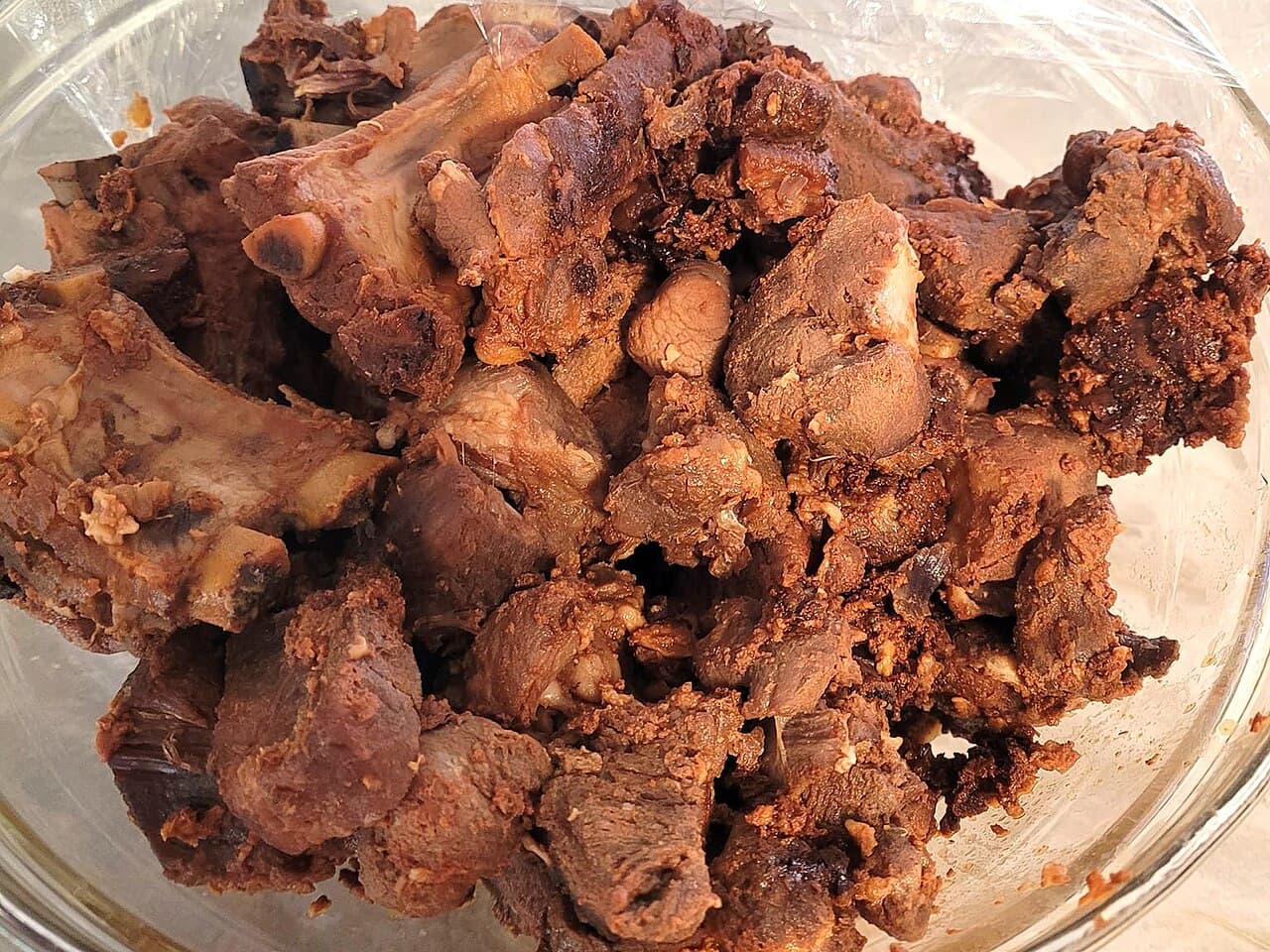
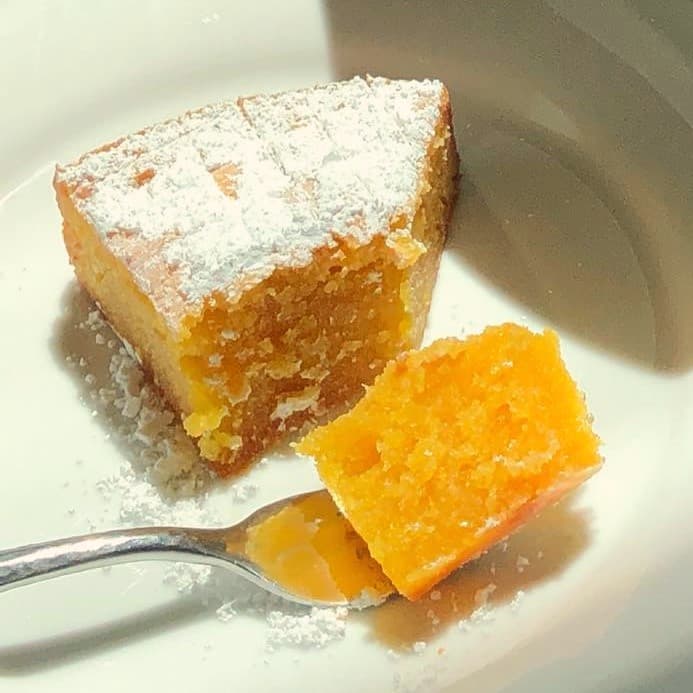
U4 entries
ingredient
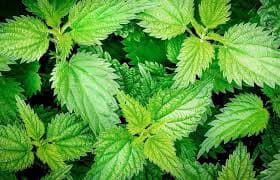
Urtiga
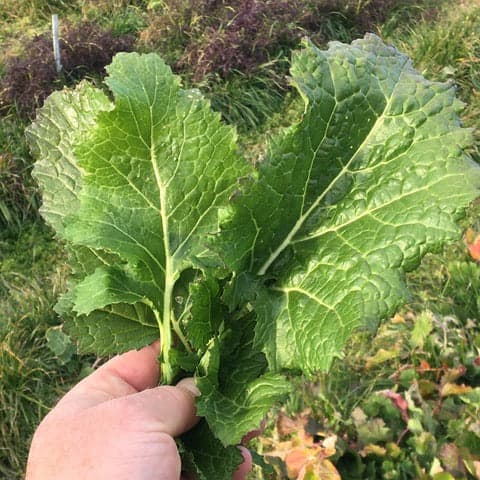
A wild plant used in traditional Portuguese cooking for soups, infusions, and artisanal cheese production.
TraditionalWild Plants
term
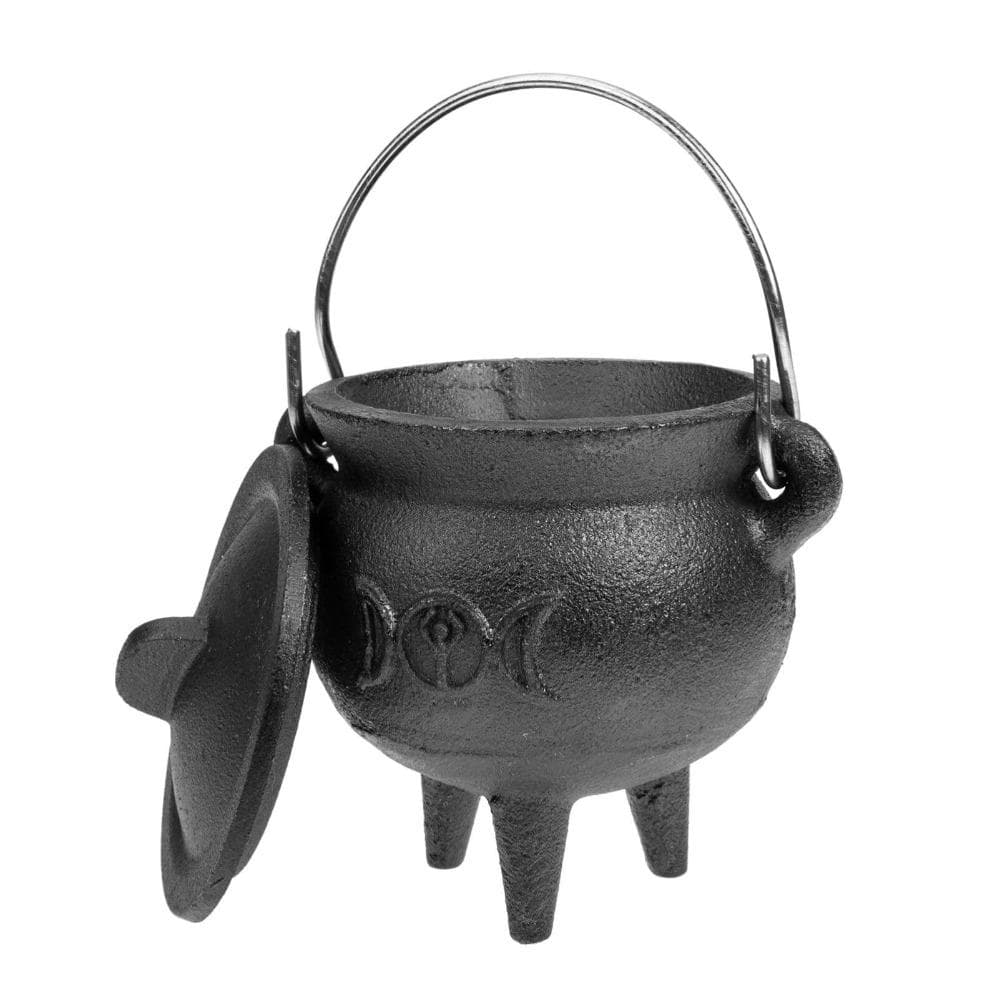
Utensílios Tradicionais
Portuguese traditional cooking utensils reflect centuries of culinary wisdom, from the Algarve cataplana to the Trás-os-Montes copper pot.
CultureTraditions
V5 entries
W5 entries
X4 entries

Y3 entries
Z5 entries
term
Zambujeira
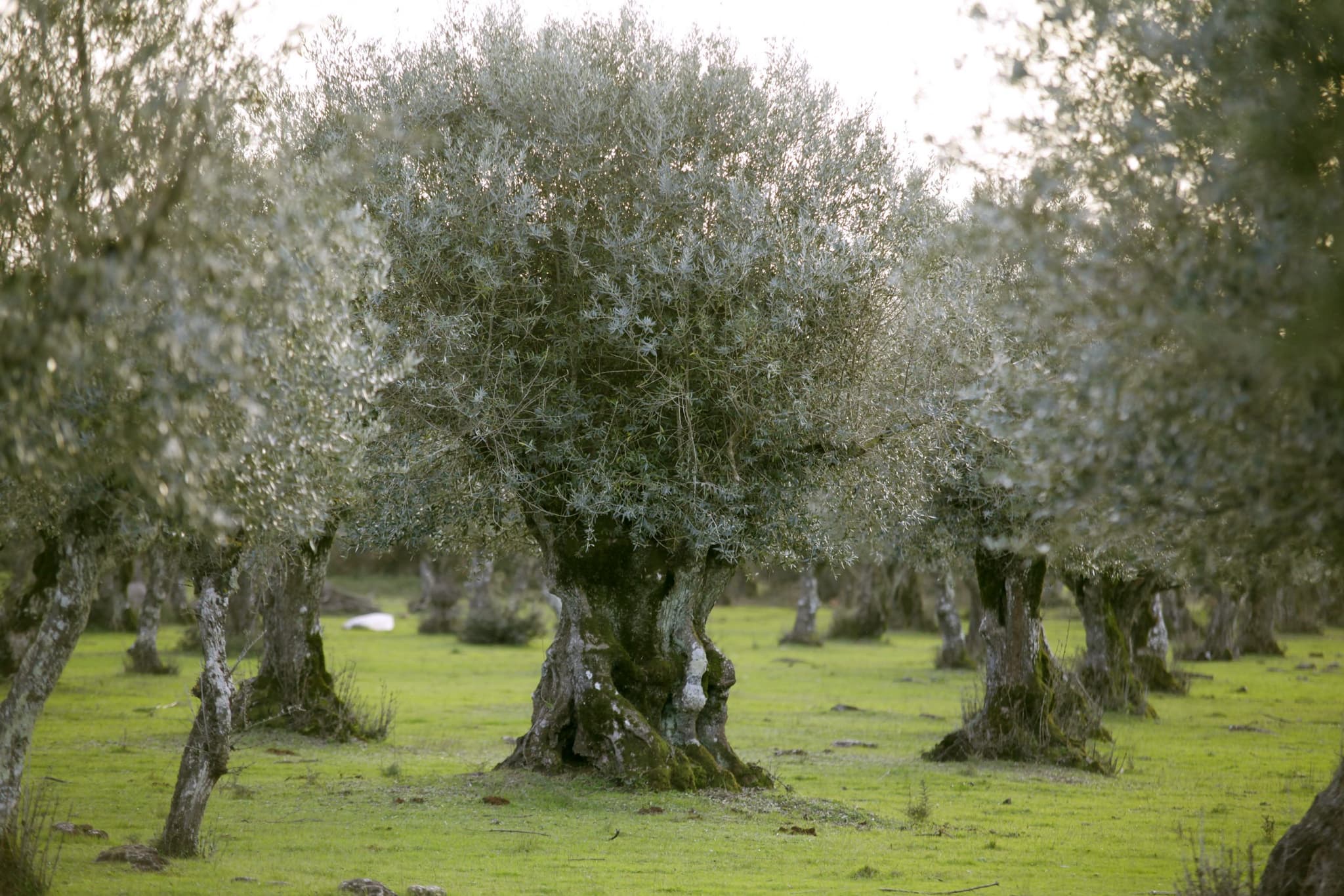
The wild olive tree of the Alentejo, ancestor of cultivated varieties, whose small fruits produce an intense and rare oil.
Olive OilWild Plants
ingredient
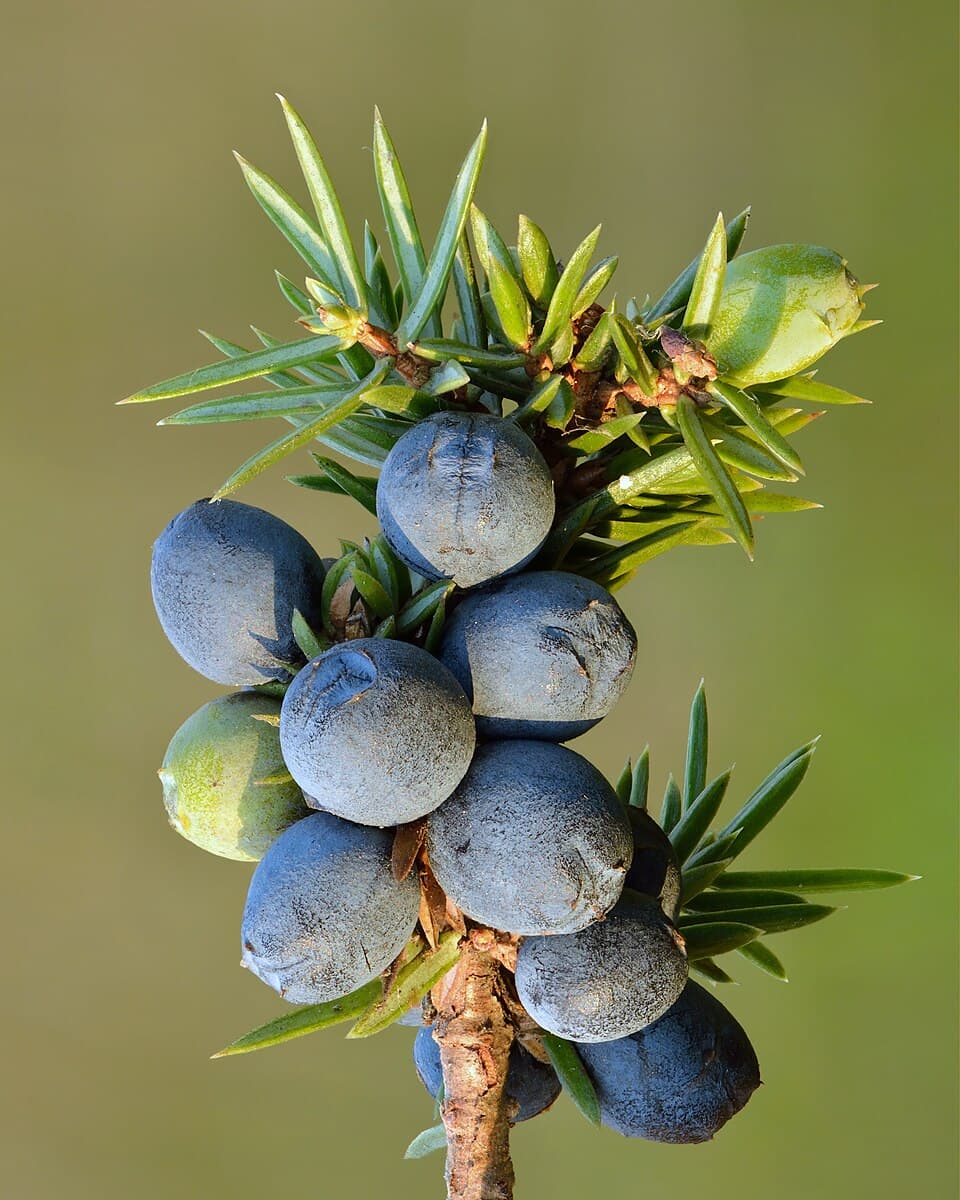
Zimbro
An aromatic berry harvested from the plateaus of Trás-os-Montes, used to season game, sausages, and spirits.
SpicesWild Plants
term