Explore the essential terms, ingredients, techniques, and traditions of Portuguese gastronomy.
tradition
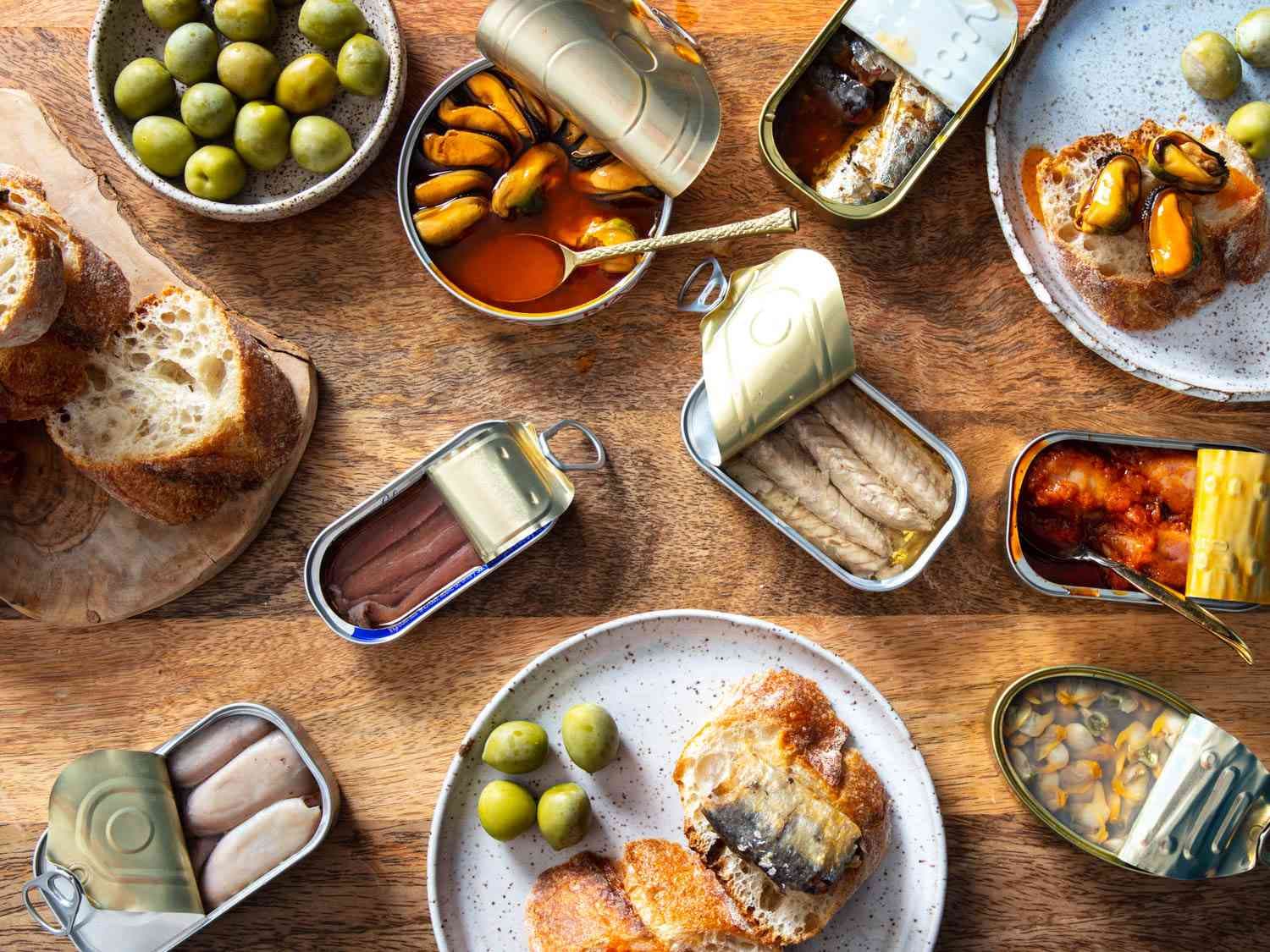
Portugal's century-old tradition of canning fish, now a gourmet industry with beautifully designed tins sold worldwide.
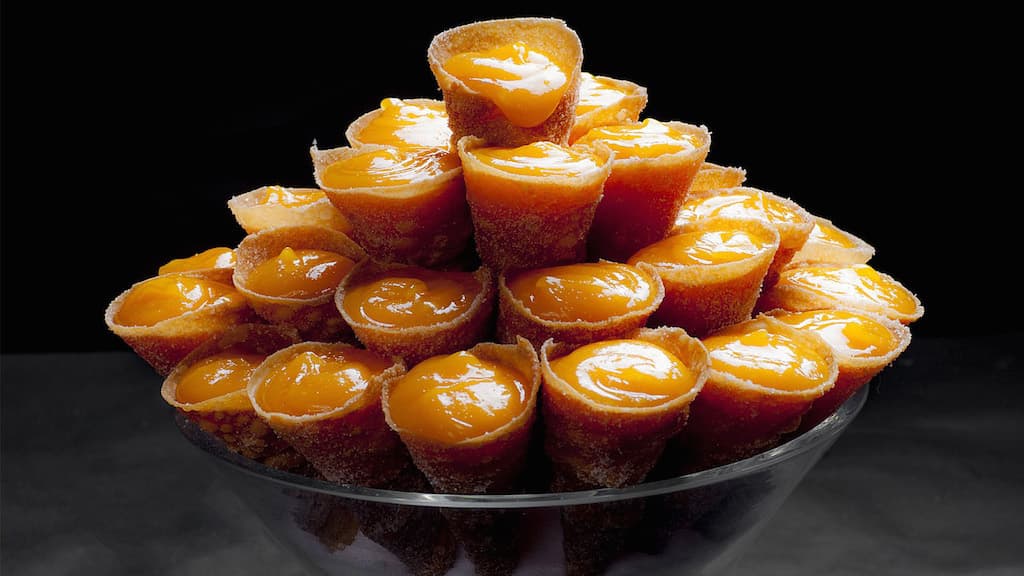
The egg-and-sugar-rich pastries created by nuns in Portuguese convents, a unique and celebrated pastry tradition.
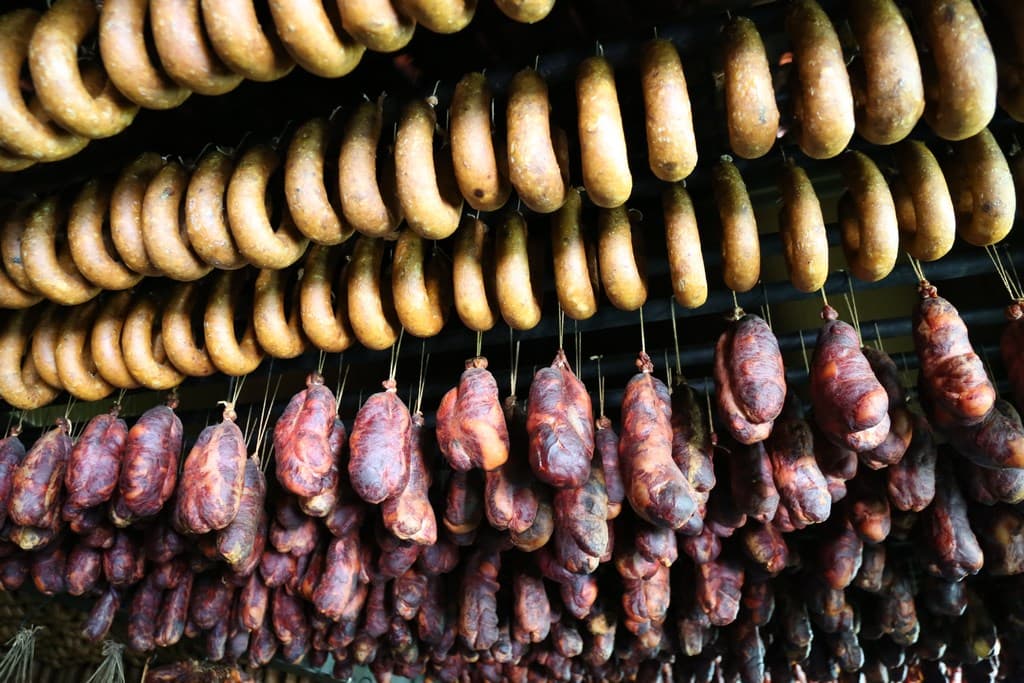
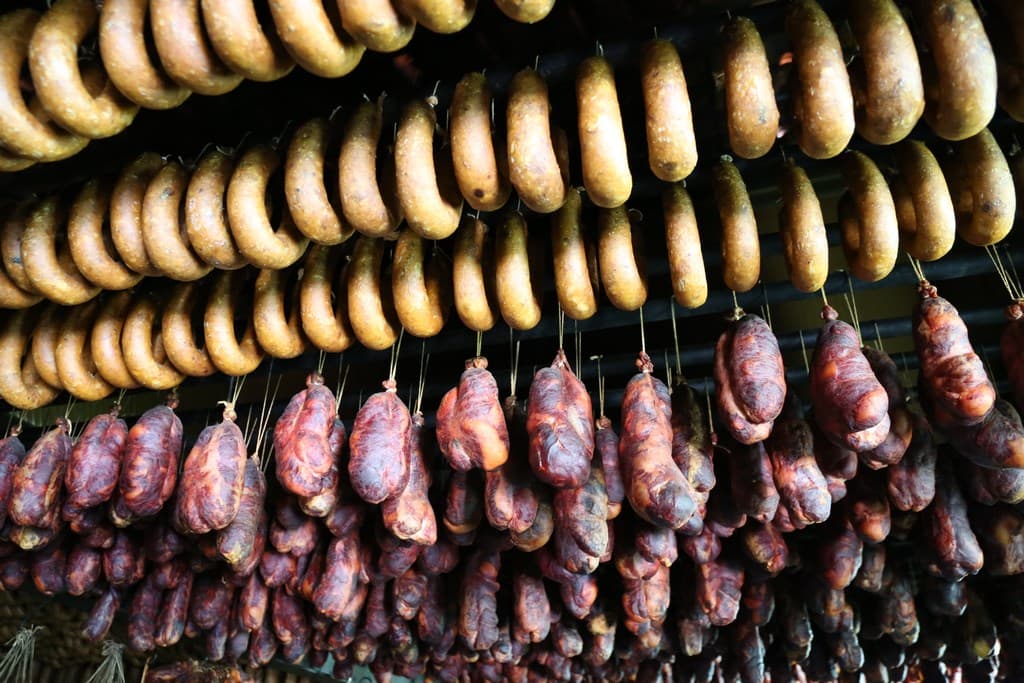
The tradition of smoking and curing meats in Trás-os-Montes, centred on the fumeiro — the home smoke chamber.
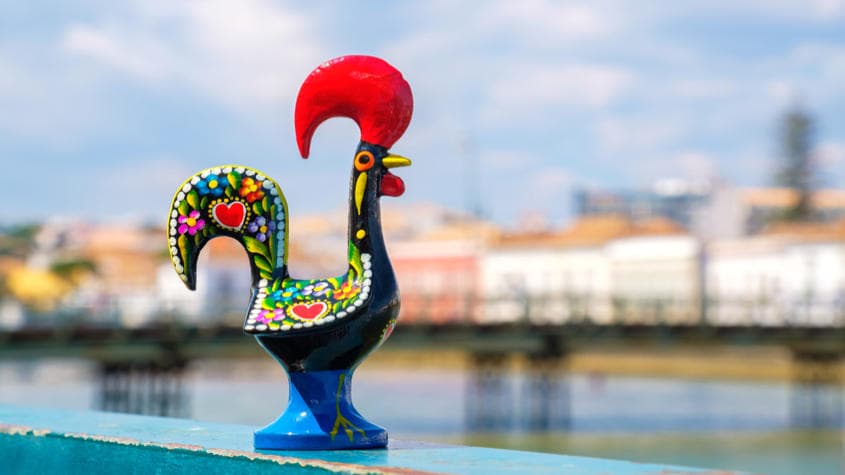
The legendary painted rooster of Barcelos — Portugal's most recognisable cultural symbol, rooted in a gastronomy miracle.
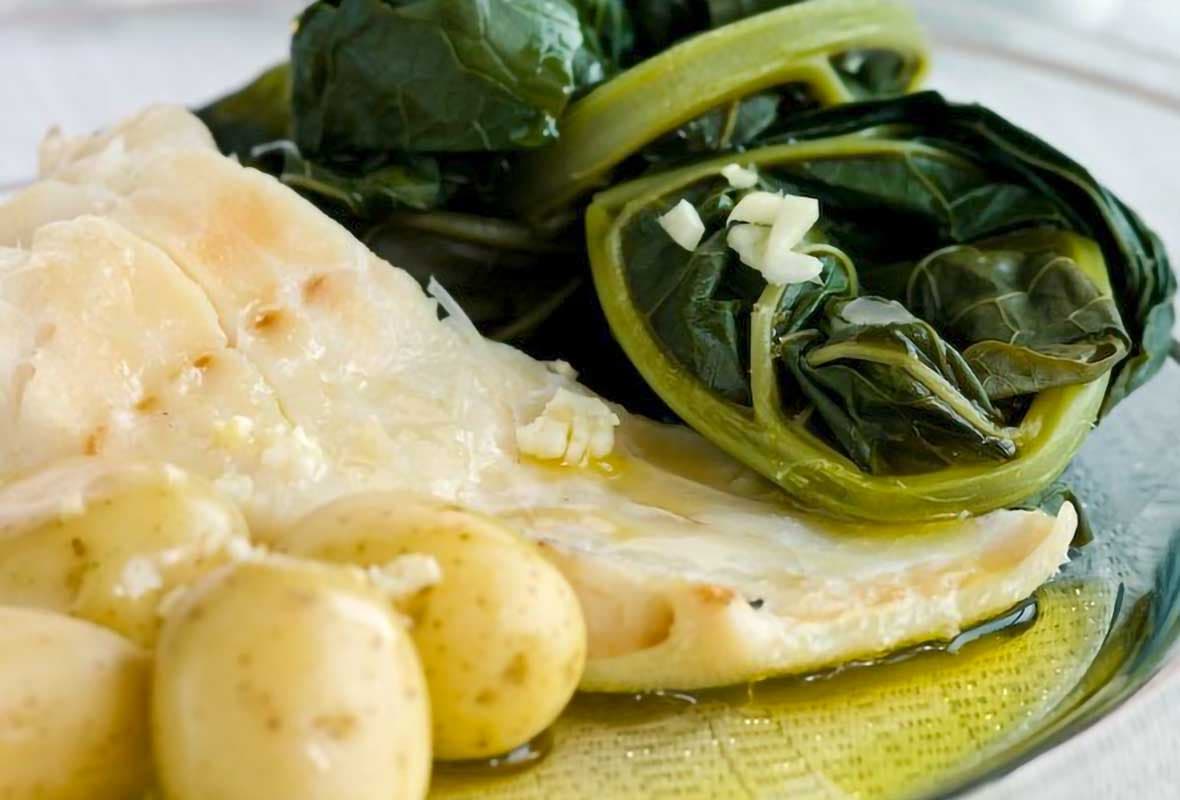
The traditional Portuguese Christmas Eve supper, centred on bacalhau cozido and an abundant table of sweets.
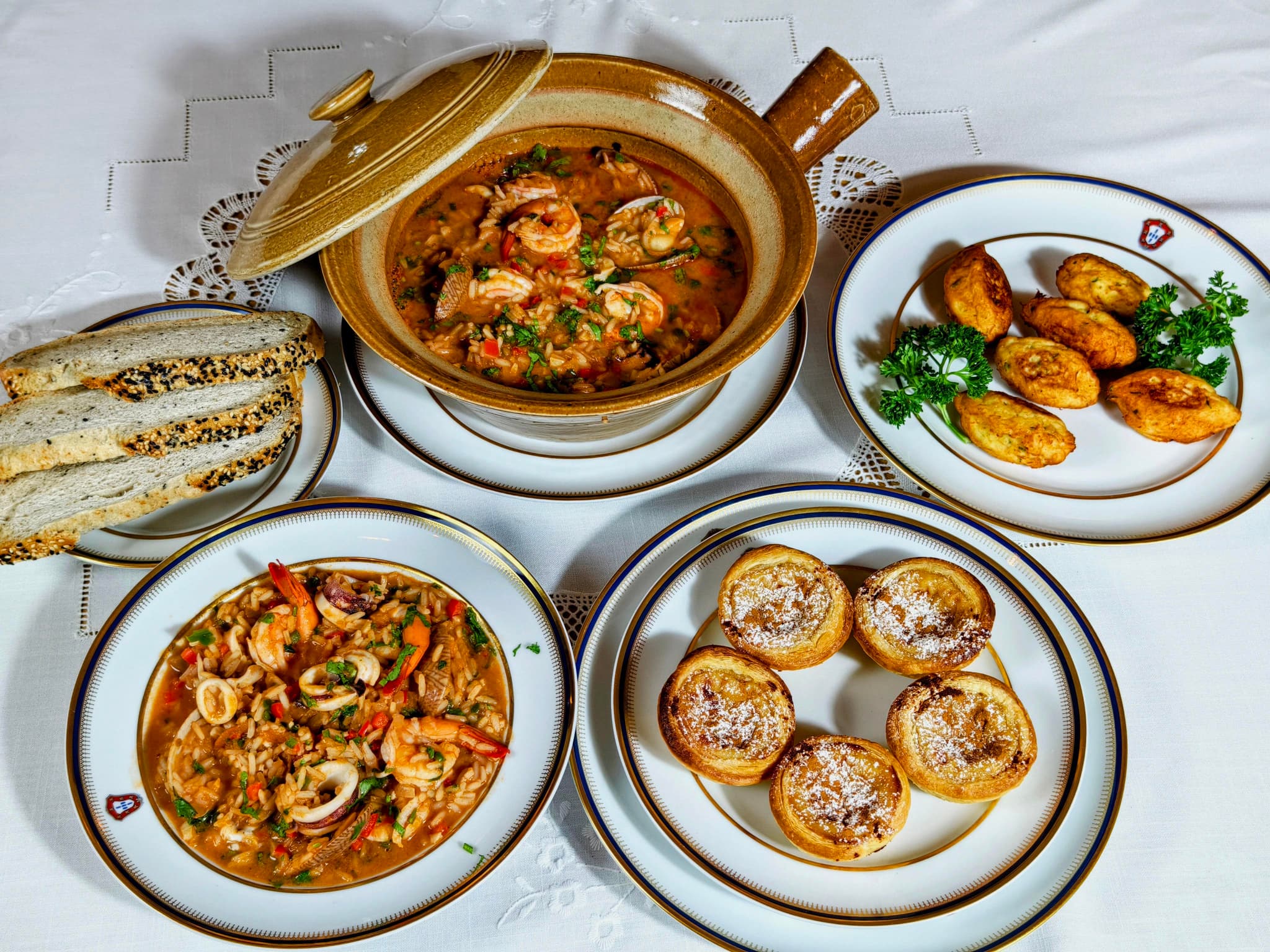
Traditional clay cooking vessels that shape the flavour and character of many iconic Portuguese dishes.
The traditional communal pig slaughter, a centuries-old winter ritual that produces the cured meats central to Portuguese cuisine.
A traditional stone or clay vessel used to store grain, olive oil, and provisions in rural Beiras households.
A traditional garland of smoked sausages hung in the kitchen rafters of Trás-os-Montes homes.
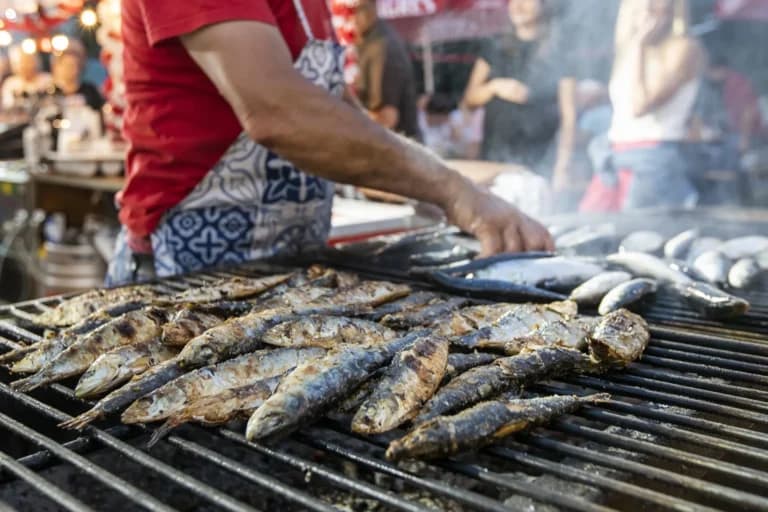
The June festivals honouring Saints Anthony, John, and Peter, marked by grilled sardines, music, and street celebrations.
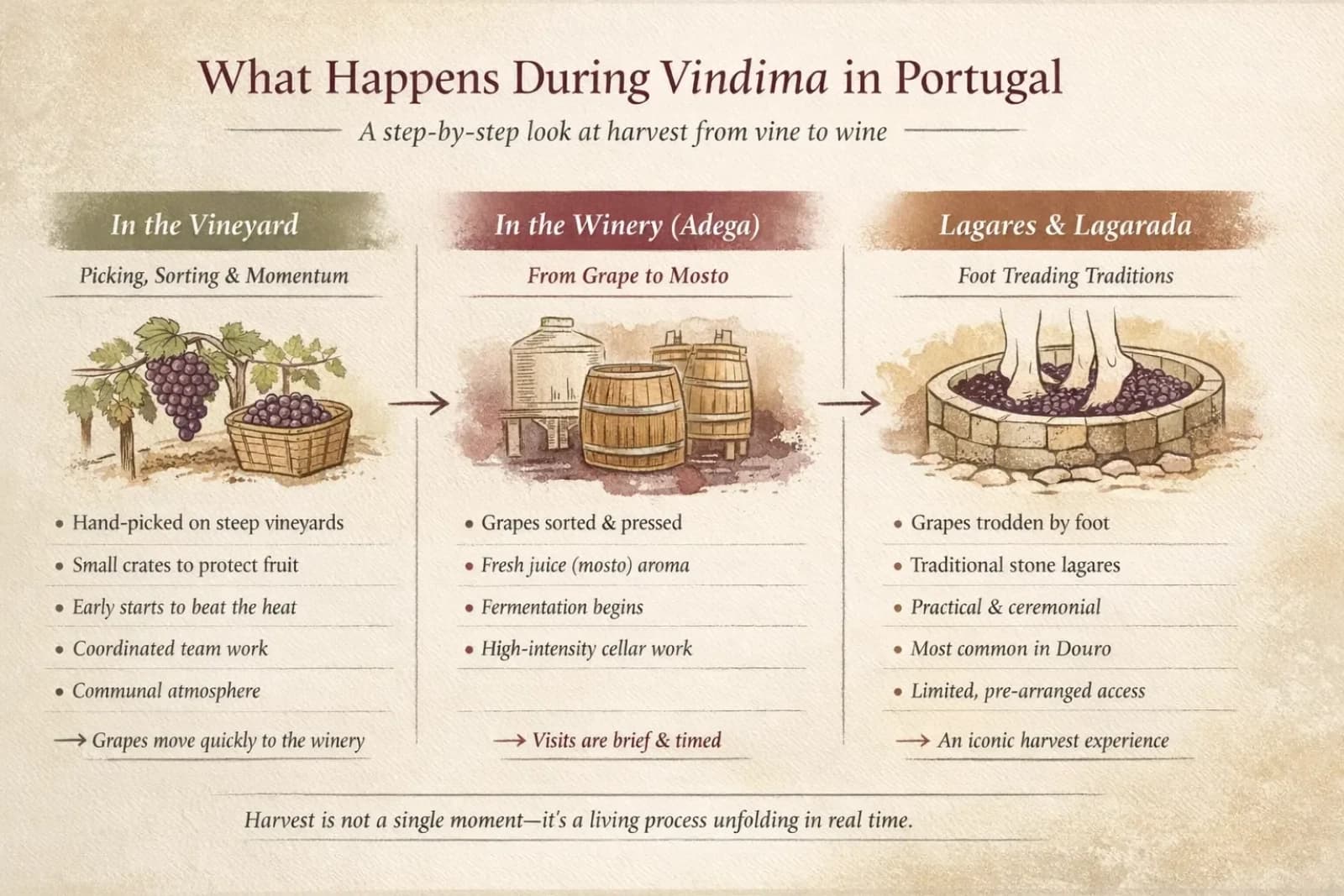
The annual grape harvest ritual, celebrated with particular intensity in the Douro between September and October.
The traditional packed meal that Trás-os-Montes shepherds carried for long days of grazing in the mountains.