Encyclopedia
Explore the essential terms, ingredients, techniques, and traditions of Portuguese gastronomy.
A3 entries
ingredient
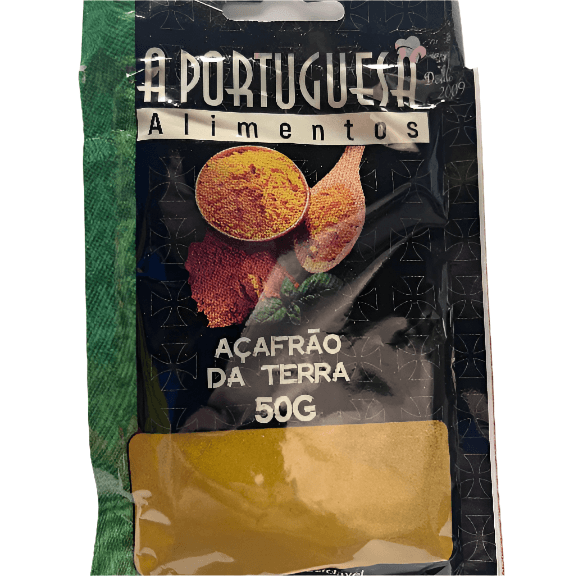
Açafrão
Portuguese saffron from the Alentejo, a rare and precious spice used in rice dishes, stews, and traditional sweets.
AlentejoSpicesArtisanal

ingredient
Alheira
A smoked sausage from Trás-os-Montes originally made without pork by Jewish communities to avoid persecution during the Inquisition.
HistoryTrás-os-MontesCharcuterie
ingredient
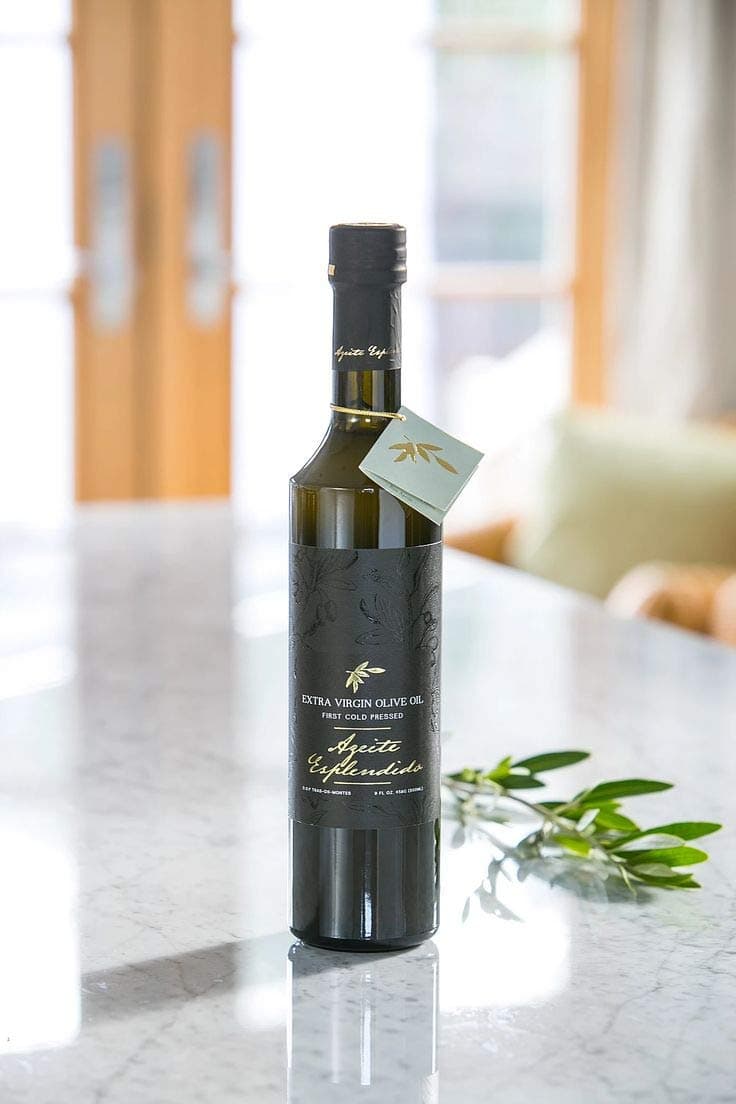
Azeite
Portugal is one of the world's largest olive oil producers, with the Alentejo region leading production of premium extra-virgin oils.
AlentejoOlive OilDOP
B3 entries
ingredient
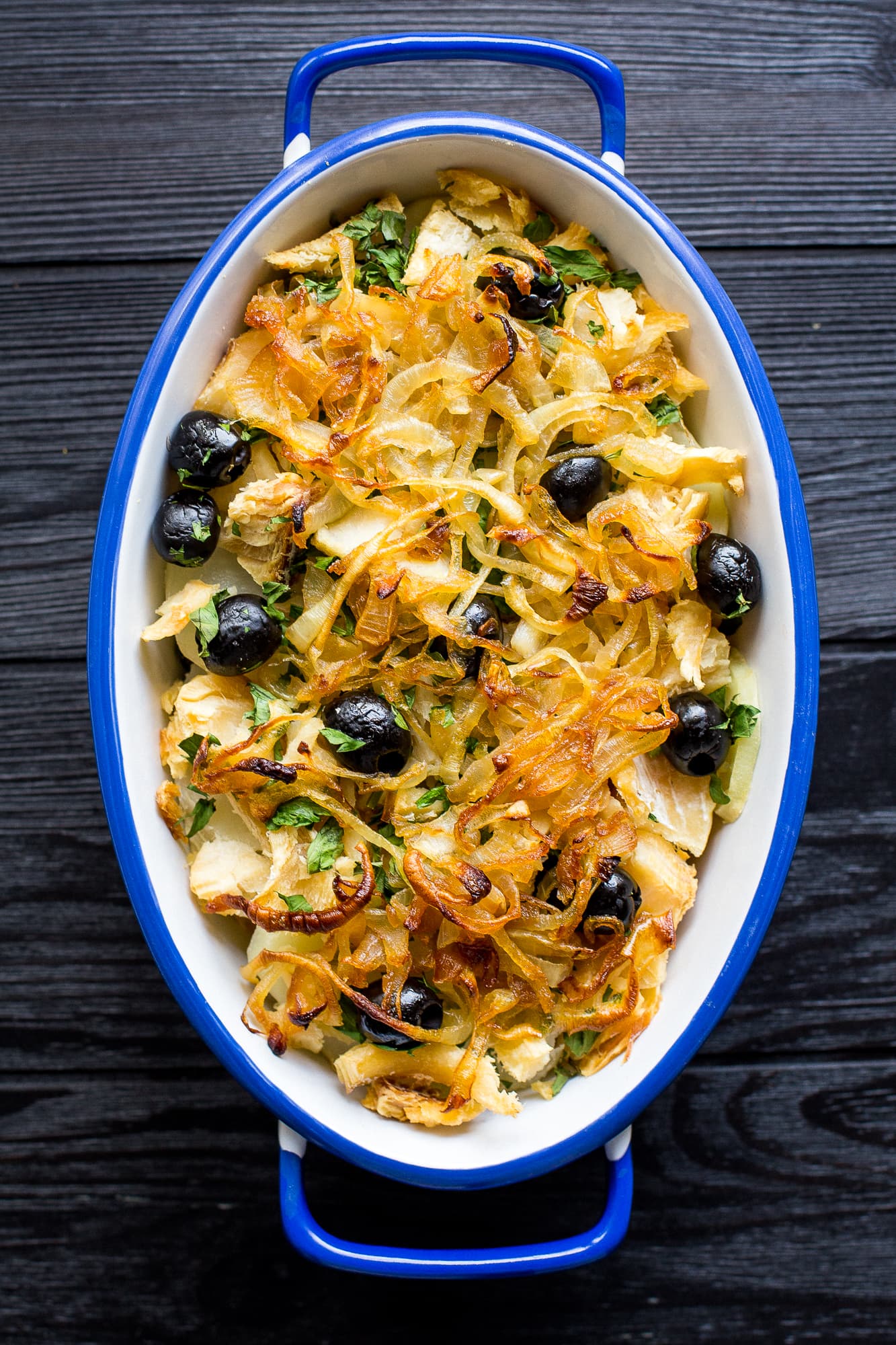
Bacalhau
The "faithful friend" of Portuguese cuisine — dried and salted cod with reportedly 365 recipes, one for each day of the year.
SeafoodTraditionalIconic
ingredient
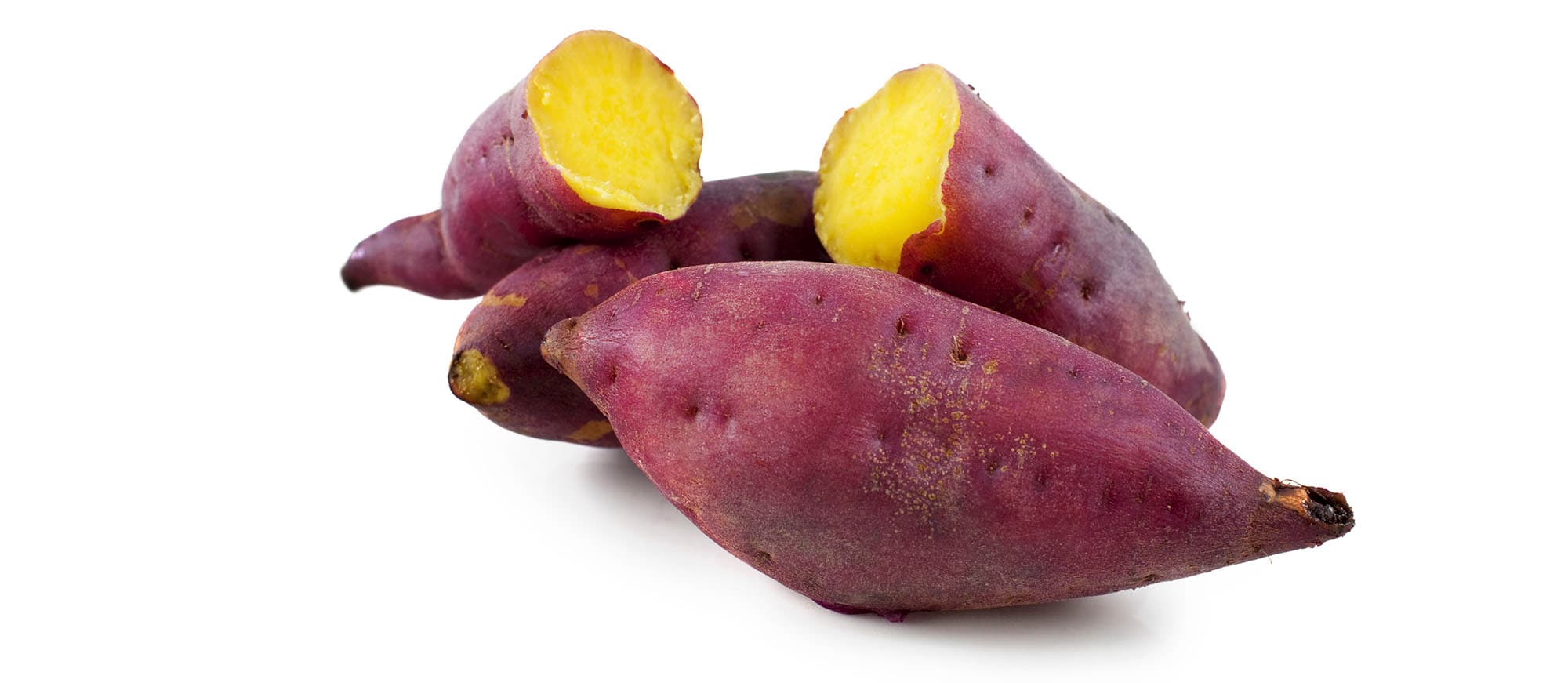
Batata Doce de Aljezur
A prized IGP sweet potato variety from the western Algarve, celebrated for its sweetness and creamy texture.
AlgarveIGPRoot Vegetables
C1 entry
E2 entries
ingredient
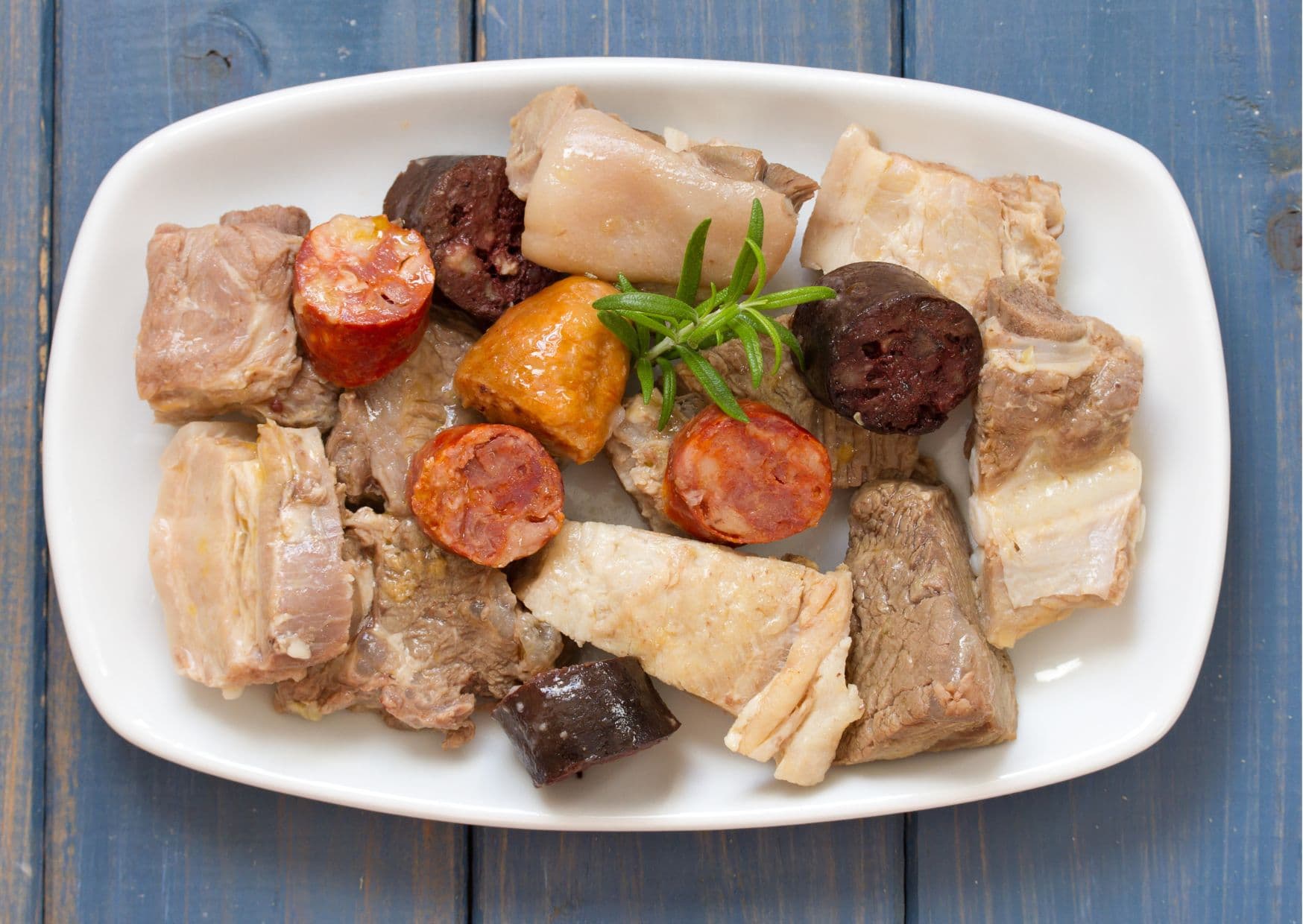
Enchidos
The collective term for Portuguese cured and smoked sausages, a pillar of the national charcutaria tradition.
Trás-os-MontesCharcuteriePork
ingredient
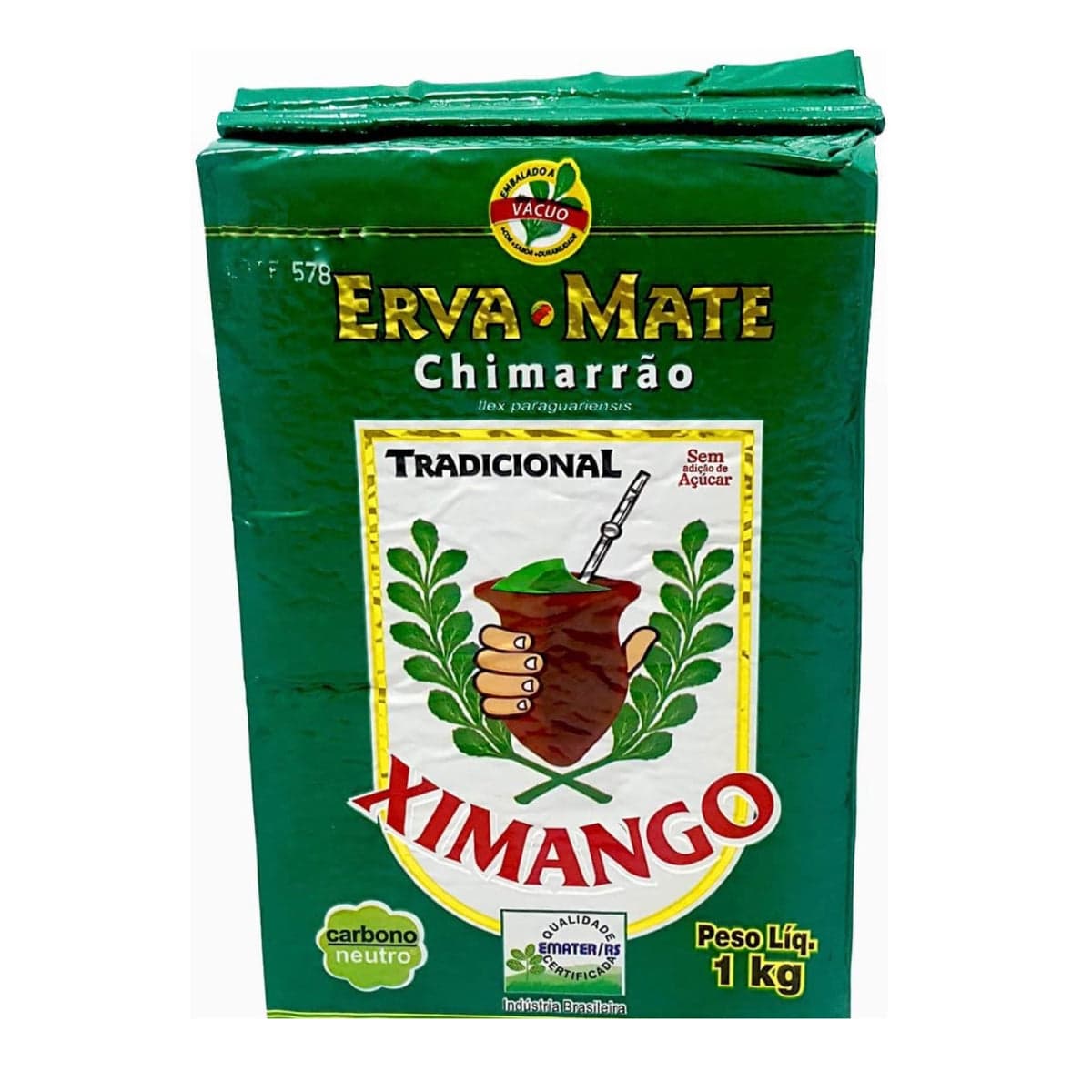
Erva-Mate Portuguesa
Experimental cultivation of yerba mate in the Azores, taking advantage of the archipelago's subtropical climate.
AzoresBeveragesInnovation
F2 entries
ingredient
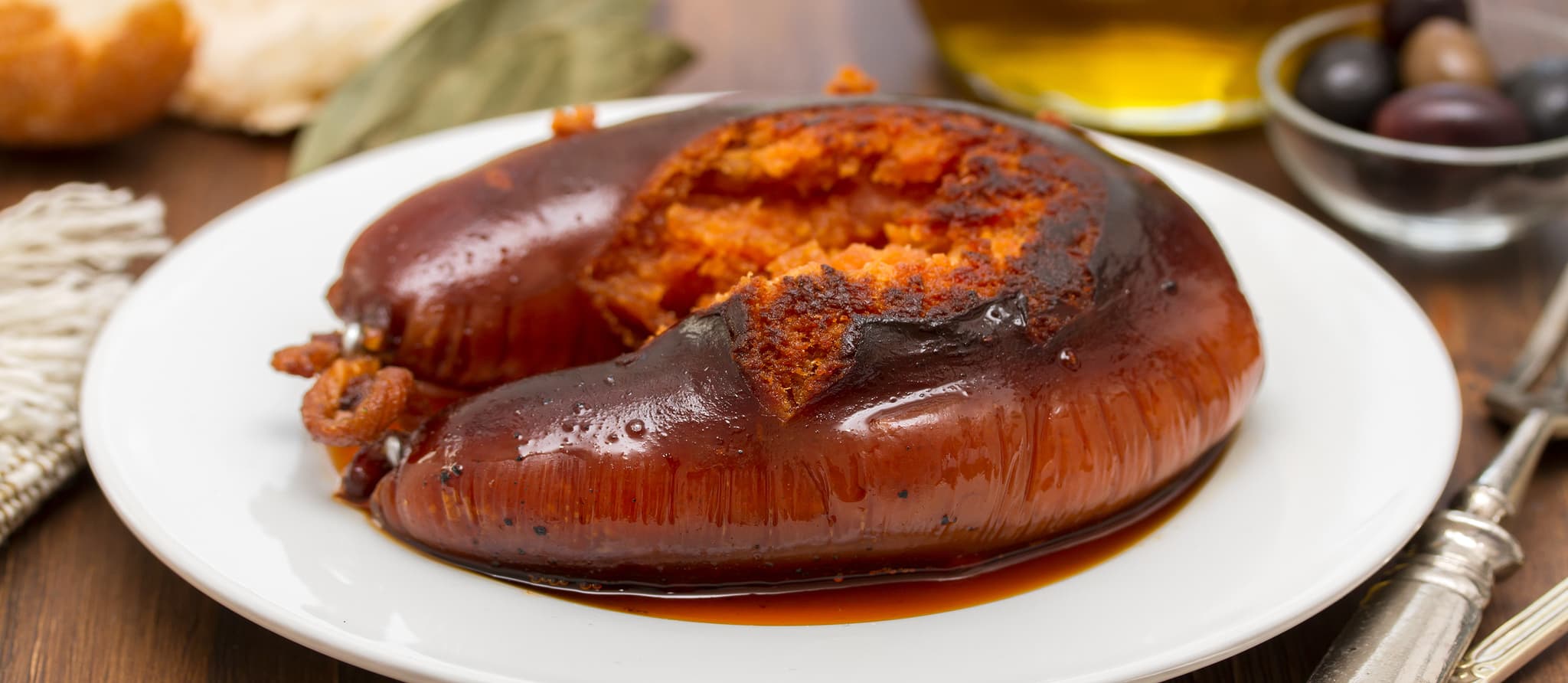
Farinheira
A unique Portuguese sausage made with flour, pork fat, and spices — another legacy of Jewish dietary adaptation during the Inquisition.
HistoryTraditionalCharcuterie
ingredient
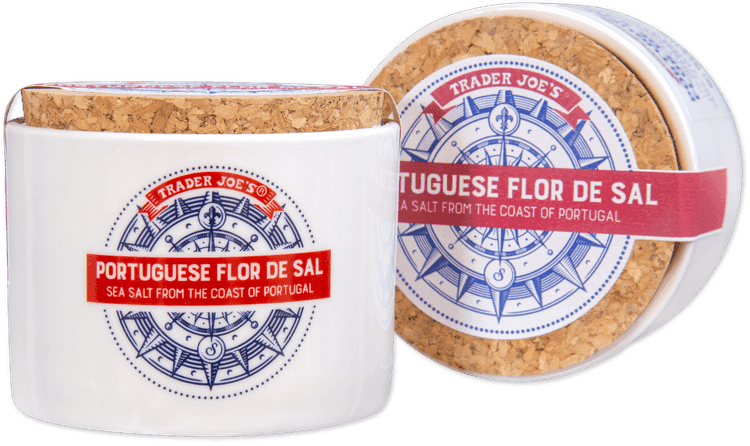
Flor de Sal
Delicate hand-harvested salt crystals from the Algarve's traditional salt pans, prized as a finishing salt.
AlgarveArtisanalSalt
G1 entry
H1 entry
I2 entries
J1 entry
K2 entries
ingredient
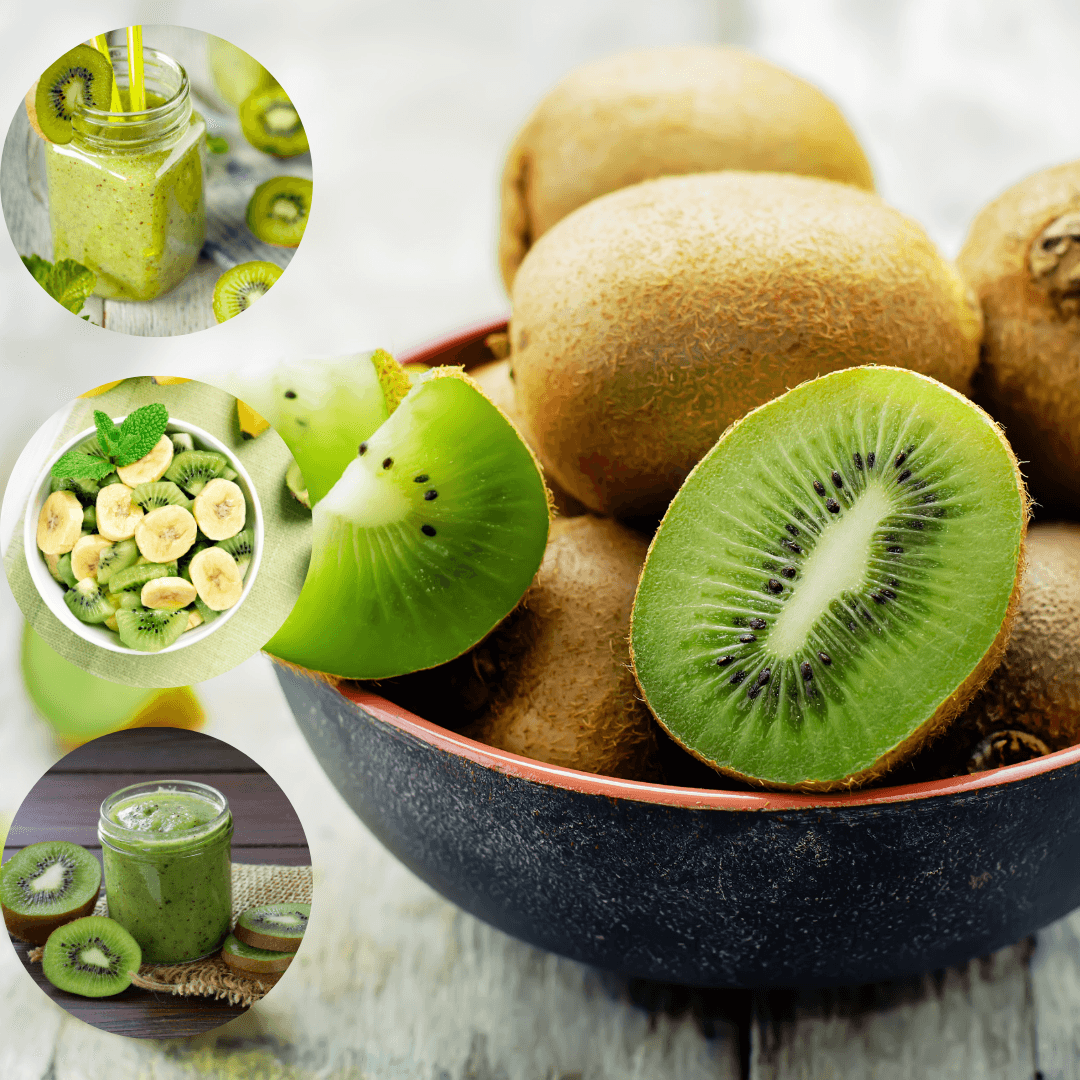
Kiwi Português
Portugal is one of Europe's largest kiwi producers, with the Minho region providing ideal growing conditions.
MinhoAgricultureFruit
ingredient
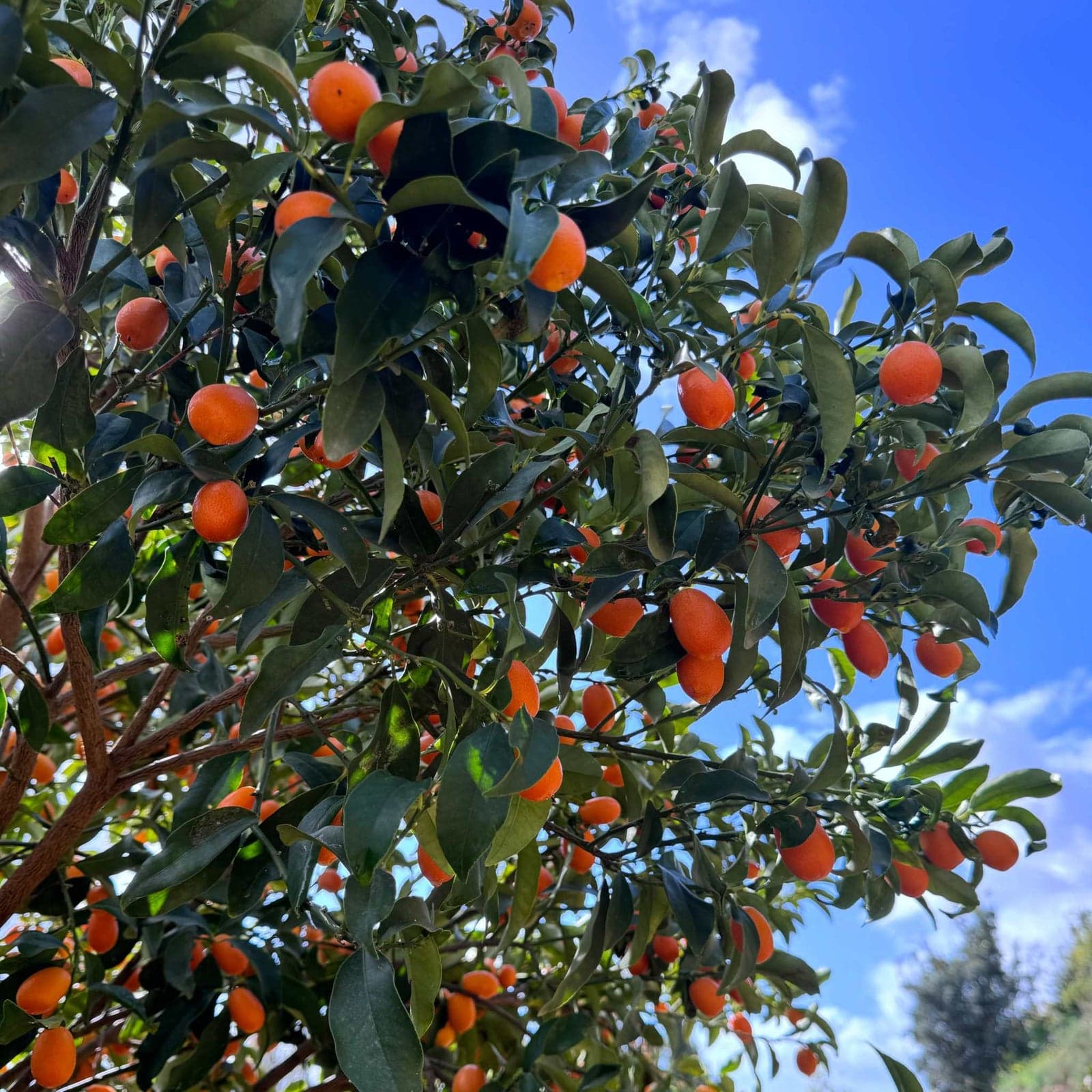
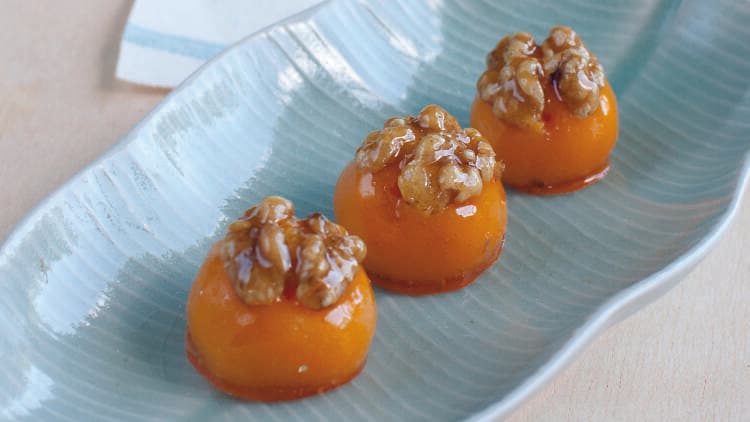
Kumquat do Algarve
The Algarve's warm microclimate supports kumquat cultivation, producing tiny citrus fruits used in liqueurs and preserves.
AlgarveFruitCitrus
L2 entries
ingredient
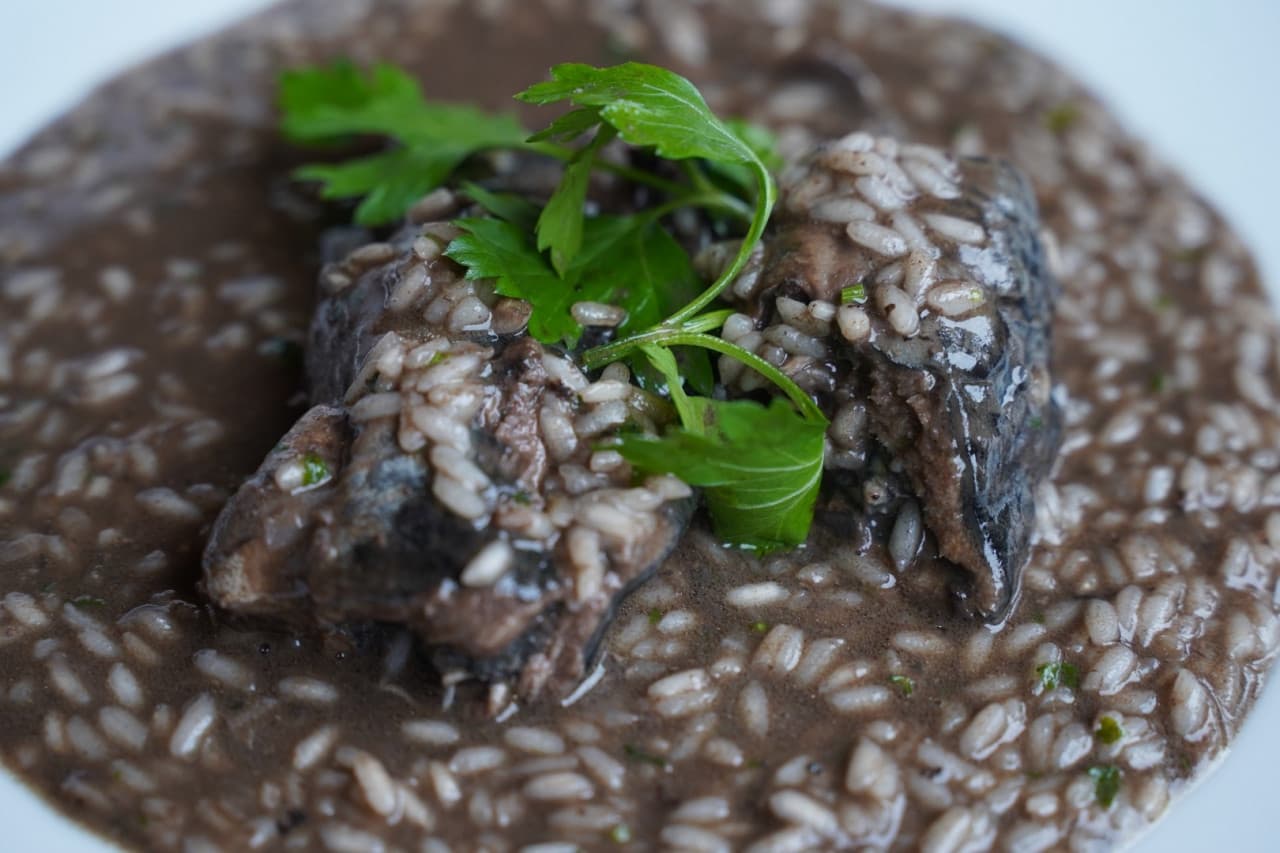
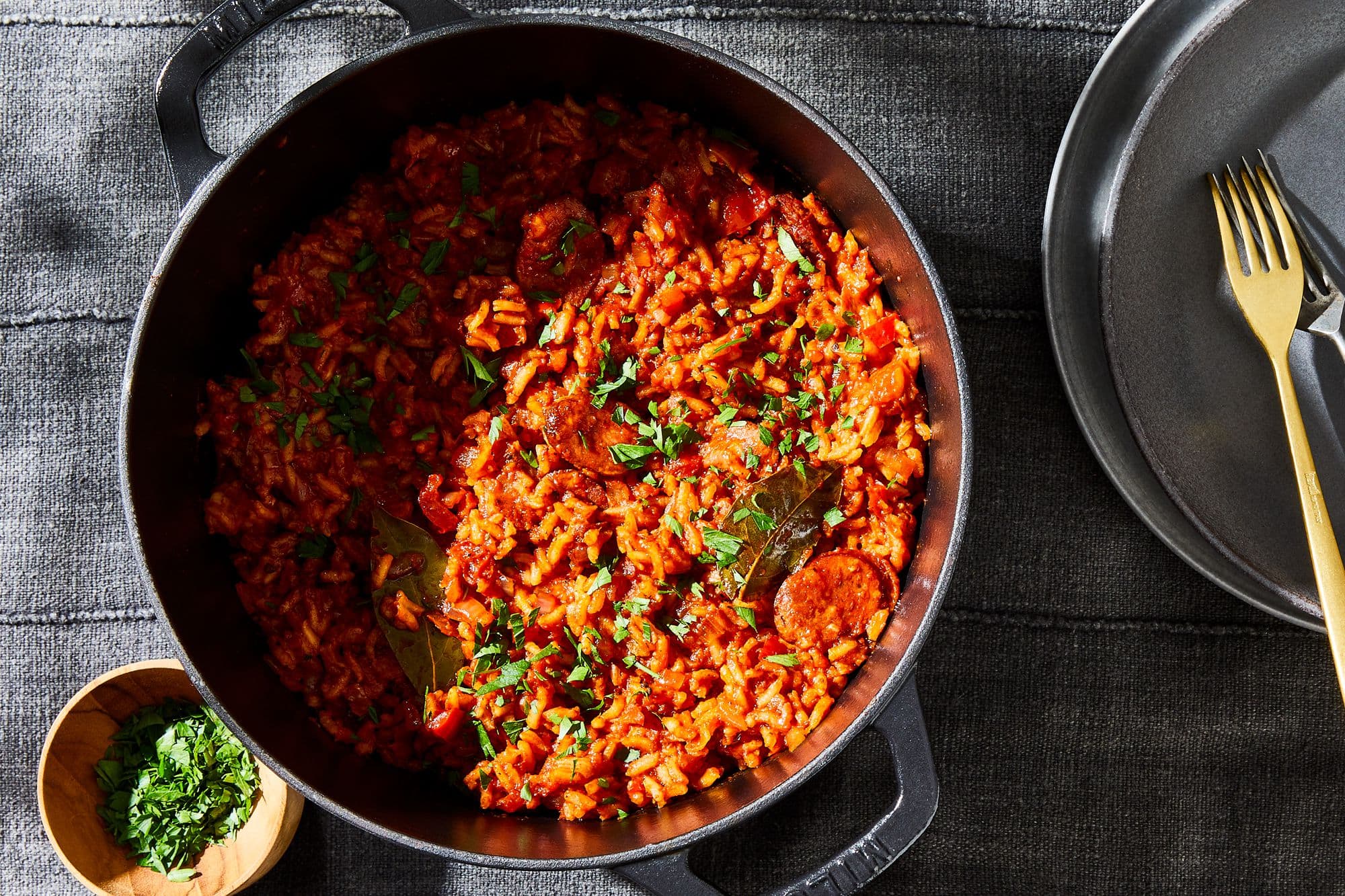
Lampreia
A prized seasonal delicacy from the Minho, where this ancient jawless fish is prepared in a rich rice dish cooked in its own blood.
SeafoodMinhoSeasonal
ingredient
Linguiça
A cured pork sausage seasoned with garlic and paprika, a staple found in kitchens from the Alentejo to the Azores.
AlentejoCharcuteriePork
M1 entry
N3 entries
O2 entries
P3 entries
ingredient
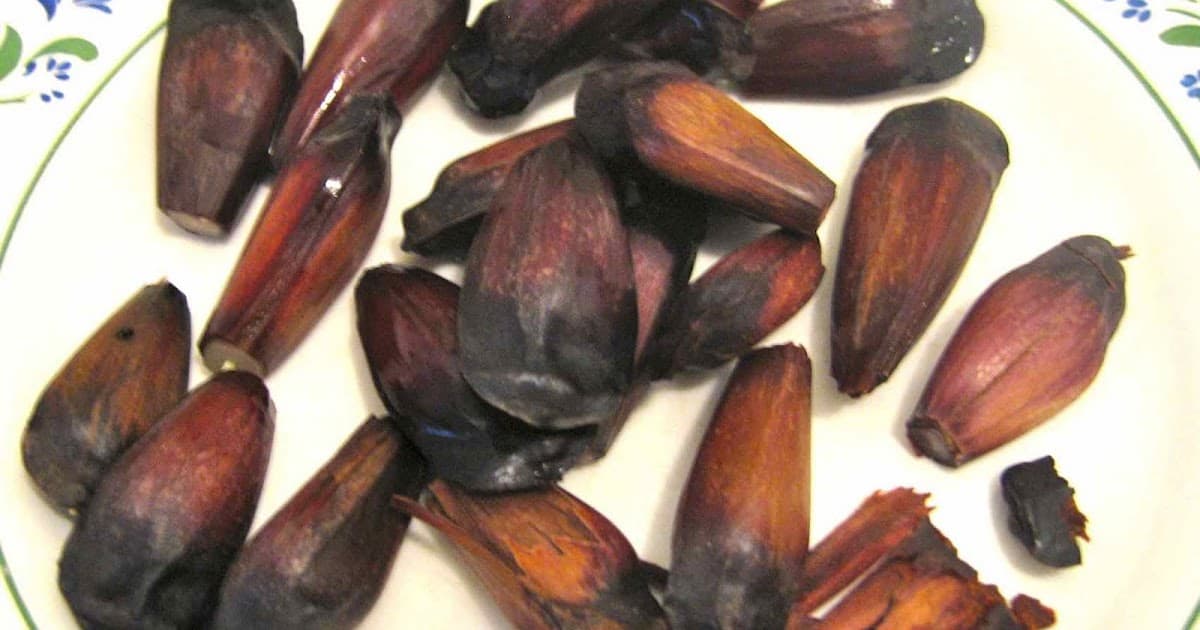
Pinhão
The prized seed of the stone pine, harvested in Portugal's forests and essential to many traditional dishes and sweets.
NutsForest Products
ingredient
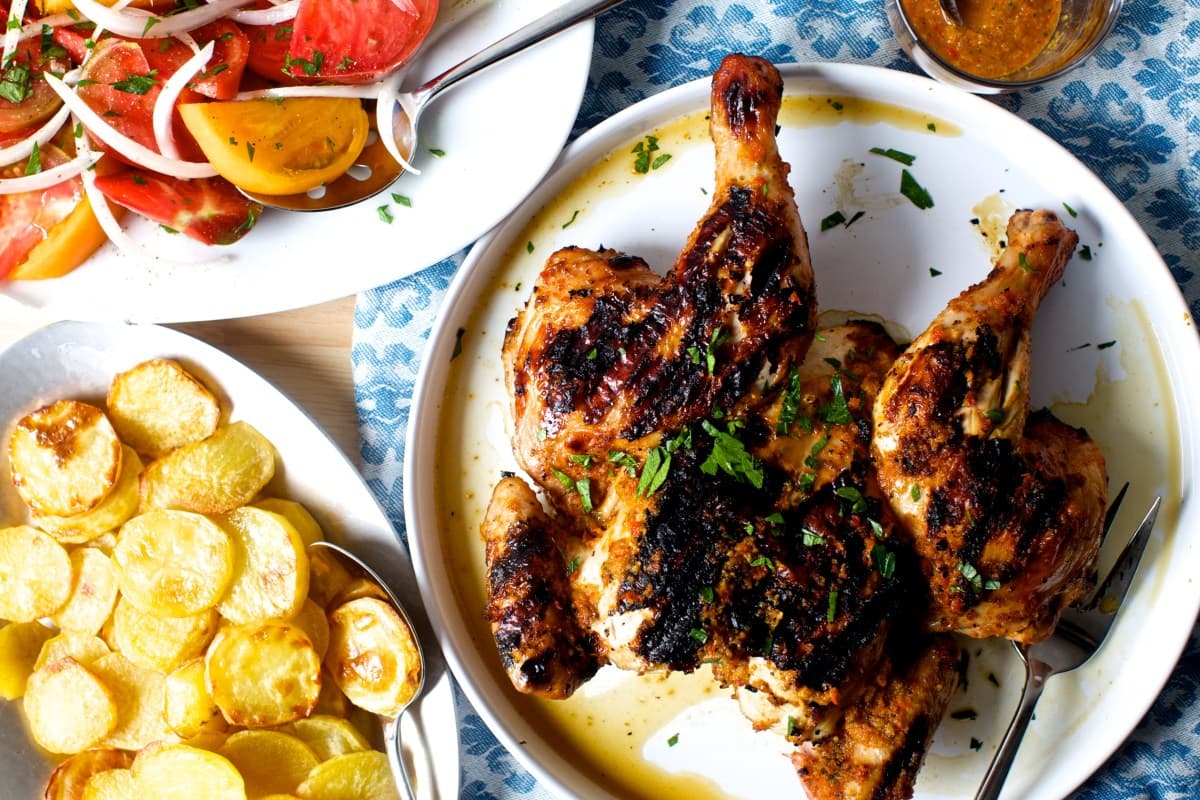
Piri-Piri
Small, fiery chili peppers central to Portuguese cuisine, brought from Africa and cultivated in the Algarve.
AlgarveSpices
ingredient
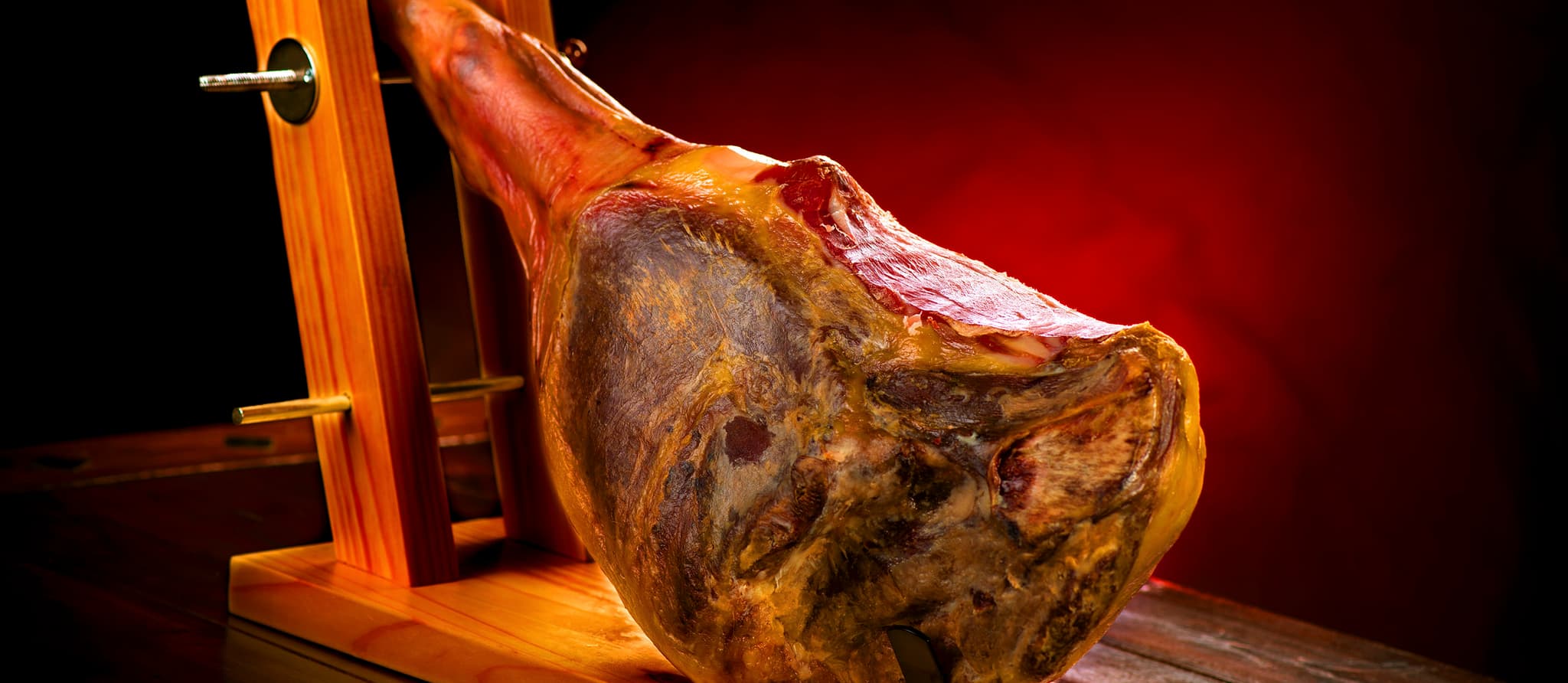
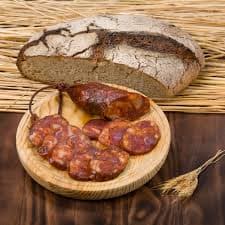
Presunto
R1 entry
S3 entries
T2 entries
ingredient
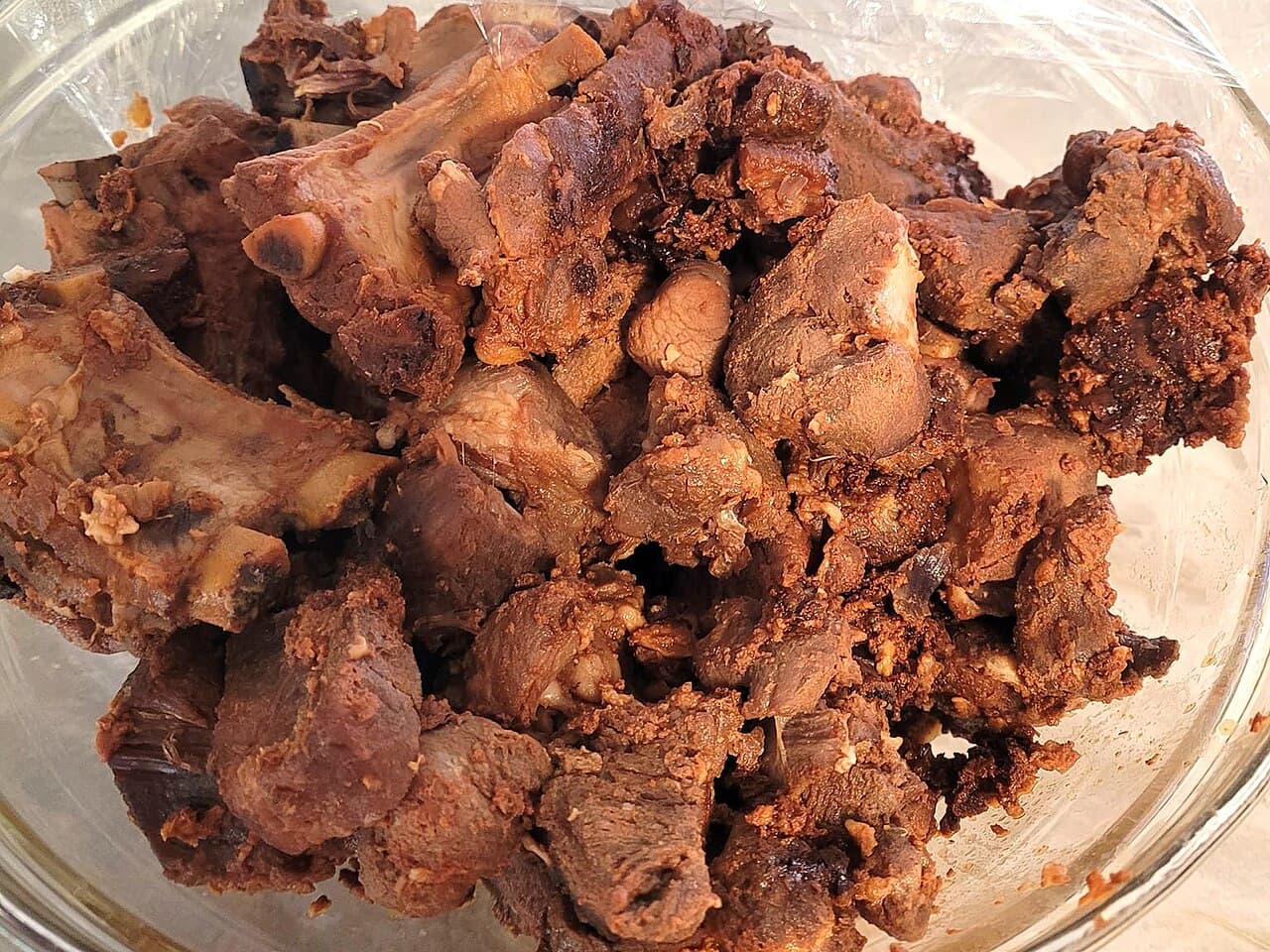
Torresmo
Crispy fried pieces of pork belly, a beloved Portuguese snack served with bread and drinks.
PorkSnacks
ingredient
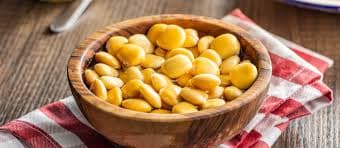
Tremoços
Tremoços are yellow legume seeds from the lupinus plant, traditionally consumed as a pickled snack throughout Portugal and the Mediterranean region.
TraditionalPortuguese cuisineLegumesBar SnacksMediterranean
U3 entries
V1 entry
W1 entry
X1 entry
Y2 entries
Z2 entries