Recipes
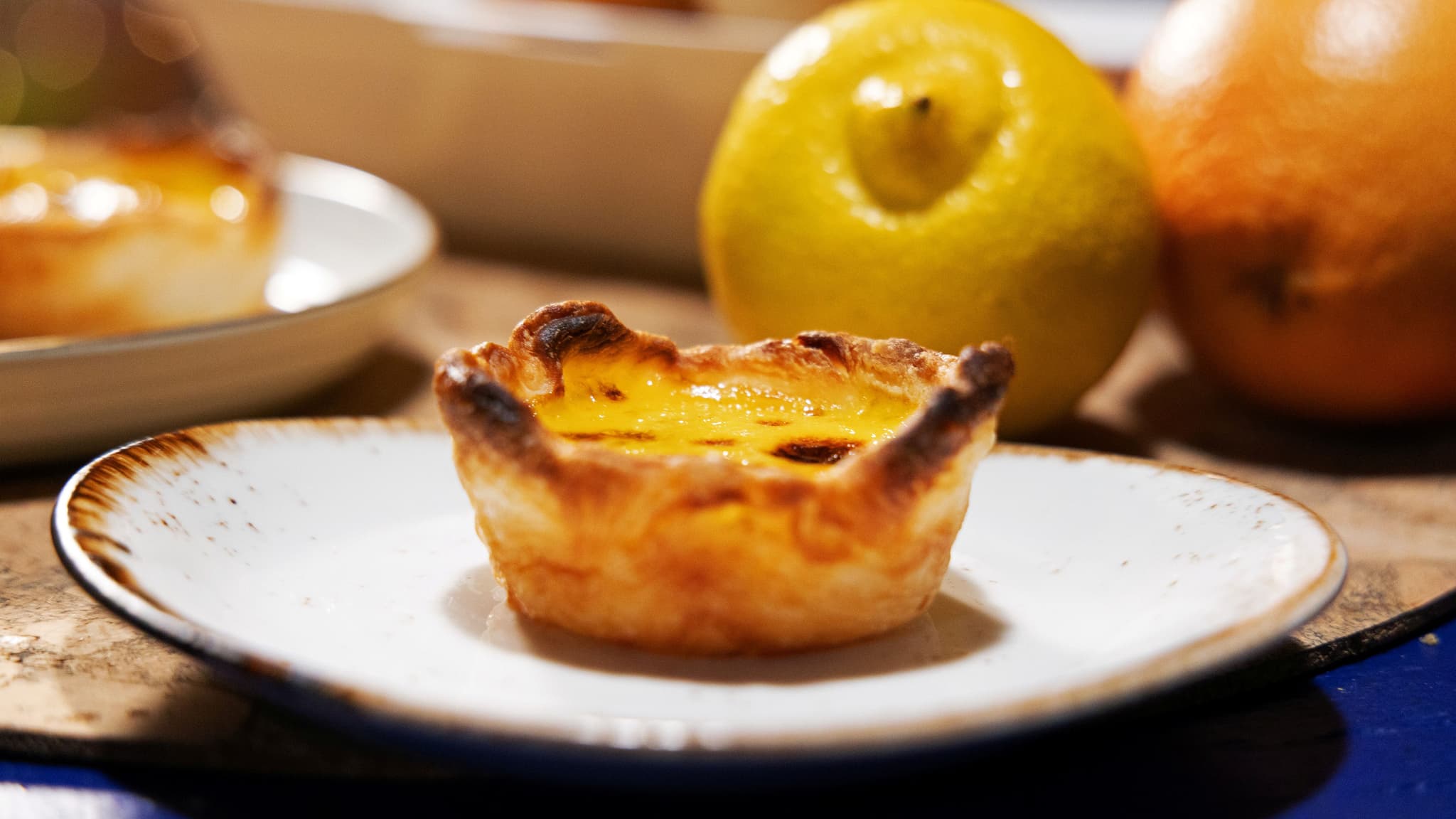
The Pastel de Nata: A Short History of Portugal's Most Famous Pastry
From the cloistered kitchens of Jerónimos Monastery to cafés worldwide, the pastel de nata represents the sweet soul of Portuguese culinary tradition.
Maria Santos·

18
Chefs
3
Producers
3
Recipes
Nobody really gets Lisbon on the first visit. The city folds in on itself, climbs, descends, opens into unexpected squares, and just when you think you've mapped it mentally, a side street takes you somewhere that feels like a different city entirely.
That's the nature of a place that has been rebuilt, layered and rebuilt again. The 1755 earthquake flattened most of downtown, and what Marquês de Pombal put up in its place, a grid of rational streets that would have been unremarkable anywhere else, here became a kind of structural poetry when viewed from Alfama or Graça. Lisbon lives in contrast. Old tile facades beside new co-working spaces. Empty convents beside packed rooftop bars. Trams that are genuinely used by locals alongside trams that exist purely for the Instagram feed.
The cliché asks you to notice the light. And yes, it really is that light. It has to do with the Atlantic, the southern latitude, and the way the Tagus opens westward without much warning. But beyond the postcards, what makes Lisbon interesting today is its uneasy transformation. It has become a destination for digital nomads, for crypto refugees, for people with euros who suddenly discovered that European capitals could still be affordable. That changes a city. Rents have climbed sharply. Neighbourhoods that felt lived-in five years ago now feel styled.
Come anyway. Just come with curiosity for the layers underneath. Eat at a tasca where the menu is handwritten and nobody speaks English. Take the ferry to Cacilhas and look back at the skyline from the water. Walk without a plan until your feet hurt. The city rewards that kind of attention. It always has.
Loco
Feitoria Restaurant & Wine Bar

Fortaleza do Guincho

YŌSO - Omakase
Malhadinha Nova
SÁLA de João Sá
Belcanto

100 Maneiras

Marlene
.jpg&w=2048&q=75)
Praia no Parque
Kanazawa
Midori

Broto
Grenache

Fifty Seconds
From the cloistered kitchens of Jerónimos Monastery to cafés worldwide, the pastel de nata represents the sweet soul of Portuguese culinary tradition.

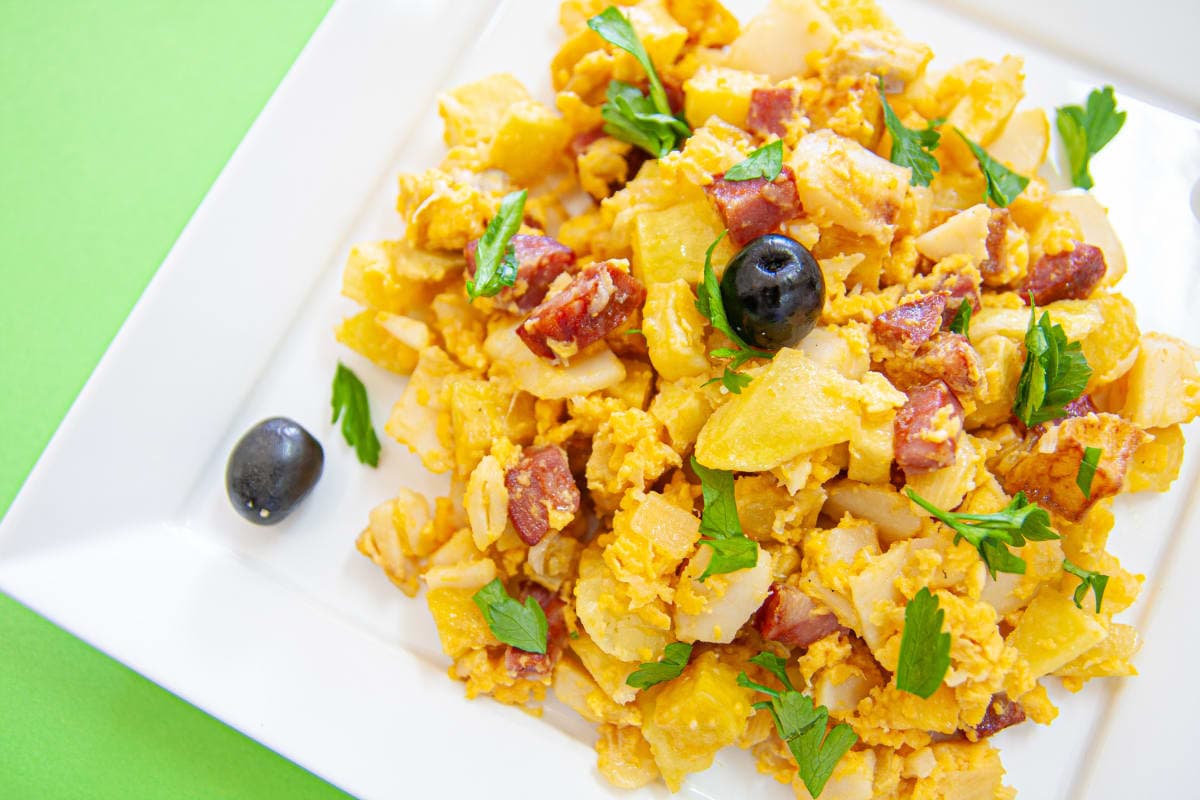
Explore how salted cod became Portugal's most beloved ingredient, shaping the nation's culinary identity for over 500 years through maritime tradition and regional innovation.
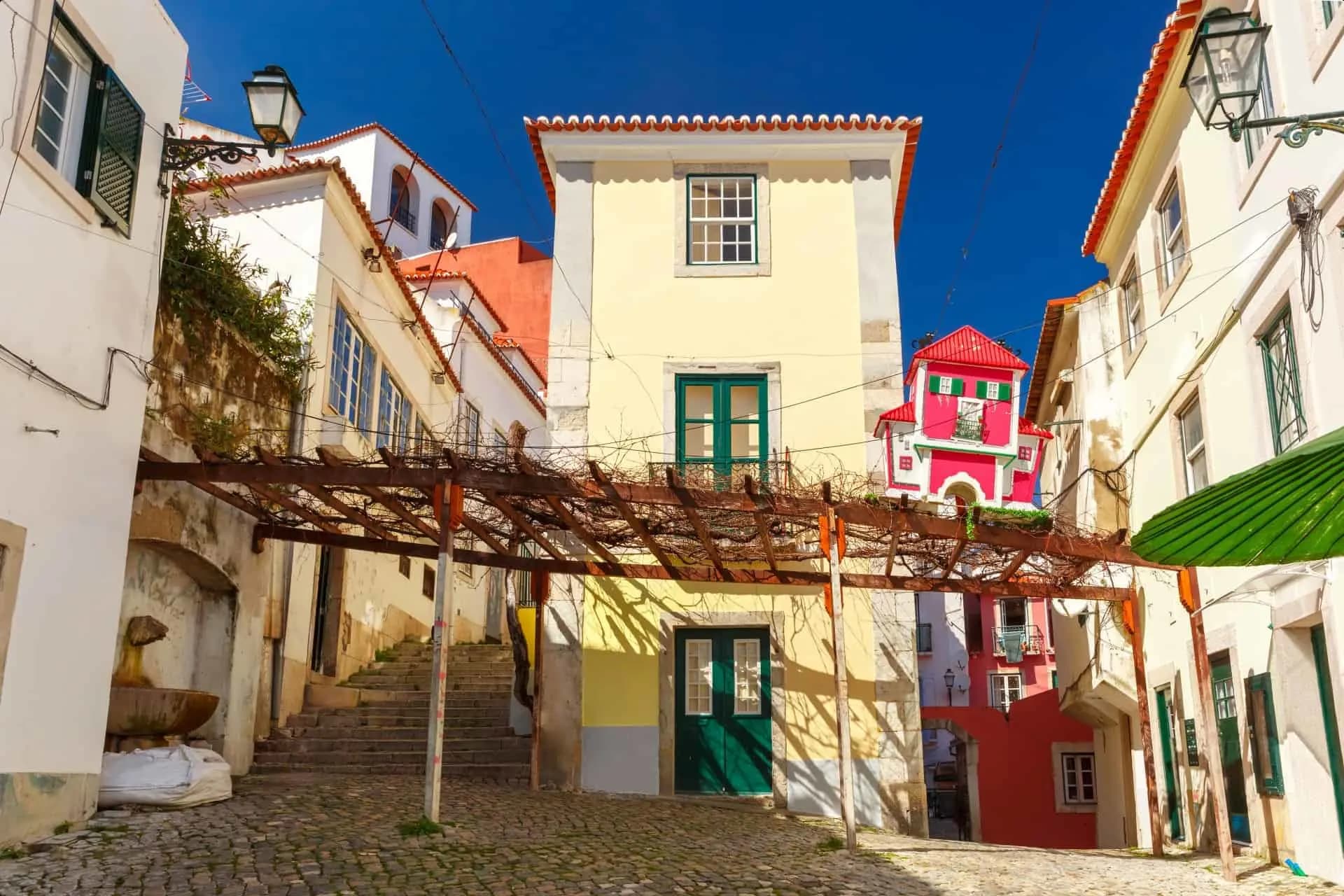
Discover the authentic flavors of Portugal's capital through the winding cobblestone streets of Alfama, where centuries-old culinary traditions come alive in every bite.
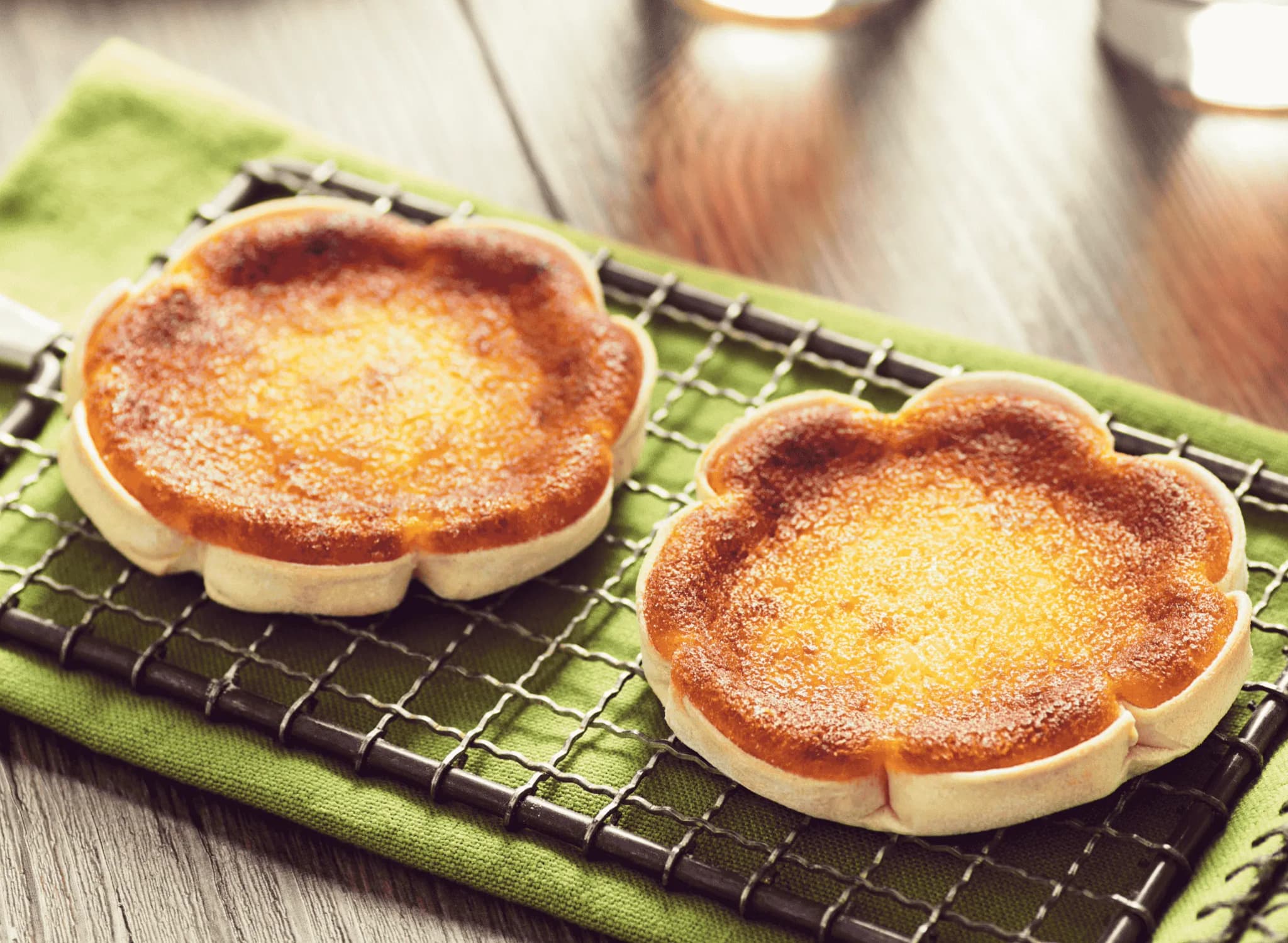
In the fairytale hills of Sintra, two legendary pastries have captivated visitors for centuries, representing the perfect marriage of Portuguese culinary tradition and royal heritage.
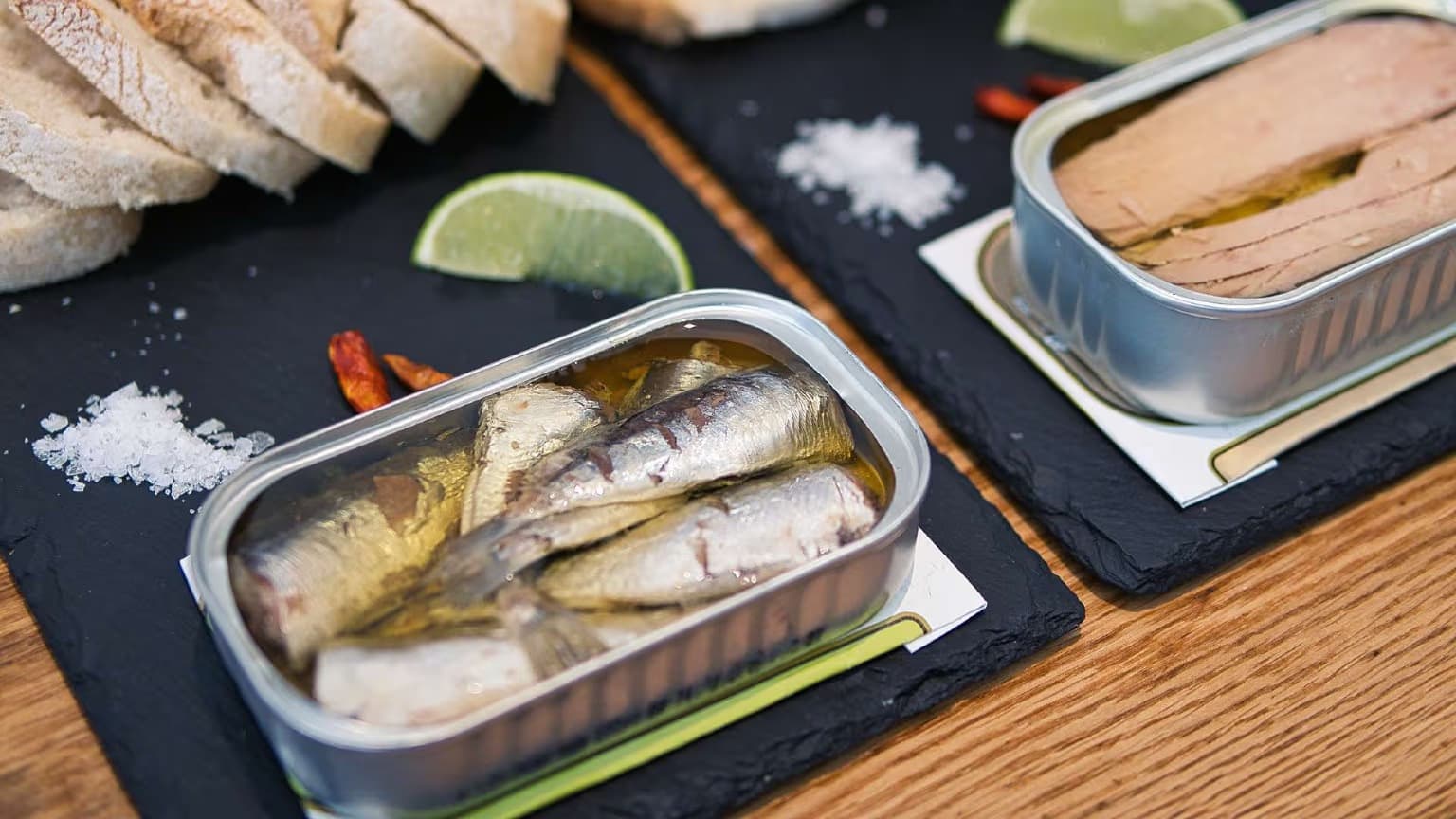
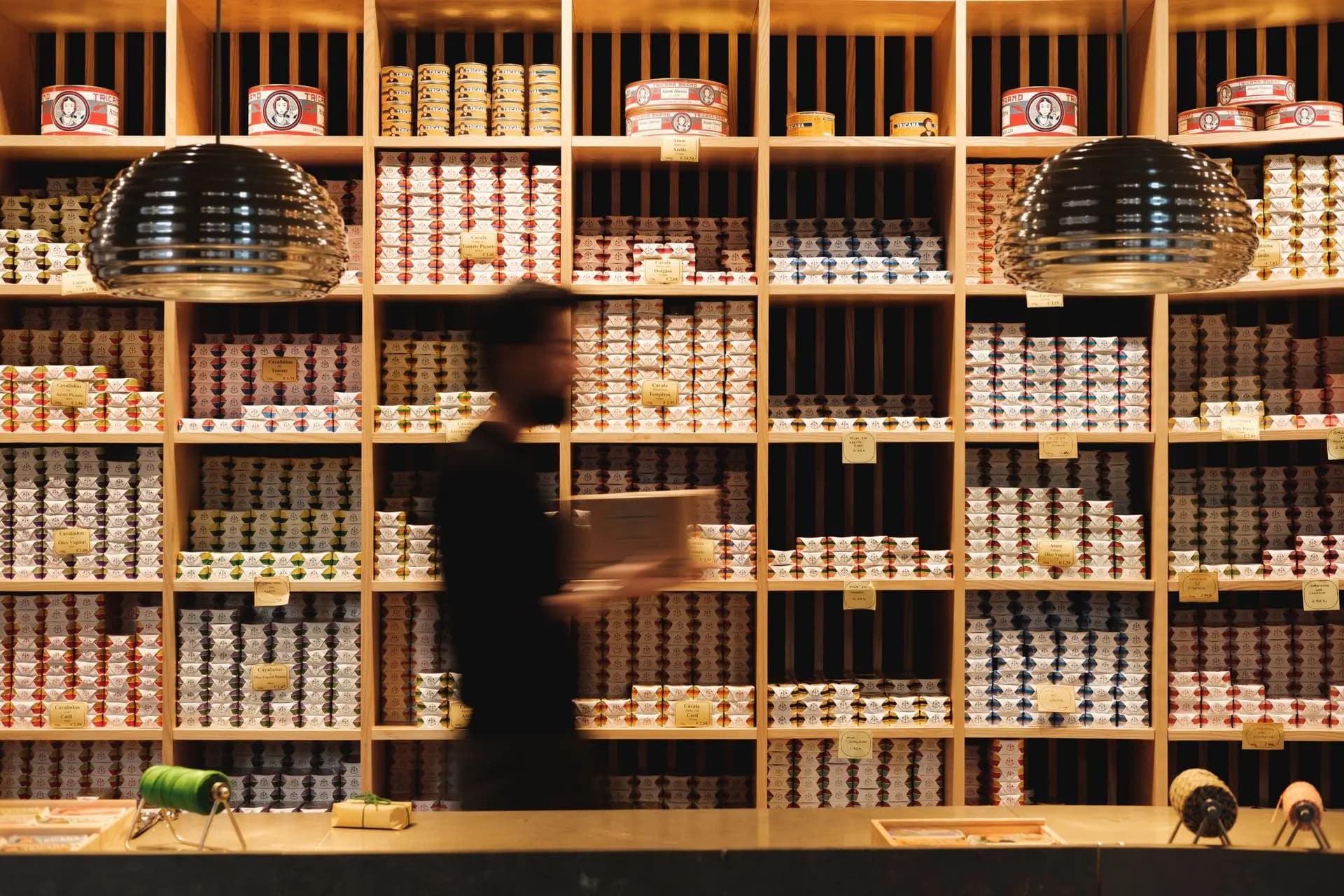
From humble pantry staples to gourmet delicacies gracing international restaurant menus, Portuguese conservas have transformed from necessity to luxury, leading a global tinned fish renaissance.
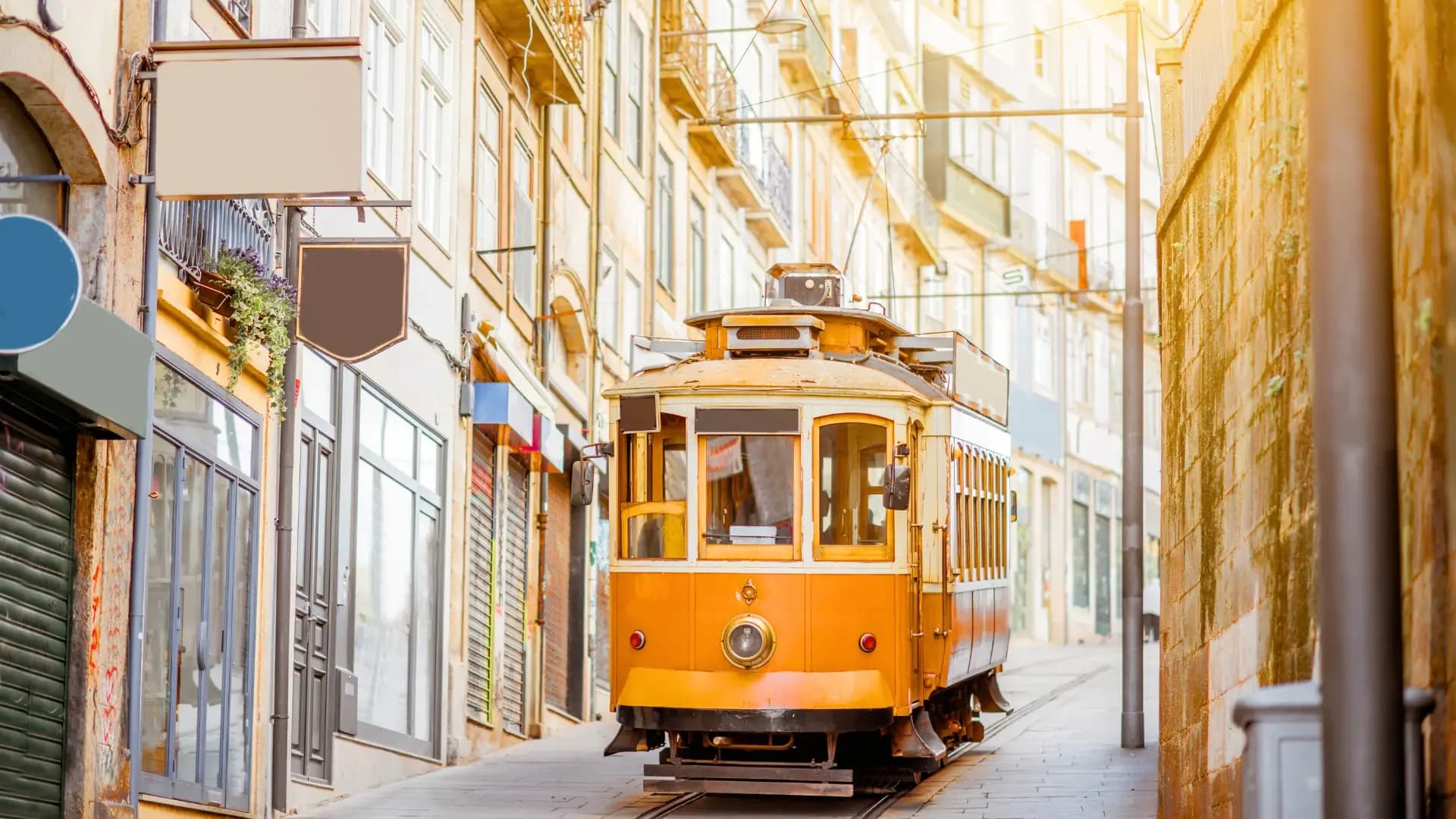
Lisbon's iconic Tram 28 winds through the city's most authentic neighborhoods, offering a unique culinary journey through centuries of Portuguese gastronomy and tradition.
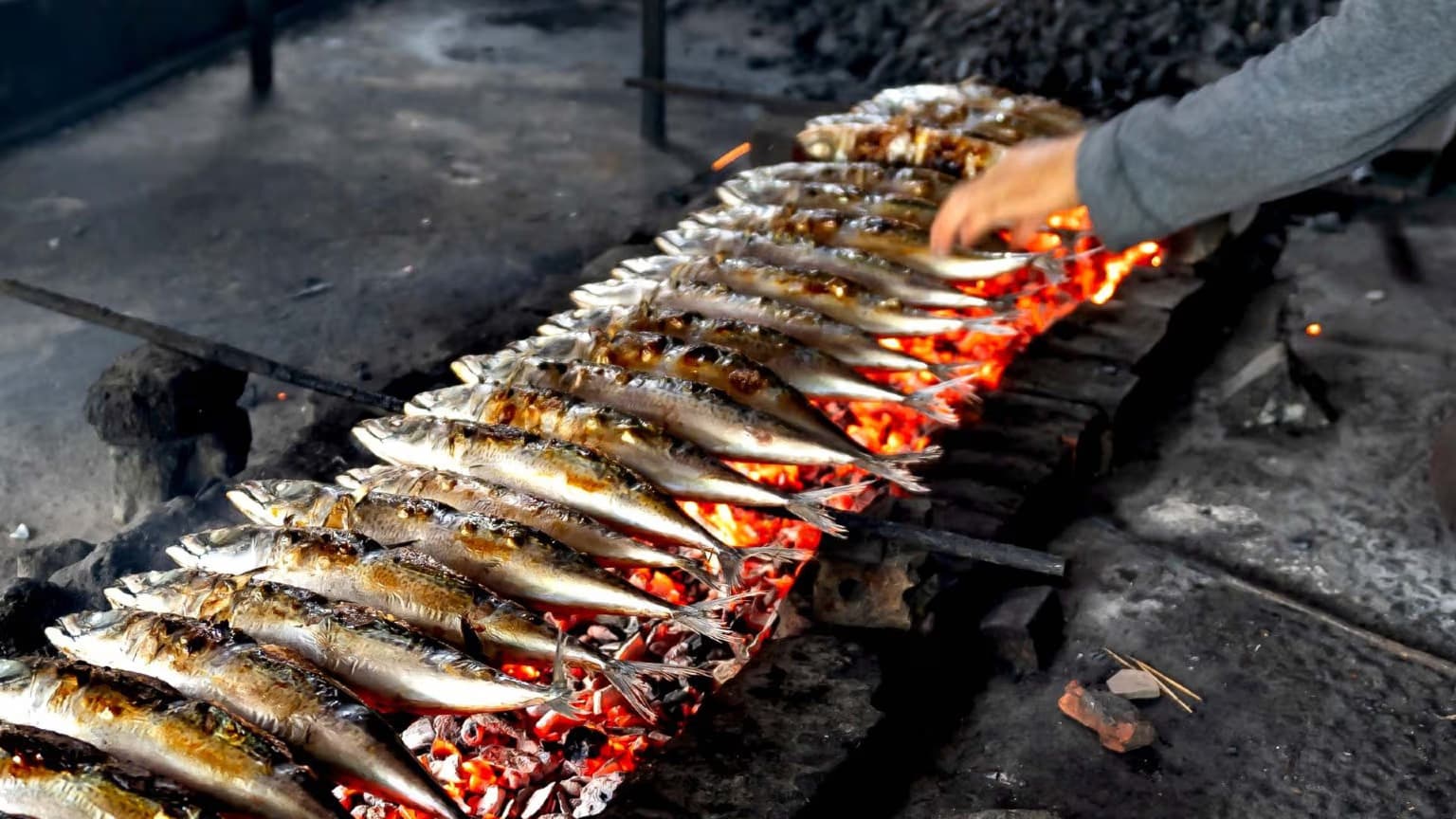
Every June, the aroma of grilled sardines and the sound of traditional music transform Lisbon's historic neighborhoods into one massive street celebration during Santos Populares.