Recipes
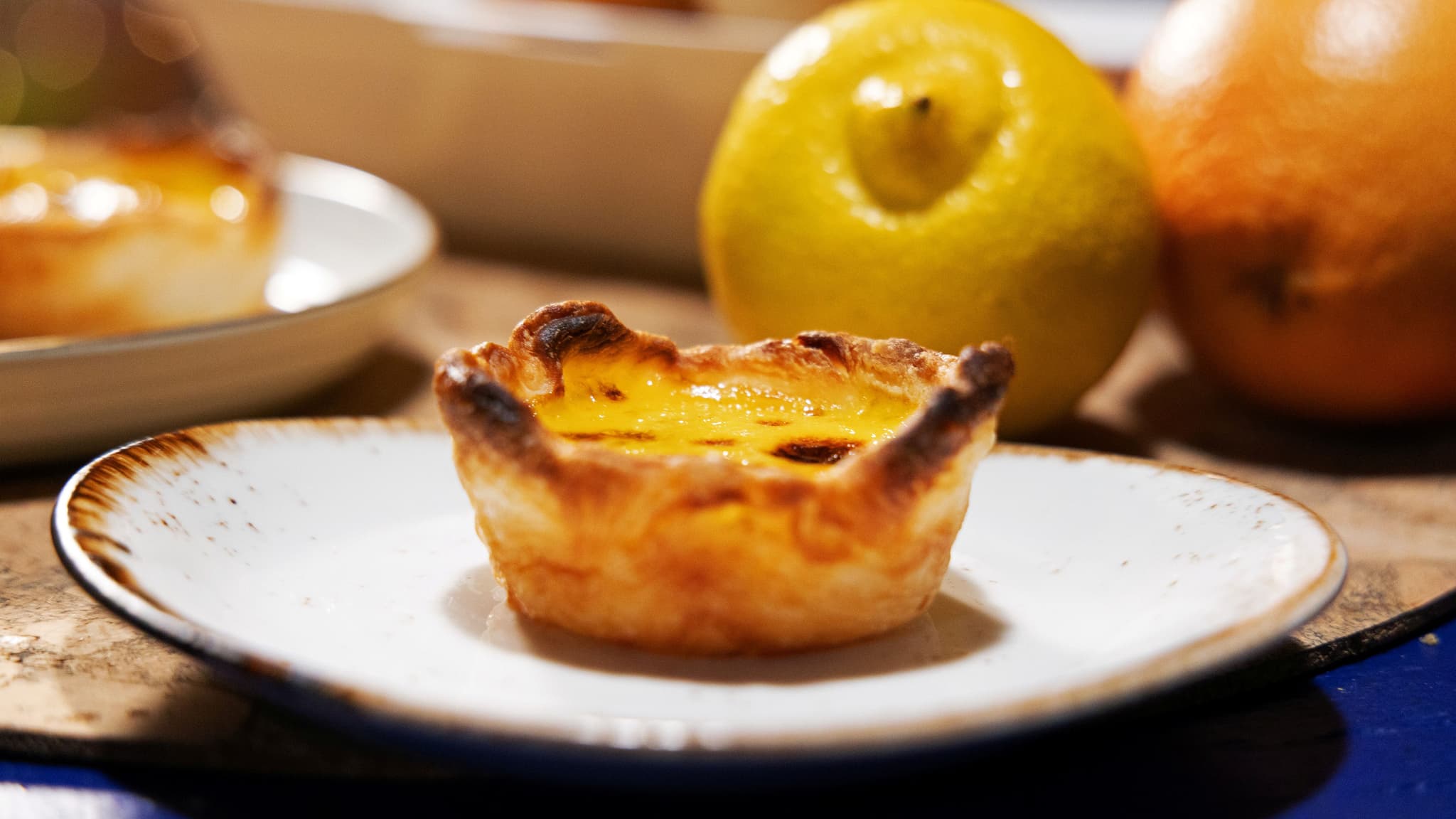
The Pastel de Nata: A Short History of Portugal's Most Famous Pastry
From the cloistered kitchens of Jerónimos Monastery to cafés worldwide, the pastel de nata represents the sweet soul of Portuguese culinary tradition.
Maria Santos·
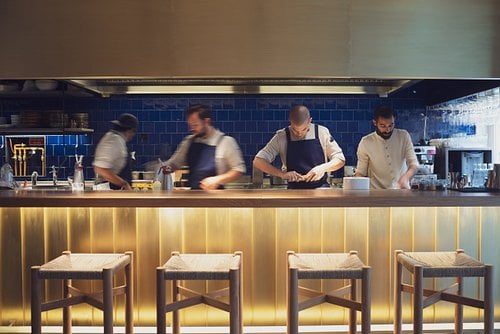
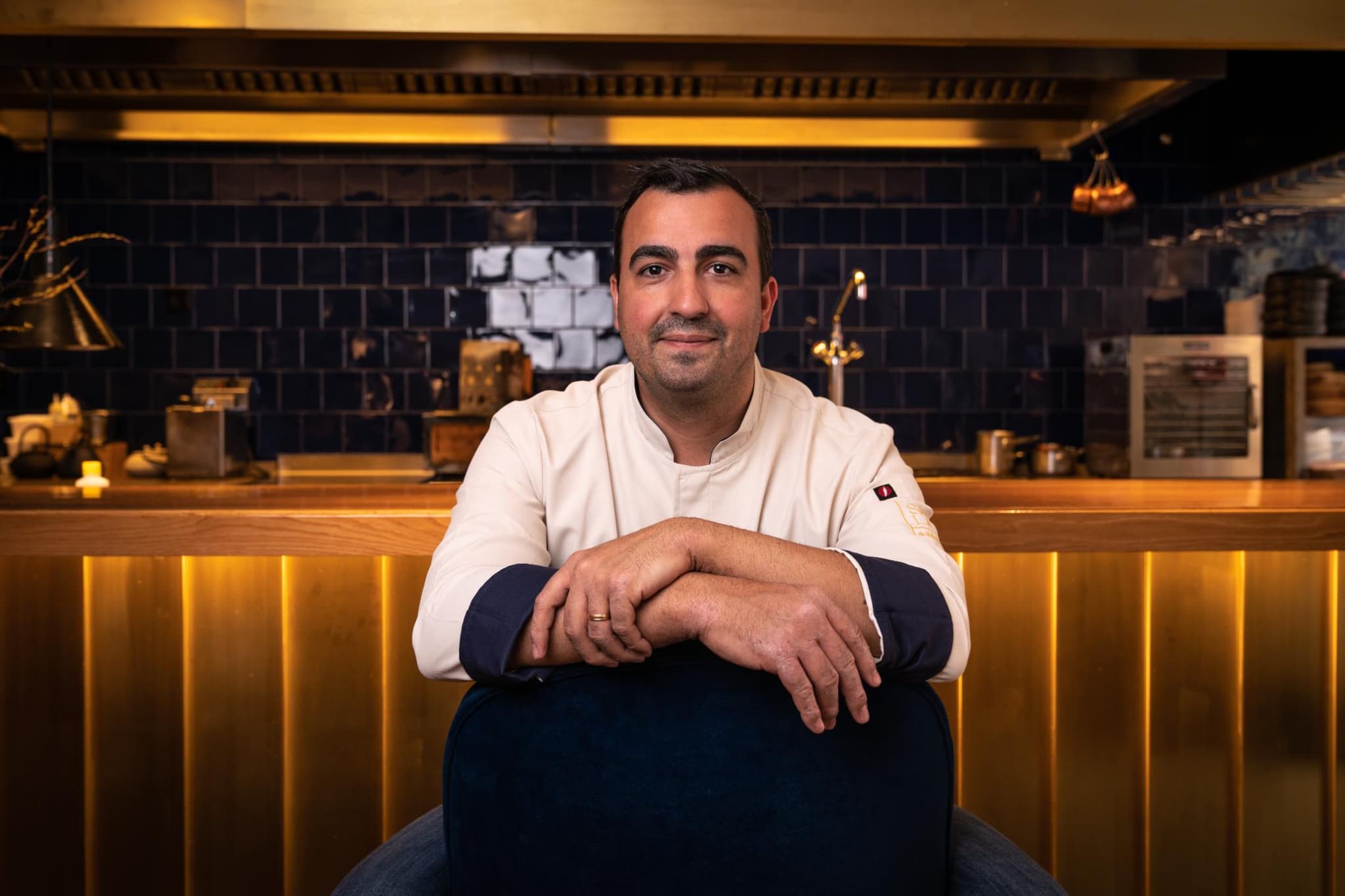
João Sá represents a new generation of Portuguese chefs who masterfully blend tradition with innovation, drawing from both his Portuguese heritage and African roots. Born to Angolan parents, Sá discovered his passion for cooking at the remarkably young age of 12, setting the foundation for what would become a distinguished two-decade culinary career.
His professional journey took him across borders early on, including a formative experience in 2004 at Viridiana, a Michelin-starred restaurant in Madrid under chef Abraham Garcia, where he immersed himself in Spanish cuisine techniques. This international exposure shaped his approach to cooking, teaching him to respect culinary traditions while fearlessly exploring new interpretations.
At 38, Sá leads SÁLA in Lisbon's historic Baixa district, where his restaurant earned a coveted Michelin star. His cuisine is deeply personal, weaving stories that connect diners to his multicultural background while showcasing Portugal's rich culinary heritage. Known for his innovative reinterpretations of classic dishes like caldo verde, Sá creates what he calls 'travelling cuisine' - a constantly evolving menu that reflects both his African family flavors and seasonal Portuguese ingredients.
Sá's philosophy centers on the farm-to-table concept, personally selecting the finest ingredients to craft dishes that tell stories. His hands-on approach extends to the dining room, where he frequently visits tables to explain his creations in detail, creating an intimate connection between chef and diner that defines the SÁLA experience.
Loco
Feitoria Restaurant & Wine Bar
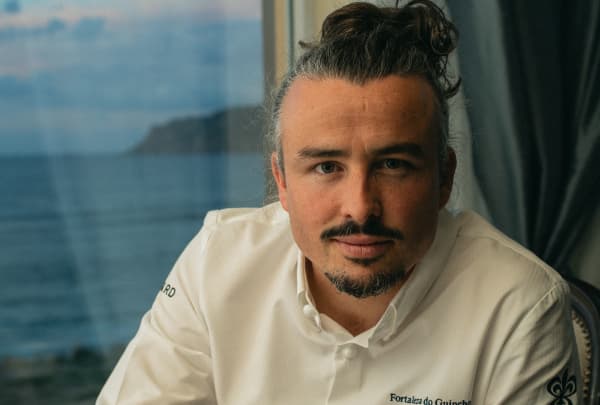
Fortaleza do Guincho

YŌSO - Omakase
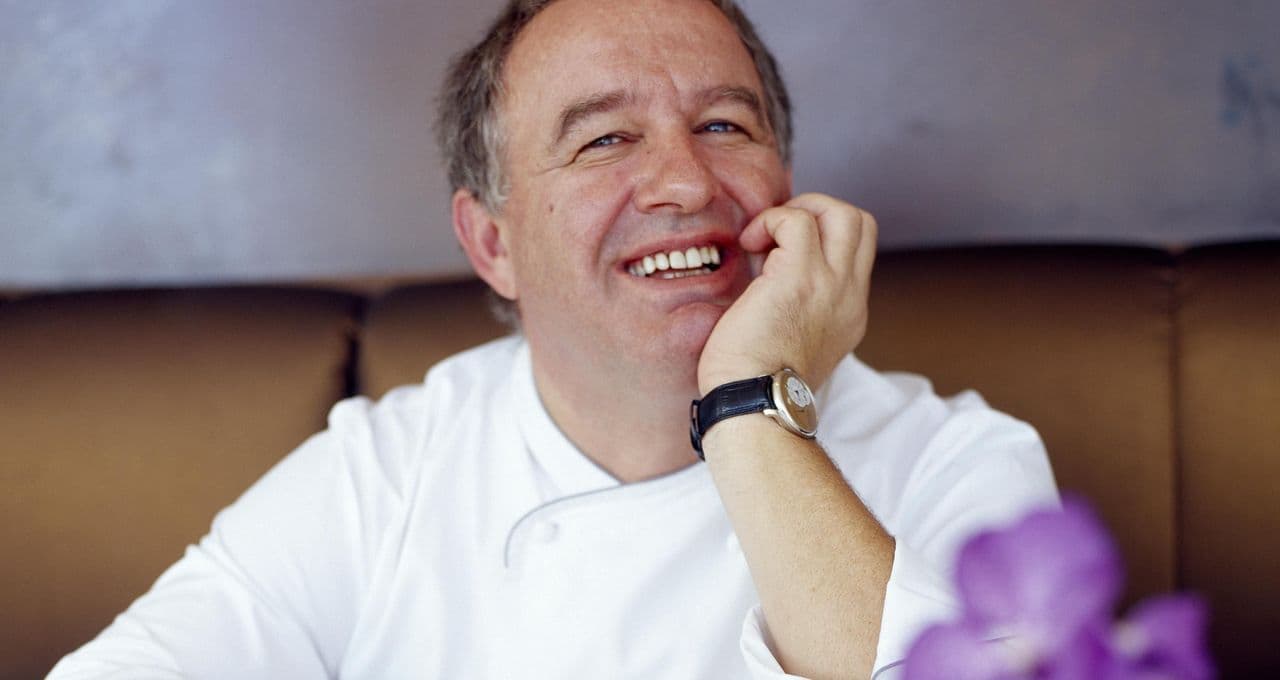
Malhadinha Nova
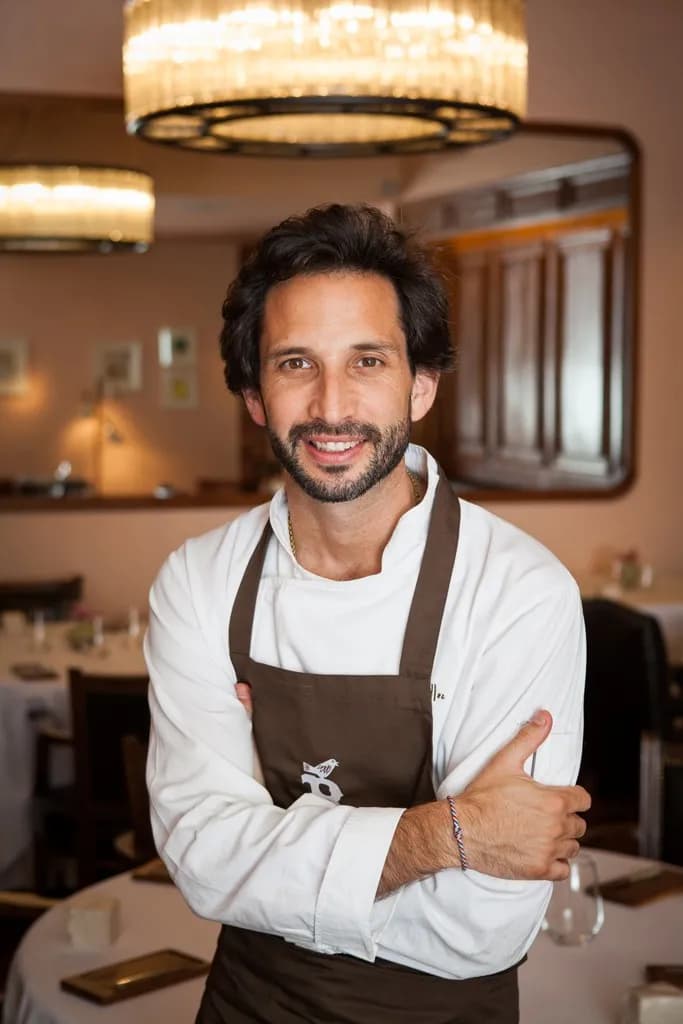
Belcanto
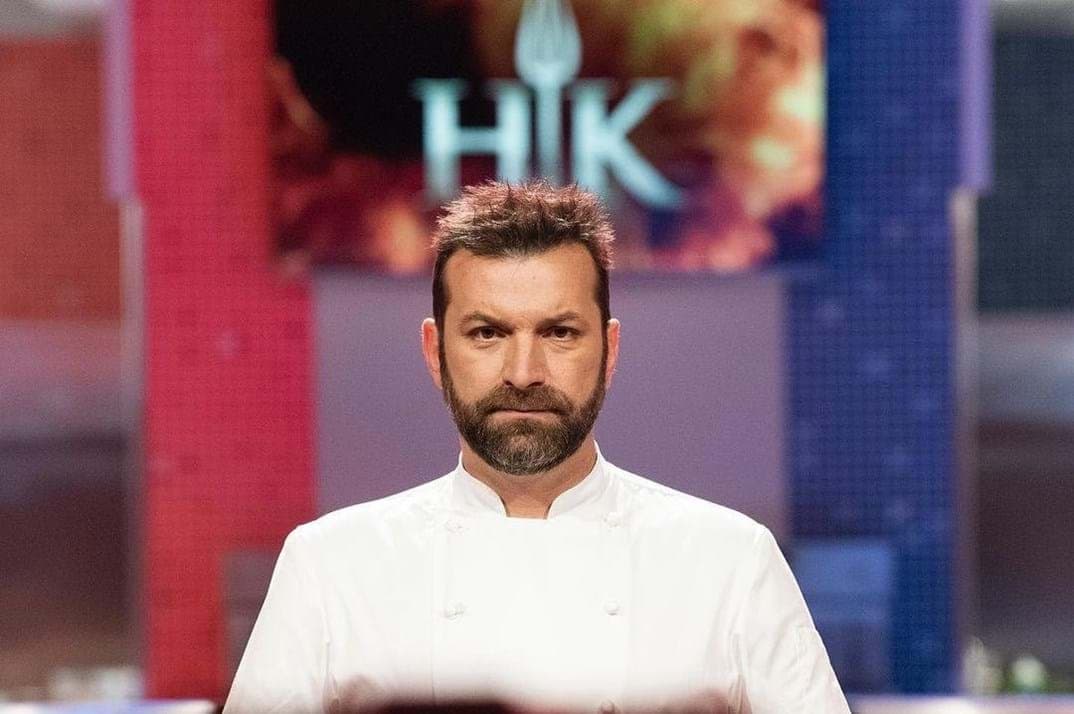
100 Maneiras
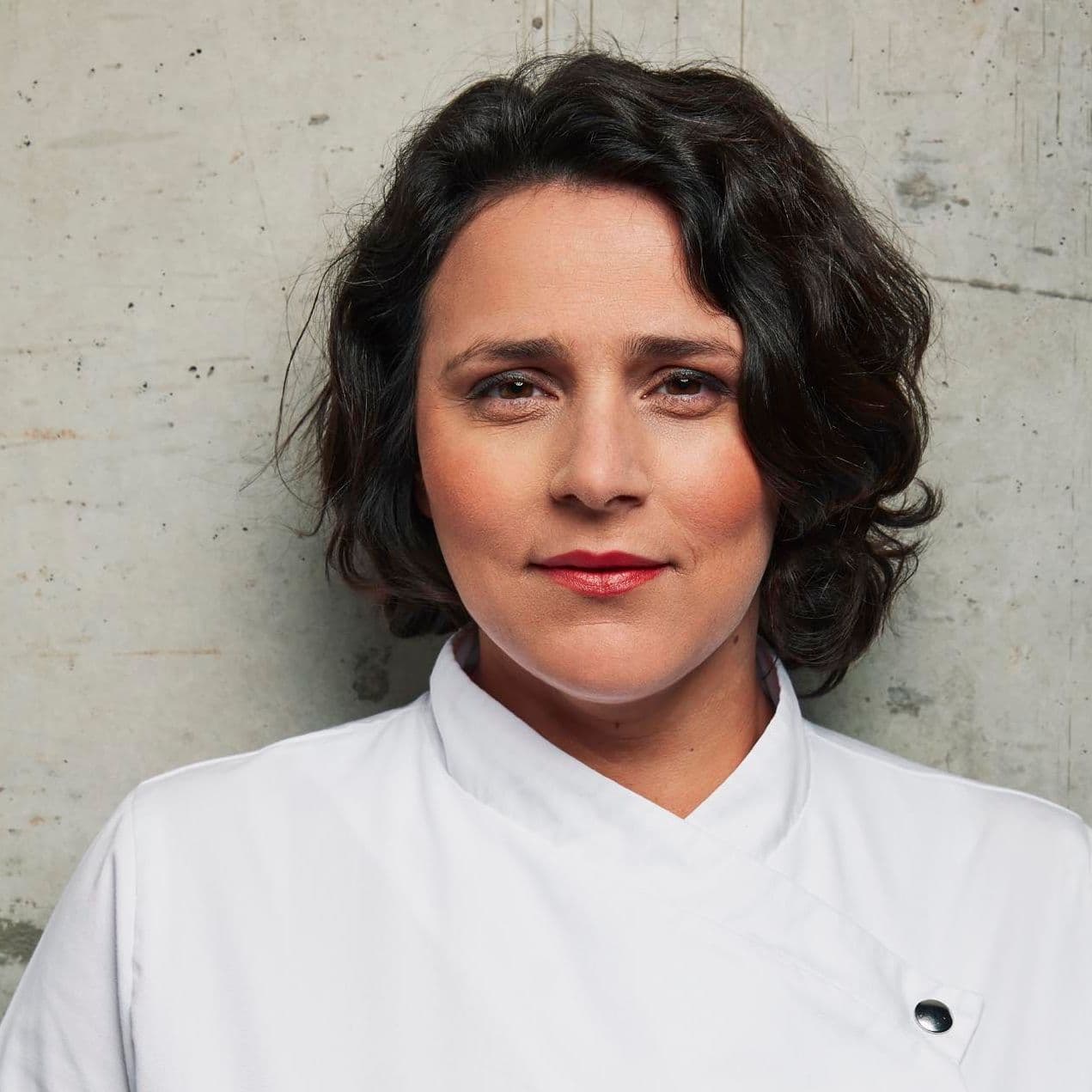
Marlene
.jpg&w=2048&q=75)
Praia no Parque
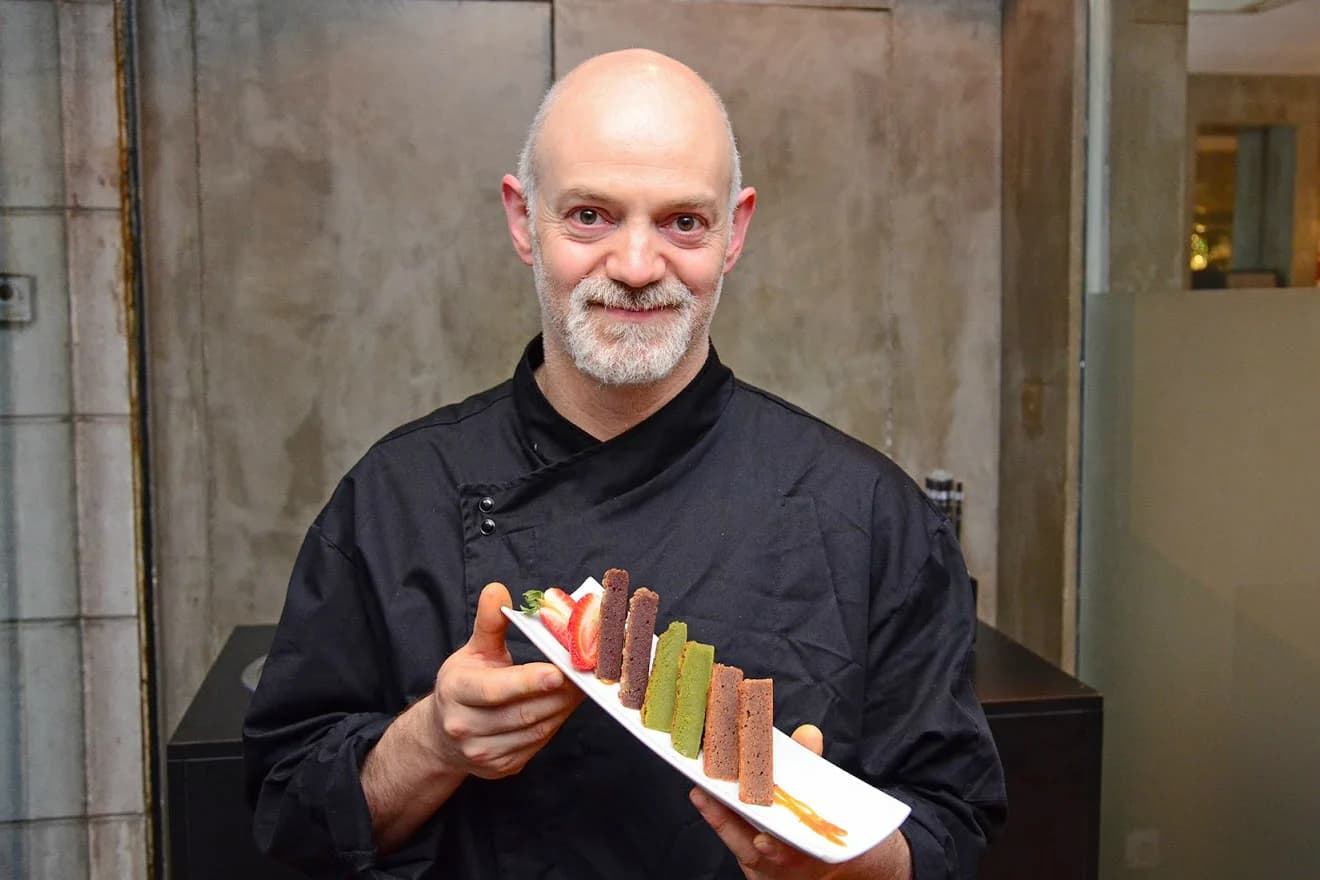
Kanazawa
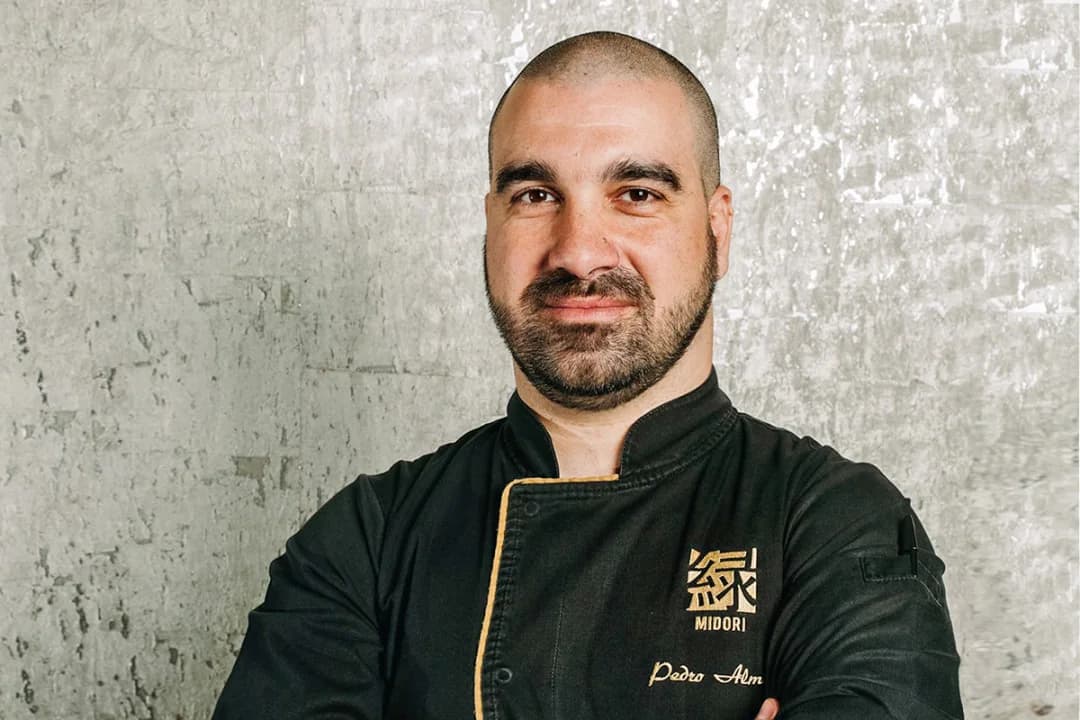
Midori
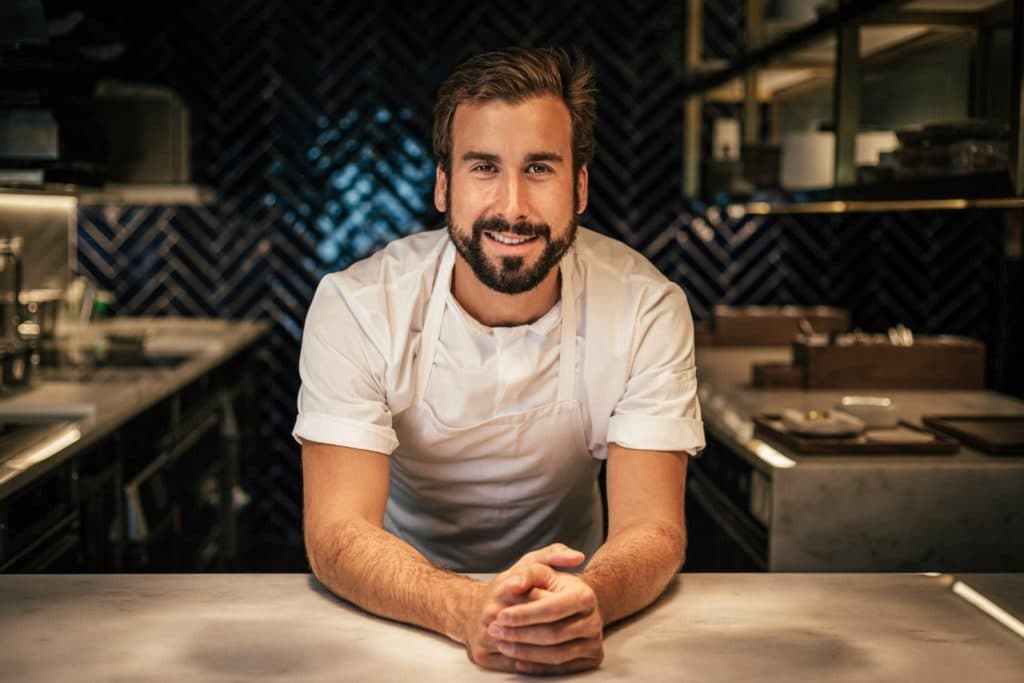
Broto
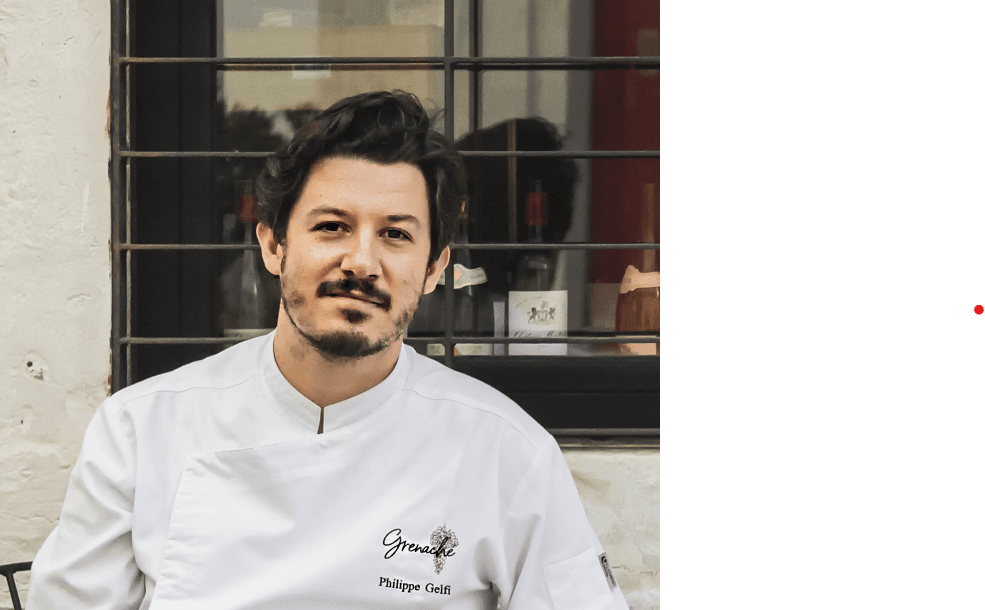
Grenache
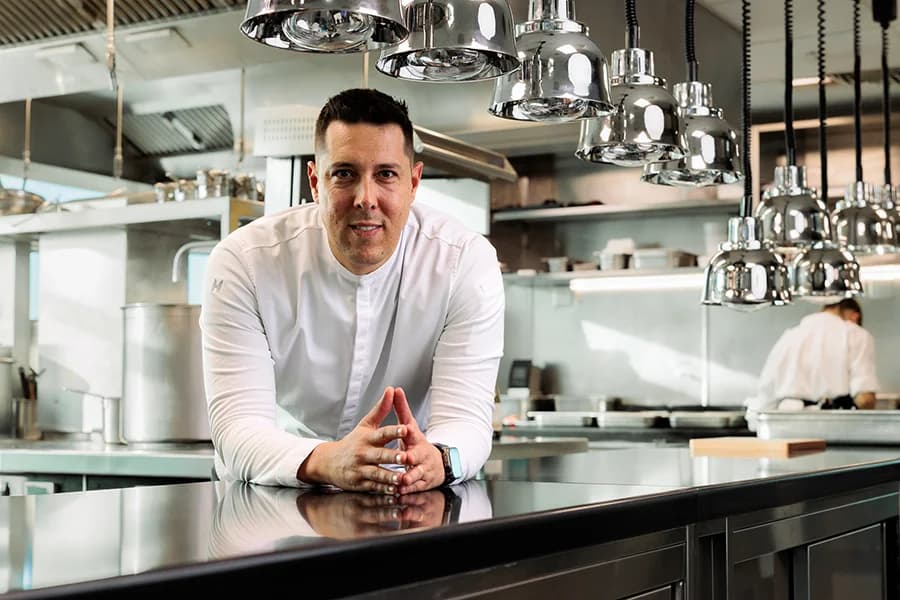
Fifty Seconds
From the cloistered kitchens of Jerónimos Monastery to cafés worldwide, the pastel de nata represents the sweet soul of Portuguese culinary tradition.

Explore how salted cod became Portugal's most beloved ingredient, shaping the nation's culinary identity for over 500 years through maritime tradition and regional innovation.
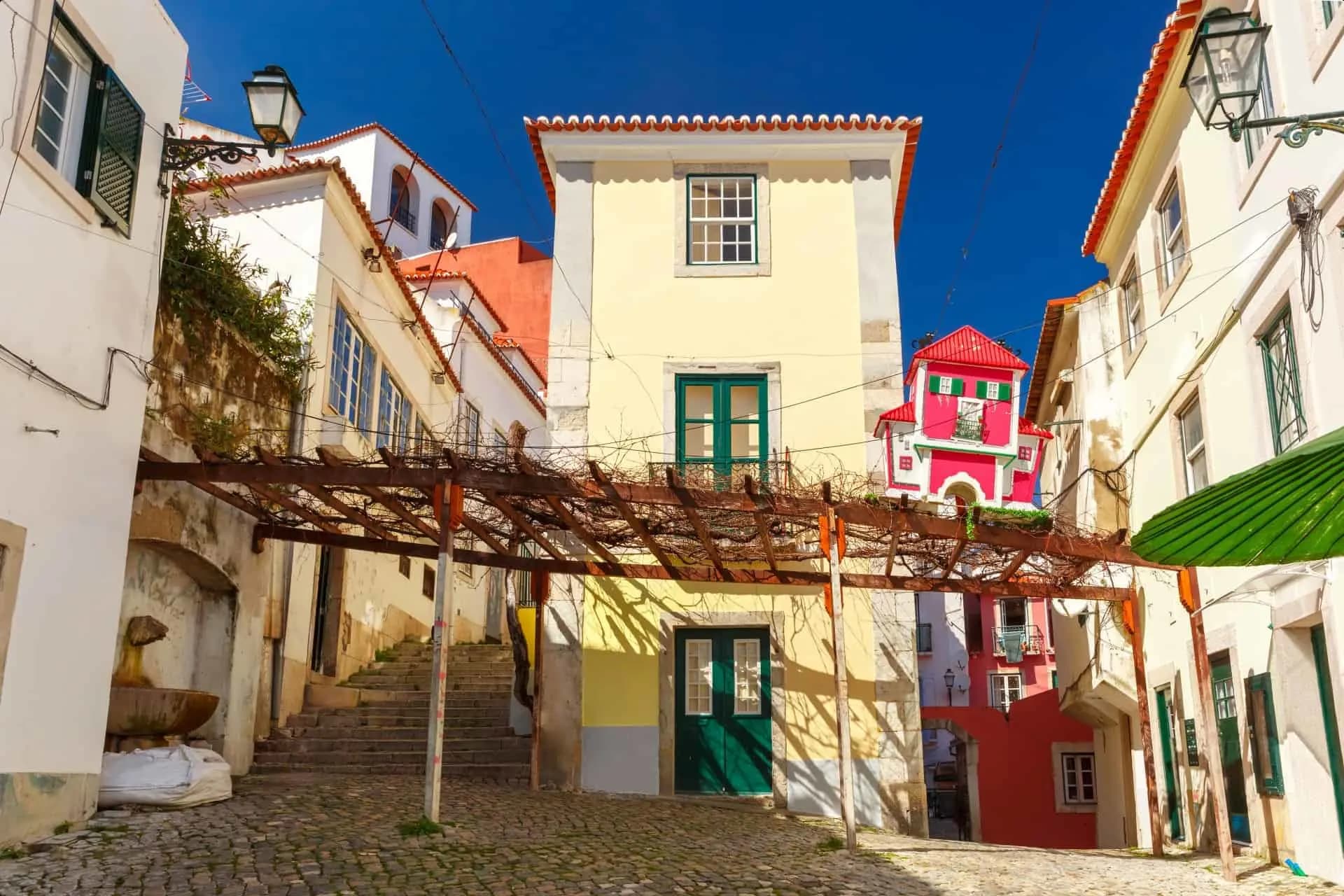
Discover the authentic flavors of Portugal's capital through the winding cobblestone streets of Alfama, where centuries-old culinary traditions come alive in every bite.

In the fairytale hills of Sintra, two legendary pastries have captivated visitors for centuries, representing the perfect marriage of Portuguese culinary tradition and royal heritage.
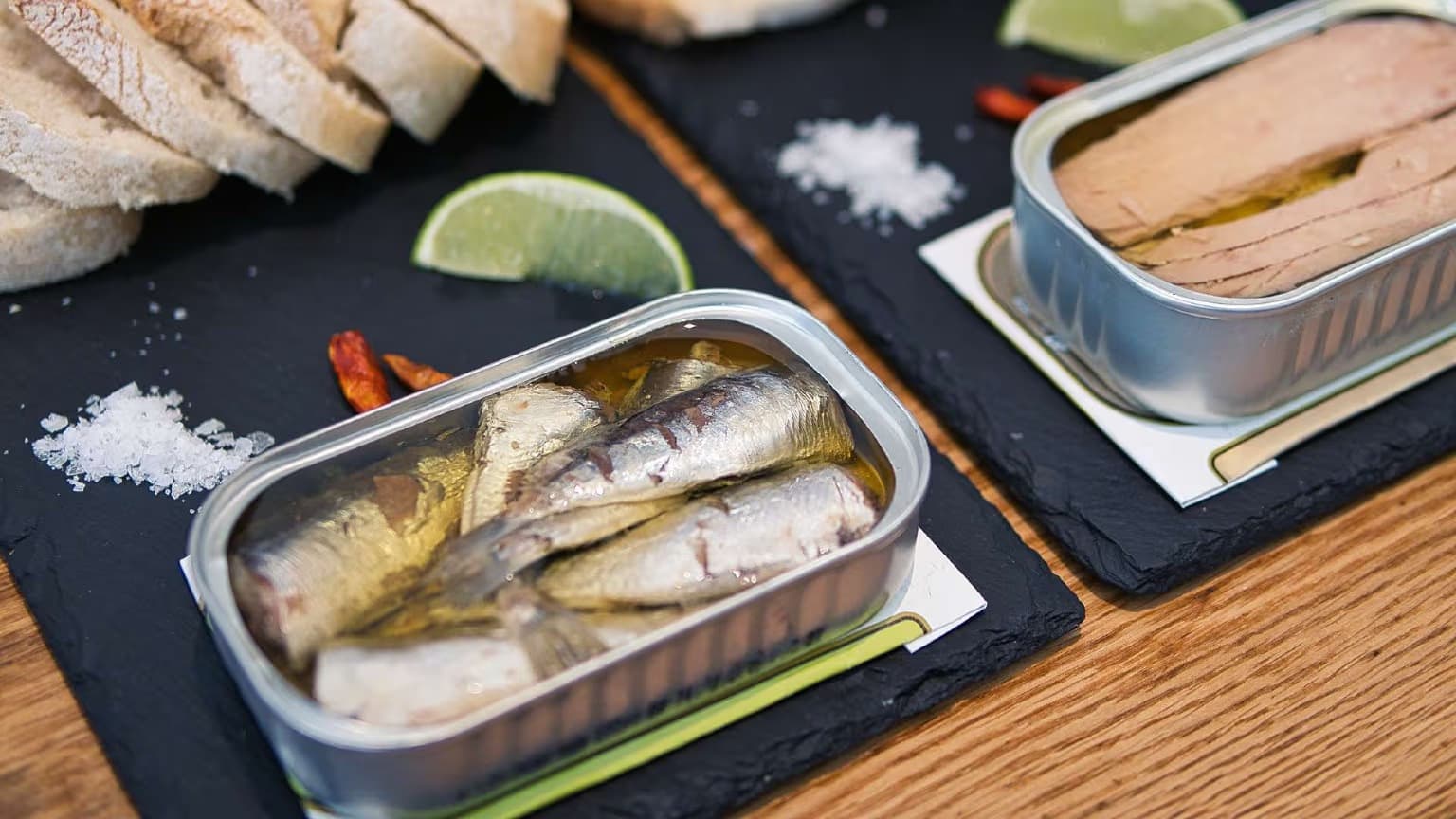
From humble pantry staples to gourmet delicacies gracing international restaurant menus, Portuguese conservas have transformed from necessity to luxury, leading a global tinned fish renaissance.

Lisbon's iconic Tram 28 winds through the city's most authentic neighborhoods, offering a unique culinary journey through centuries of Portuguese gastronomy and tradition.
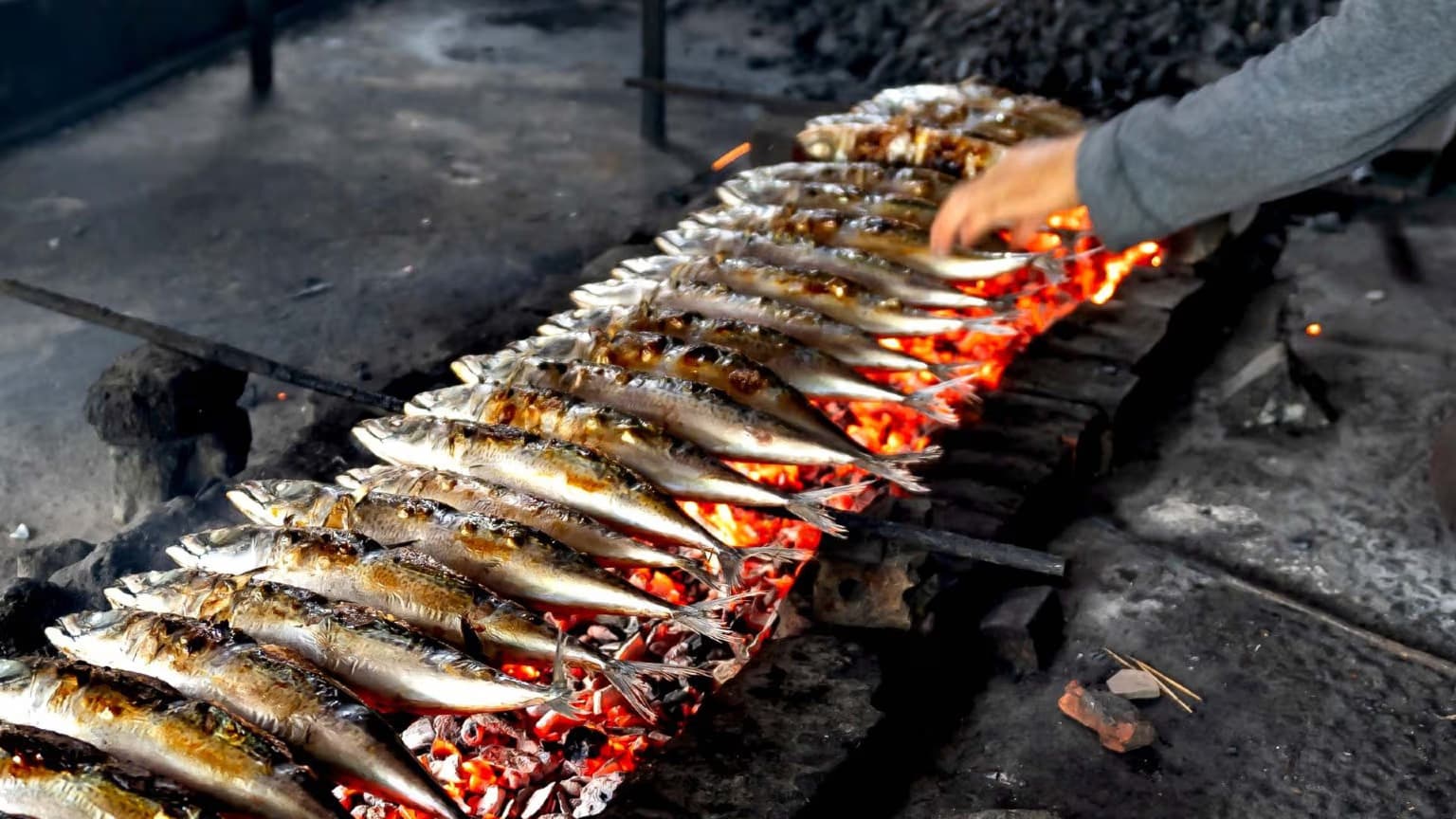
Every June, the aroma of grilled sardines and the sound of traditional music transform Lisbon's historic neighborhoods into one massive street celebration during Santos Populares.