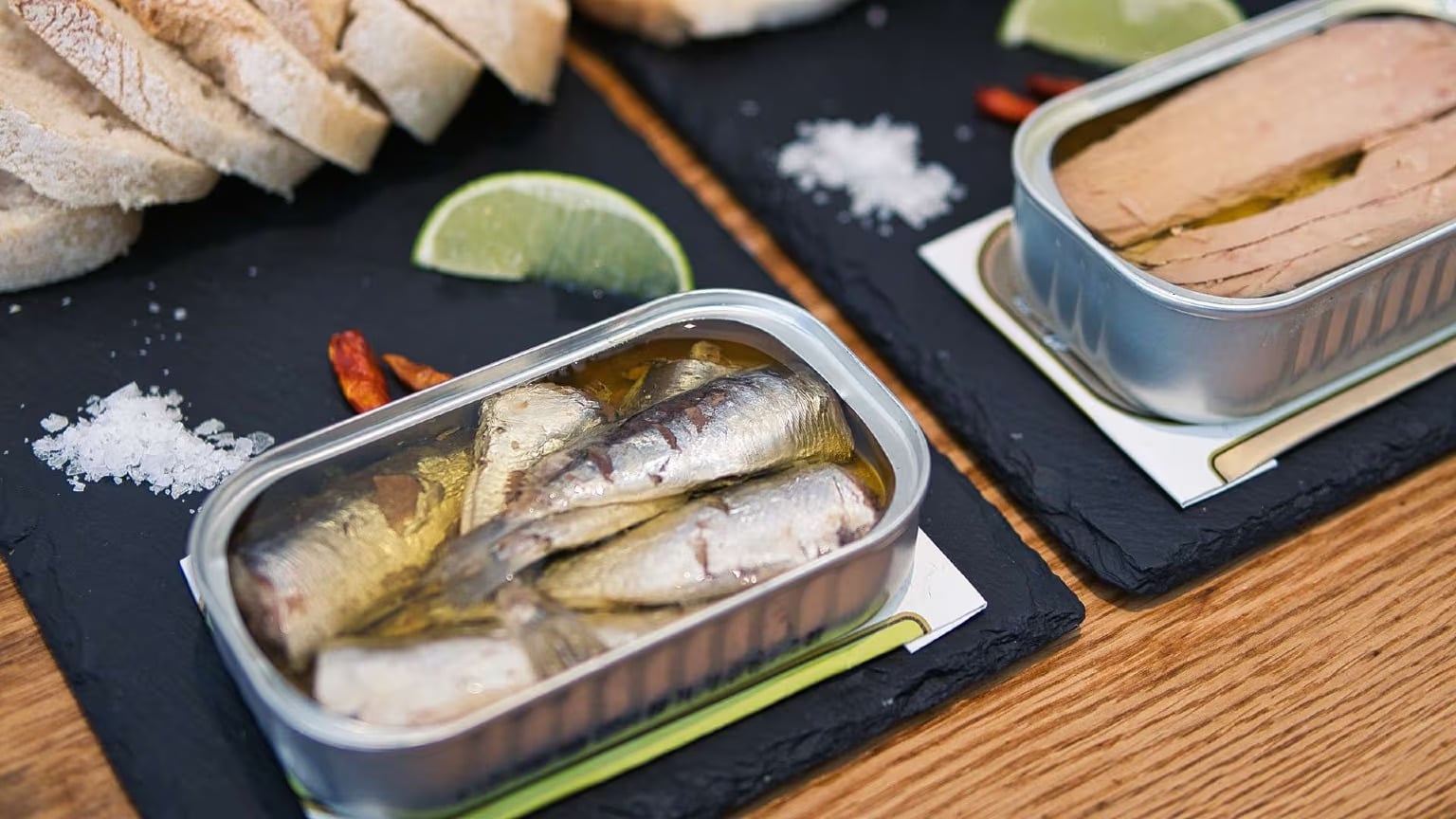
The Conservas Revival: How Tinned Fish Became Cool Again
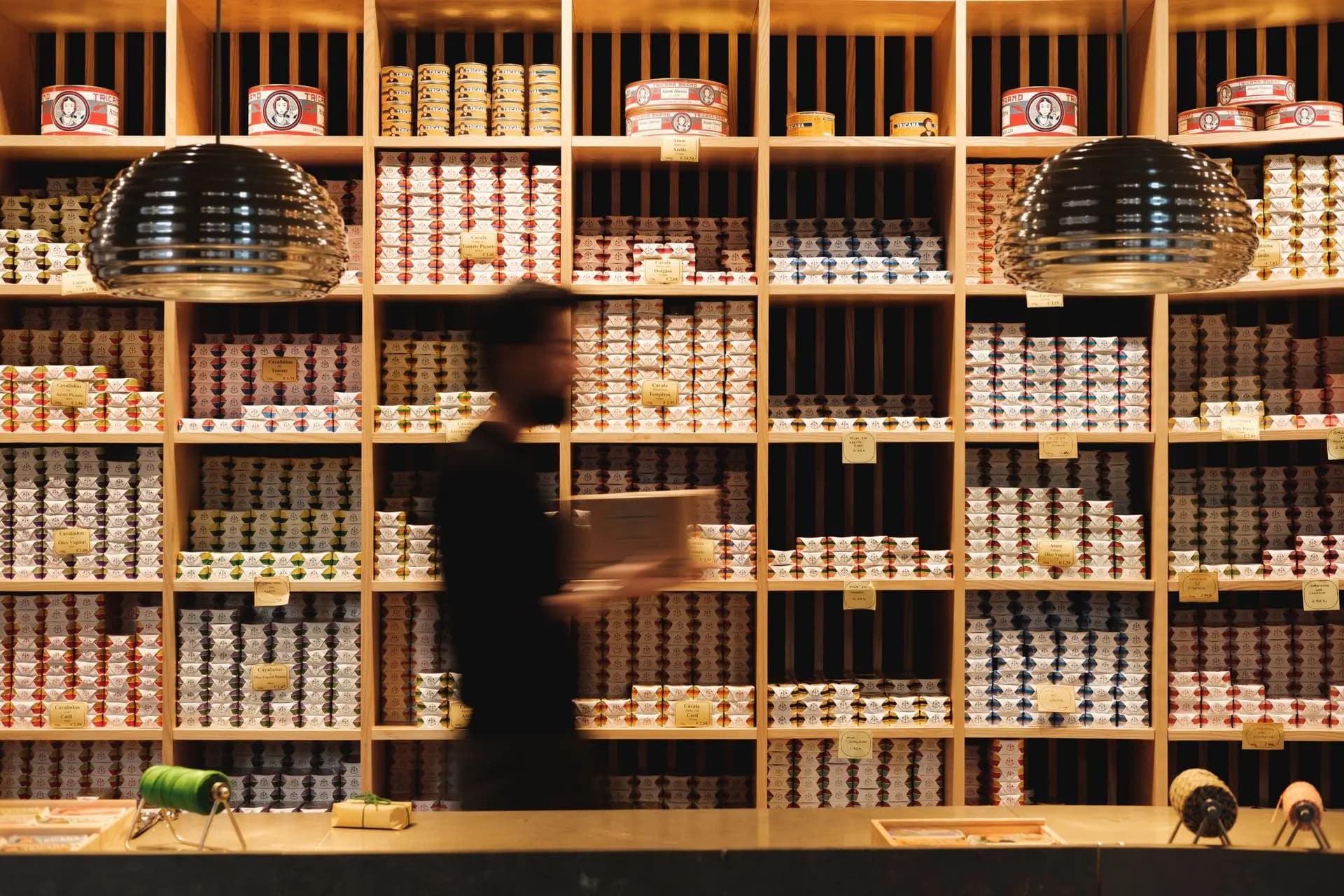
In the narrow aisles of Lisbon's Conserveira de Lisboa, shelves stretch from floor to ceiling, lined with hundreds of colorful tins that tell the story of Portugal's most enduring culinary tradition. What was once considered a humble pantry staple has undergone a remarkable transformation, evolving from working-class sustenance to gourmet delicacy that commands premium prices in international markets and features prominently on restaurant menus worldwide.
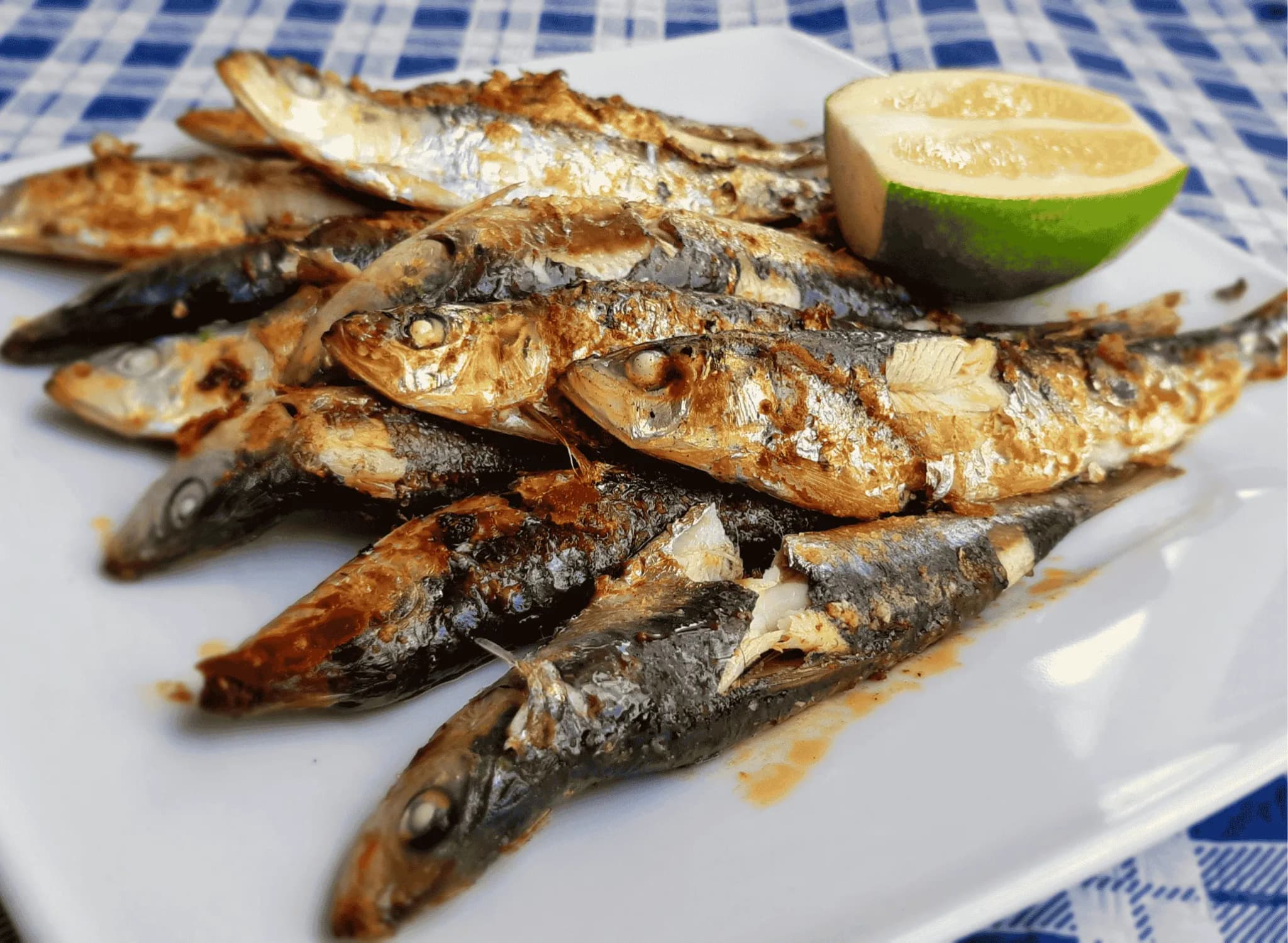
The Portuguese conservas tradition dates back over a century, with companies like Conservas Pinhais maintaining their artisanal canning methods since 1920. This heritage industry, deeply rooted in Portugal's maritime culture, has always been more than mere food preservation—it represents a sophisticated understanding of flavor enhancement through careful curing, smoking, and oil infusion techniques. The sardine, in particular, holds special cultural significance, celebrated annually during Lisbon's Santo António festival where grilled sardines become the centerpiece of summer revelry.
From Necessity to Luxury
The modern revival of conservas represents a fascinating cultural shift. What international food trends now celebrate as "fancy tinned fish" has never truly gone out of fashion in Portugal and Spain, where conservas culture remained steadfast even as other markets dismissed canned seafood as inferior. Portuguese producers maintained their commitment to quality, hand-packing fish with premium olive oils and traditional seasonings, creating products that rival fresh preparations in both flavor and nutritional value.
Today's conservas renaissance is driven by a new generation of food enthusiasts who appreciate both the artisanal craftsmanship and the sustainable convenience these products offer. High-end restaurants now feature conservas on their menus, while specialty shops in major cities worldwide stock Portuguese brands that can command prices exceeding $40 per tin. This transformation reflects a broader shift in culinary values, where provenance, tradition, and quality trump convenience and mass production.
The success of Portuguese conservas in the global market demonstrates how traditional food cultures can adapt and thrive in contemporary gastronomy. By maintaining their artisanal methods while embracing modern packaging and marketing, Portuguese producers have positioned their products as premium offerings that celebrate both heritage and innovation. The tinned fish that once sustained Portuguese fishing communities now serves as an ambassador for the country's culinary sophistication, proving that the best traditions are those that evolve while honoring their roots.