The Golden Thread: Portugal's Ancient Olive Oil Legacy
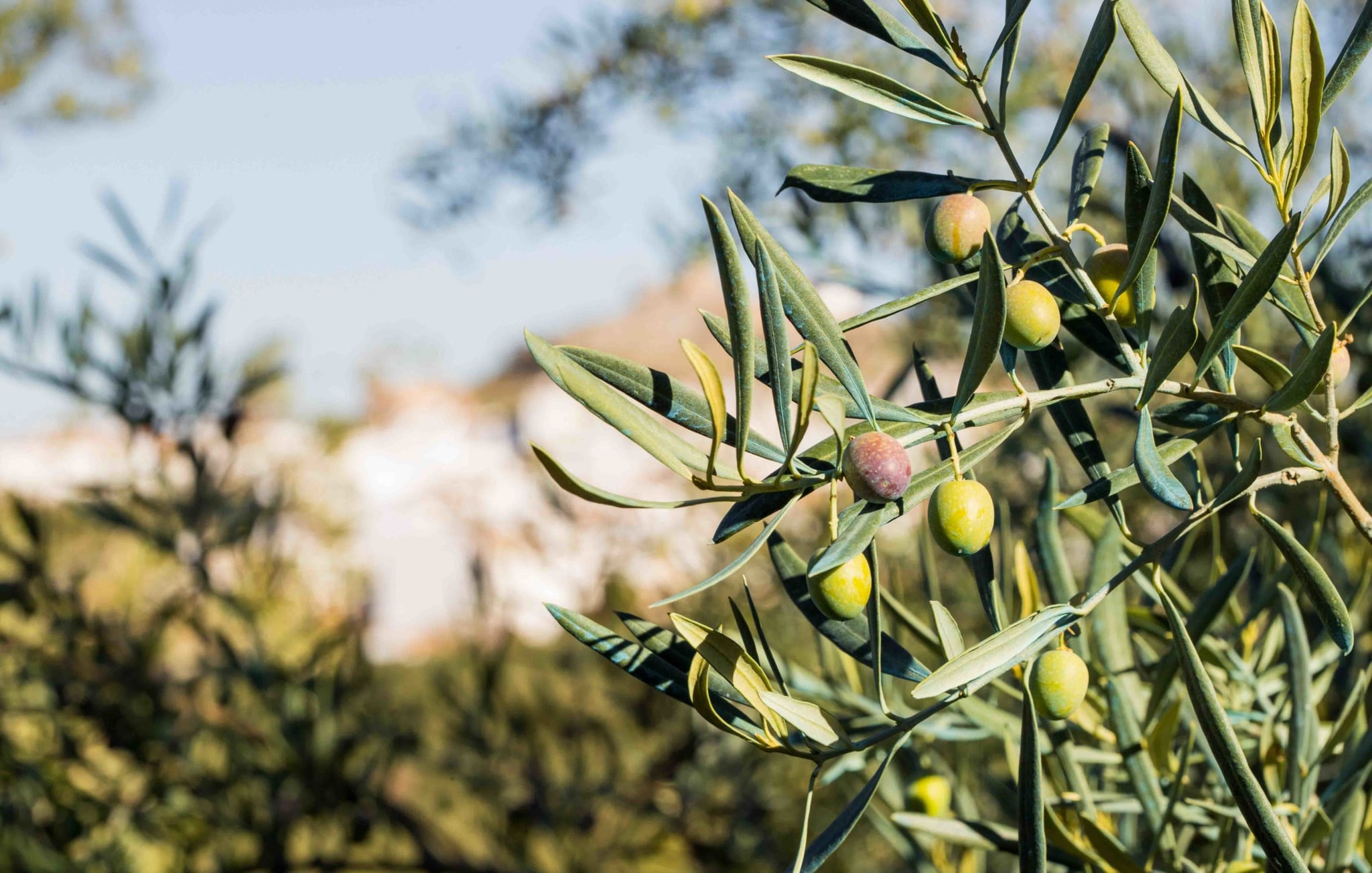
In the rolling hills of Portugal, where ancient olive trees stretch their gnarled branches toward the Atlantic sky, a liquid gold flows that has sustained generations for over two millennia. Portuguese olive oil isn't merely a cooking ingredient—it's a cultural cornerstone, a testament to the country's agricultural heritage, and perhaps the most underappreciated treasure in the Mediterranean's culinary crown.
Roots Deep as Time
The story of Portuguese olive oil begins with the Romans, who recognized the Iberian Peninsula's exceptional terroir for olive cultivation. Archaeological evidence suggests that olive groves flourished in what is now Portugal as early as the 2nd century BCE. The Phoenicians and later the Moors refined cultivation techniques, introducing irrigation systems that transformed the landscape into the olive paradise we see today.
Unlike its more famous Spanish and Italian neighbors, Portugal's olive oil industry developed in relative obscurity, allowing traditional methods to persist unchanged for centuries. This isolation became Portugal's greatest asset, preserving ancient varietals and time-honored production techniques that have largely disappeared elsewhere.
The Sacred Groves of Portugal
Alentejo: The Heart of Portuguese Olive Oil
The vast plains of Alentejo produce nearly 80% of Portugal's olive oil, where endless rows of silvery-green trees create a mesmerizing patchwork across the landscape. Here, the indigenous Galega variety reigns supreme, producing oils with a distinctive peppery finish and herbaceous notes that speak of wild rosemary and Mediterranean herbs.
"In Alentejo, we don't just grow olives—we cultivate tradition," explains João Santos, a third-generation olive farmer from Évora. "Every tree tells a story, and every drop of oil carries the memory of our ancestors."
Trás-os-Montes: Mountain Gold
In the rugged northeastern region of Trás-os-Montes, olive cultivation takes on an almost heroic quality. Here, centuries-old trees cling to steep terraces carved from schist and granite, producing oils of extraordinary complexity. The Cobrançosa variety, native to this region, yields oils with an intense fruitiness balanced by a pleasant bitterness—a reflection of the harsh yet beautiful landscape from which it springs.
The Coastal Influence
Portugal's Atlantic coastline brings a unique maritime influence to its olive oils. The constant sea breeze and moderate temperatures create ideal conditions for slow ripening, resulting in oils with exceptional aromatic complexity. Coastal producers often speak of their oils having a "taste of the sea"—not saltiness, but a mineral freshness that sets Portuguese oils apart from their Mediterranean cousins.
Traditional Methods in a Modern World
What makes Portuguese olive oil truly special is the persistence of traditional production methods alongside modern innovation. Many producers still harvest by hand, using wooden rakes to gently coax olives from branches, ensuring minimal damage to the fruit. The sight of entire families working together during harvest season—from grandparents to grandchildren—remains common throughout the countryside.
The traditional stone mills, called "lagares," still operate in many quinta estates. These ancient granite wheels, some dating back centuries, crush olives at a pace that seems almost meditative compared to modern steel machinery. The slow, cold extraction preserves the oil's delicate flavor compounds and antioxidants, producing oils of exceptional quality and longevity.
A Culinary Philosophy
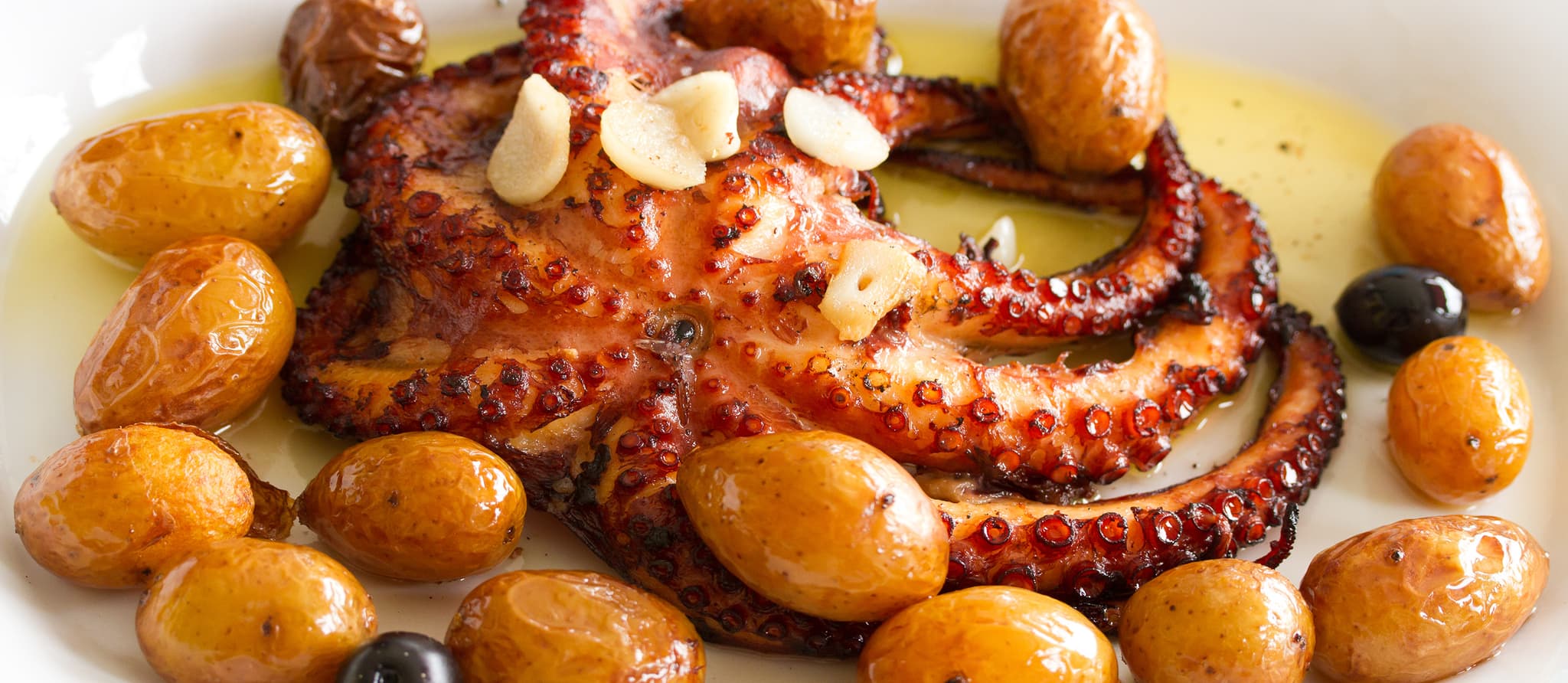
In Portuguese cuisine, olive oil isn't just an ingredient—it's a philosophy. The concept of "azeite virgem extra" goes beyond technical specifications to encompass a way of life. Portuguese cooks use olive oil with an intuitive understanding passed down through generations:
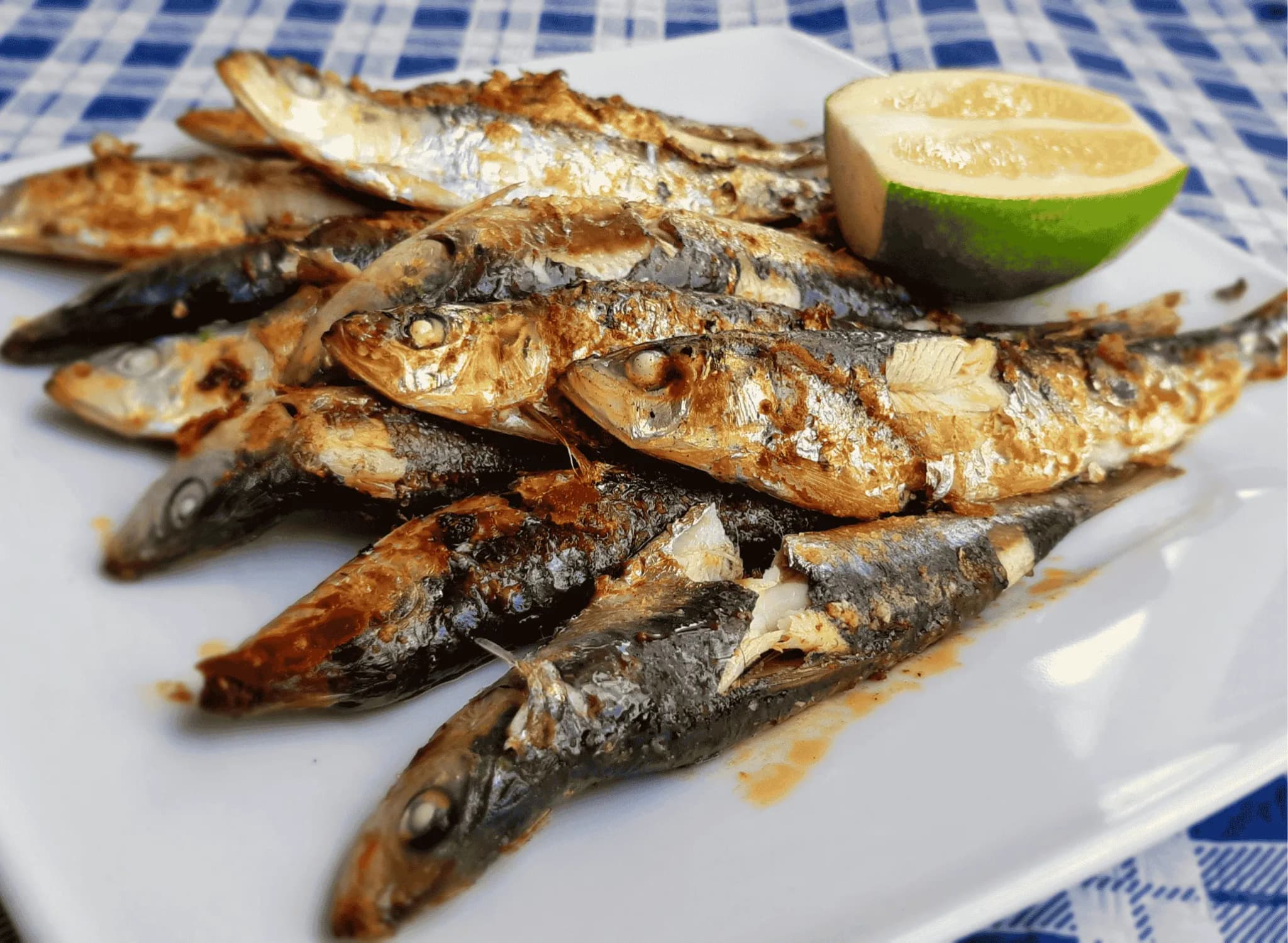
- Raw applications: Drizzled over fresh bread with coarse sea salt, or finishing grilled sardines
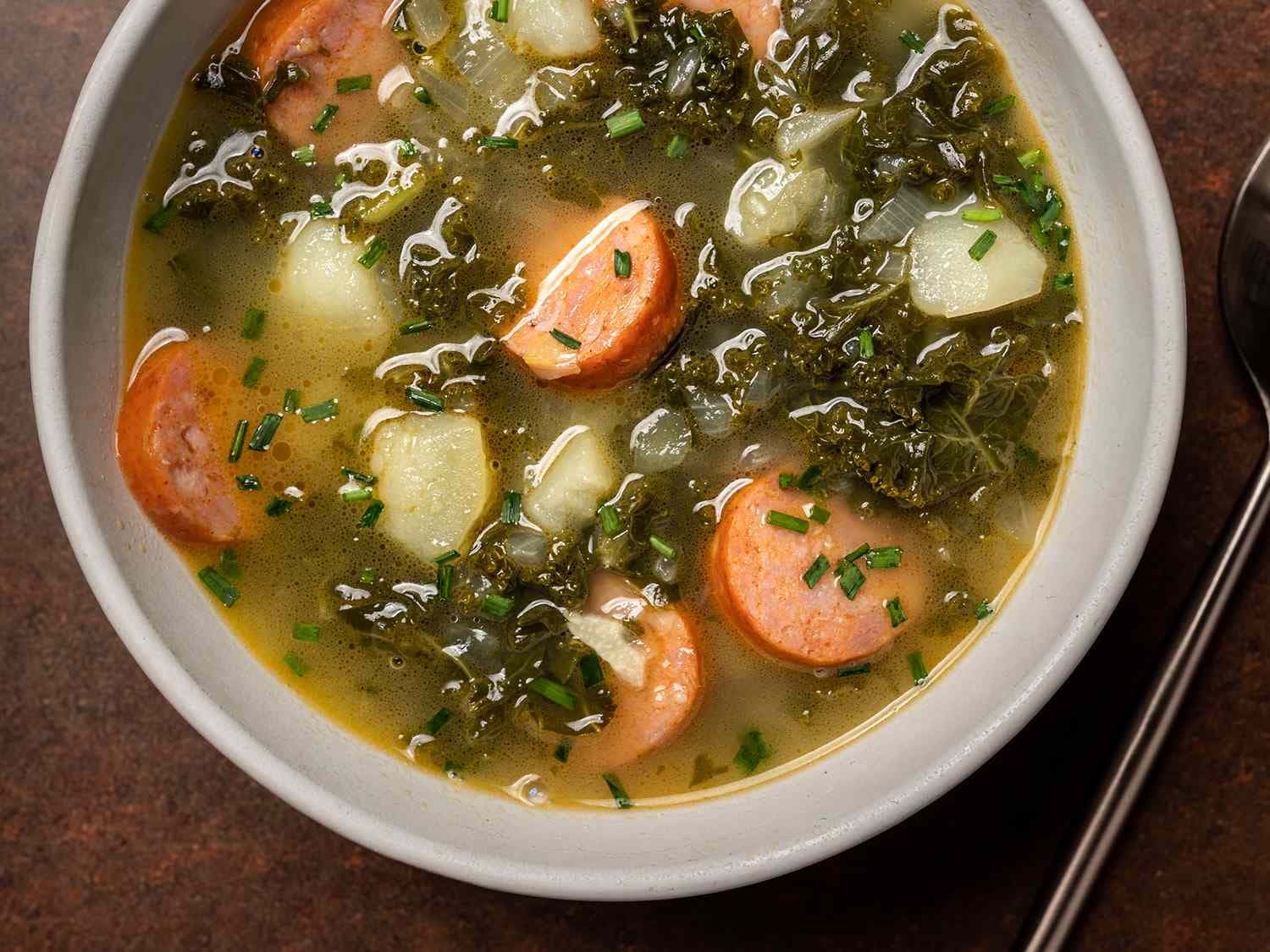
- Gentle cooking: The base for sofrito, slowly building flavors in traditional stews
- Preservation: Conserving cheeses, olives, and vegetables in olive oil
- Ritual: The ceremonial first taste of new oil each harvest season
The Portuguese have a saying: "Azeite e amigos, os melhores são os velhos"—olive oil and friends, the best are the old ones. This reflects not just a preference for aged oils, but a deeper understanding of olive oil as something that improves with patience and care.
The Terroir Revolution
Today, Portugal is experiencing an olive oil renaissance. Young producers are returning to family estates, combining ancestral knowledge with modern techniques. They're rediscovering forgotten varietals like Verdeal and Cordovil, creating single-varietal oils that express the unique character of specific microclimates.
The concept of terroir—so well established in Portuguese wine—is finally being applied to olive oil. Producers are creating oils that taste unmistakably of their place: the mineral slate of the Douro, the red clay of Alentejo, the granite soils of Minho. These aren't just oils; they're liquid landscapes.
Beyond the Kitchen
Portuguese olive oil culture extends far beyond culinary applications. In rural communities, olive oil serves medicinal purposes, skincare rituals, and even religious ceremonies. The blessing of new oil remains an important tradition in many villages, connecting communities to their agricultural heritage.
The economic impact cannot be understated. Small-scale olive farming provides livelihoods for thousands of families, particularly in interior regions where other economic opportunities are limited. The recent focus on premium, estate-bottled oils has created new markets and renewed pride in traditional farming practices.
Tasting the Future
As Portugal's olive oil industry evolves, it faces the challenge of maintaining authenticity while meeting global demand. The best producers are finding this balance by staying true to their terroir while embracing sustainable practices and innovative marketing.
For food lovers, Portuguese olive oil offers an opportunity to taste something genuinely unique—oils that carry the essence of Atlantic winds, ancient soils, and centuries of accumulated wisdom. In every golden drop lies the story of Portugal itself: resilient, authentic, and utterly distinctive.
The next time you encounter a bottle of Portuguese olive oil, remember that you're not just purchasing a condiment—you're connecting with one of Europe's most enduring and authentic food traditions, one that continues to flow like liquid gold from Portugal's ancient groves to tables around the world.
.jpg&w=2048&q=75)