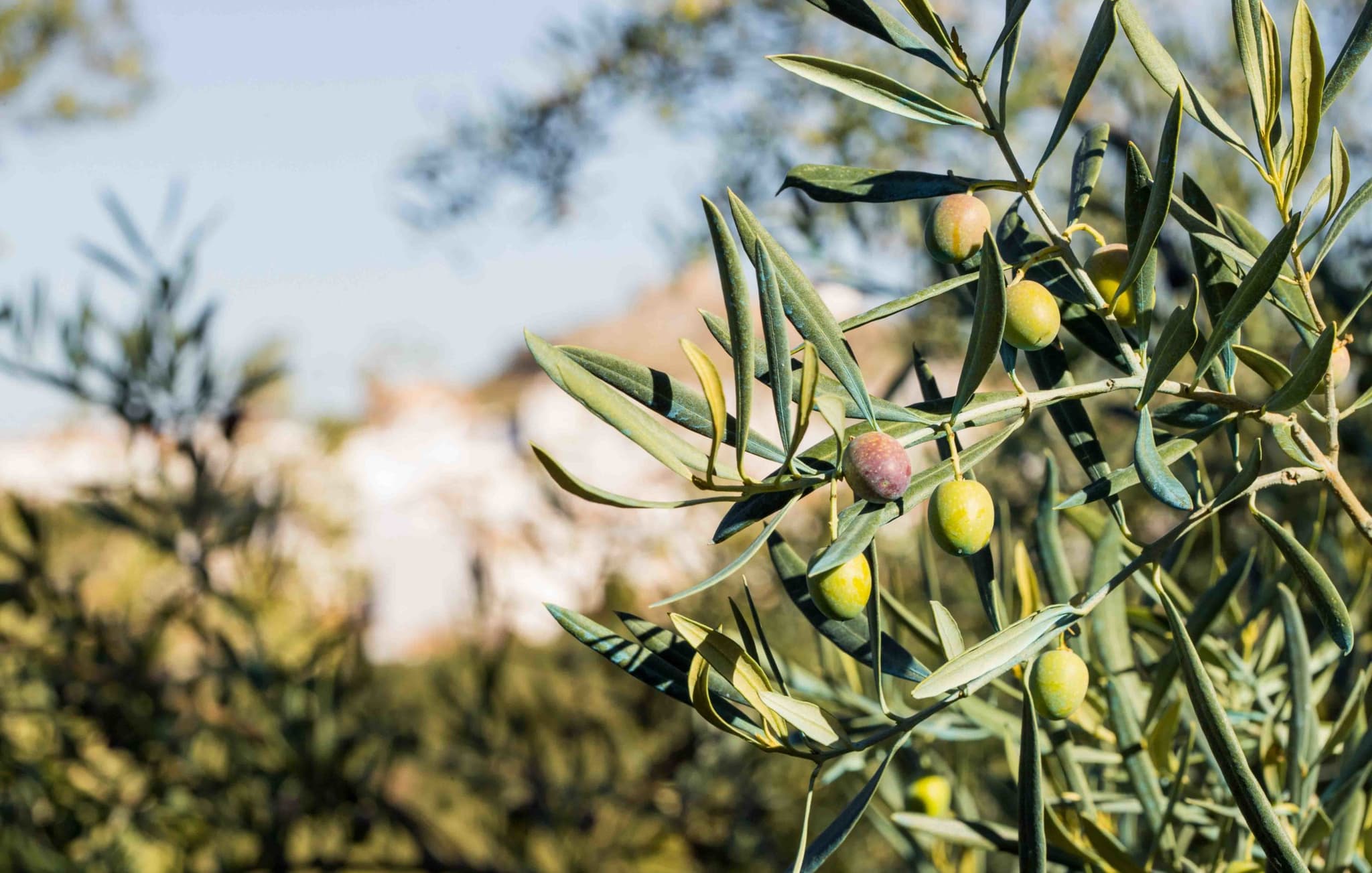
The Alentejo asks you to slow down, and if you can't, it simply ignores you.
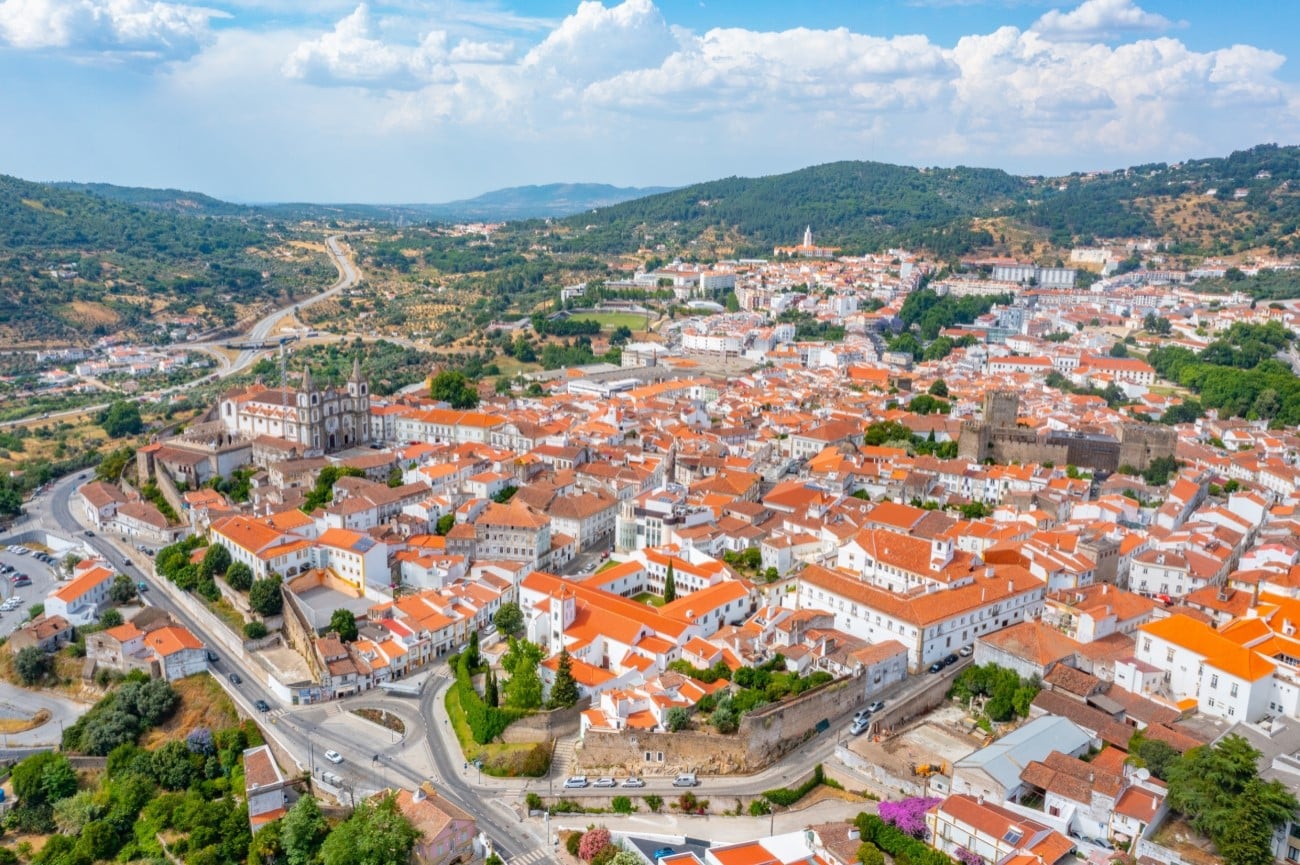
This is Portugal's largest region and its least populated, and those two facts explain almost everything. The landscape is vast wheat fields, cork oak savannahs known as montado, whitewashed villages dropped onto hilltops, and olive groves that stretch to horizons nobody bothered to fence. The pace is deliberate. The lunch is long. The summer is cruel, with temperatures that routinely clear 40 degrees, which is partly why villages have narrow streets, thick walls, and houses painted white with that distinctive blue or yellow trim around windows and doors.
Évora is the obvious entry point, and rightly so. A Roman temple, a medieval cathedral, a university founded in 1559, all packed inside walls you can walk around in an afternoon. But the Alentejo is not really about its towns. It's about the in-between. Driving the backroads between Mértola and Serpa, or stopping at a village adega where the wine is served from a demijohn and the conversation happens whether you want it or not. Eating black pork raised on acorns, bread kneaded at dawn, cheeses aged in cellars older than most countries.
There is also the coast, the so-called Costa Vicentina, which remains one of the wildest stretches of shoreline left in Europe. Cliffs, wind, empty beaches, and a handful of fishing villages where lunch is whatever came off the boat that morning.
The Alentejo will not try to impress you. That's exactly its power. Give it three or four days, resist the urge to fill every hour, and you'll understand why people who know Portugal well tend to name this as their favourite part of it.

.jpg&w=2048&q=75)