The Cataplana: Algarve's Copper Pot of Wonders
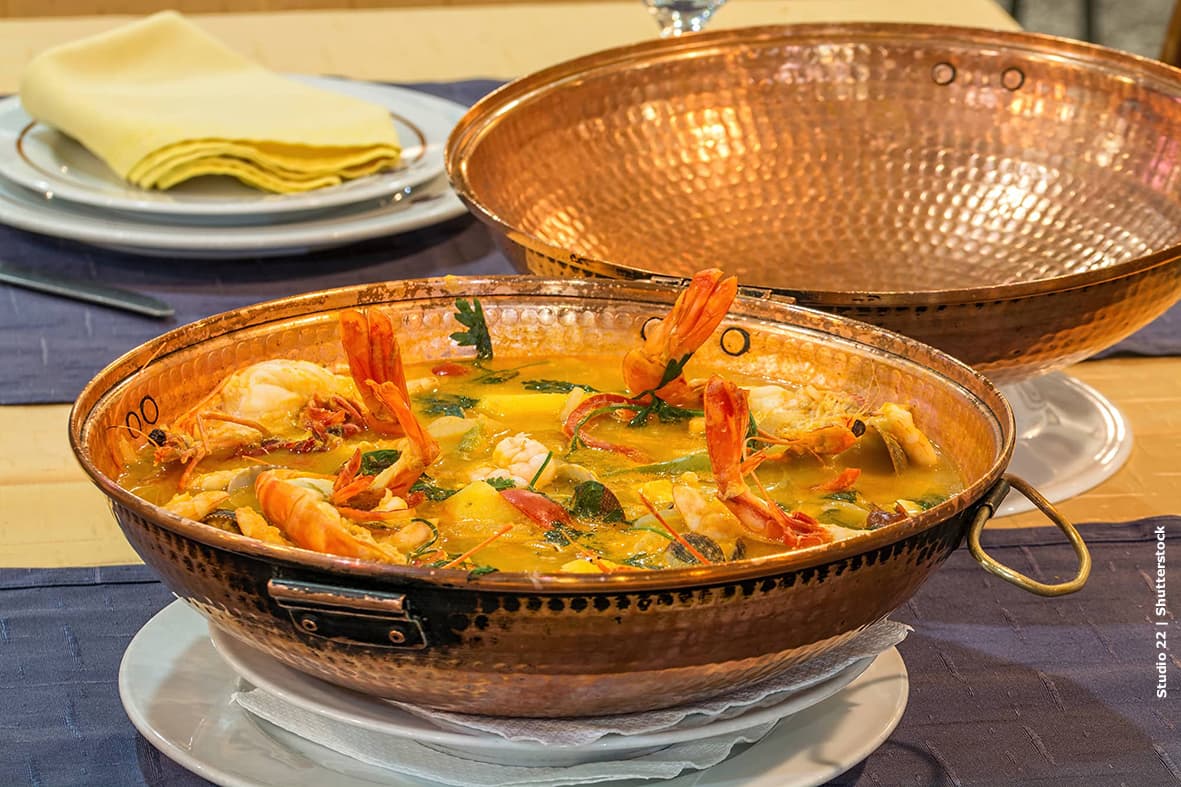
The cataplana is far more than a cooking pot—it is a testament to Portugal's rich culinary heritage and the enduring influence of Moorish culture on the Iberian Peninsula. This distinctive copper vessel, resembling a giant clamshell with its hinged design, has been the cornerstone of Algarve cuisine for centuries, transforming simple ingredients into extraordinary dishes through the ancient art of steam cooking.
The origins of the cataplana trace back to the Moorish occupation of southern Portugal between the 8th and 13th centuries. The Moors, particularly the Bedouin tribes, brought with them sophisticated cooking techniques and metalworking skills that would forever change Portuguese gastronomy. The cataplana's unique design—two copper bowls that clamp together to create an airtight seal—reflects the nomadic cooking traditions of these North African peoples, who needed efficient methods to prepare meals while conserving precious water and fuel.
The Art of Steam Perfection
What makes the cataplana truly remarkable is its cooking method. When the two halves are clamped together, the vessel functions much like a pressure cooker, creating an enclosed environment where ingredients steam in their own juices. This technique locks in flavors, preserves nutrients, and creates the distinctive taste that has made cataplana dishes legendary throughout Portugal. The copper construction ensures even heat distribution, while the tight seal prevents any escape of the aromatic steam that builds within.
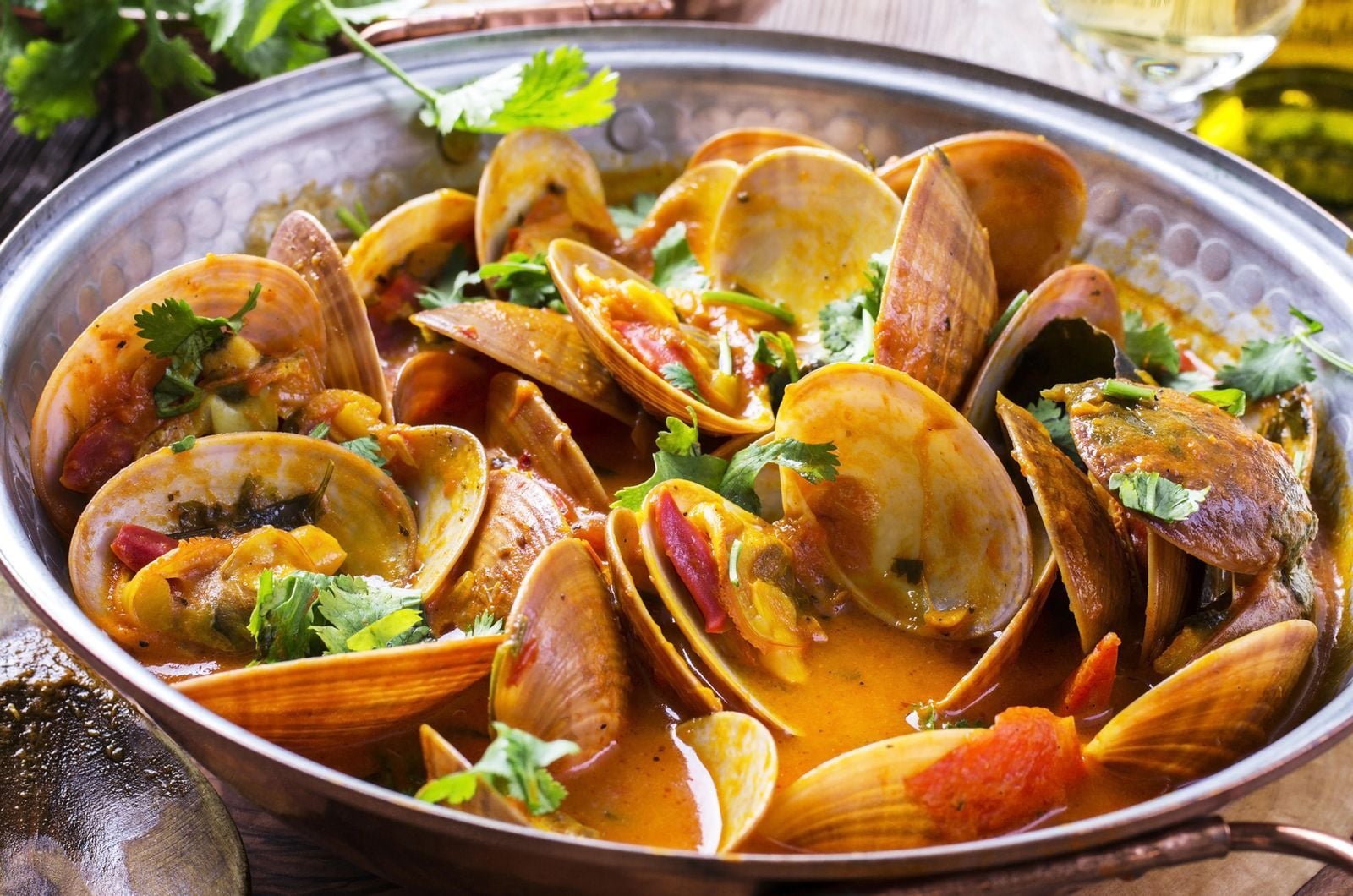
Traditional cataplana recipes celebrate the bounty of the Algarve's coastline, typically featuring a harmonious blend of fresh seafood, pork, vegetables, and aromatic herbs. Clams, prawns, and various fish mingle with chorizo, bell peppers, onions, and tomatoes, all enhanced by generous amounts of garlic, coriander, and bay leaves. Each village along the coast has developed its own variation, creating a rich tapestry of flavors that reflects local fishing traditions and seasonal availability.
While some culinary historians credit Portuguese metalworker Armando Luz with perfecting the modern cataplana design in 1927, the vessel's fundamental concept remains unchanged from its Moorish origins. Today, the cataplana continues to be handcrafted by skilled artisans, primarily in copper, though modern versions in stainless steel are also available. The traditional copper cataplanas are prized not only for their superior cooking properties but also as beautiful serving pieces that bring theater to the dining table.
In contemporary Portuguese cuisine, the cataplana has transcended its humble origins to become a symbol of the Algarve's culinary identity. From family gatherings to high-end restaurants, the dramatic presentation of opening the steaming vessel at the table creates a moment of anticipation and celebration. The cataplana embodies the Portuguese philosophy of cooking—simple ingredients treated with respect, traditional techniques preserved across generations, and the joy of sharing exceptional food with those we love.