Most people think they know the Algarve, and most people are wrong.
The version sold on travel agency billboards is a narrow coastal strip of hotels, golf courses, and beaches that genuinely are some of the best in Europe. That Algarve exists. It works. Millions of visitors a year can't all be mistaken about the warmth of the water or the drama of the ochre cliffs between Lagos and Sagres. But treat that as the whole story and you'll miss most of the region.
Drive thirty minutes inland and everything changes. The serra rises, the pine gives way to cork and carob, and you find villages like Alte, Monchique, or Loulé where the pace resembles the Alentejo more than the beach bars of Albufeira. February brings almond blossom, an underrated spectacle that locals know and tourists somehow never discover. The Algarve was Moorish for longer than it has been Portuguese, and that layer is still visible in place names (nearly every town starting with Al is Arabic in origin), in the architecture, in the agricultural techniques that shaped the land.
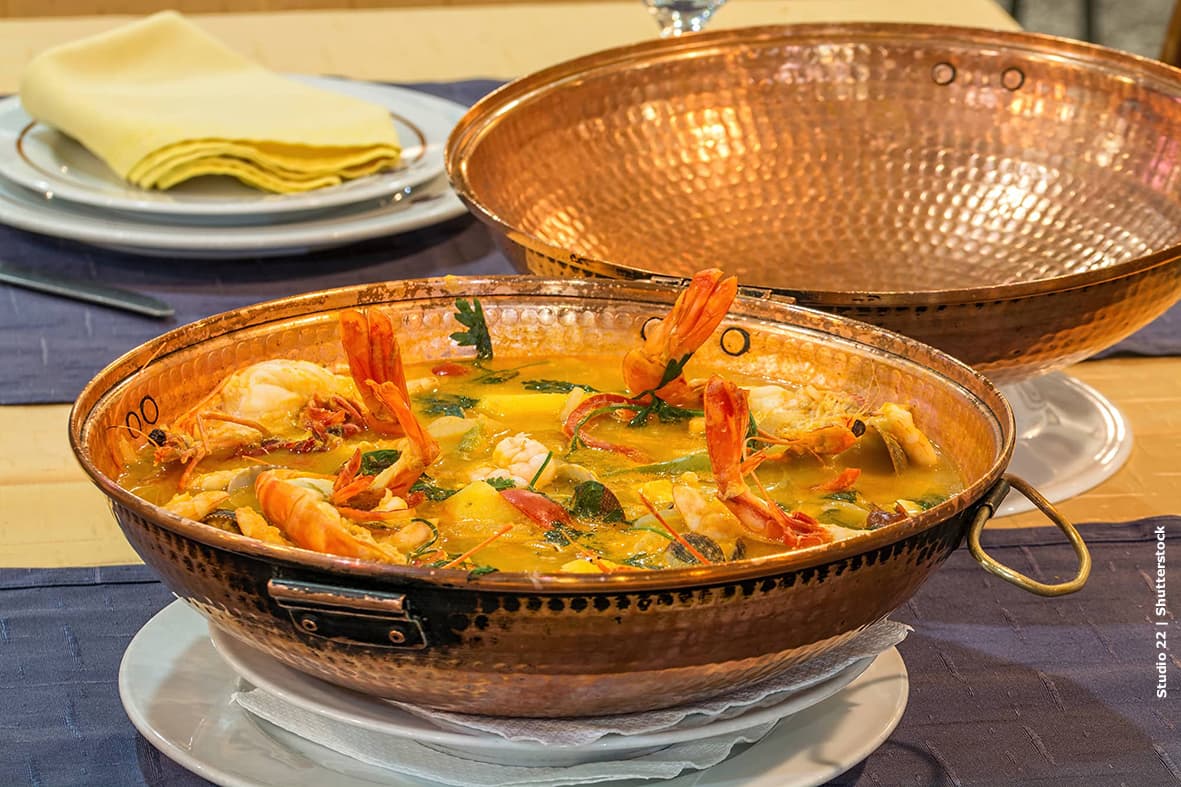
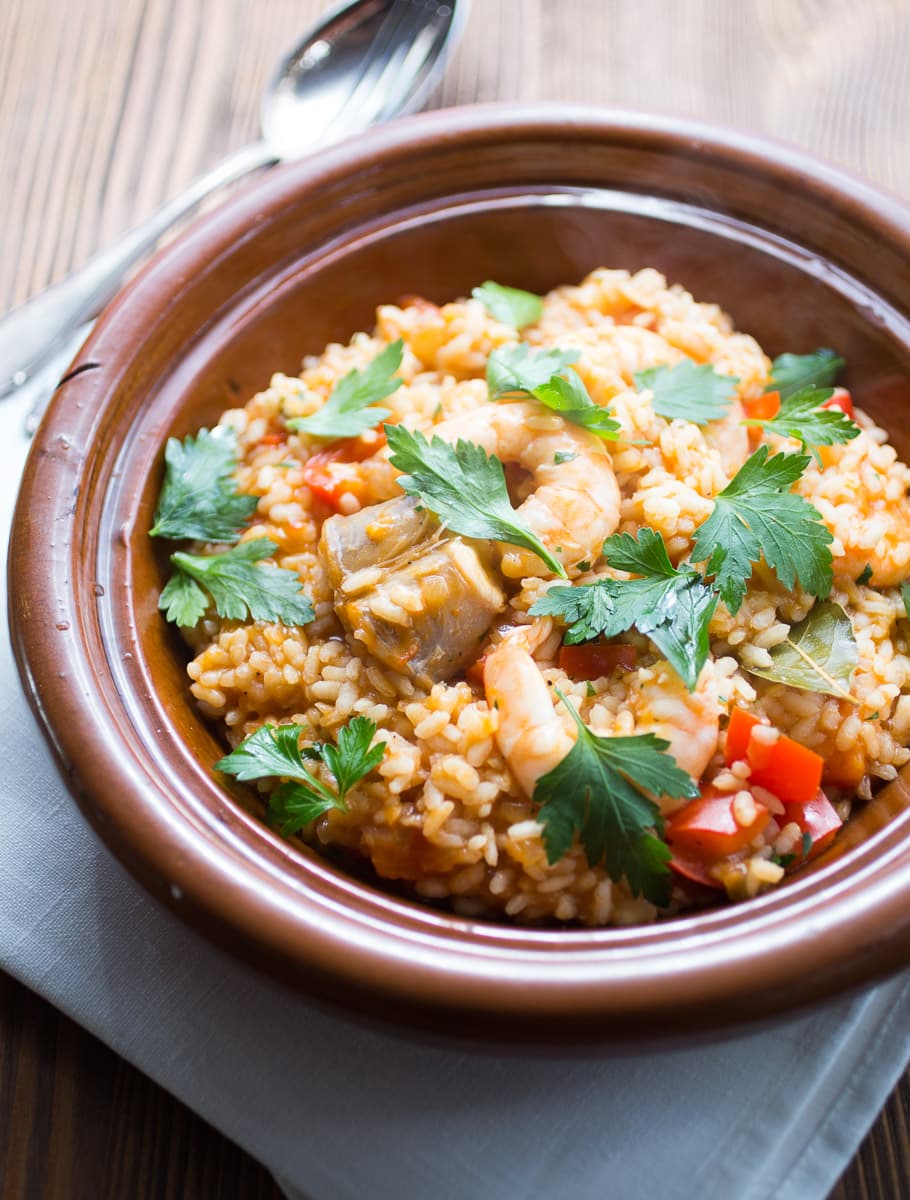
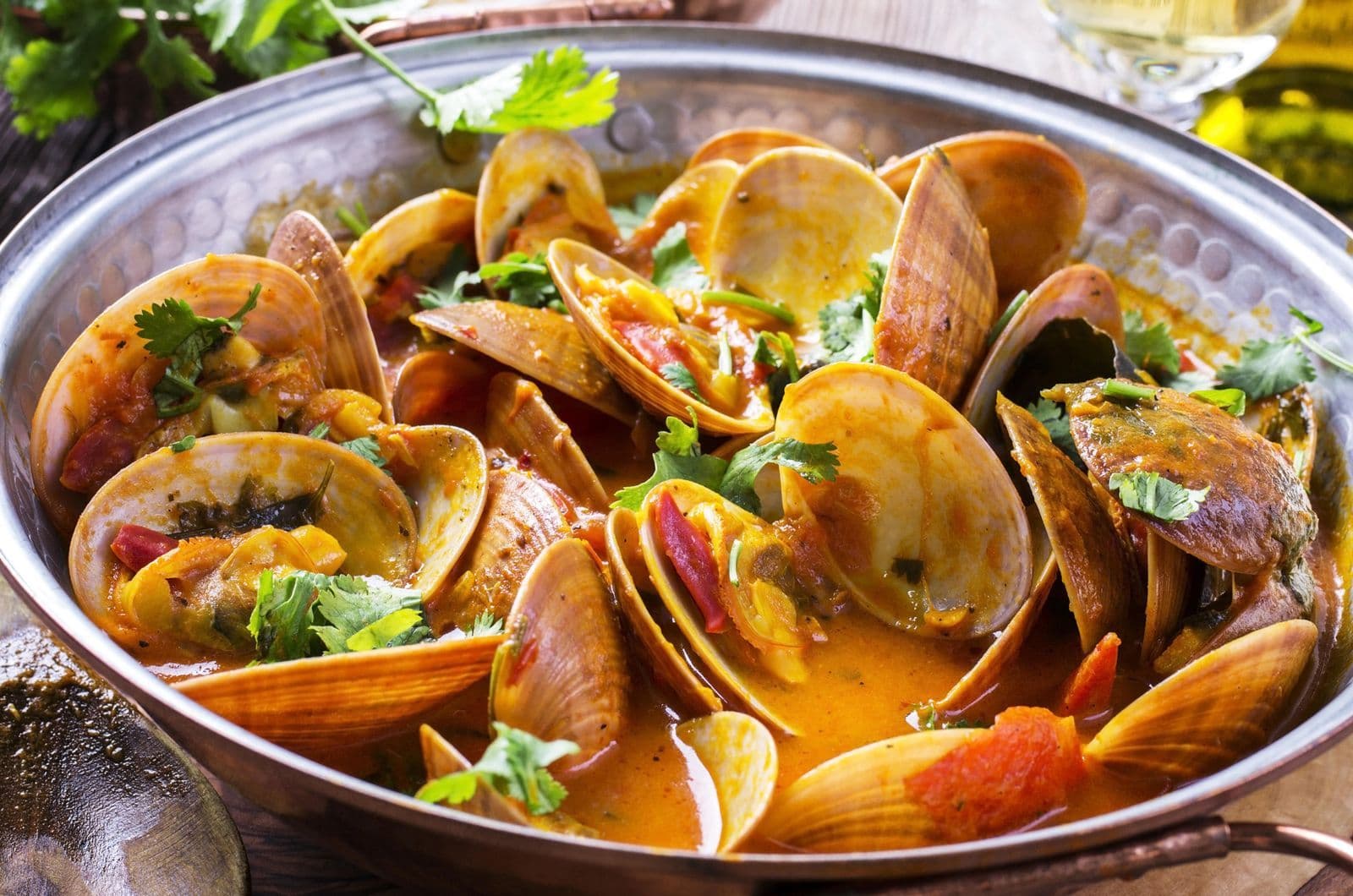
Food tells a similar story. Yes, grilled sardines exist and they are excellent. But the regional kitchen also does cataplana, xarém, and percebes pulled from those same ochre cliffs by men with a death wish and strong arms. In the east, toward Tavira and the Ria Formosa, the rhythm becomes quieter, the beaches more barrier-island than resort, and the salt marshes every bit as important as those of Aveiro for the birds that migrate through.
Come for the coast if that's what brings you. But give yourself at least a day off the beach. The Algarve has depth that a week of sun loungers will never reveal.

.jpg&w=2048&q=75)