Arroz de Tamboril
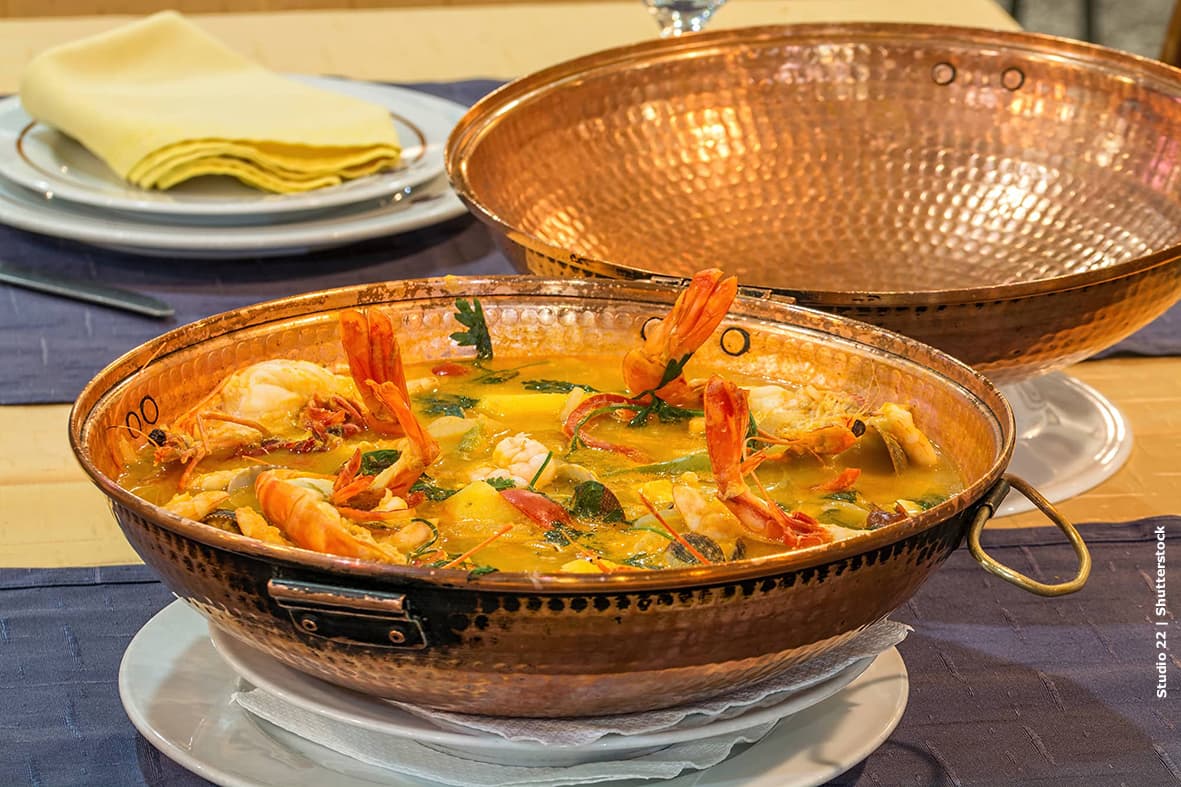
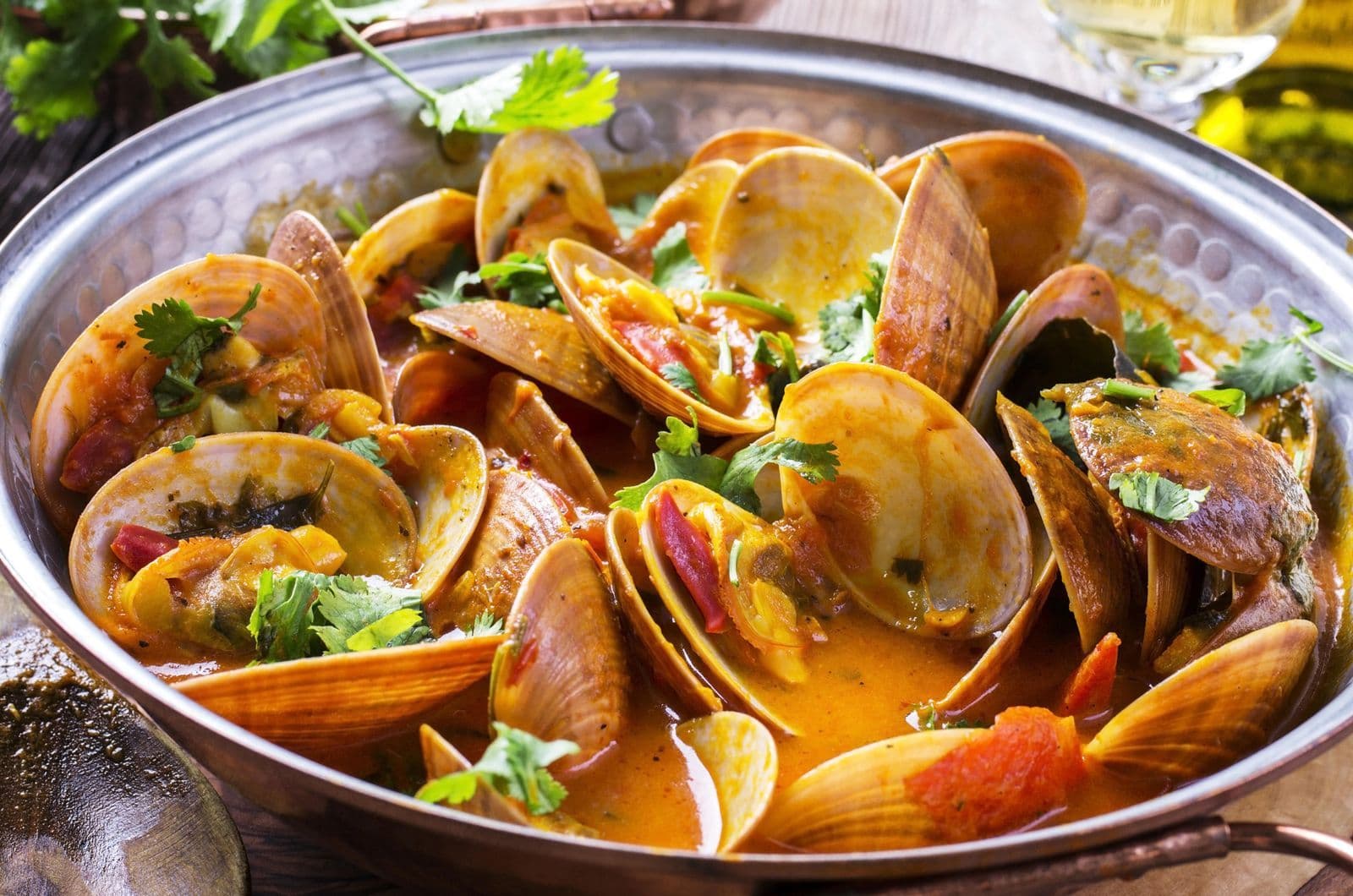
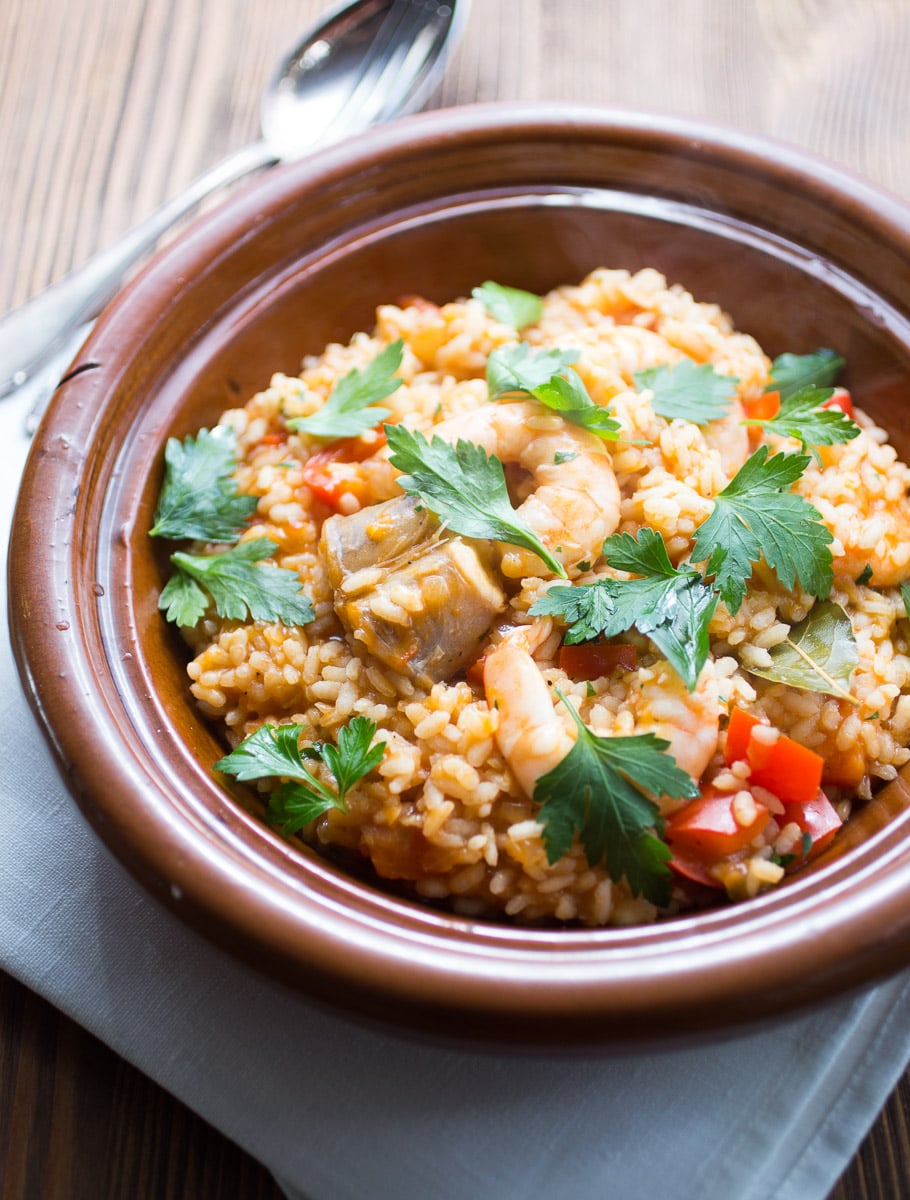
Arroz de Tamboril is a beloved Portuguese seafood rice dish that showcases the country's mastery of combining fresh ocean bounty with perfectly cooked rice. This traditional one-pot meal features tender monkfish as its star ingredient, complemented by prawns and often clams, all simmered together in a rich, aromatic broth infused with tomatoes, bell peppers, and garlic.
Originating from Portugal's coastal regions, particularly the central and southern areas where monkfish is abundant, this dish represents the essence of Portuguese maritime cuisine. The recipe traditionally uses Carolino rice, Portugal's oldest and most consumed rice variety, which absorbs the seafood flavors beautifully while maintaining its texture. Arroz de Tamboril is commonly found in seafood restaurants throughout Portugal's coastal towns and is designed for sharing, making it a perfect centerpiece for family gatherings and celebrations.
The dish embodies the Portuguese philosophy of simple preparation that allows the quality of ingredients to shine, creating a comforting yet sophisticated meal that captures the taste of the Atlantic in every spoonful.
Ingredients
- 500g (500g) Boneless monkfish loin
- 200g (200g) Raw prawns, peeled
- 300g (1½ cups) Carolino rice (or Arborio rice)
- 1L (4 cups) Fish stock
- 150g (1) Medium onion, diced
- 150g (1) Green bell pepper, sliced
- 300g (2 medium) Ripe tomatoes, diced
- 15g (3) Garlic cloves, minced
- 45ml (3 tbsp) Extra virgin olive oil
- 30g (2 tbsp) Butter
- 1 (1) Bay leaf
- 15g (¼ cup) Fresh parsley, chopped
- 120ml (½ cup) White wine
- to taste (to taste) Salt
- to taste (to taste) Black pepper
- for serving (for serving) Lemon wedges
Method
- 1
Cut the monkfish into bite-sized chunks and season with salt and pepper. Set aside. Clean the prawns and pat dry.
- 2
Heat the olive oil and butter in a large, heavy-bottomed pot or paella pan over medium heat. Add the diced onion and cook for 3-4 minutes until softened.
- 3
Add the minced garlic, sliced bell pepper, and bay leaf to the pot. Cook for another 2-3 minutes until fragrant.
- 4
Add the diced tomatoes and cook for 5-6 minutes, stirring occasionally, until they break down and form a thick sauce.
- 5
Add the monkfish chunks to the pot and cook for 3-4 minutes, turning gently to sear on all sides.
- 6
Pour in the white wine and let it simmer for 2 minutes to cook off the alcohol.
- 7
Add the rice to the pot, stirring gently to coat with the sofrito (tomato mixture). Toast the rice for 2-3 minutes.
- 8
Gradually add the hot fish stock, one ladle at a time, stirring gently. Bring to a boil, then reduce heat to low and simmer for 15-18 minutes.
- 9
Add the prawns to the rice in the final 5 minutes of cooking, nestling them into the rice mixture.
- 10
Remove from heat when the rice is tender and has absorbed most of the liquid. The texture should be creamy but not dry. Let rest for 5 minutes.
- 11
Remove the bay leaf, sprinkle with fresh chopped parsley, and serve immediately with lemon wedges on the side.
- 12
Cut the monkfish into bite-sized chunks and season with salt and pepper. Set aside. Clean the prawns and pat dry.
- 13
Heat the olive oil and butter in a large, heavy-bottomed pot or paella pan over medium heat. Add the diced onion and cook for 3-4 minutes until softened.
- 14
Add the minced garlic, sliced bell pepper, and bay leaf to the pot. Cook for another 2-3 minutes until fragrant.
- 15
Add the diced tomatoes and cook for 5-6 minutes, stirring occasionally, until they break down and form a thick sauce.
- 16
Add the monkfish chunks to the pot and cook for 3-4 minutes, turning gently to sear on all sides.
- 17
Pour in the white wine and let it simmer for 2 minutes to cook off the alcohol.
- 18
Add the rice to the pot, stirring gently to coat with the sofrito (tomato mixture). Toast the rice for 2-3 minutes.
- 19
Gradually add the hot fish stock, one ladle at a time, stirring gently. Bring to a boil, then reduce heat to low and simmer for 15-18 minutes.
- 20
Add the prawns to the rice in the final 5 minutes of cooking, nestling them into the rice mixture.
- 21
Remove from heat when the rice is tender and has absorbed most of the liquid. The texture should be creamy but not dry. Let rest for 5 minutes.
- 22
Remove the bay leaf, sprinkle with fresh chopped parsley, and serve immediately with lemon wedges on the side.