Recipes
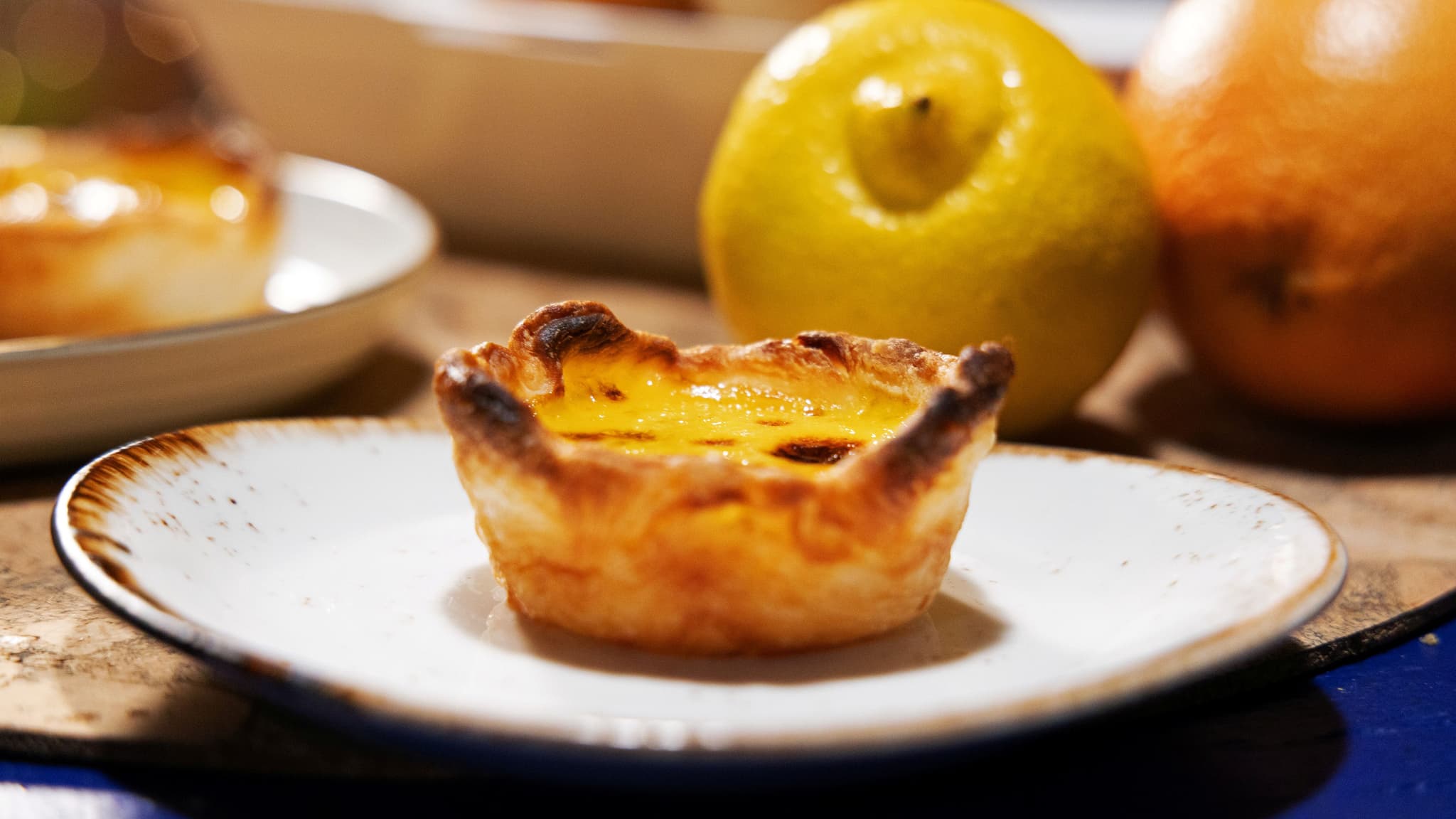
The Pastel de Nata: A Short History of Portugal's Most Famous Pastry
From the cloistered kitchens of Jerónimos Monastery to cafés worldwide, the pastel de nata represents the sweet soul of Portuguese culinary tradition.
Maria Santos·
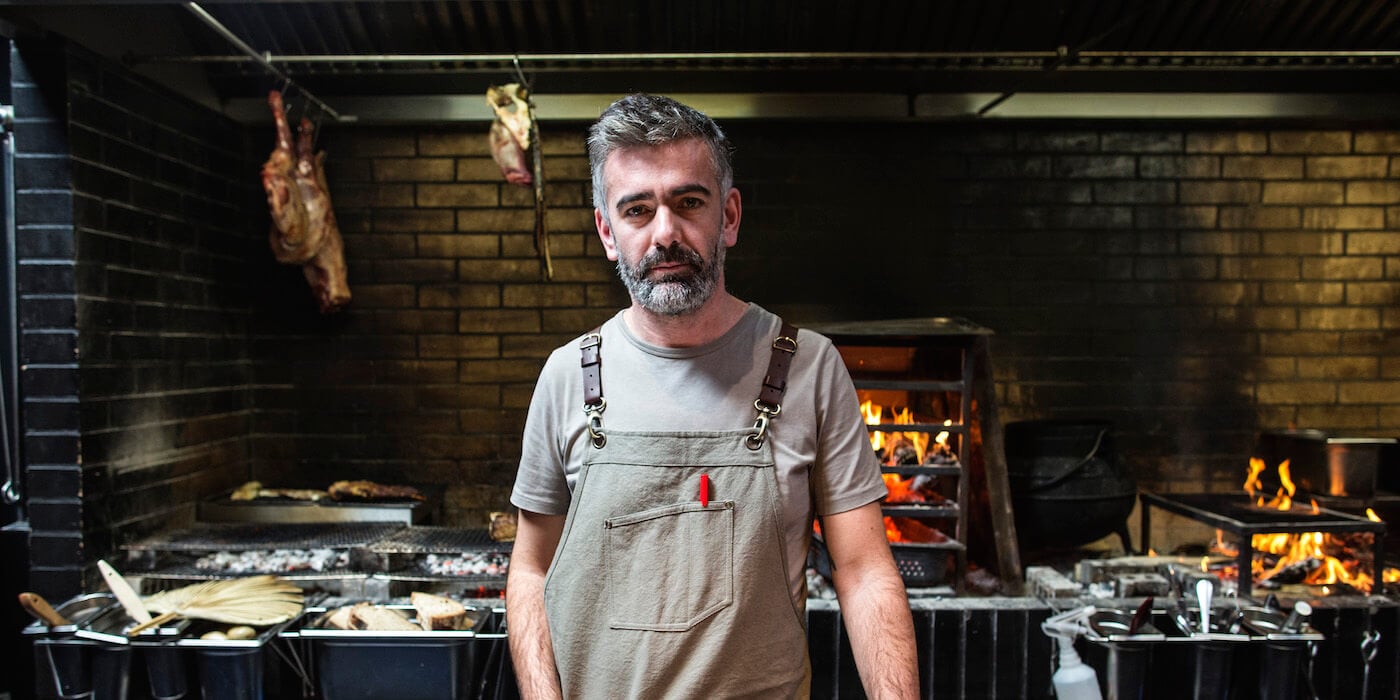
Chef-Owner of LOCO (1 Michelin Star) and FOGO
Alexandre Silva stands as one of Portugal's most innovative culinary voices, seamlessly blending traditional Portuguese gastronomy with contemporary techniques and a distinctive fire-focused philosophy. Born in Abrigada, 40 miles north of Lisbon among the vineyards and windmills of the Serra de Montejunto range, Silva's connection to the land and Portuguese terroir runs deep through his culinary identity.
After graduating from the Hotel Management and Tourism School of Lisbon with degrees in Kitchen/Pastry and F&B Management, Silva began his professional journey as Executive Chef at Bocca restaurant in Singapore in 2007. His talent quickly gained recognition when he won Portugal's first professional cooking competition, Top Chef, establishing him as a rising star in the Portuguese culinary scene.
Silva's culinary philosophy centers on fire as his most faithful companion in the kitchen, elevating traditional Portuguese ingredients and techniques through innovative applications. At his flagship restaurant LOCO, which earned a Michelin star just eight months after opening, he presents a 16-course tasting menu of 'moments' that showcase his experimental approach to Portuguese cuisine in an intimate 22-seat setting. His second venture, FOGO, literally translates his fire-focused philosophy into practice, where every dish is cooked using traditional fire-based techniques.
Through both establishments, Silva champions Portuguese products and small producers while challenging conventional culinary boundaries. His approach respects traditional Portuguese gastronomy while subverting and elevating it to new conceptual levels, making him a defining figure of Lisbon's contemporary gastronomic landscape and an ambassador for modern Portuguese cuisine on the international stage.
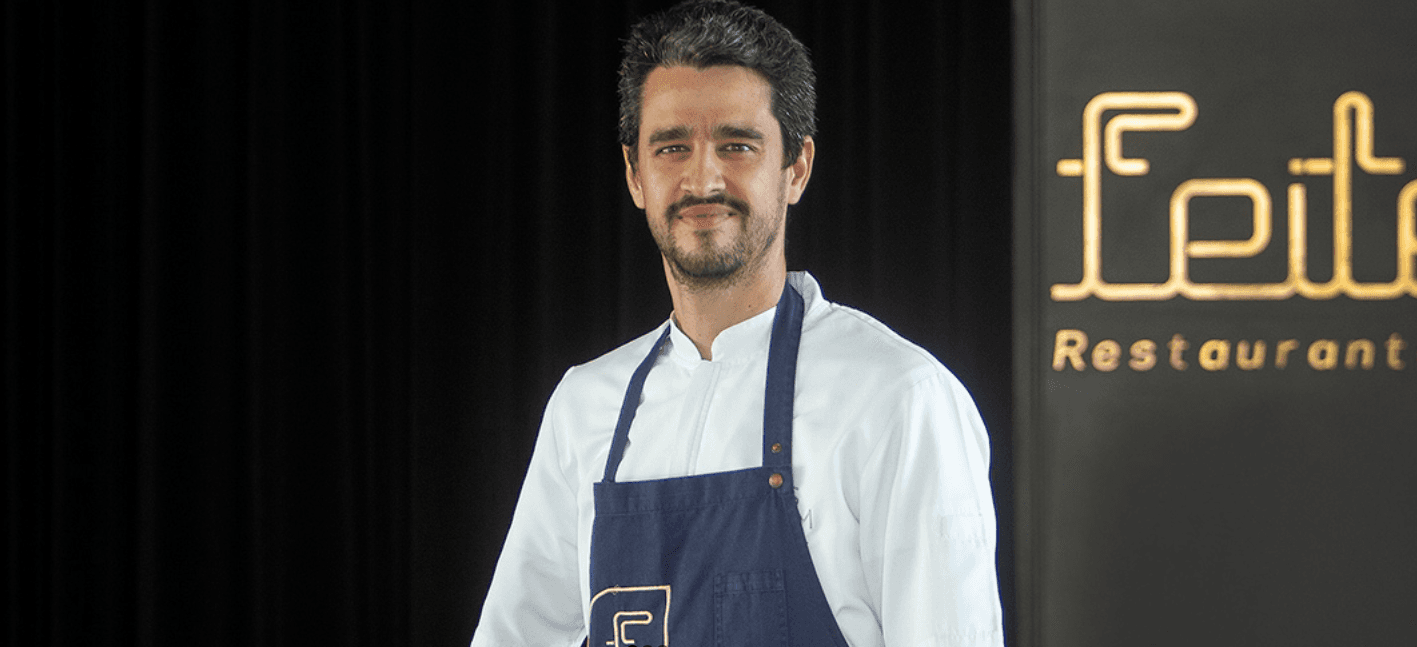
Feitoria Restaurant & Wine Bar
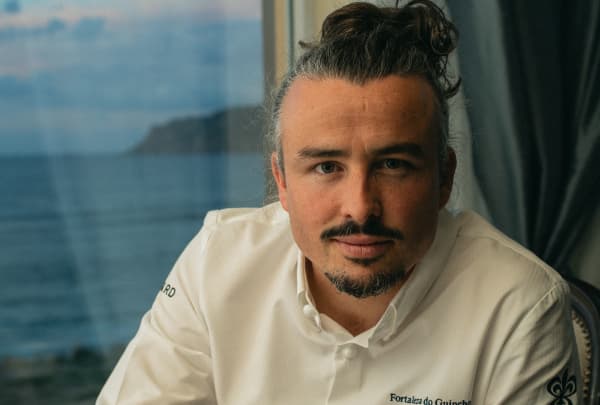
Fortaleza do Guincho

YŌSO - Omakase
Malhadinha Nova
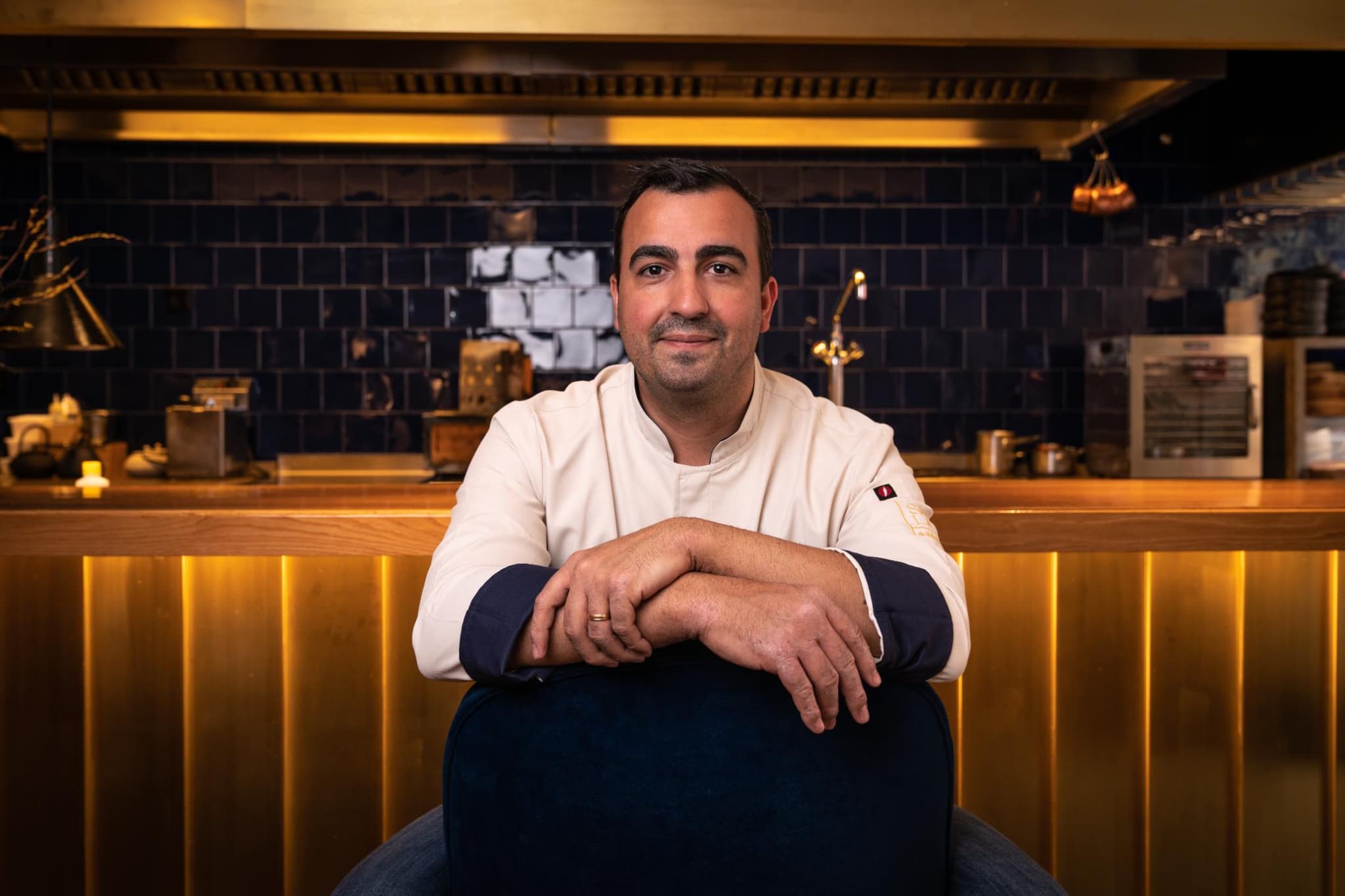
SÁLA de João Sá
Belcanto
100 Maneiras
Marlene
.jpg&w=2048&q=75)
Praia no Parque
Kanazawa
Midori
Broto
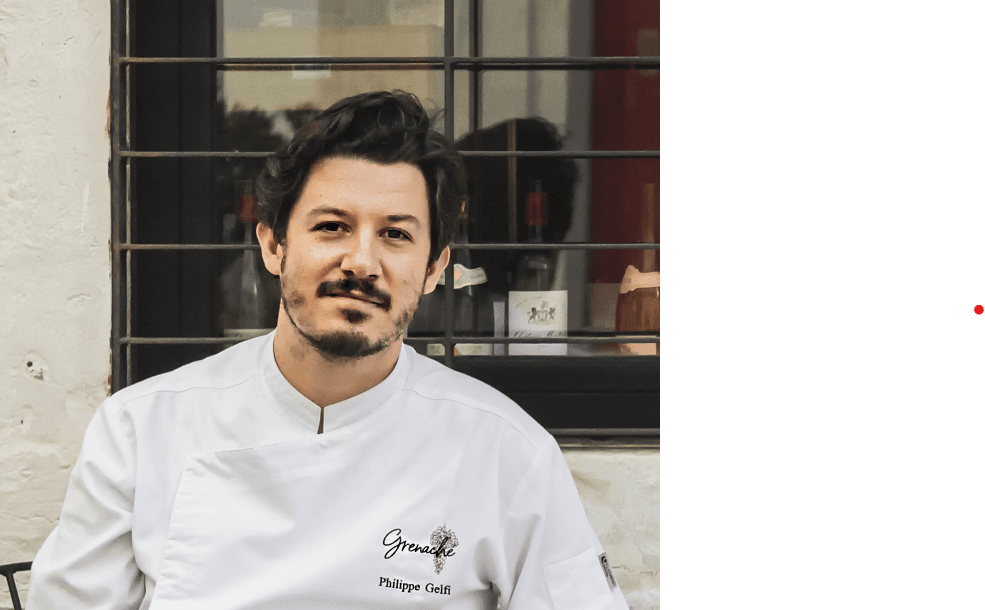
Grenache
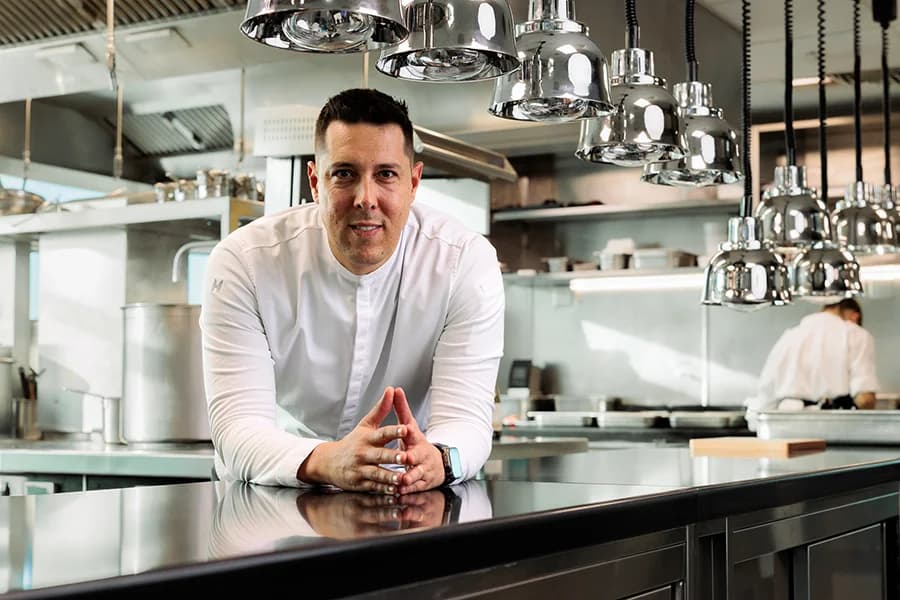
Fifty Seconds
From the cloistered kitchens of Jerónimos Monastery to cafés worldwide, the pastel de nata represents the sweet soul of Portuguese culinary tradition.

Explore how salted cod became Portugal's most beloved ingredient, shaping the nation's culinary identity for over 500 years through maritime tradition and regional innovation.
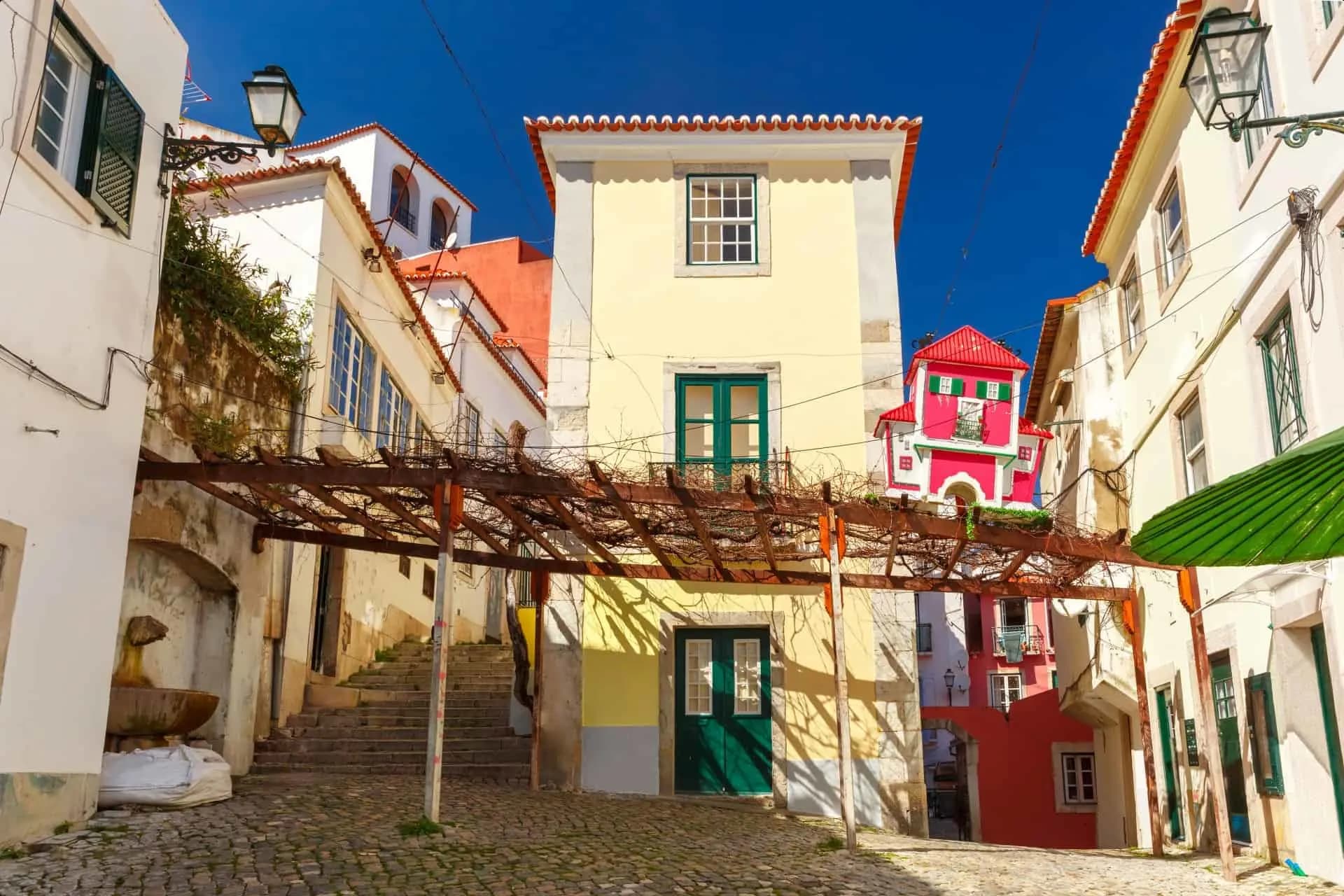
Discover the authentic flavors of Portugal's capital through the winding cobblestone streets of Alfama, where centuries-old culinary traditions come alive in every bite.
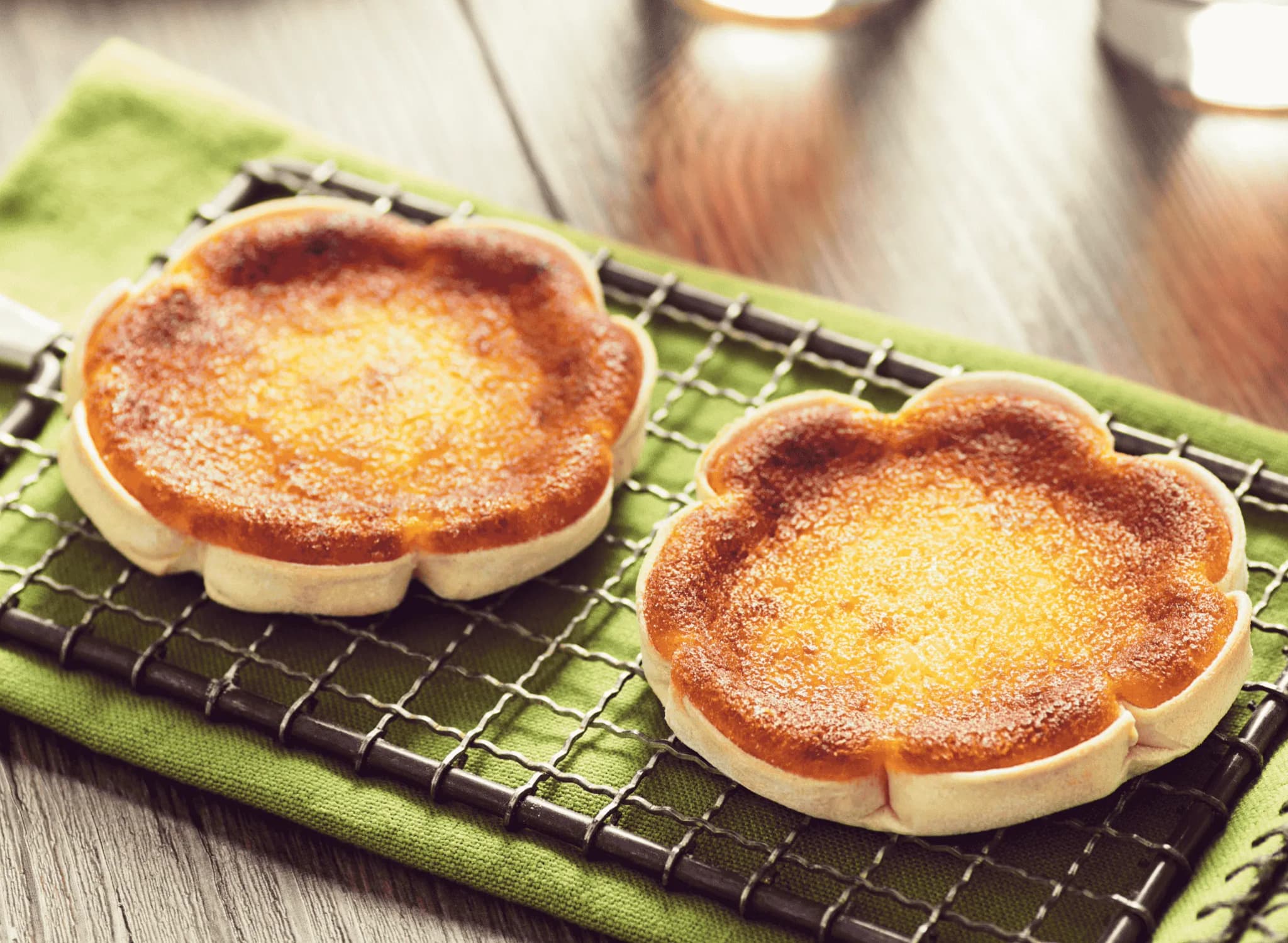
In the fairytale hills of Sintra, two legendary pastries have captivated visitors for centuries, representing the perfect marriage of Portuguese culinary tradition and royal heritage.
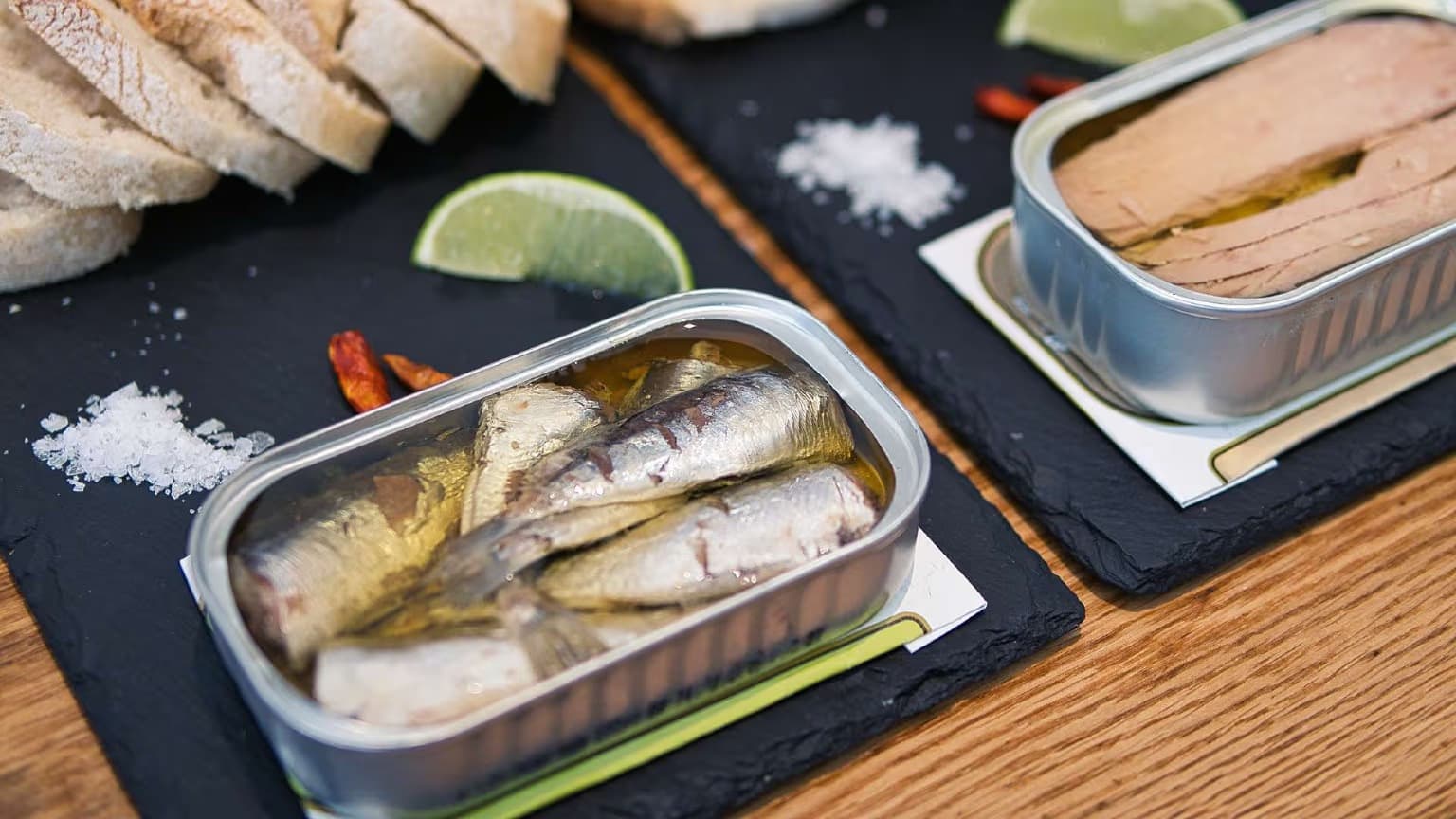
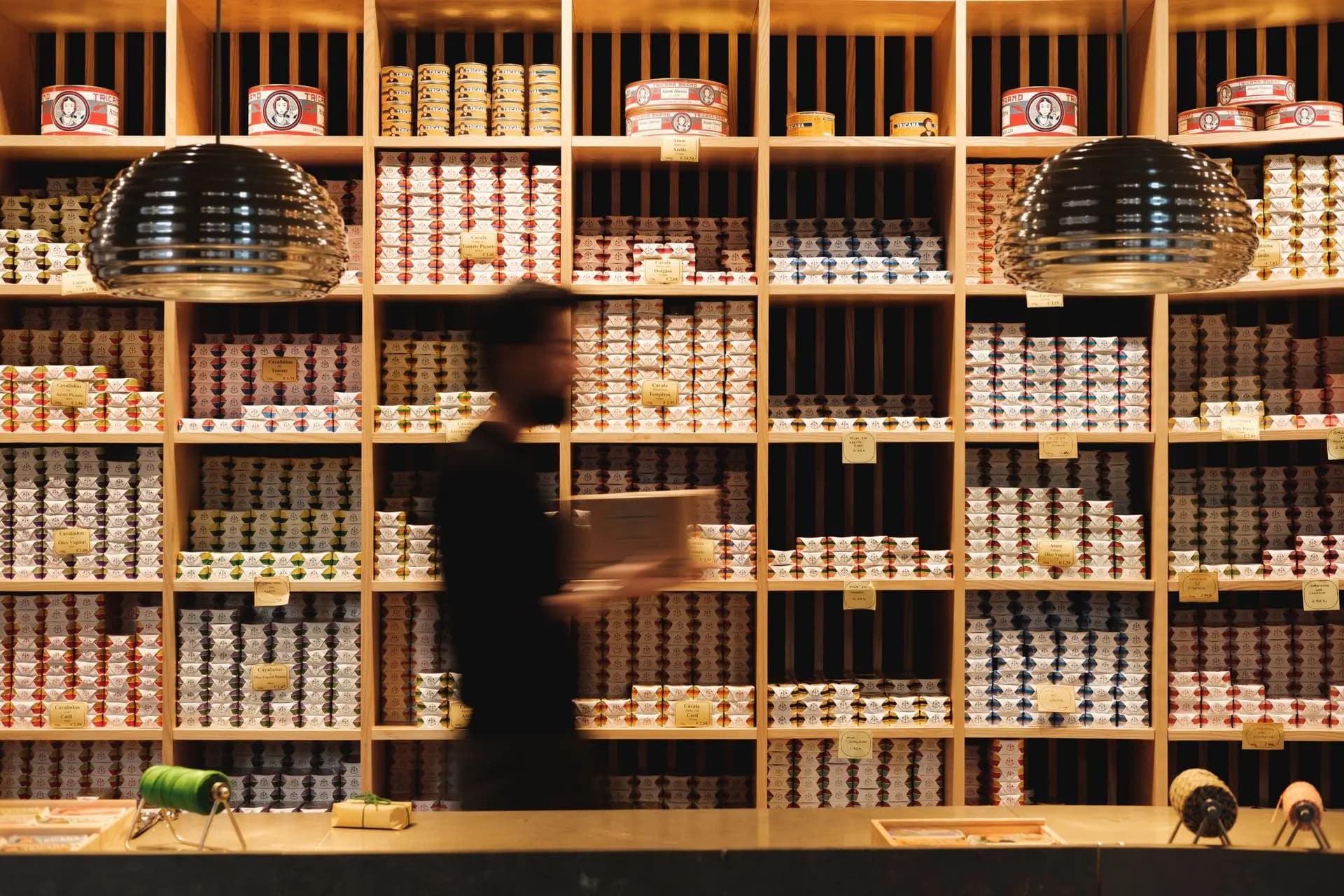
From humble pantry staples to gourmet delicacies gracing international restaurant menus, Portuguese conservas have transformed from necessity to luxury, leading a global tinned fish renaissance.

Lisbon's iconic Tram 28 winds through the city's most authentic neighborhoods, offering a unique culinary journey through centuries of Portuguese gastronomy and tradition.
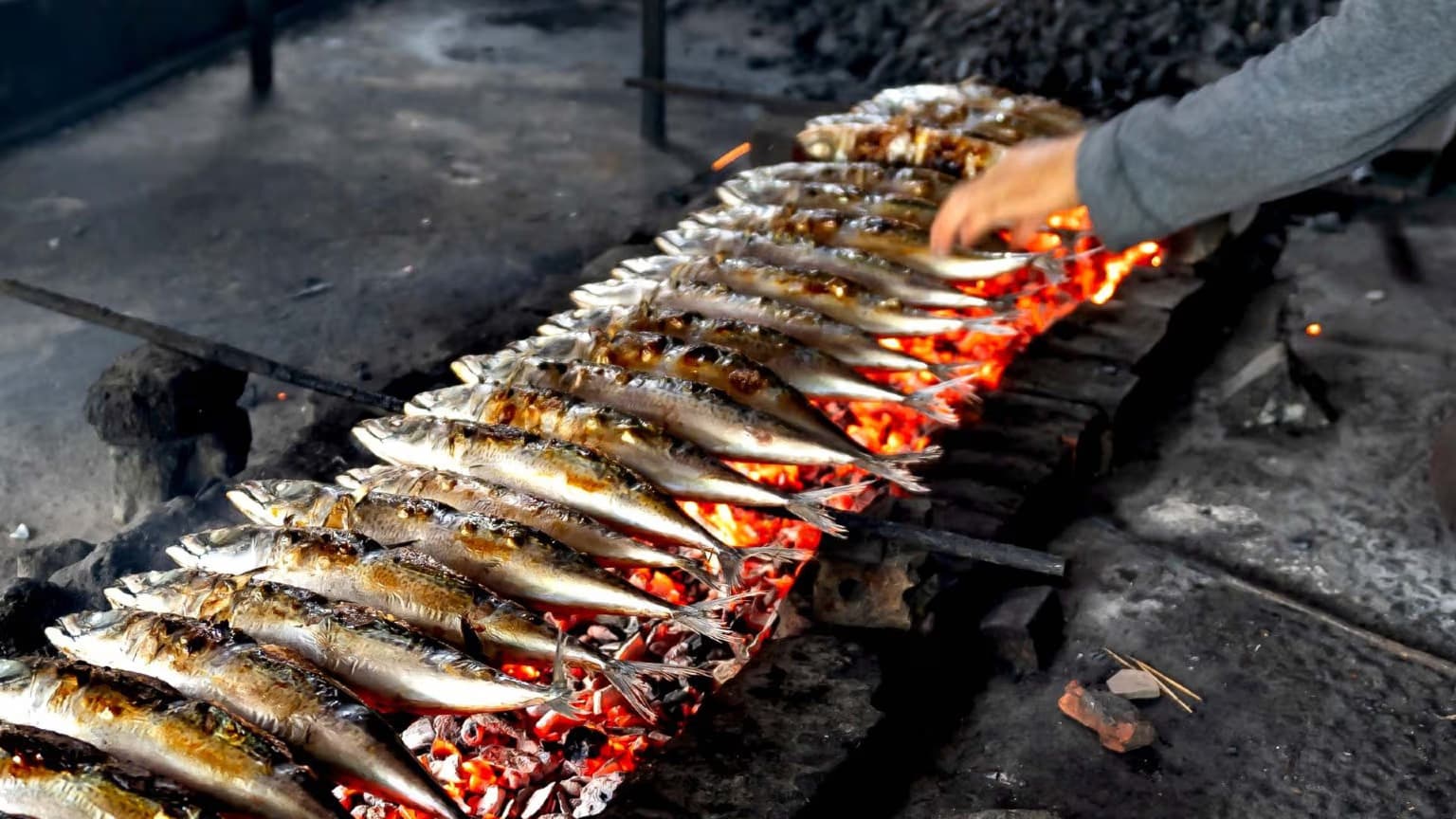
Every June, the aroma of grilled sardines and the sound of traditional music transform Lisbon's historic neighborhoods into one massive street celebration during Santos Populares.