Recipes
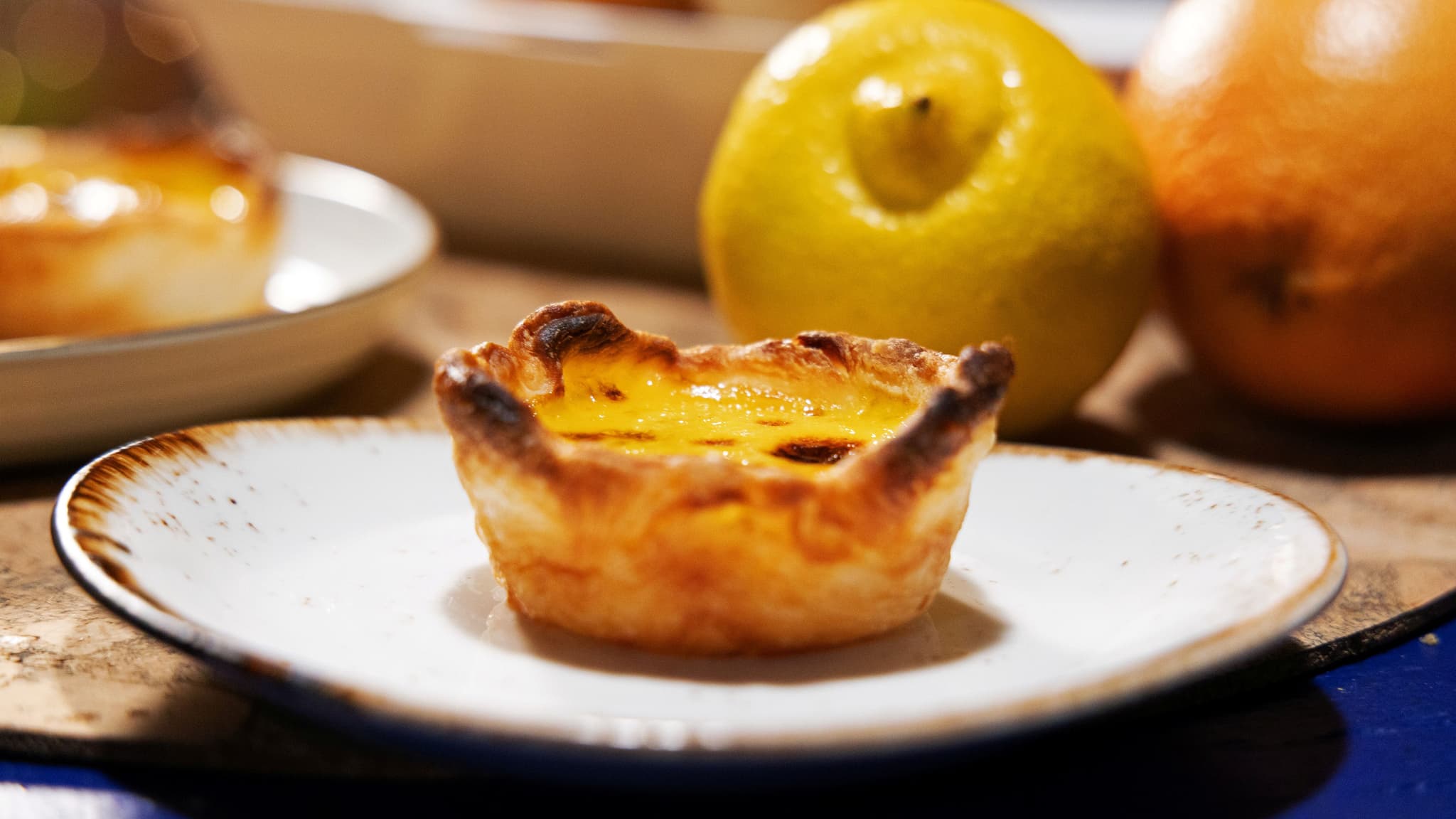
The Pastel de Nata: A Short History of Portugal's Most Famous Pastry
From the cloistered kitchens of Jerónimos Monastery to cafés worldwide, the pastel de nata represents the sweet soul of Portuguese culinary tradition.
Maria Santos·
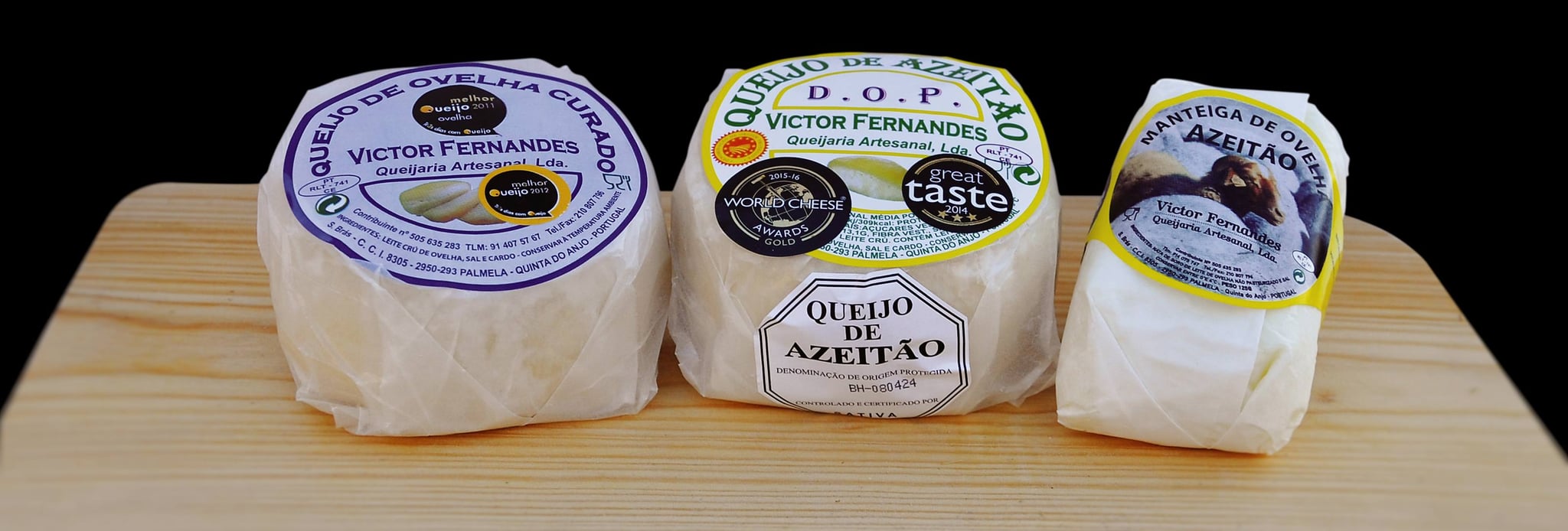
Victor Fernandes Queijaria is a distinguished artisanal cheese producer located in Palmela, in the Setúbal region of Portugal. Founded in 1988, this family-run cheesemaker has built its reputation on the traditional production of Queijo de Azeitão DOP, one of Portugal's most celebrated sheep's milk cheeses. Victor Fernandes began his journey by learning the ancient craft from Alfredo, a renowned local cheesemaker, ensuring the preservation of authentic traditional methods.
The queijaria specializes in handcrafted cheese made from unpasteurized sheep's milk, using the traditional coagulation method with thistle infusion (cardo) that gives Azeitão cheese its distinctive character and creamy texture. This time-honored technique, combined with the exceptional geographical conditions of the Palmela region—including ideal pasturelands for sheep grazing and rich local flora—allows for year-round production of exceptional quality cheese.
Victor Fernandes Queijaria has achieved international recognition for its excellence, regularly winning prestigious awards at global food competitions, including gold medals at the World Cheese Awards. The producer's commitment to quality and tradition has made it a respected name in Portuguese gastronomy, representing the finest expression of Setúbal's cheesemaking heritage.
From the cloistered kitchens of Jerónimos Monastery to cafés worldwide, the pastel de nata represents the sweet soul of Portuguese culinary tradition.

Explore how salted cod became Portugal's most beloved ingredient, shaping the nation's culinary identity for over 500 years through maritime tradition and regional innovation.
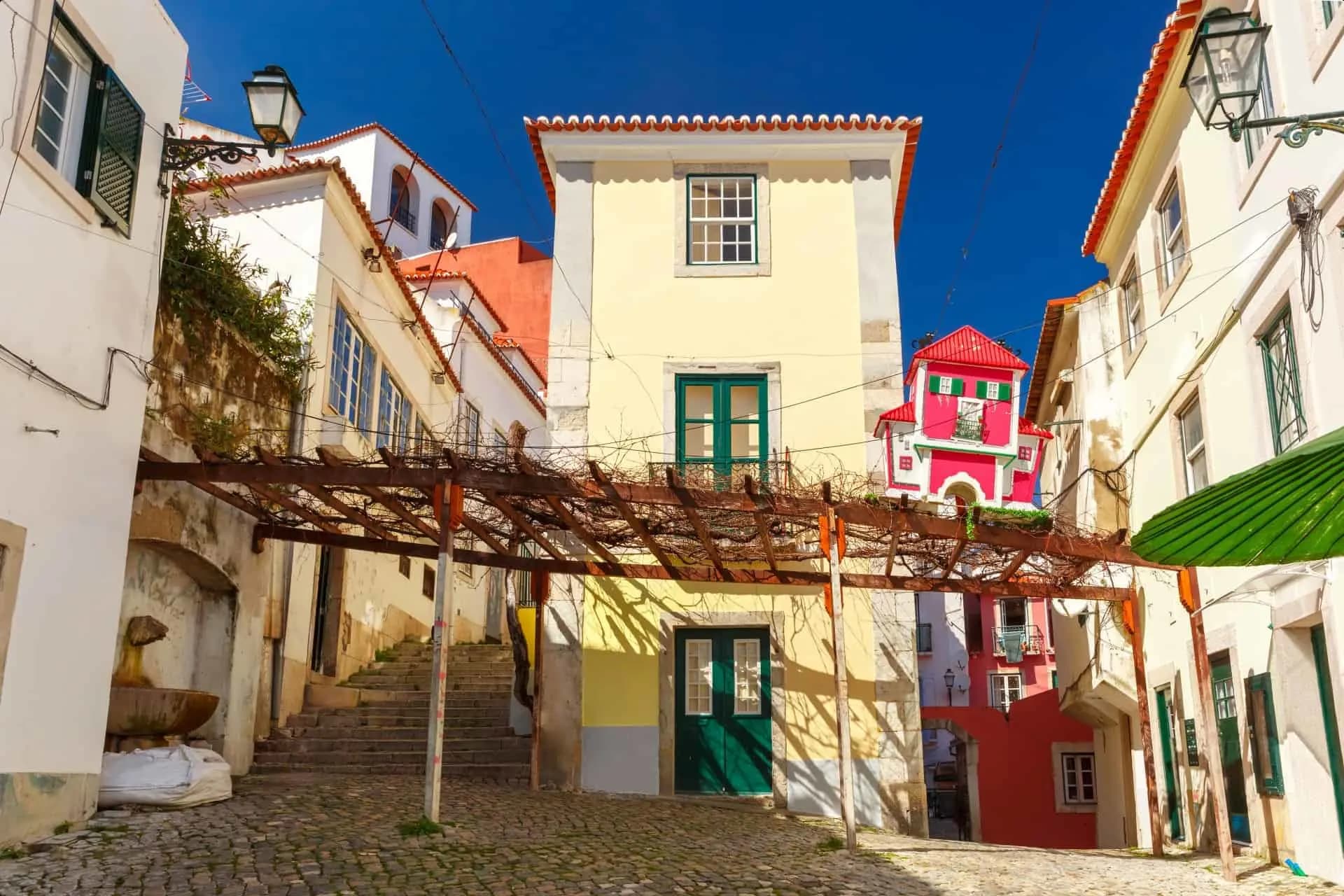
Discover the authentic flavors of Portugal's capital through the winding cobblestone streets of Alfama, where centuries-old culinary traditions come alive in every bite.
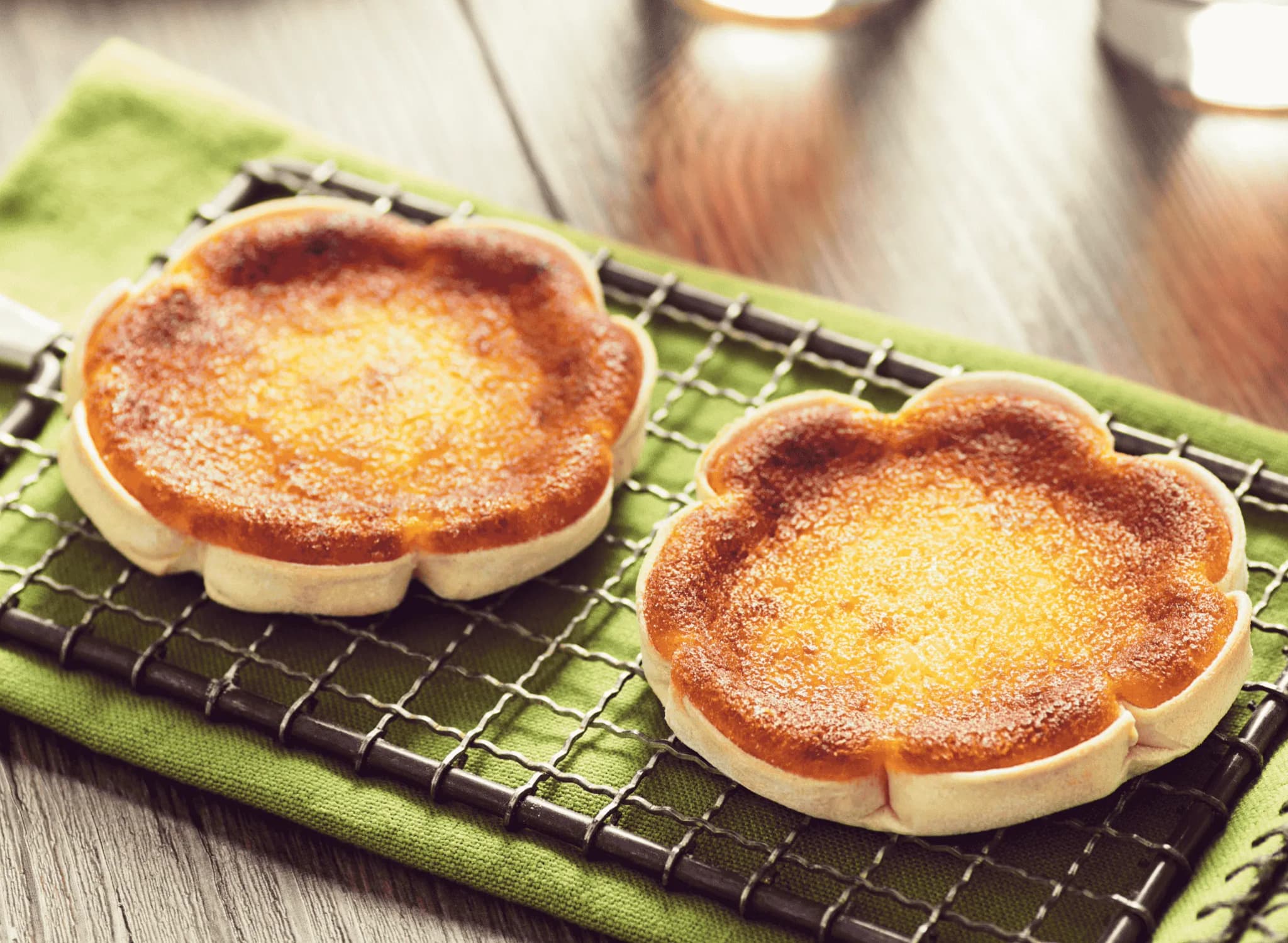
In the fairytale hills of Sintra, two legendary pastries have captivated visitors for centuries, representing the perfect marriage of Portuguese culinary tradition and royal heritage.
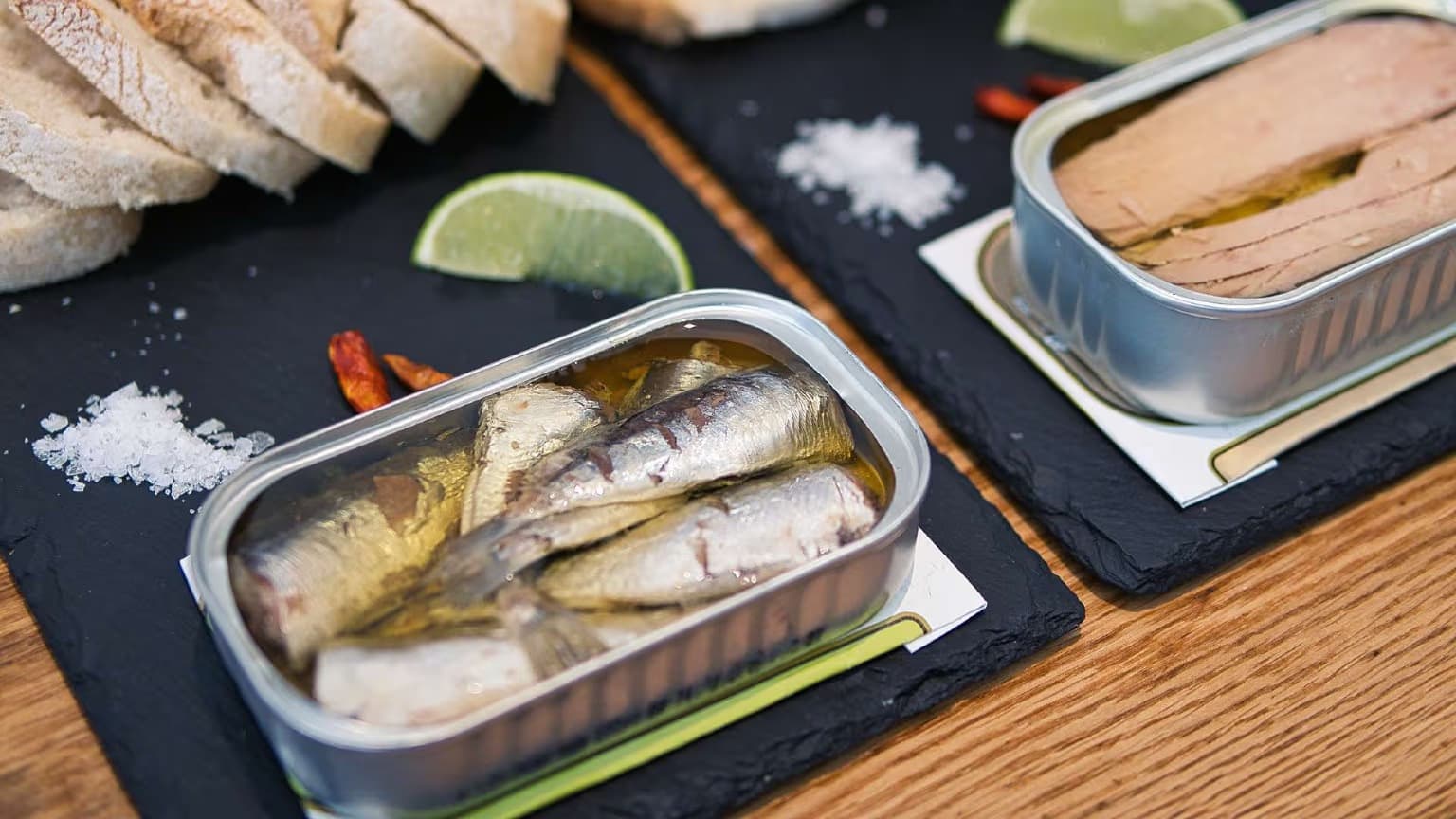
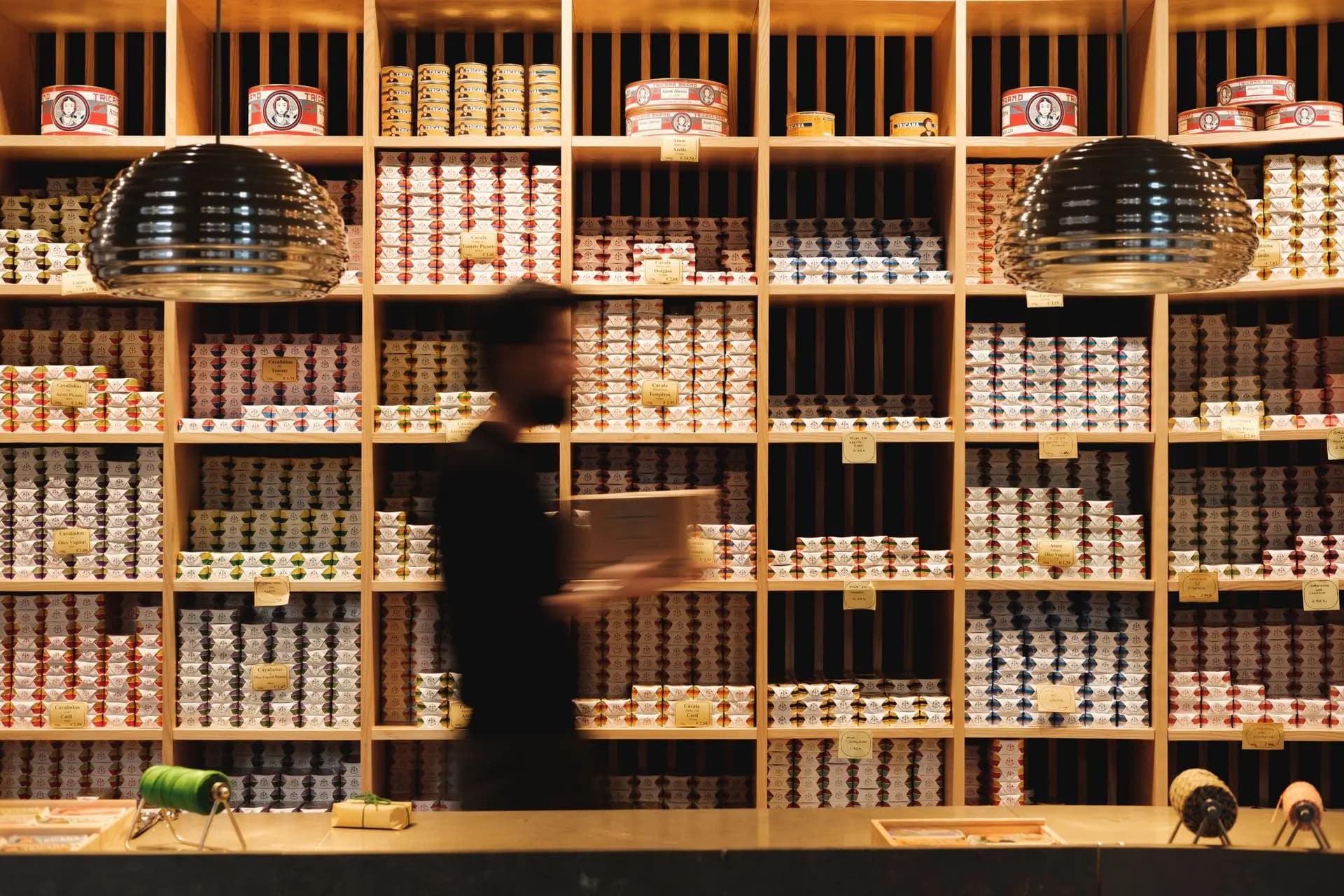
From humble pantry staples to gourmet delicacies gracing international restaurant menus, Portuguese conservas have transformed from necessity to luxury, leading a global tinned fish renaissance.

Lisbon's iconic Tram 28 winds through the city's most authentic neighborhoods, offering a unique culinary journey through centuries of Portuguese gastronomy and tradition.
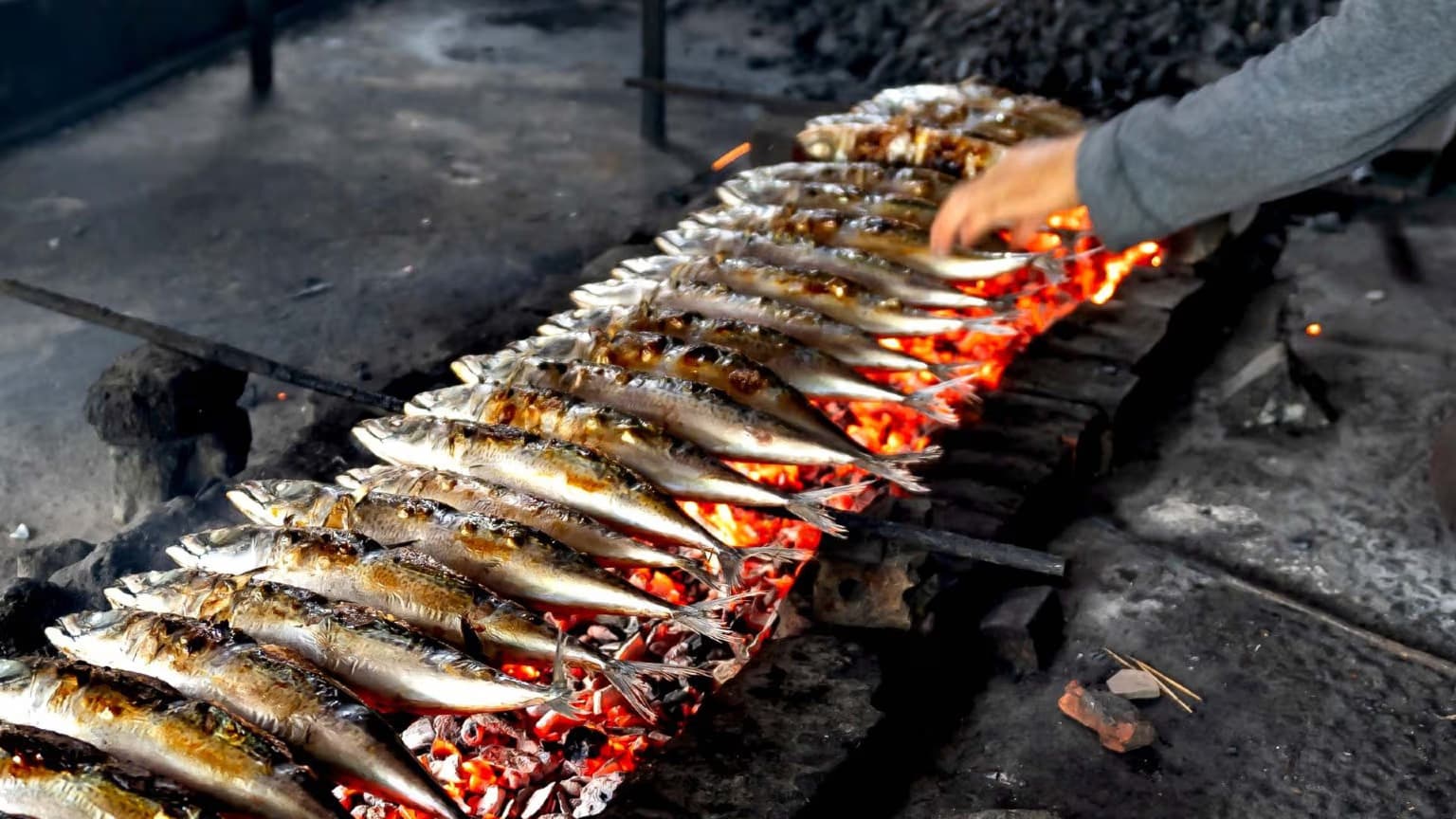
Every June, the aroma of grilled sardines and the sound of traditional music transform Lisbon's historic neighborhoods into one massive street celebration during Santos Populares.

Where tradition meets reinvention. Lisbon is the epicentre of Portugal's contemporary food scene — from historic tascas in Alfama to Michelin-starred kitchens in Chiado.