Recipes
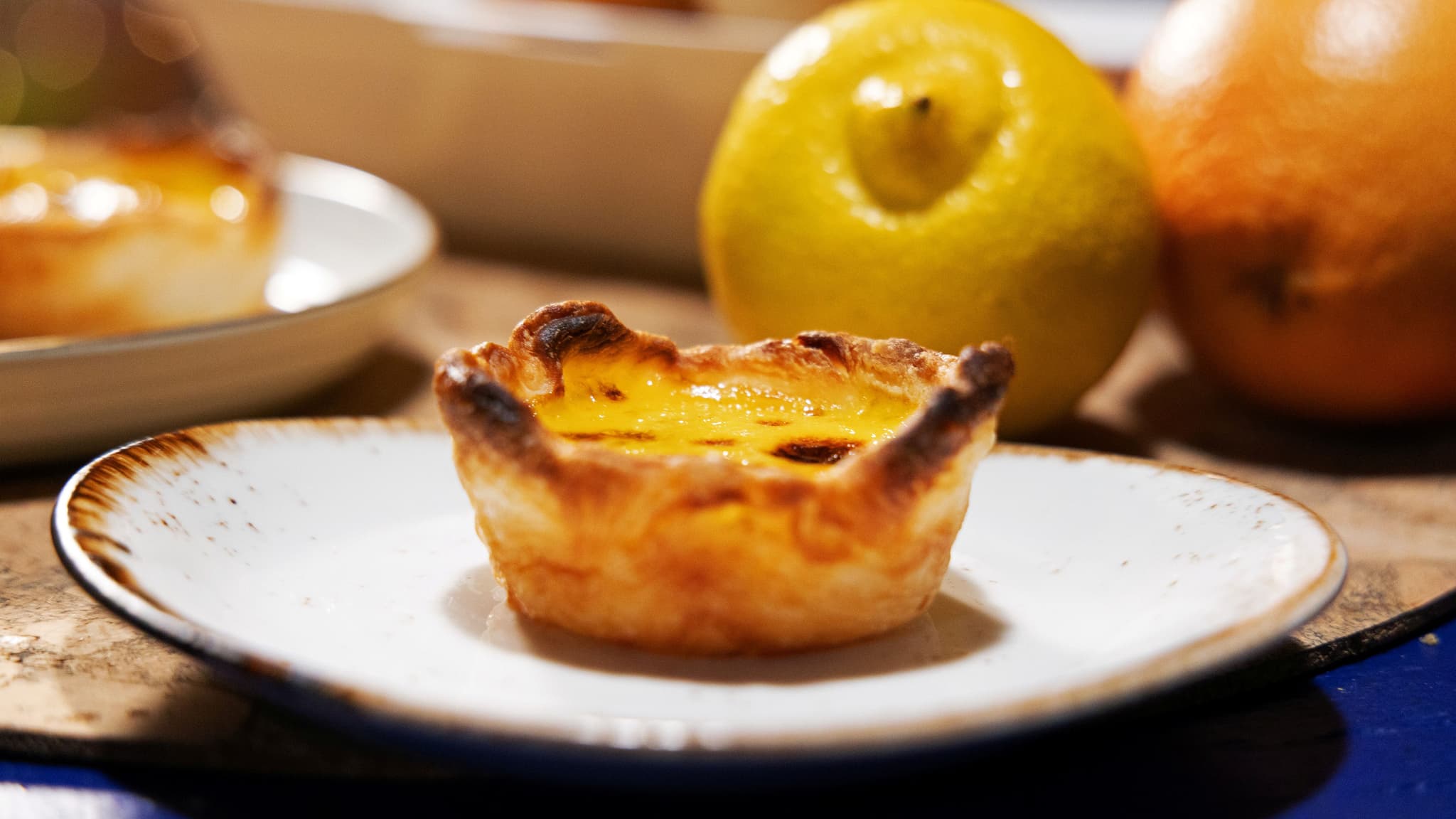
The Pastel de Nata: A Short History of Portugal's Most Famous Pastry
From the cloistered kitchens of Jerónimos Monastery to cafés worldwide, the pastel de nata represents the sweet soul of Portuguese culinary tradition.
Maria Santos·
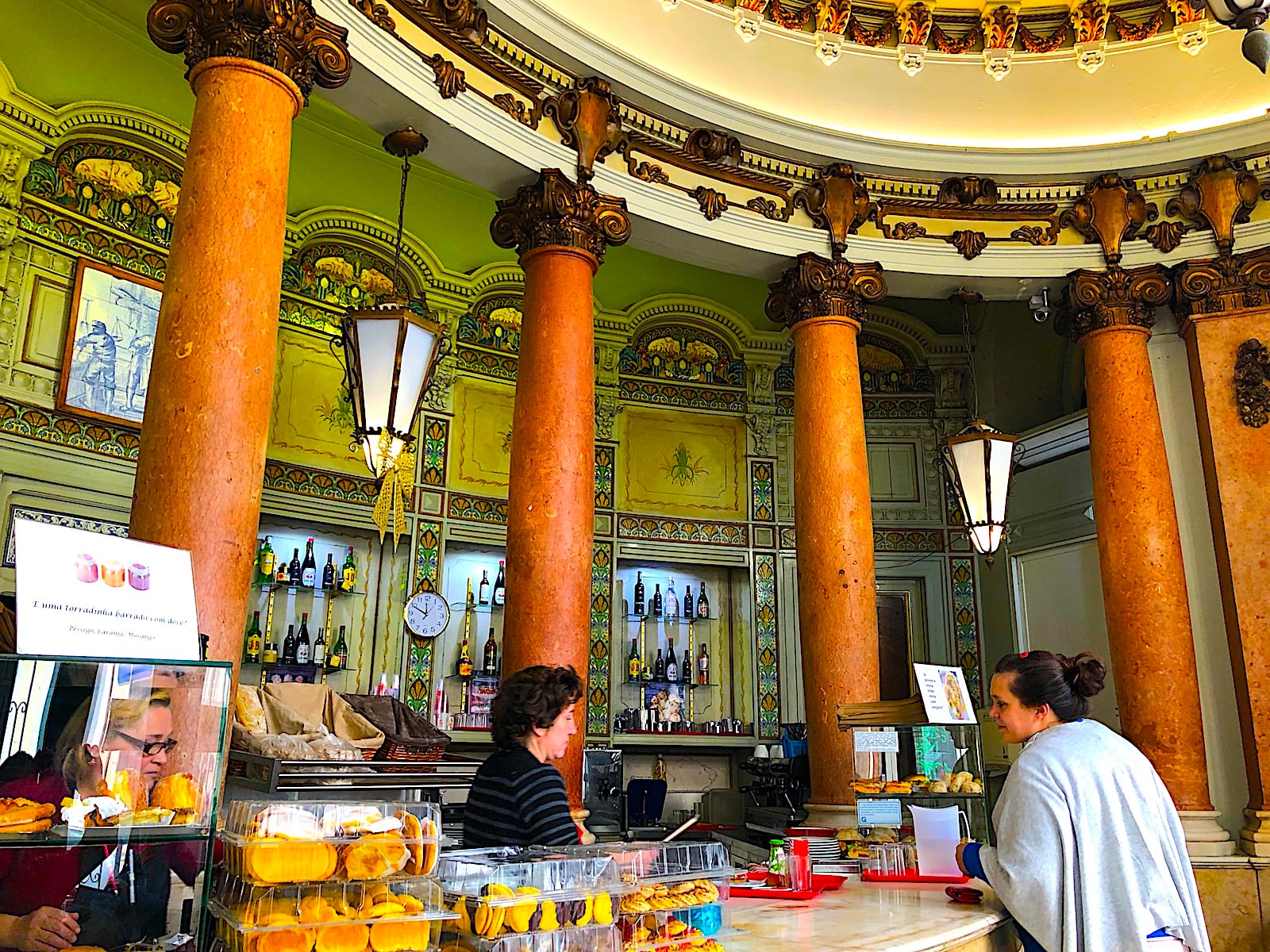
Padaria São Roque is a historic bakery and café nestled between the vibrant neighborhoods of Príncipe Real and Bairro Alto in Lisbon. Known locally as the "Catedral do Pão" (Cathedral of Bread), this charming establishment represents one of Lisbon's most authentic traditional bakeries, easily missed from the outside but treasured by locals and discerning visitors alike.
The bakery is renowned for its traditional Portuguese baked goods, with their Bolo-Rei (King Cake) being a particular house specialty during festive seasons. The interior features beautiful architectural details including sumptuous columns and traditional azulejo tiles, creating an atmosphere that transports visitors back to old Lisbon. Beyond bread, Padaria São Roque serves as a traditional pastelaria, offering classic Portuguese pastries including pastel de nata, alongside quality coffee in an authentic neighborhood setting.
This establishment embodies the essence of traditional Portuguese bakery culture, maintaining its artisanal approach while serving as a local gathering place. The bakery's commitment to traditional methods and recipes has made it a beloved institution among Lisbon residents, representing the kind of authentic Portuguese culinary experience that is increasingly rare in the city's tourist-heavy areas.
From the cloistered kitchens of Jerónimos Monastery to cafés worldwide, the pastel de nata represents the sweet soul of Portuguese culinary tradition.

Explore how salted cod became Portugal's most beloved ingredient, shaping the nation's culinary identity for over 500 years through maritime tradition and regional innovation.
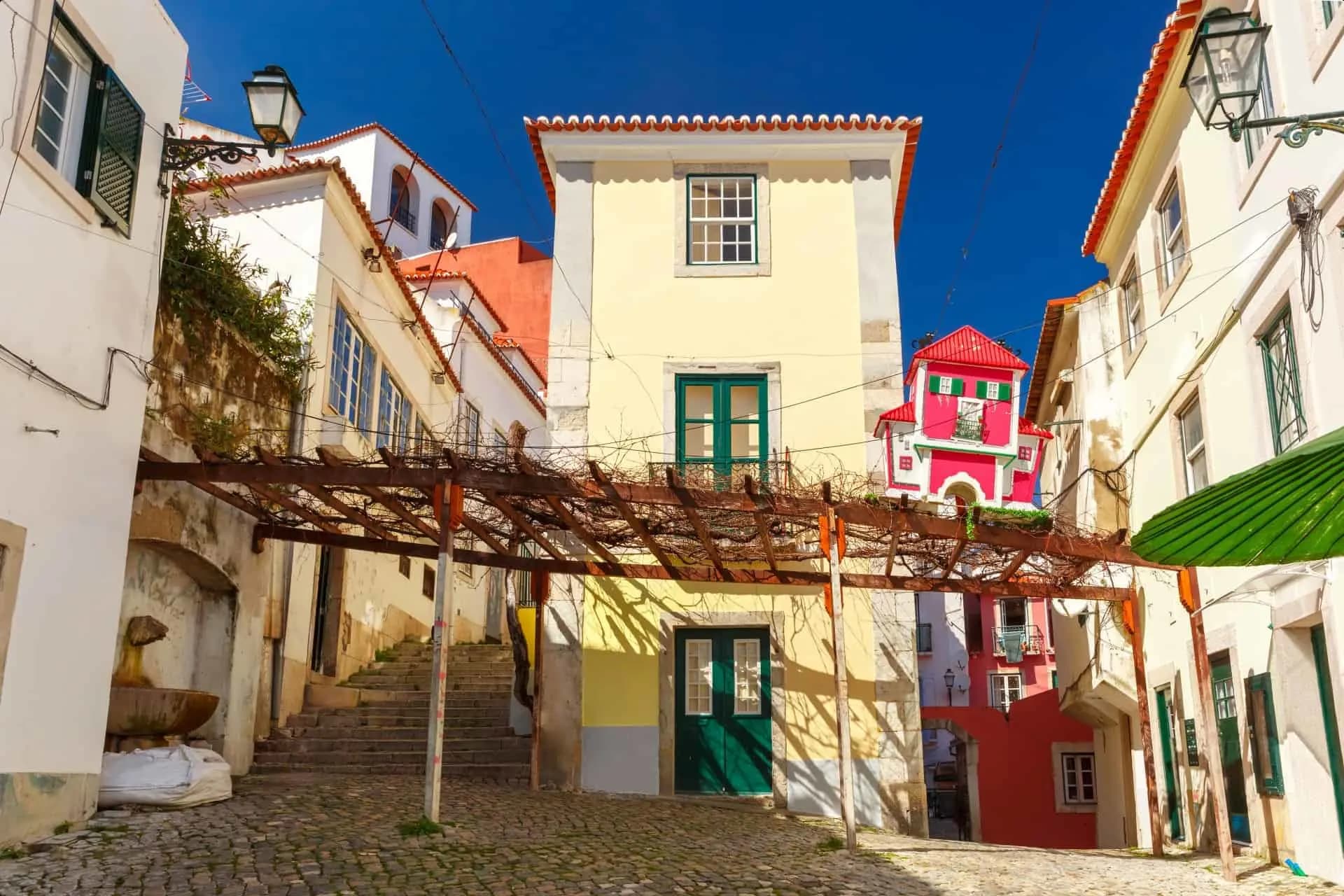
Discover the authentic flavors of Portugal's capital through the winding cobblestone streets of Alfama, where centuries-old culinary traditions come alive in every bite.
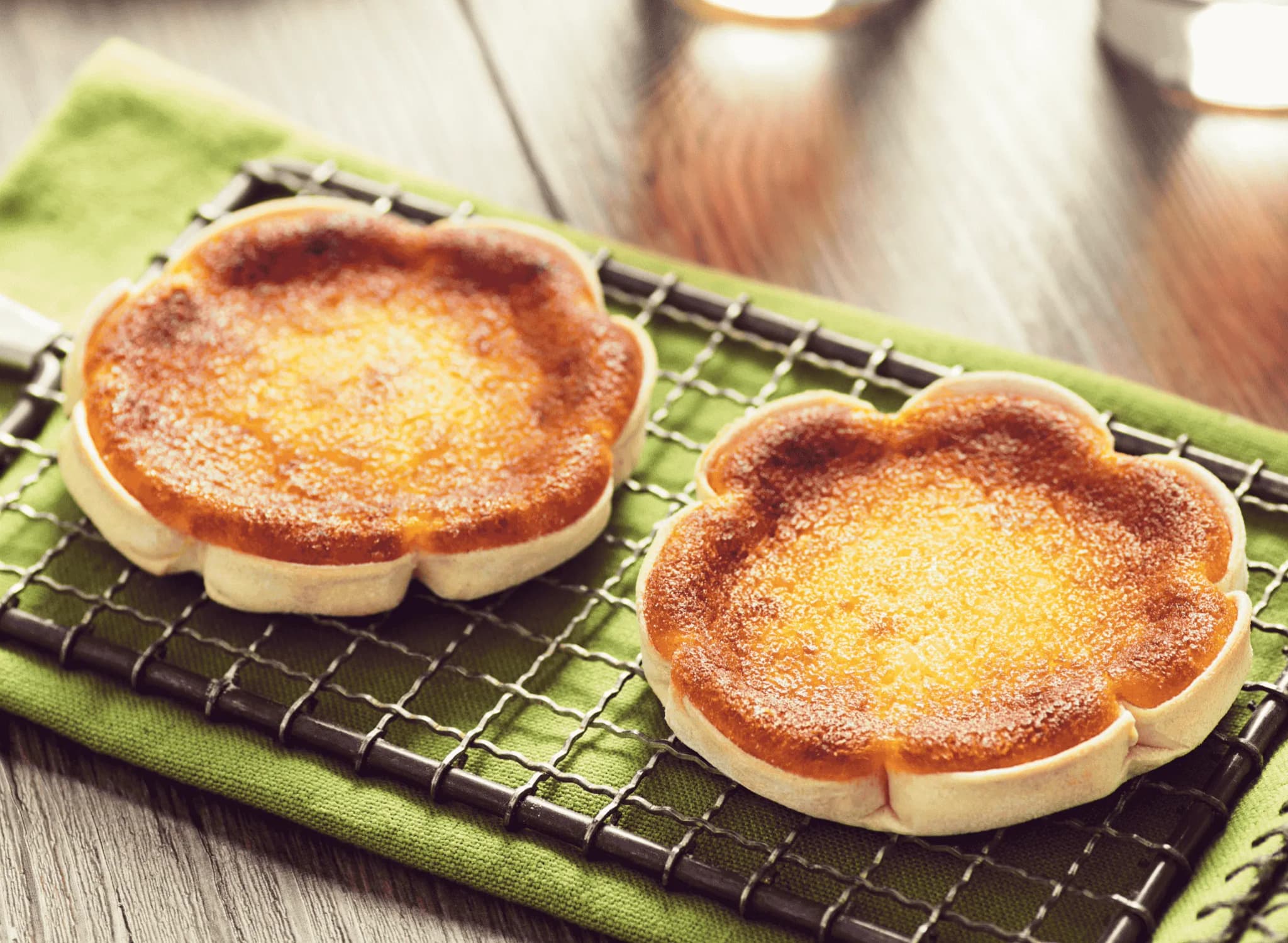
In the fairytale hills of Sintra, two legendary pastries have captivated visitors for centuries, representing the perfect marriage of Portuguese culinary tradition and royal heritage.
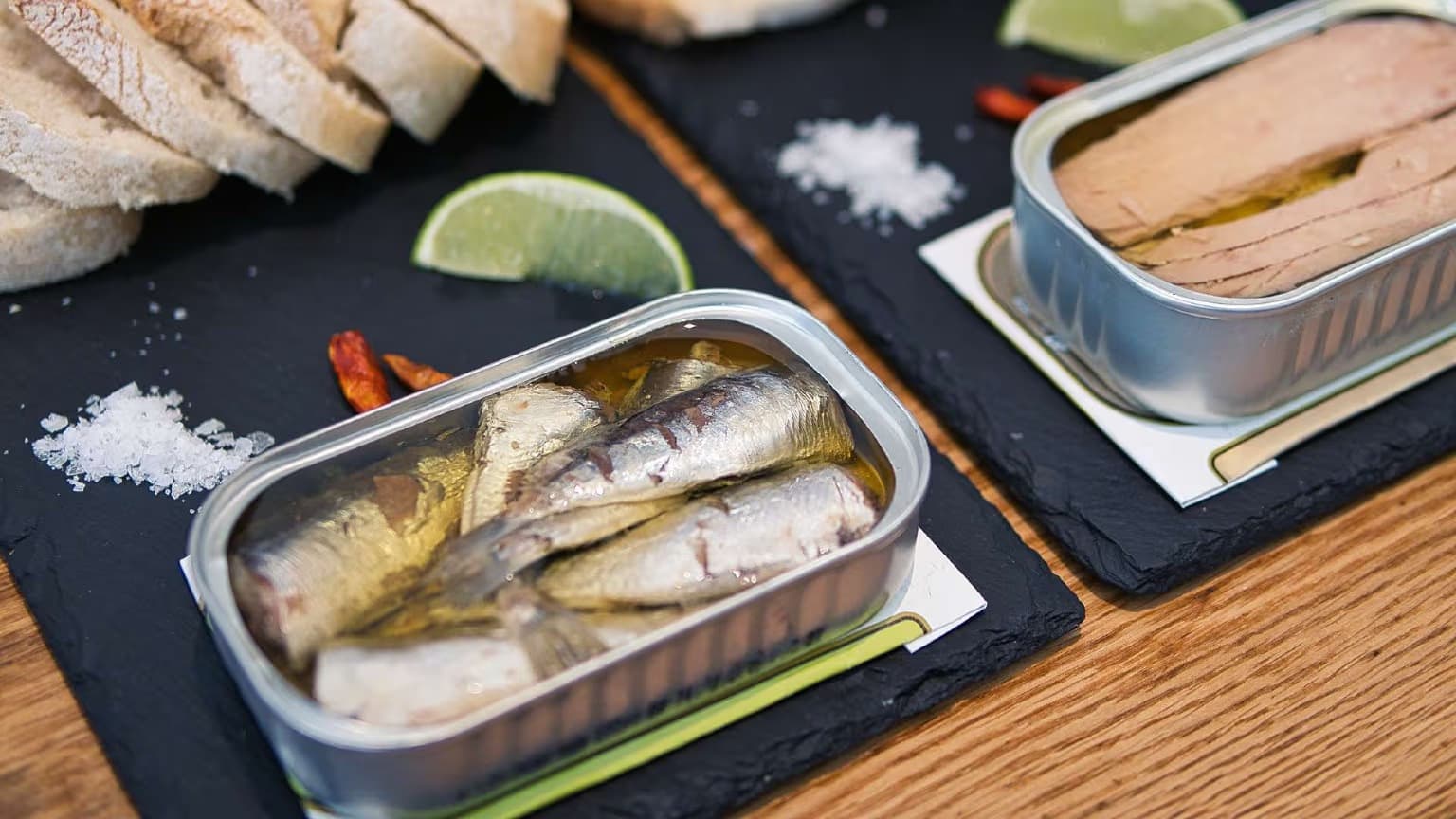
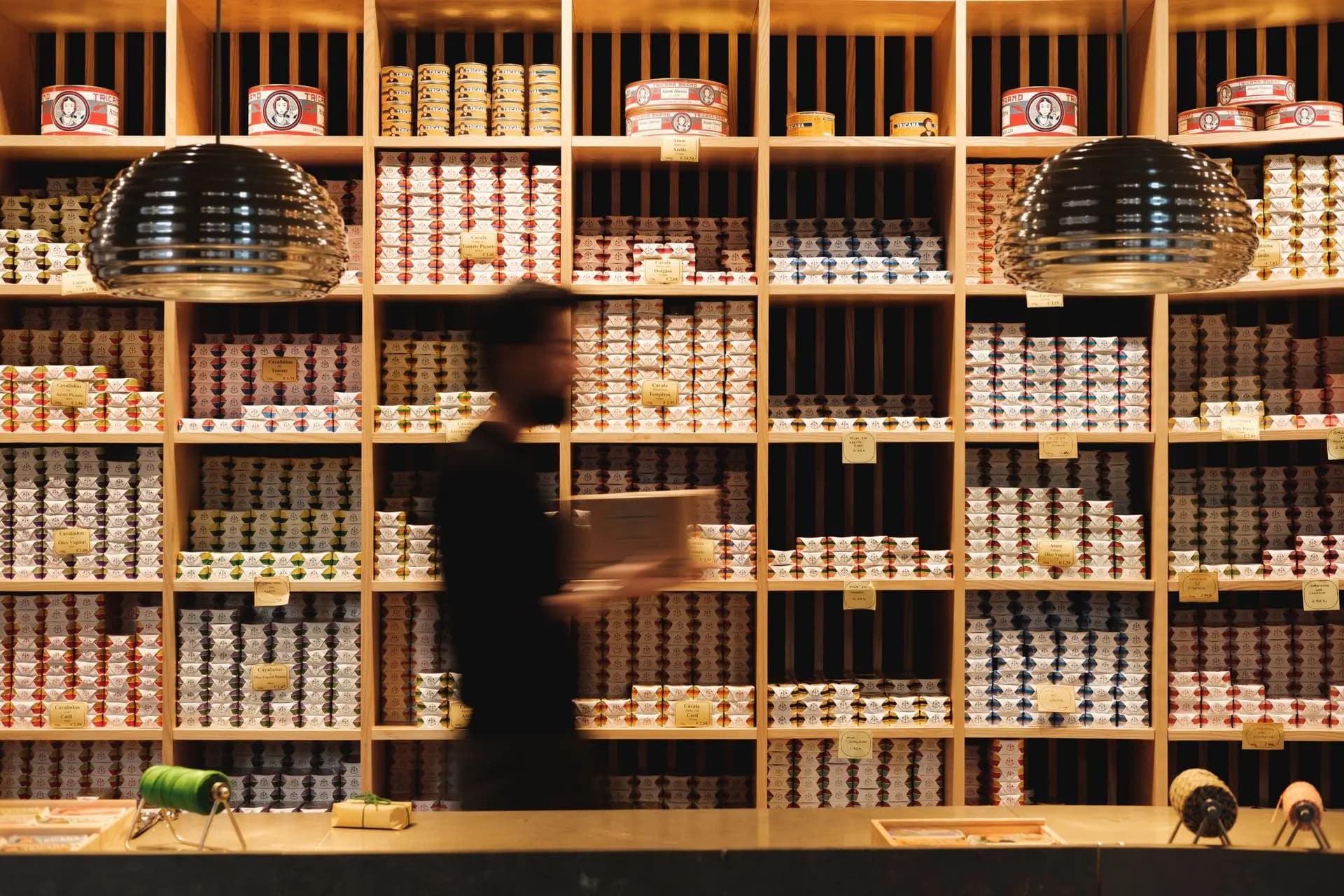
From humble pantry staples to gourmet delicacies gracing international restaurant menus, Portuguese conservas have transformed from necessity to luxury, leading a global tinned fish renaissance.

Lisbon's iconic Tram 28 winds through the city's most authentic neighborhoods, offering a unique culinary journey through centuries of Portuguese gastronomy and tradition.
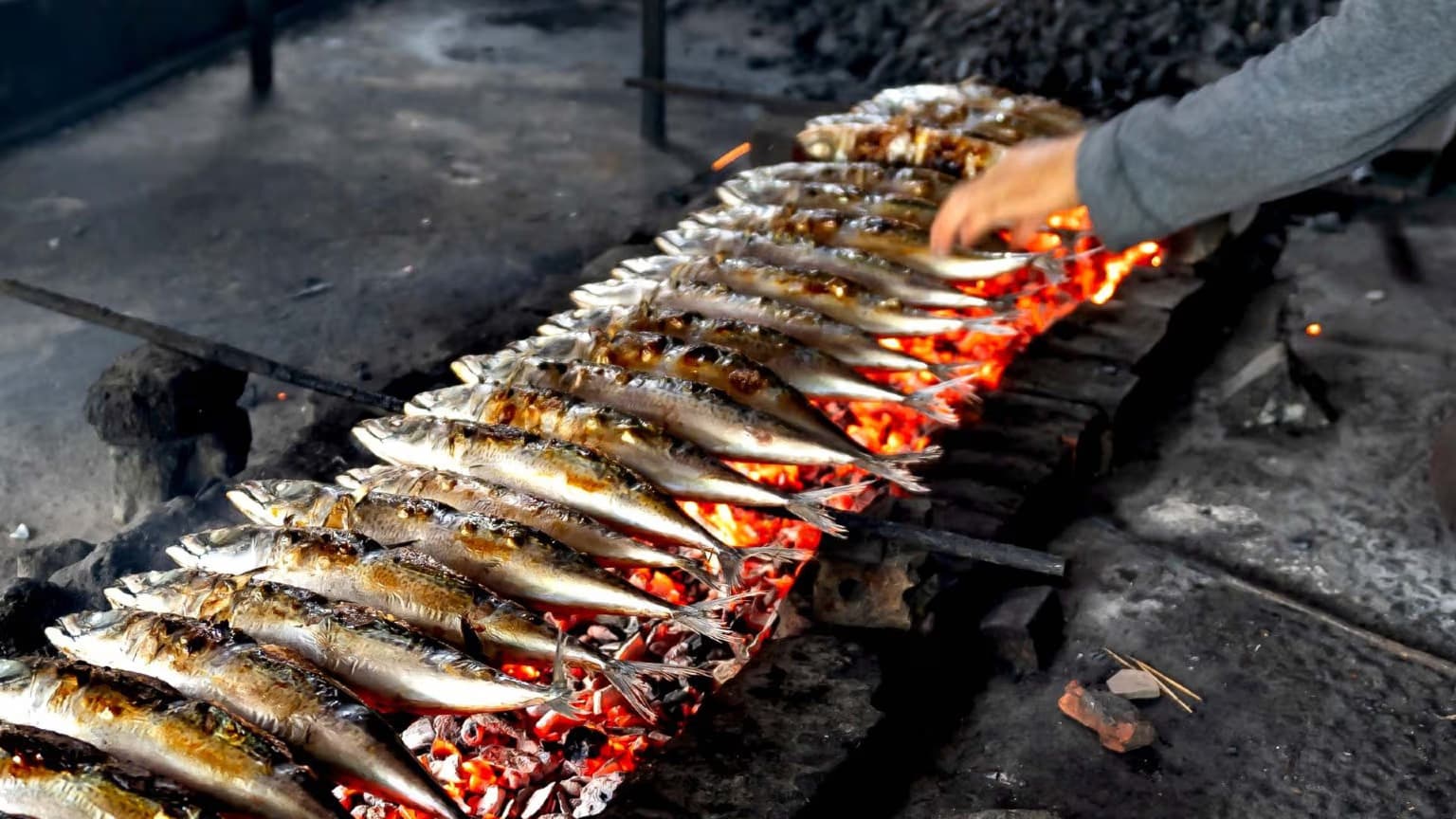
Every June, the aroma of grilled sardines and the sound of traditional music transform Lisbon's historic neighborhoods into one massive street celebration during Santos Populares.

Where tradition meets reinvention. Lisbon is the epicentre of Portugal's contemporary food scene — from historic tascas in Alfama to Michelin-starred kitchens in Chiado.