Recipes
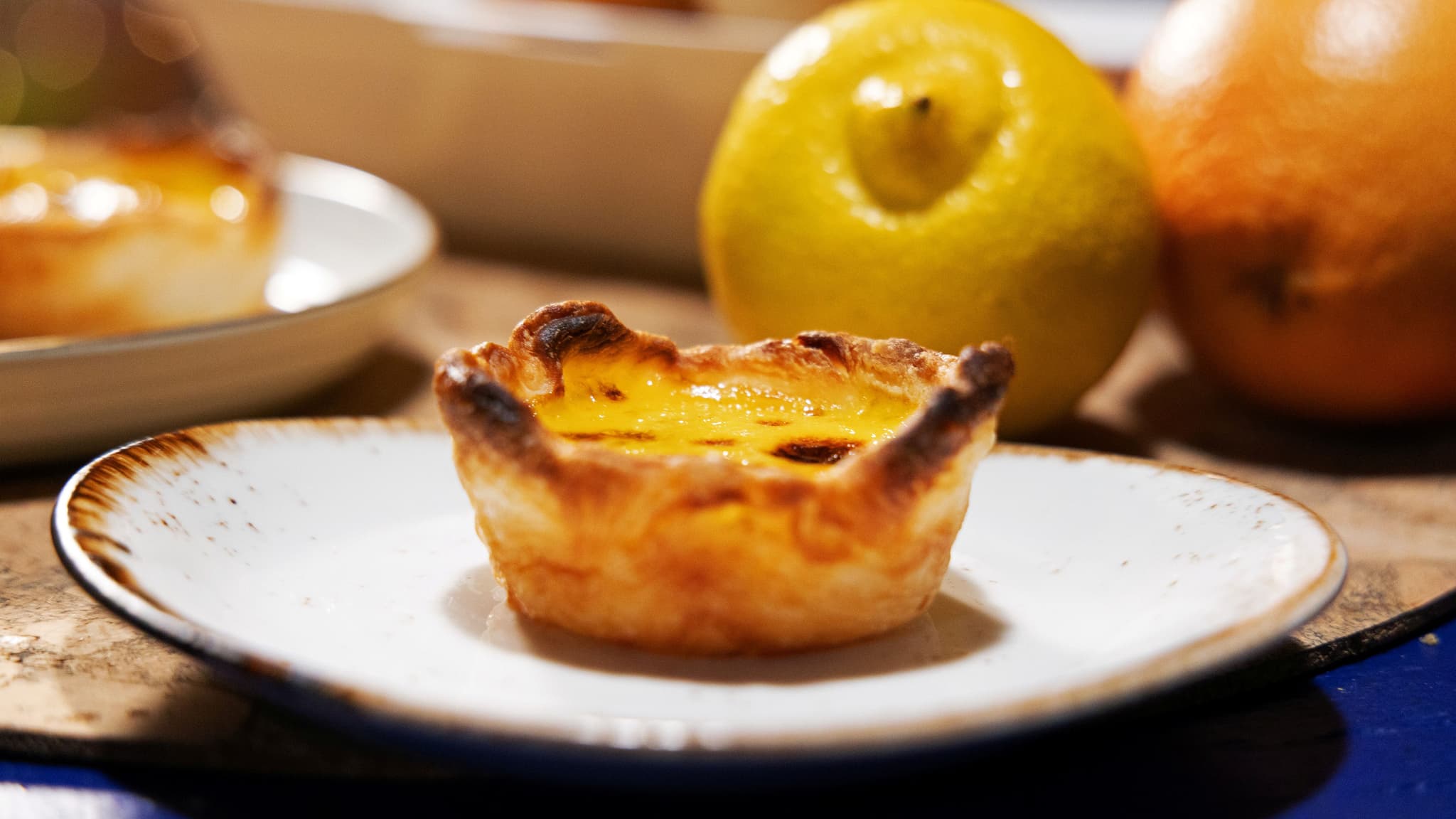
The Pastel de Nata: A Short History of Portugal's Most Famous Pastry
From the cloistered kitchens of Jerónimos Monastery to cafés worldwide, the pastel de nata represents the sweet soul of Portuguese culinary tradition.
Maria Santos·
Chef at 100 Maneiras, 1 Michelin Star
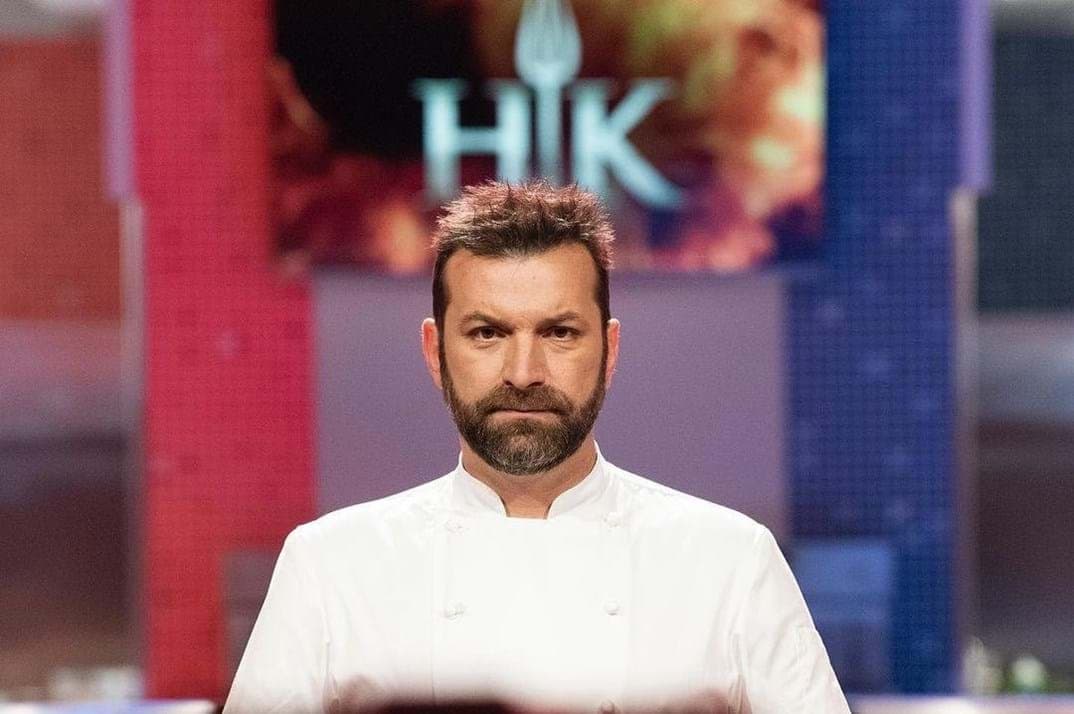
Born in Sarajevo, Bosnia-Herzegovina, Ljubomir Stanisic arrived in Portugal in 1997 as a teenager, fleeing the Yugoslav wars. What began as a refugee's journey transformed into one of Portugal's most compelling culinary success stories. Stanisic has become synonymous with innovative Portuguese cuisine, earning recognition as one of the country's most celebrated chefs.
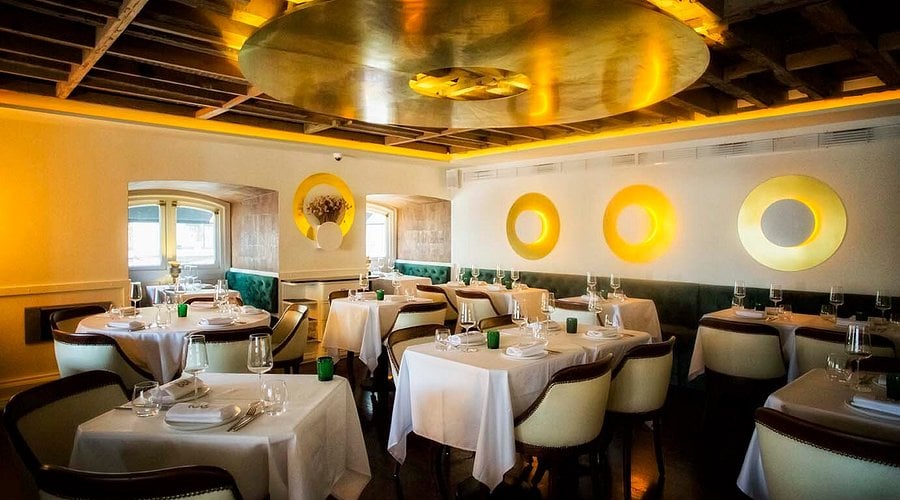
After honing his skills at the Michelin-starred Fortaleza do Guincho, Stanisic opened his first restaurant, 100 Maneiras, in Cascais in 2004. The concept later evolved into his flagship establishment in Lisbon's Bairro Alto, where he serves a 15-moment tasting menu that celebrates the marriage of Balkan flavors with Atlantic treasures. His cooking philosophy revolves around 'the absence of rules, but also the infinity of forms,' reflecting his boundary-breaking approach to cuisine.
Stanisic's culinary expertise extends beyond traditional cooking into molecular gastronomy, fermentation, and vacuum cooking techniques. He has trained extensively in chocolate technology at Valrhona in France and specializes in Italian cuisine and sea cooking. His restaurant group now includes the Michelin-starred 100 Maneiras and Carnal, which holds a Bib Gourmand recognition.
Beyond the kitchen, Stanisic has established himself as a television personality and author of five cookbooks. Since 2011, he has been a prominent figure on Portuguese television, serving as a judge on cooking shows. His influence extends to consulting roles, including his recent appointment as executive chef at Six Senses Douro Valley, cementing his status as one of Portugal's most influential culinary figures.
Loco
Feitoria Restaurant & Wine Bar
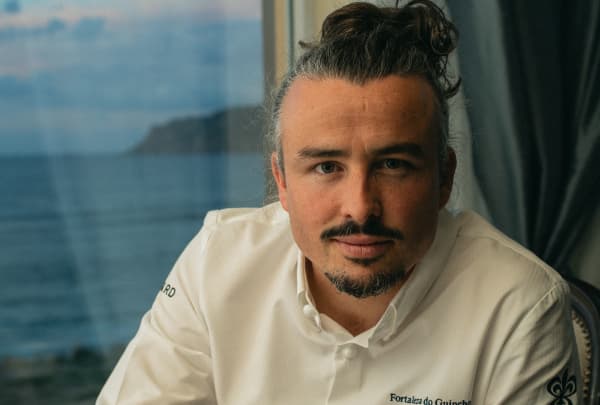
Fortaleza do Guincho

YŌSO - Omakase
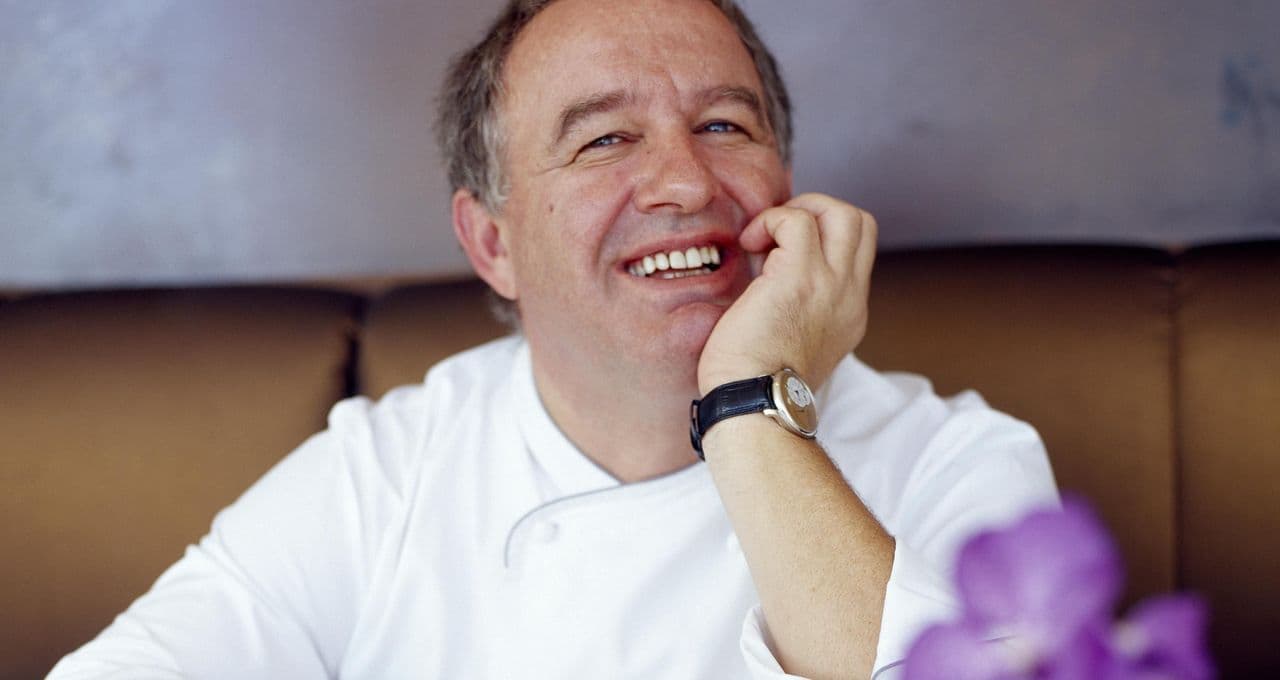
Malhadinha Nova
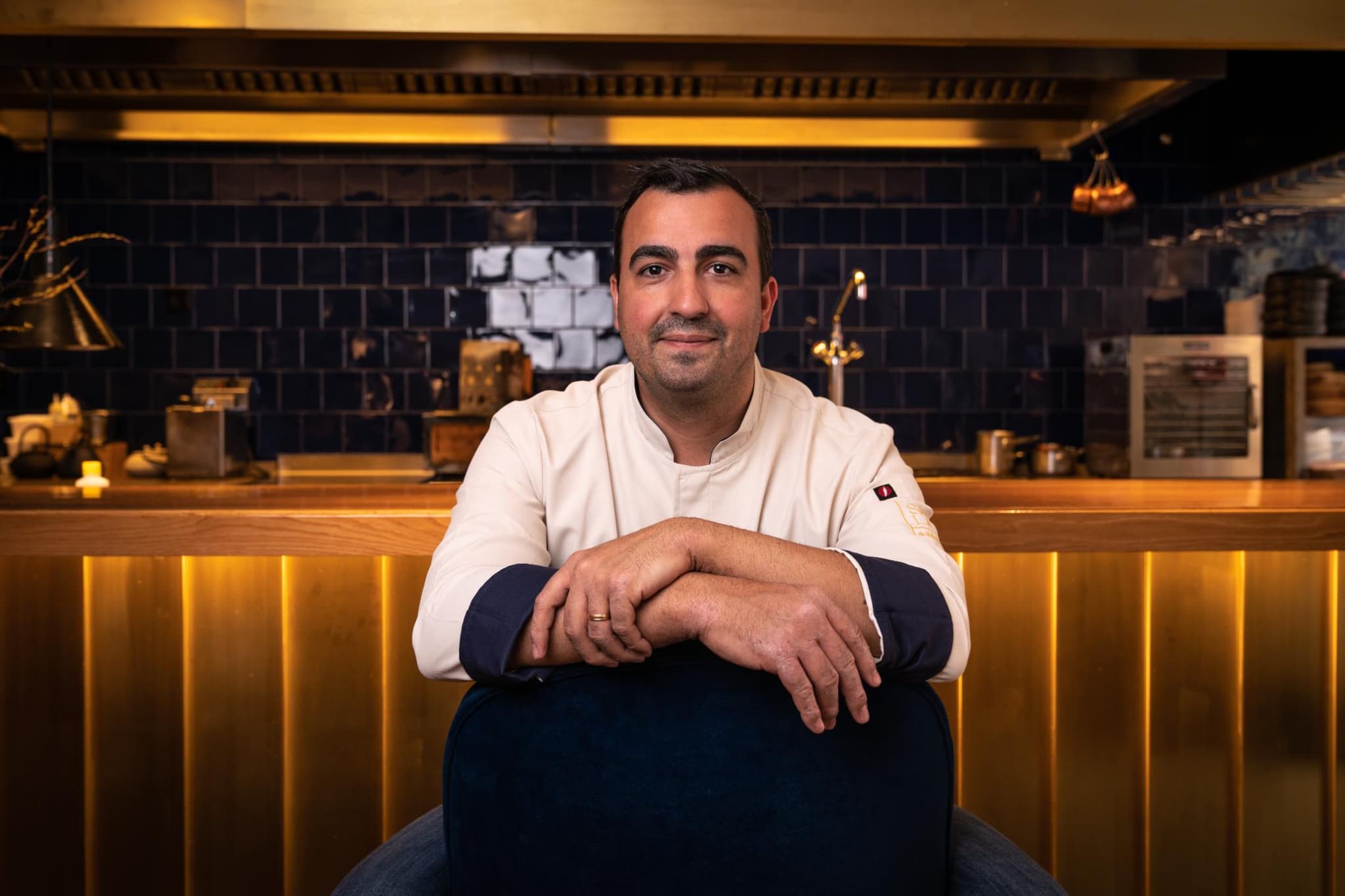
SÁLA de João Sá
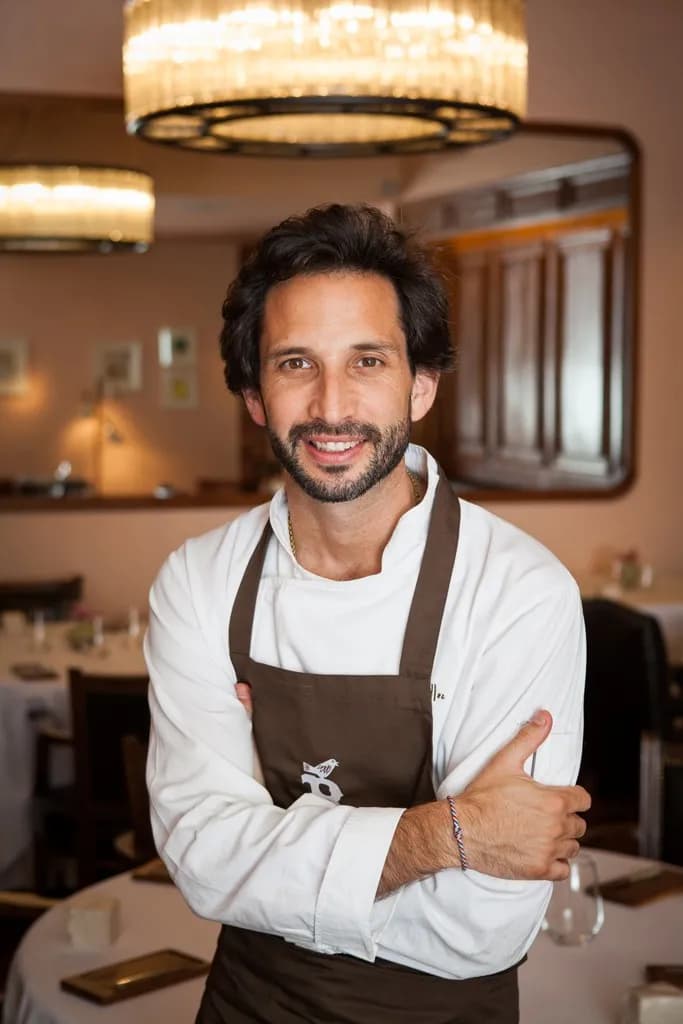
Belcanto
Marlene
.jpg&w=2048&q=75)
Praia no Parque
Kanazawa
Midori
Broto
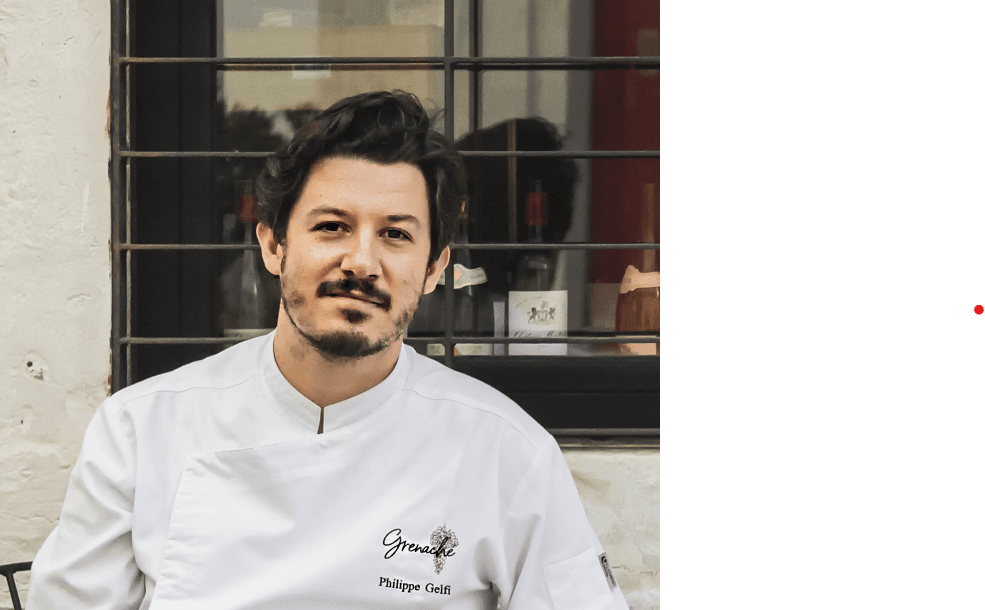
Grenache
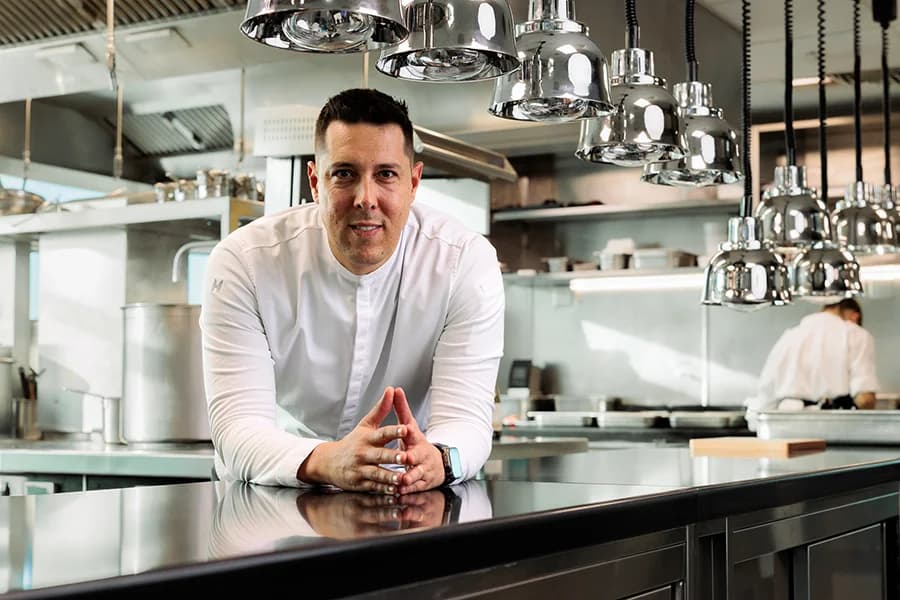
Fifty Seconds
From the cloistered kitchens of Jerónimos Monastery to cafés worldwide, the pastel de nata represents the sweet soul of Portuguese culinary tradition.

Explore how salted cod became Portugal's most beloved ingredient, shaping the nation's culinary identity for over 500 years through maritime tradition and regional innovation.
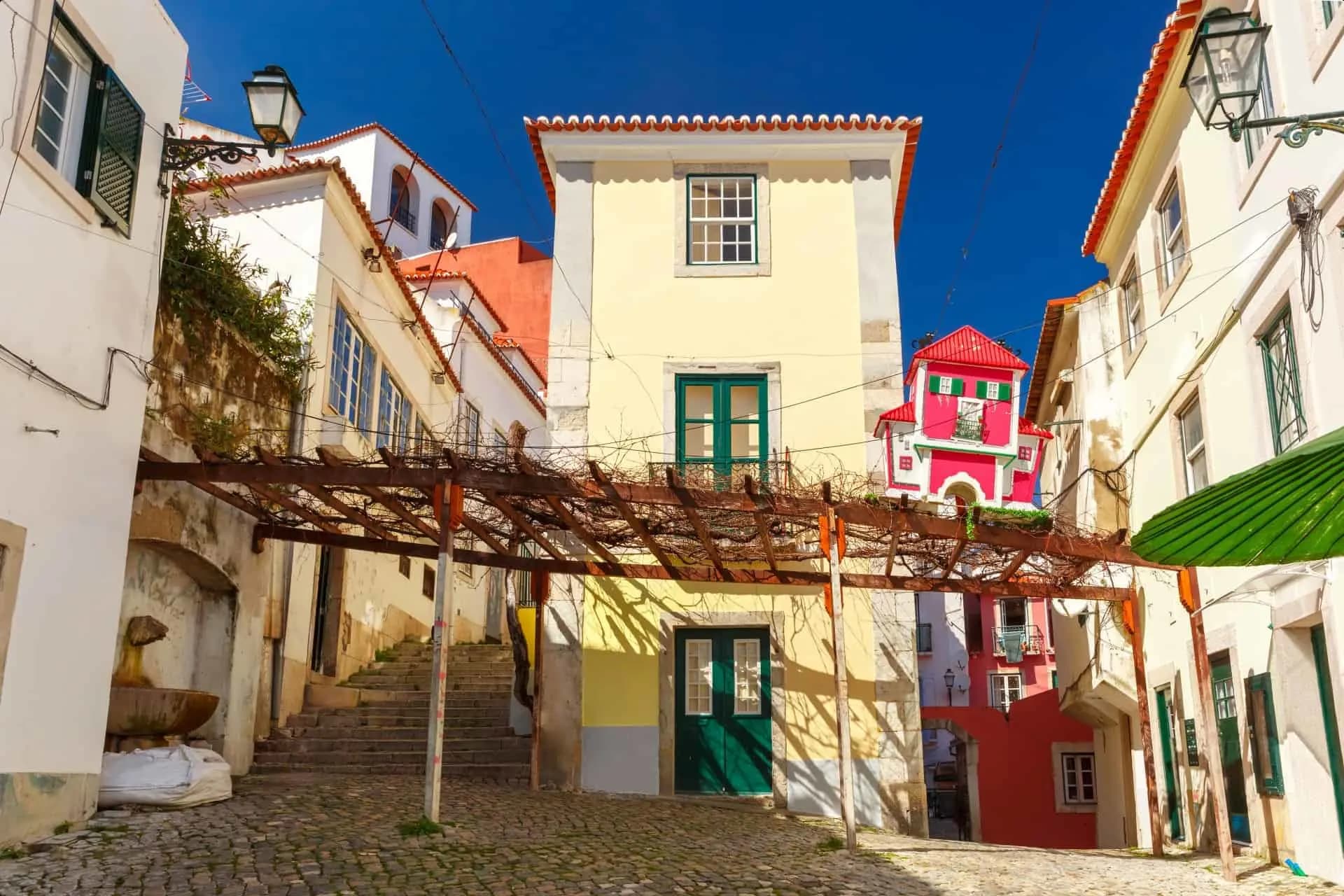
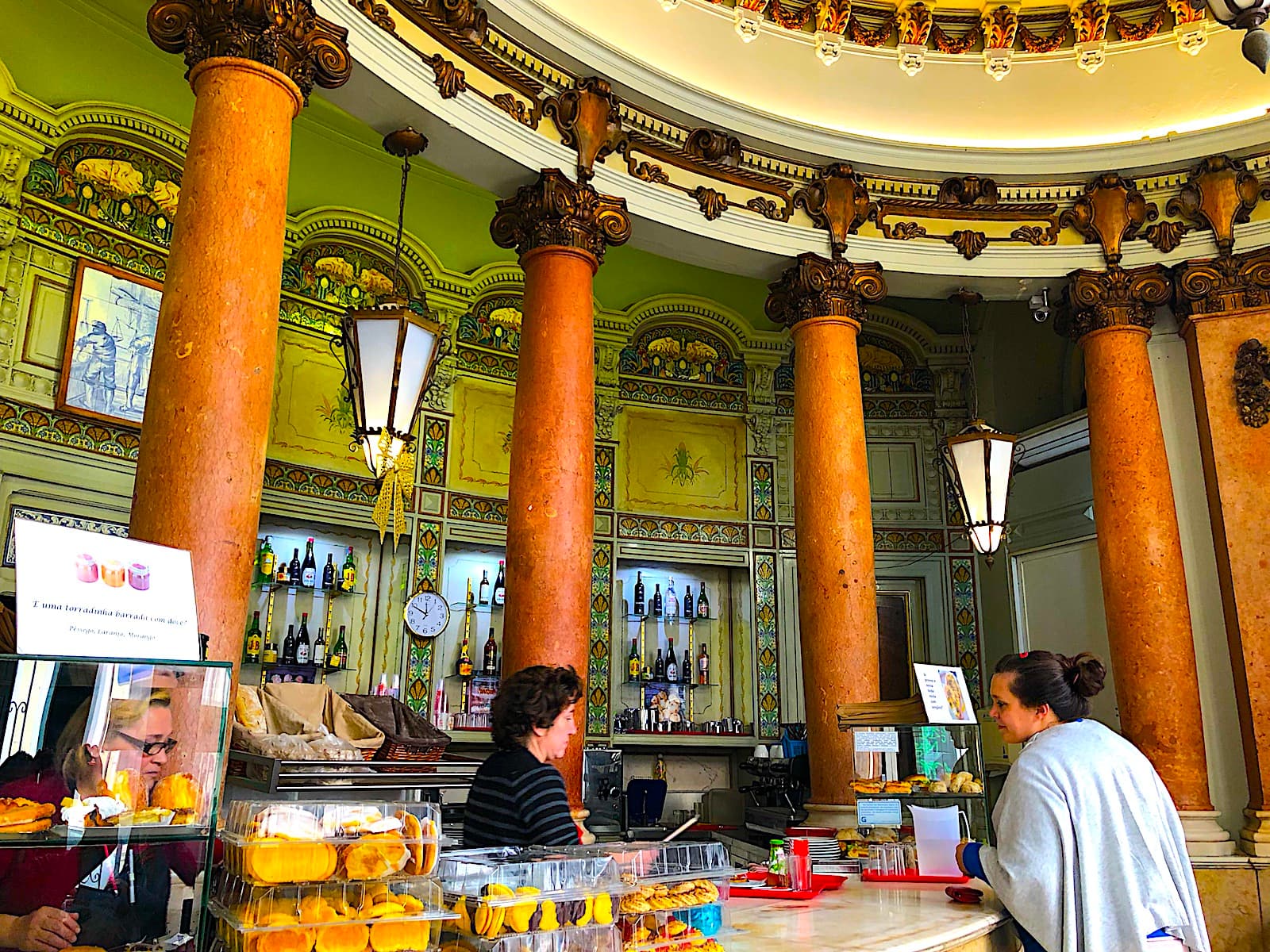
Discover the authentic flavors of Portugal's capital through the winding cobblestone streets of Alfama, where centuries-old culinary traditions come alive in every bite.
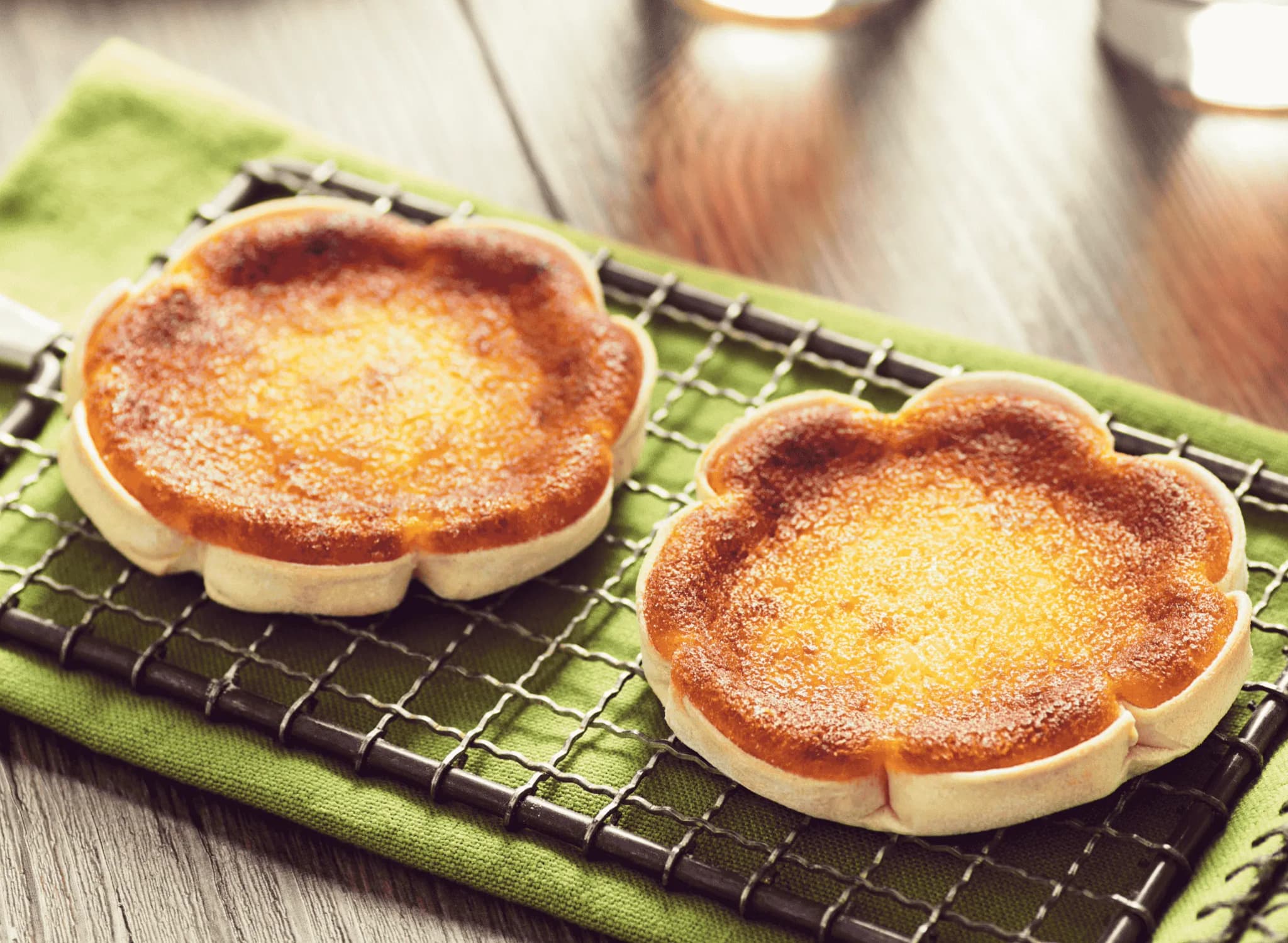
In the fairytale hills of Sintra, two legendary pastries have captivated visitors for centuries, representing the perfect marriage of Portuguese culinary tradition and royal heritage.
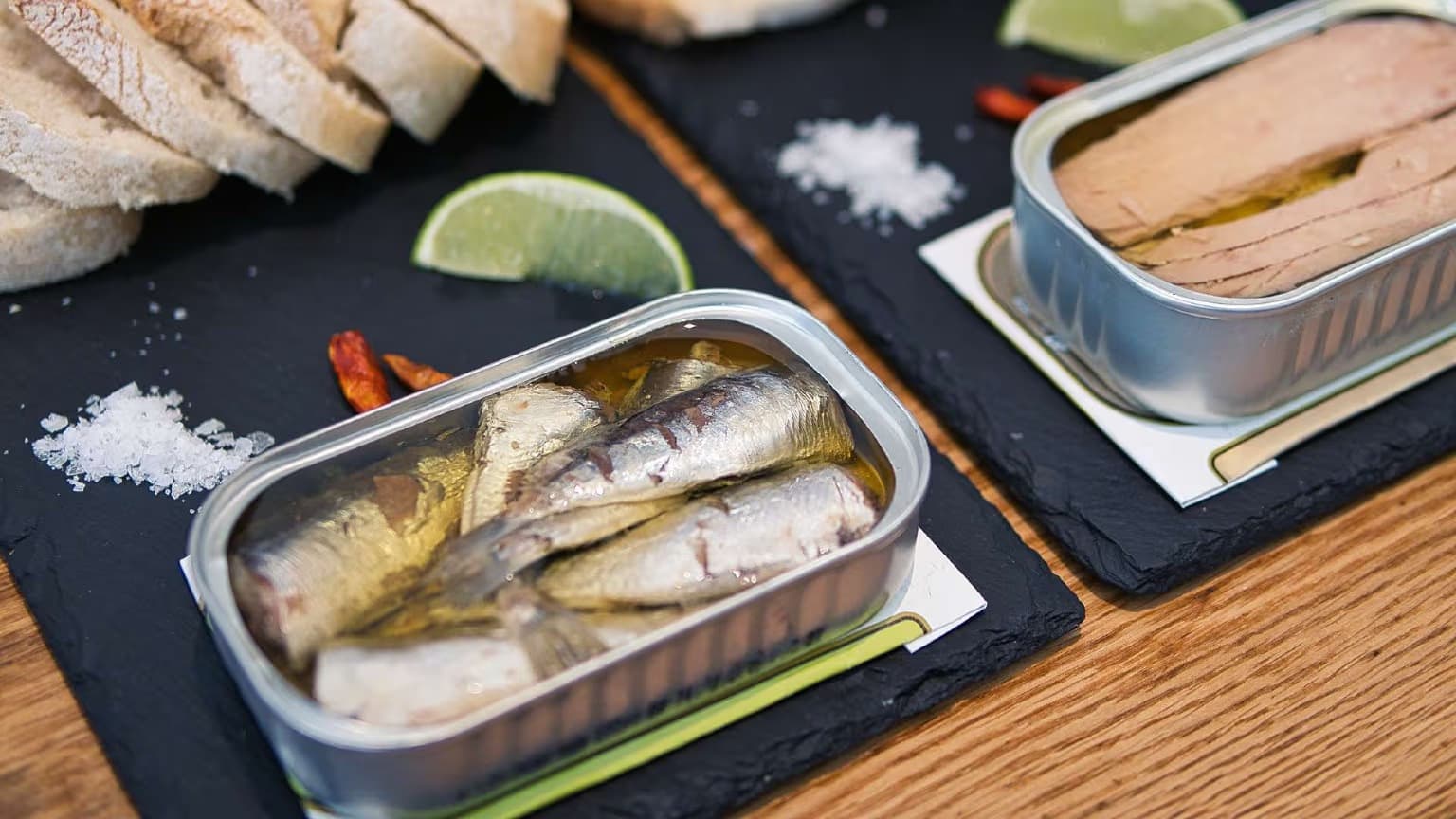
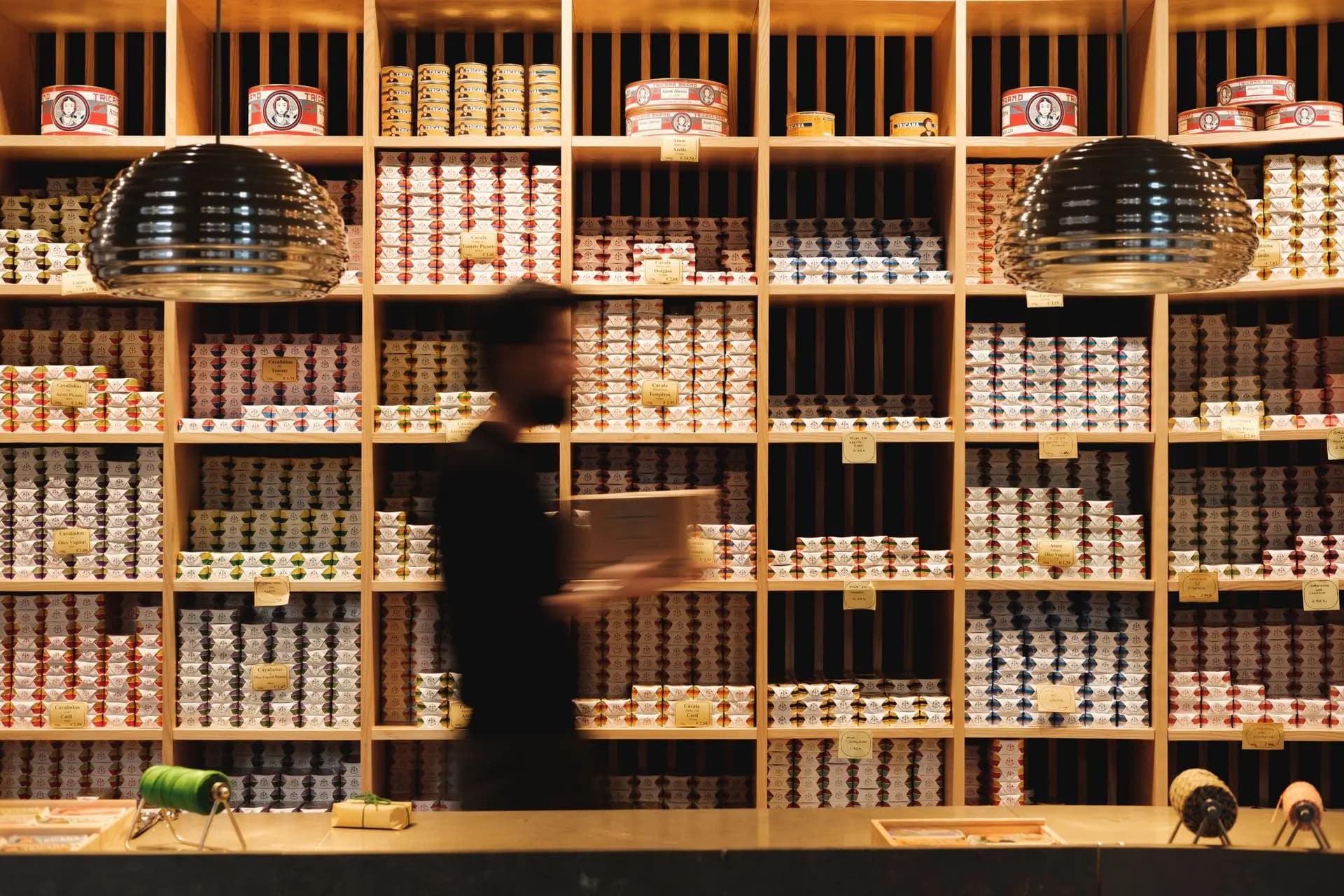
From humble pantry staples to gourmet delicacies gracing international restaurant menus, Portuguese conservas have transformed from necessity to luxury, leading a global tinned fish renaissance.

Lisbon's iconic Tram 28 winds through the city's most authentic neighborhoods, offering a unique culinary journey through centuries of Portuguese gastronomy and tradition.
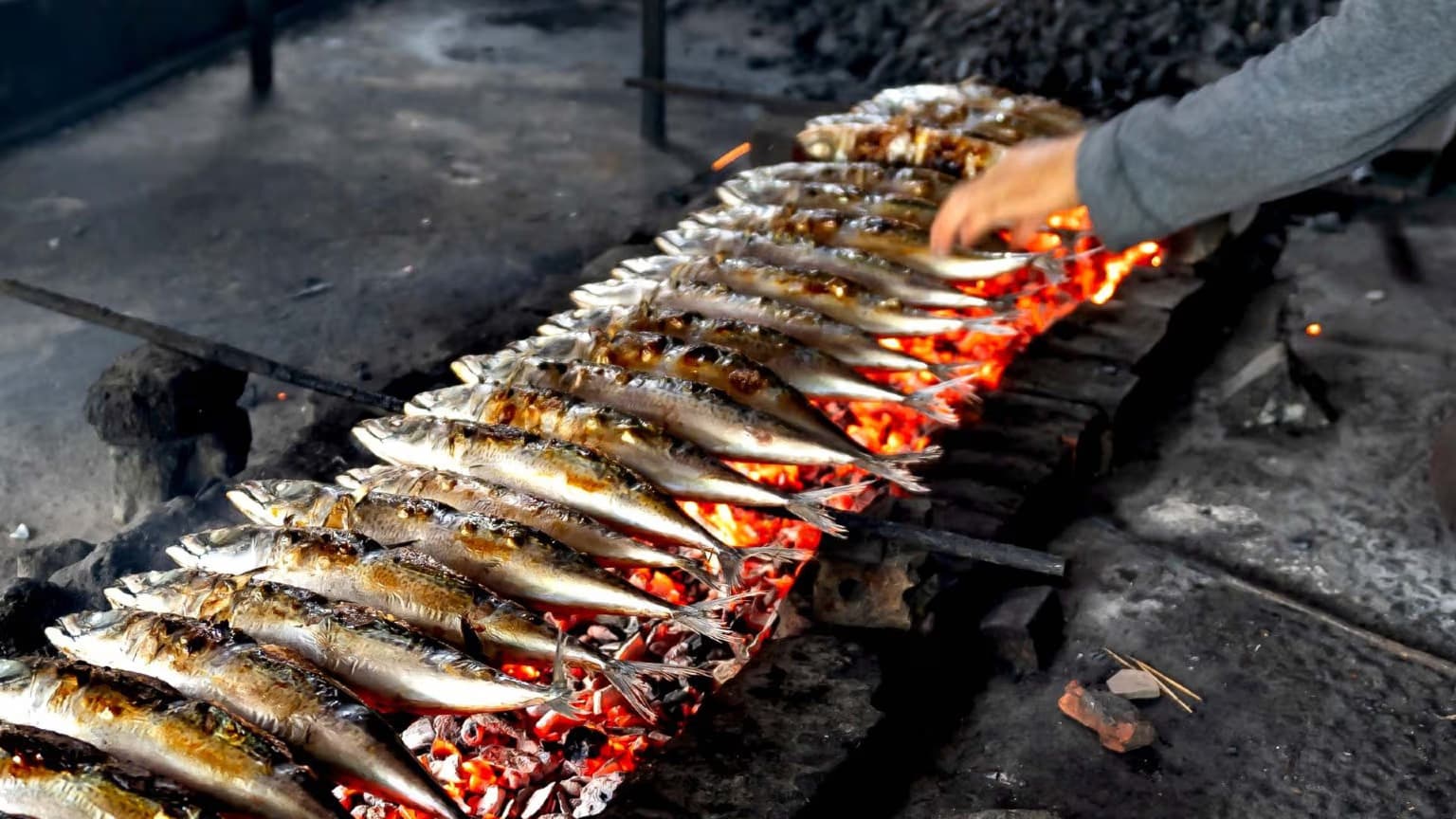
Every June, the aroma of grilled sardines and the sound of traditional music transform Lisbon's historic neighborhoods into one massive street celebration during Santos Populares.