Leitão da Bairrada
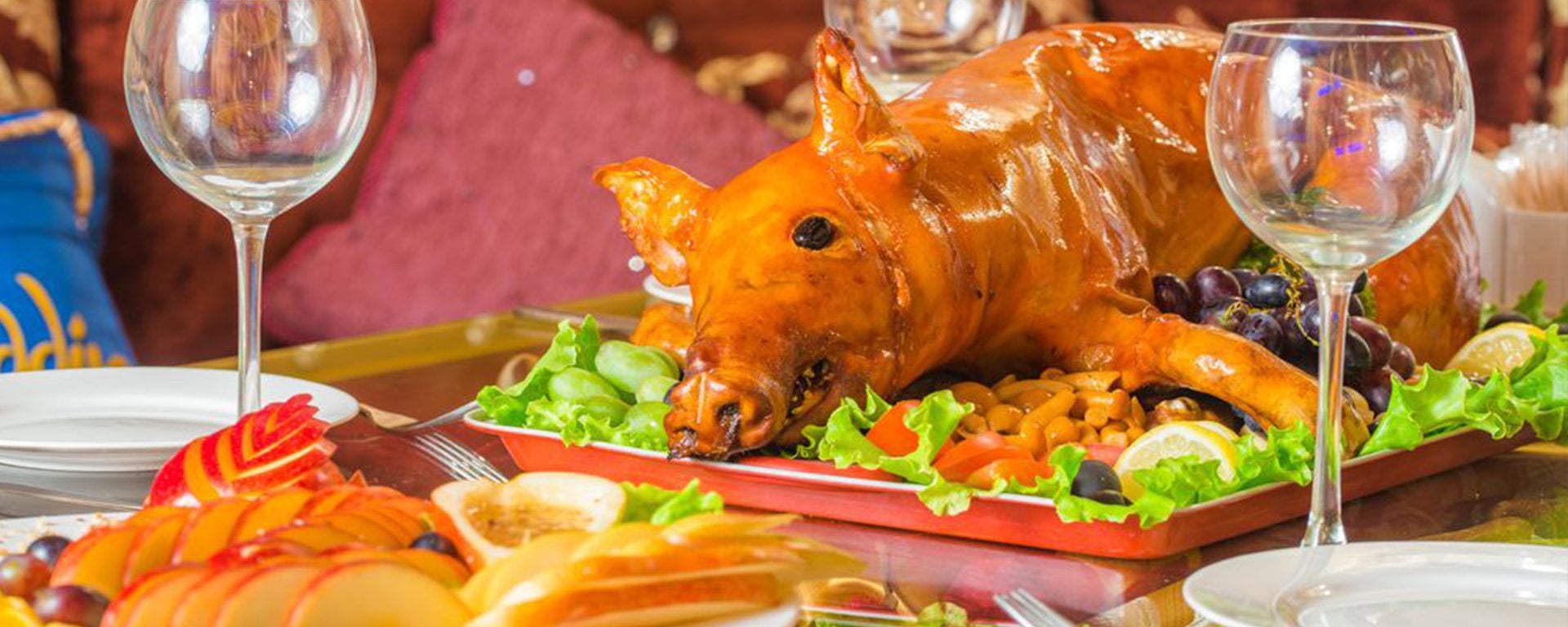
Leitão da Bairrada is Portugal's most celebrated roasted suckling pig dish, originating from the Bairrada region in central Portugal, particularly around the town of Mealhada. This iconic dish represents centuries of Portuguese culinary tradition, with its roots tracing back to rural monasteries where monks perfected the art of slow-roasting young pigs in wood-fired ovens.
The dish is renowned for its perfect contrast of textures - incredibly tender, creamy meat that falls off the bone, encased in a gloriously crispy, golden skin that crackles when cut. The secret lies in the traditional seasoning paste made from coarse salt, garlic, black pepper, and lard, which is massaged into every crevice of the pig before slow-roasting. This creates the signature flavor profile that has made Leitão da Bairrada a pilgrimage destination for food lovers across Portugal and beyond.
Traditionally served at celebrations and family gatherings, Leitão da Bairrada is more than just a meal - it's a cultural experience that embodies the Portuguese values of hospitality, tradition, and the joy of sharing exceptional food with loved ones.
Ingredients
- 5-6 kg (1 whole (5-6 kg)) Suckling pig
- 200g (200g) Coarse sea salt
- 60g (6 large) Garlic cloves
- 250g (250g) Lard or olive oil
- 30g (2 tbsp) Black pepper
- 4-5 leaves (4-5 leaves) Bay leaves
- 240ml (1 cup) White wine
Method
- 1
Clean the suckling pig thoroughly inside and out, patting completely dry with paper towels. Score the skin lightly in a crosshatch pattern, being careful not to cut into the meat.
- 2
Using a mortar and pestle, crush the garlic cloves with coarse salt and black pepper until it forms a rough paste. Gradually work in the lard or olive oil to create a thick, aromatic seasoning paste.
- 3
Rub the seasoning paste generously all over the pig, both inside the cavity and on the skin, massaging it into all crevices and scored areas. Place bay leaves inside the cavity and sew or skewer the belly closed.
- 4
Allow the seasoned pig to rest at room temperature for 2-3 hours, or refrigerate overnight to allow flavors to penetrate the meat.
- 5
Preheat your oven to 220°C (425°F). Place the pig on a large roasting rack over a deep roasting pan. Roast for 30 minutes at high heat to begin crisping the skin.
- 6
Reduce temperature to 160°C (320°F) and continue roasting for 4-5 hours, basting every 45 minutes with white wine and pan juices. The internal temperature should reach 75°C (167°F).
- 7
In the final 30 minutes, increase temperature back to 220°C (425°F) to achieve maximum skin crispiness. The skin should be deep golden and crackling.
- 8
Remove from oven and let rest for 15-20 minutes before carving. Serve immediately while the skin is still crackling, traditionally accompanied by roasted potatoes and a simple salad.
- 9
Clean the suckling pig thoroughly inside and out, patting completely dry with paper towels. Score the skin lightly in a crosshatch pattern, being careful not to cut into the meat.
- 10
Using a mortar and pestle, crush the garlic cloves with coarse salt and black pepper until it forms a rough paste. Gradually work in the lard or olive oil to create a thick, aromatic seasoning paste.
- 11
Rub the seasoning paste generously all over the pig, both inside the cavity and on the skin, massaging it into all crevices and scored areas. Place bay leaves inside the cavity and sew or skewer the belly closed.
- 12
Allow the seasoned pig to rest at room temperature for 2-3 hours, or refrigerate overnight to allow flavors to penetrate the meat.
- 13
Preheat your oven to 220°C (425°F). Place the pig on a large roasting rack over a deep roasting pan. Roast for 30 minutes at high heat to begin crisping the skin.
- 14
Reduce temperature to 160°C (320°F) and continue roasting for 4-5 hours, basting every 45 minutes with white wine and pan juices. The internal temperature should reach 75°C (167°F).
- 15
In the final 30 minutes, increase temperature back to 220°C (425°F) to achieve maximum skin crispiness. The skin should be deep golden and crackling.
- 16
Remove from oven and let rest for 15-20 minutes before carving. Serve immediately while the skin is still crackling, traditionally accompanied by roasted potatoes and a simple salad.