Centro is the region that holds the country together, which is maybe why it resists being summarised.
Geographically it covers the area between the Tagus and the Douro, minus the coastal strips that other regions claim. Politically and historically it has been the pivot of Portugal since the founding of the kingdom. Coimbra served as the country's capital for over a century before Lisbon took over. The Knights Templar built their headquarters at Tomar, and the Convento de Cristo there is probably the single most fascinating religious complex in the country, with a round church modelled on the Holy Sepulchre and cloisters added over five centuries of continuous building.
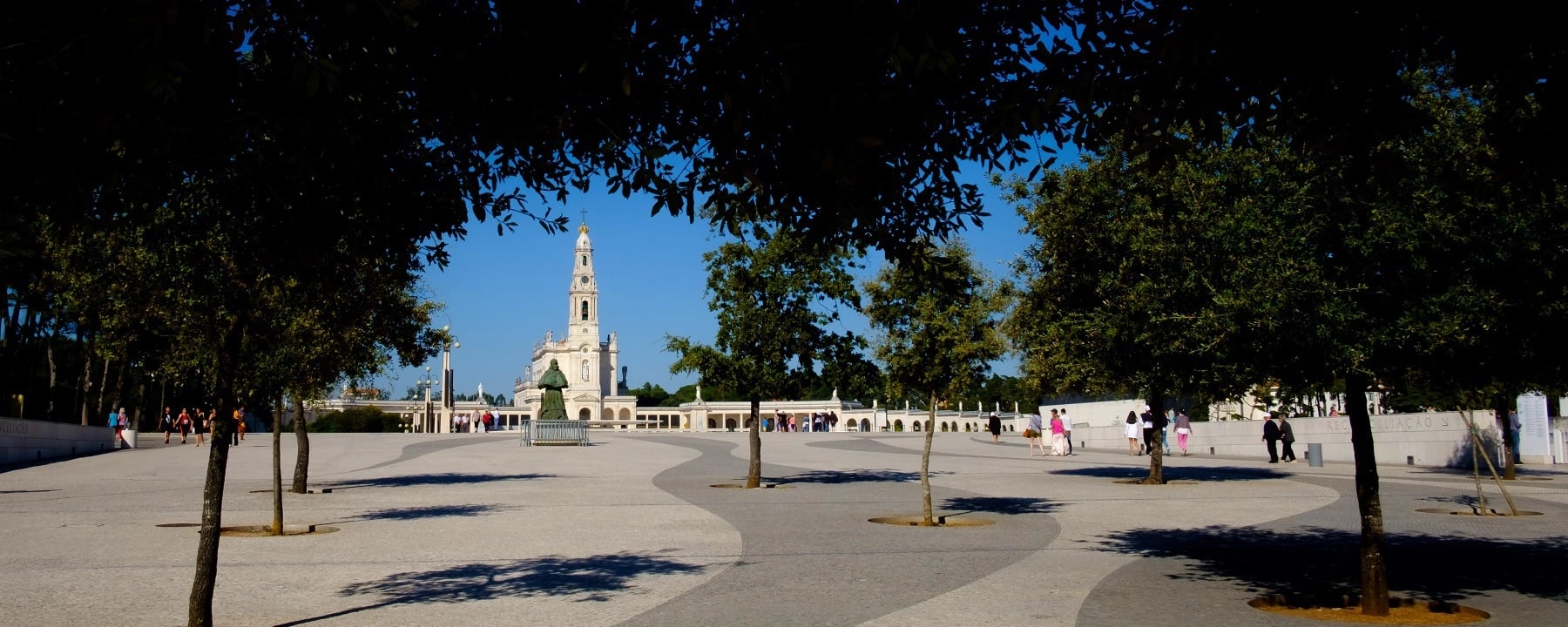
Then there is Fátima, which needs no introduction for most visitors. The apparitions of 1917 transformed a farming village into one of the largest Catholic pilgrimage sites in the world, and whether or not you share the faith, the scale of belief gathered here is worth witnessing at least once.
The coast holds Nazaré, whose winter waves have become the most photographed big-wave surf spot on earth. The same ocean, a little further south, gave rise to the traditional fishing culture that still survives in places like Peniche, with the Berlengas islands just offshore. Óbidos, walled and medieval and painted white, is the kind of town Instagram would have invented had it not already existed.
Inland, the region becomes forested, with the Mata Nacional do Buçaco, the pine forests of Leiria, and a constellation of small towns that rarely make international guidebooks. Viseu, Aveiro, Castelo Branco. Each one rewards a day.
Centro is not a destination in the marketing sense. It is what you discover when you realise that the famous parts of Portugal are connected by somewhere worth stopping.