Bica, Meia de Leite, Abatanado: A Guide to Portuguese Coffee Culture
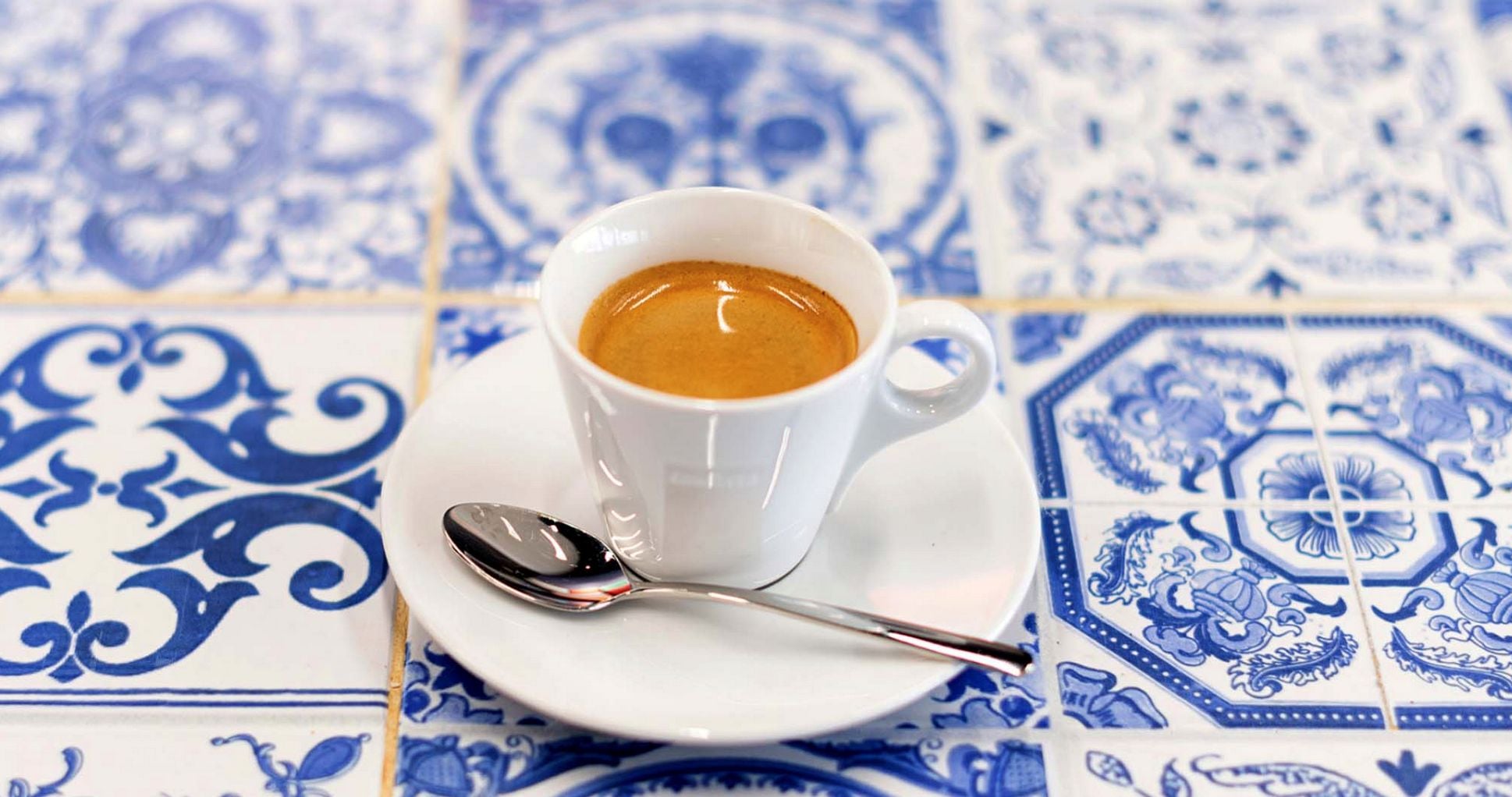
Portuguese coffee culture is far more than a simple caffeine ritual—it's a deeply ingrained social tradition that varies dramatically across regions, each with its own terminology and preparation methods. At the heart of this culture lies the bica, Portugal's answer to the espresso, a small but potent coffee that uses an earthier blend of Arabica and Robusta beans, roasted to create the intense, bold flavors that Portuguese coffee drinkers have cherished for generations.
The terminology alone reveals the rich regional diversity of Portuguese coffee culture. While Lisbon calls it a bica, Porto prefers cimbalino, and each region has developed its own linguistic variations. The meia de leite, literally meaning "half milk," represents the perfect balance of equal parts coffee and milk, typically served in a large cup and offering a punchier alternative to the milk-heavy galão. Meanwhile, the abatanado serves as Portugal's version of an Americano—a watered-down espresso that fills the cup completely, created by allowing the coffee to drip until the vessel is full.
What distinguishes Portuguese coffee culture from its European neighbors is the emphasis on simplicity and social connection. Unlike the fast-paced coffee culture found elsewhere, Portuguese cafés encourage lingering conversations and unhurried moments. The traditional approach involves drinking coffee after meals—particularly the post-lunch and post-dinner bica—creating natural pause points in the daily rhythm that foster community interaction.
Regional Variations and Local Traditions
Each Portuguese region has developed its own coffee identity. In Madeira, coffee drinkers might order a chinesa, while northern regions maintain distinct preferences that differ markedly from southern traditions. These regional variations extend beyond mere terminology to encompass different preparation methods, serving styles, and even the preferred times for consumption, creating a rich tapestry of coffee culture that reflects Portugal's diverse cultural landscape.
The Portuguese approach to coffee blending also sets it apart, typically combining beans from different origins to create distinctive "blends" with less intense roasting than found in neighboring countries. This technique produces the characteristic earthier flavor profile that defines Portuguese coffee, making it instantly recognizable to those familiar with the tradition. Whether enjoyed as a quick morning bica or savored as an afternoon meia de leite, Portuguese coffee culture represents a living tradition that continues to evolve while maintaining its essential character as a cornerstone of daily social life.