Cooking With Volcanoes: The Geothermal Cuisine of the Azores
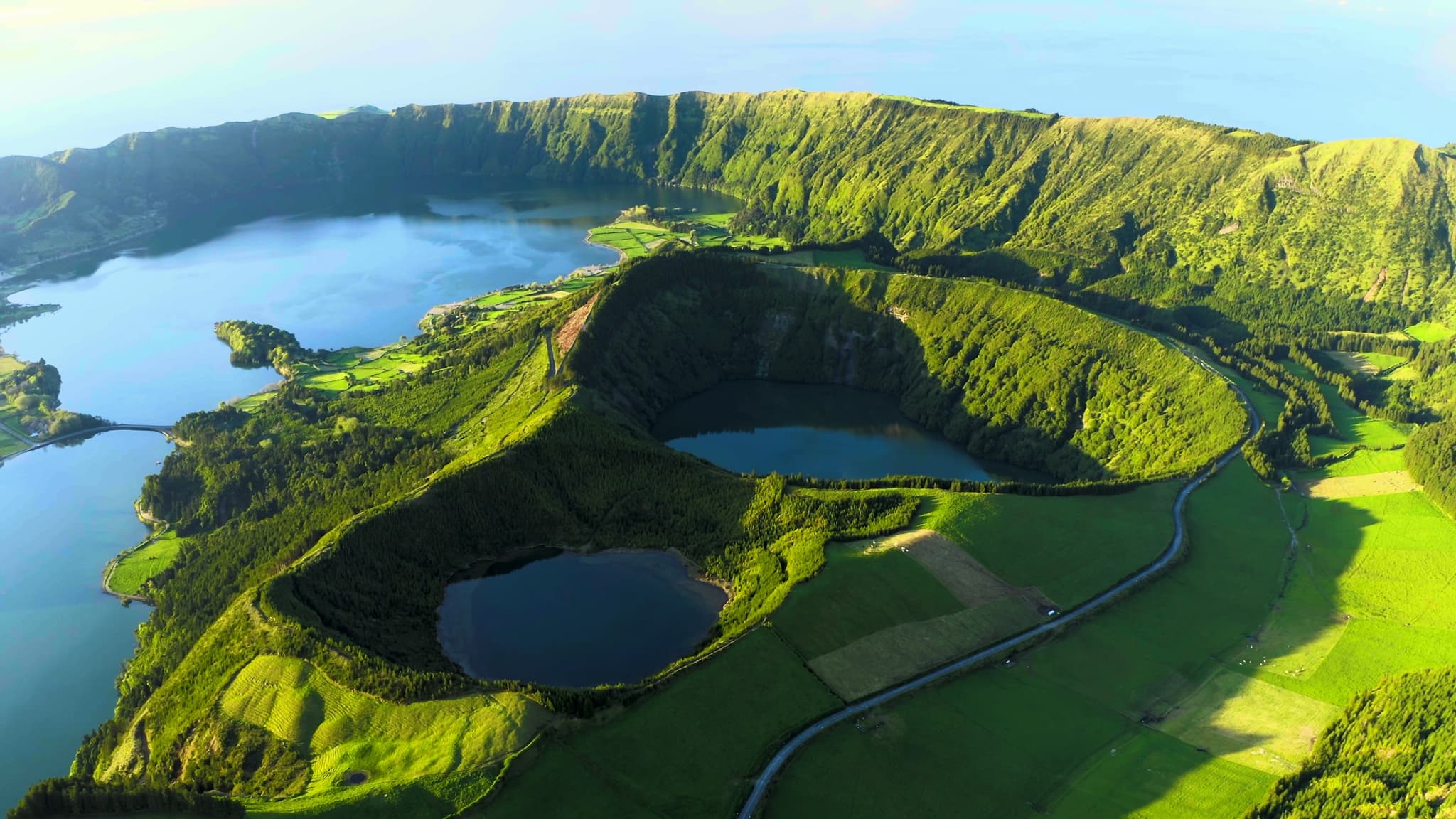
Deep in the heart of São Miguel Island, where steam rises from the earth and the ground radiates natural heat, the Azorean people have mastered one of the world's most extraordinary cooking methods. For centuries, locals have harnessed the geothermal energy of the Furnas calderas to prepare their iconic Cozido das Furnas, a traditional Portuguese stew that transforms the volcanic landscape into a natural kitchen.
This remarkable culinary tradition represents far more than mere cooking—it embodies the profound relationship between the Azorean people and their volcanic environment. The practice began centuries ago when local inhabitants discovered they could use the consistent underground heat, reaching temperatures of up to 100°C, to slowly cook their meals. What emerged was a cooking method that requires no fuel, no fire, and no conventional kitchen, relying entirely on the Earth's natural geothermal activity.
The Art of Underground Cooking
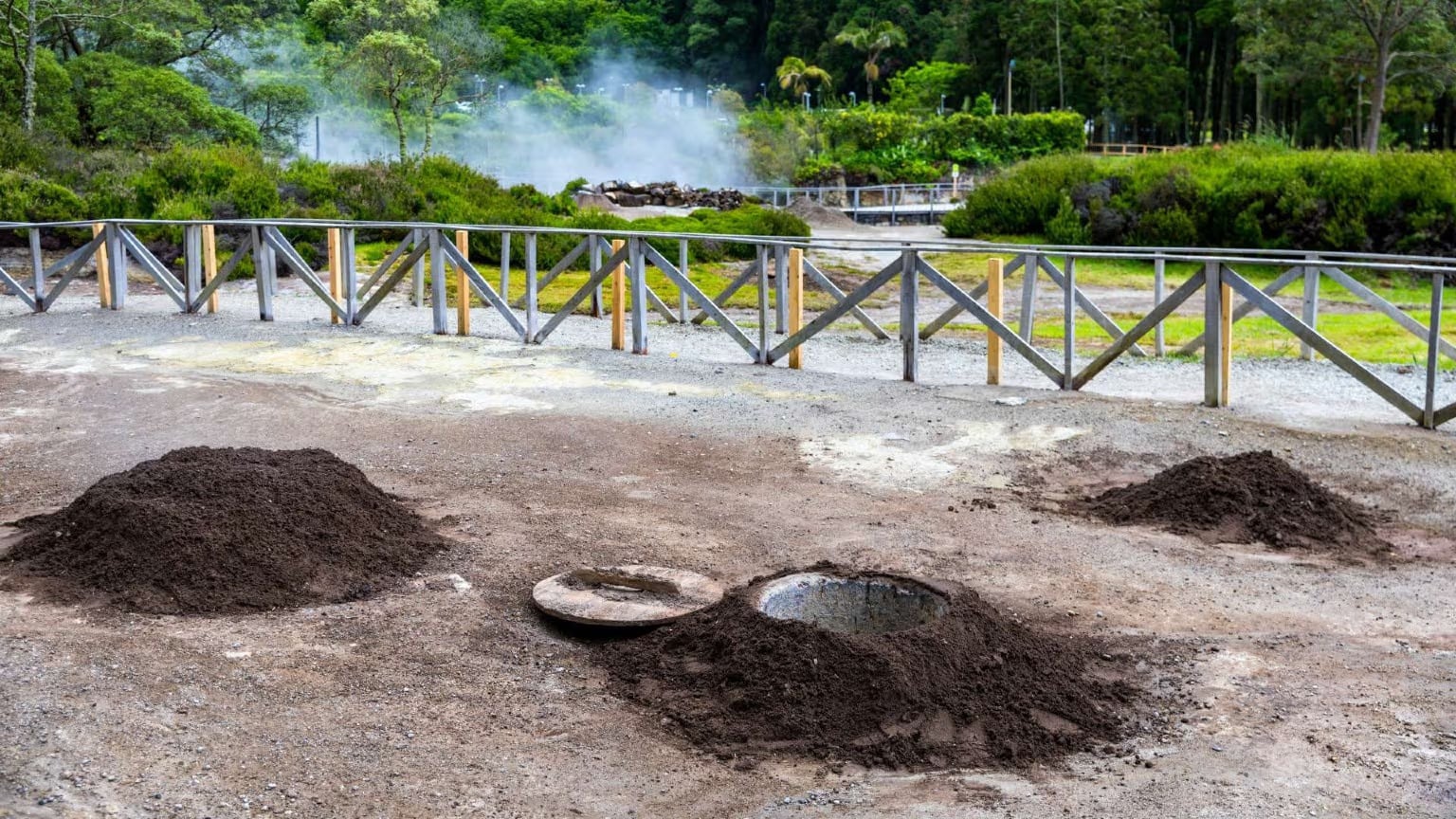
The preparation of Cozido das Furnas is a ritual that begins before dawn. Local cooks carefully layer seven different types of meat—including beef, pork, chicken, and traditional Portuguese sausages like chouriço and morcela—alongside an abundance of vegetables such as cabbage, carrots, potatoes, and yams in large metal pots. These vessels are then lowered into specially designated holes in the volcanic soil, where they remain buried for approximately six hours, slowly cooking in the consistent geothermal heat.
The result is a tender, flavorful stew where the ingredients meld together in perfect harmony, infused with the unique mineral qualities of the volcanic earth. The meat becomes incredibly succulent, falling off the bone, while the vegetables absorb the rich flavors of the various meats and sausages. This slow, gentle cooking process creates textures and tastes that cannot be replicated through conventional cooking methods.
A Living Culinary Heritage
Beyond Cozido das Furnas, the Azorean geothermal cuisine extends to other remarkable applications. The volcanic soil's fertility, enhanced by geothermal activity, allows for the cultivation of tropical fruits like pineapples, bananas, and passion fruit in natural hothouses. Local bakers also utilize the volcanic heat to prepare traditional breads and even cook corn on the cob directly in the hot springs, creating a unique sweet flavor profile.
Today, this ancient cooking method continues to thrive as both a living tradition and a celebrated tourist attraction. Restaurants throughout Furnas serve authentic Cozido das Furnas, while visitors can witness the dramatic moment when the buried pots are unearthed, releasing clouds of aromatic steam. This geothermal cuisine represents one of Portugal's most distinctive culinary contributions, demonstrating how traditional communities have ingeniously adapted to their natural environment, transforming geological challenges into gastronomic treasures that continue to define Azorean identity and culture.