The Art of Arroz de Polvo: Why This Simple Dish Is So Hard to Master
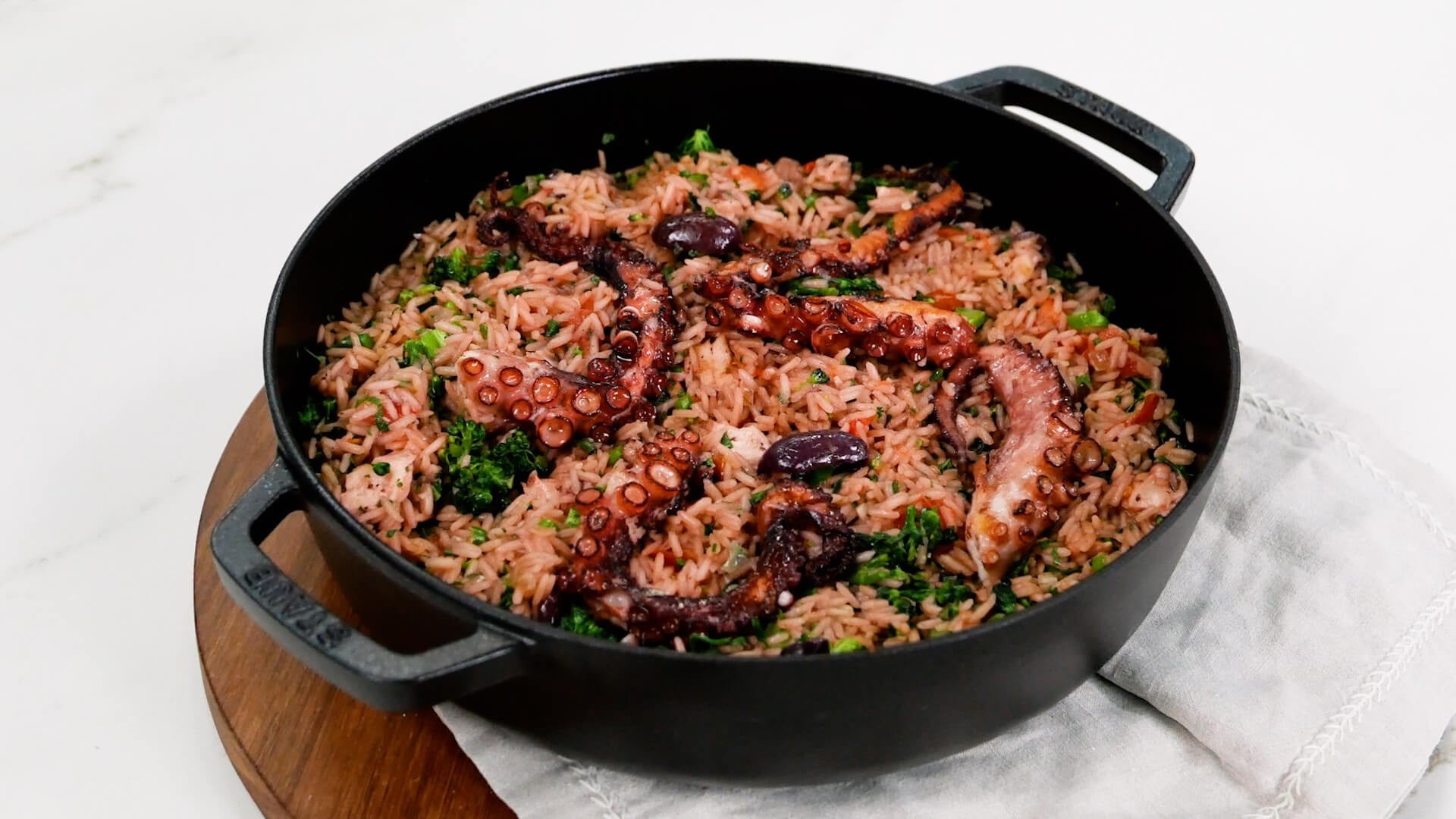
In the pantheon of Portuguese comfort food, few dishes are as deceptively complex as arroz de polvo. This octopus rice, a staple of coastal communities throughout Portugal, appears straightforward on the surface: tender chunks of octopus nestled in creamy rice, enriched with tomatoes, onions, and garlic. Yet beneath this humble exterior lies a culinary challenge that has frustrated home cooks and professional chefs alike for generations.
The difficulty begins with the octopus itself, a notoriously temperamental ingredient that demands both patience and precision. Achieving the perfect texture—tender enough to cut with a fork yet firm enough to maintain its integrity—requires mastering the art of slow, gentle cooking. Too aggressive, and the octopus becomes rubbery and inedible; too timid, and it remains tough and chewy. Traditional Portuguese cooks have developed time-honored techniques, often involving a careful dance of simmering times and temperatures, using the octopus's own cooking liquid to build the foundation of flavor that will later infuse the rice.
The Technical Mastery Behind Simplicity
From a technical standpoint, arroz de polvo serves as an excellent teaching dish because it incorporates virtually every fundamental technique of Portuguese coastal cuisine. The preparation demands proficiency in building a proper sofrito base, understanding the absorption rates of different rice varieties—typically the prized Carolino rice—and achieving the perfect balance of liquid to grain ratio. The rice must absorb the octopus-infused broth while maintaining its individual grain structure, creating that characteristic creamy yet distinct texture that defines superior Portuguese rice dishes.
What makes this dish particularly challenging is the layering of flavors that must occur throughout the cooking process. The octopus cooking liquid becomes the foundation, but skilled cooks know to enhance this base with white wine, fresh herbs, and a careful balance of aromatics. Each element must be introduced at precisely the right moment to build complexity without overwhelming the delicate sweetness of the octopus. This timing, passed down through generations of coastal families, cannot be rushed or approximated—it must be learned through experience and repetition.
Perhaps most importantly, arroz de polvo represents the essence of Portuguese culinary philosophy: transforming simple, honest ingredients into something transcendent through technique and tradition. It's a dish that tastes like home, carrying the salt air of Portugal's Atlantic coast and the warmth of family kitchens where recipes are measured not in precise quantities but in generations of accumulated wisdom. This is why, despite its apparent simplicity, true mastery of arroz de polvo remains one of the most respected achievements in Portuguese home cooking.