Tag
Traditional
Recipes(10)
Producers(4)
Fumeiro de Vinhais
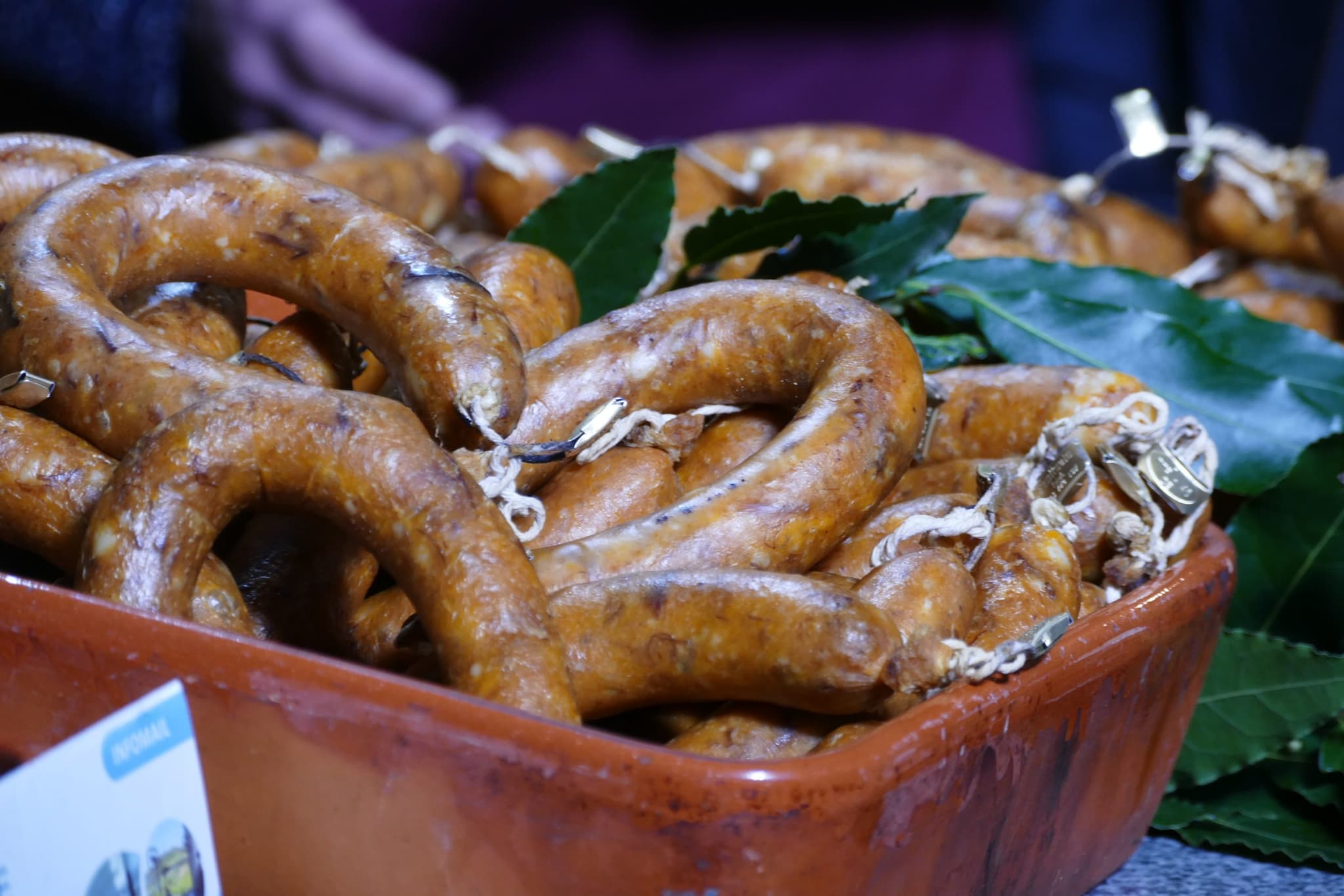
<p>Fumeiro de Vinhais represents the traditional smokehouse heritage of Vinhais, a municipality in Trás-os-Montes that holds the distinguished title of "Capital of Smoking" (Capital do Fumeiro). This designation encompasses the collective artisanal production of traditional cured and smoked meat products that have been crafted in the region for centuries, utilizing time-honored techniques passed down through generations of local producers.</p><p>The fumeiro tradition emerged from the practical necessity of preserving meat in the harsh mountain climate of northern Portugal, where smoking with beech and oak wood became the most effective preservation method. Today, Vinhais is renowned for producing some of Portugal's finest traditional sausages, including the celebrated <strong>Alheira de Vinhais</strong>, <strong>Salpicão de Vinhais</strong>, and <strong>Chouriça de Vinhais</strong>, all of which have earned Protected Geographical Indication (PGI/IGP) status under European Union law.</p><p>These products are crafted using meat from the indigenous Bísaro breed of pigs, which are raised locally in the mountainous terrain of Trás-os-Montes. The traditional production methods, combined with the unique microclimate and local expertise, create distinctive flavors that reflect the terroir of this remote Portuguese region. The fumeiro products of Vinhais represent not just culinary excellence, but also the preservation of an important cultural heritage that defines the gastronomic identity of northern Portugal.</p>
Victor Fernandes Queijaria
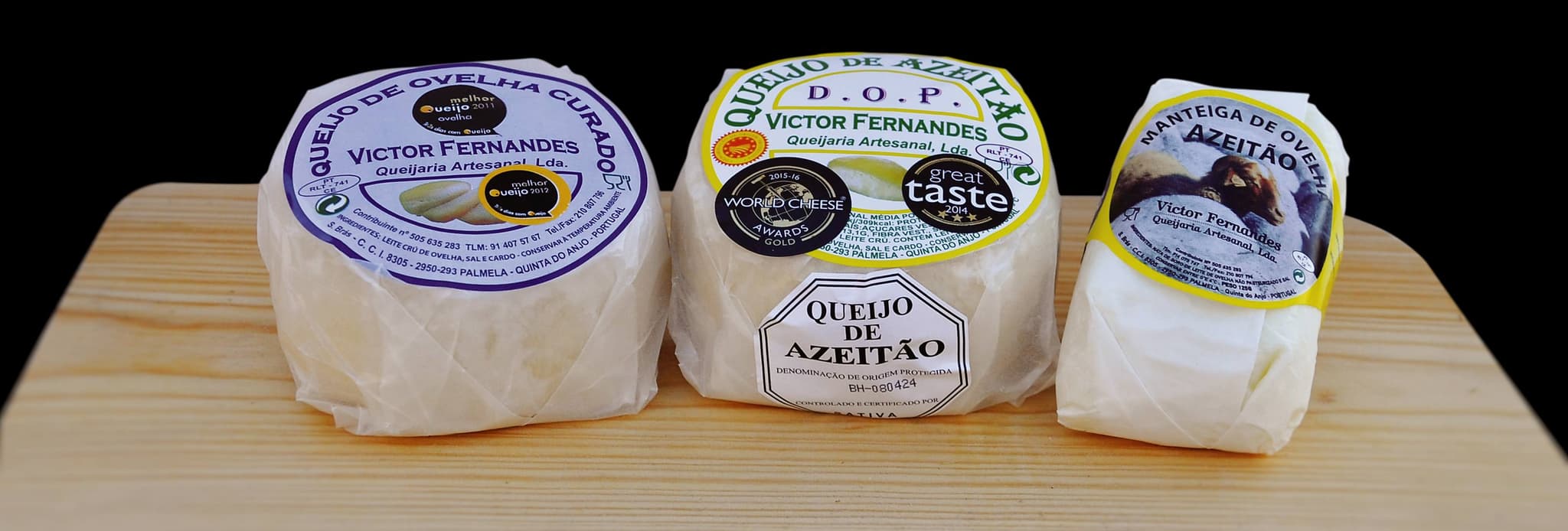
<p>Victor Fernandes Queijaria is a distinguished artisanal cheese producer located in Palmela, in the Setúbal region of Portugal. Founded in 1988, this family-run cheesemaker has built its reputation on the traditional production of <strong>Queijo de Azeitão DOP</strong>, one of Portugal's most celebrated sheep's milk cheeses. Victor Fernandes began his journey by learning the ancient craft from Alfredo, a renowned local cheesemaker, ensuring the preservation of authentic traditional methods.</p><p>The queijaria specializes in handcrafted cheese made from unpasteurized sheep's milk, using the traditional coagulation method with thistle infusion (cardo) that gives Azeitão cheese its distinctive character and creamy texture. This time-honored technique, combined with the exceptional geographical conditions of the Palmela region—including ideal pasturelands for sheep grazing and rich local flora—allows for year-round production of exceptional quality cheese.</p><p>Victor Fernandes Queijaria has achieved international recognition for its excellence, regularly winning prestigious awards at global food competitions, including <strong>gold medals at the World Cheese Awards</strong>. The producer's commitment to quality and tradition has made it a respected name in Portuguese gastronomy, representing the finest expression of Setúbal's cheesemaking heritage.</p>
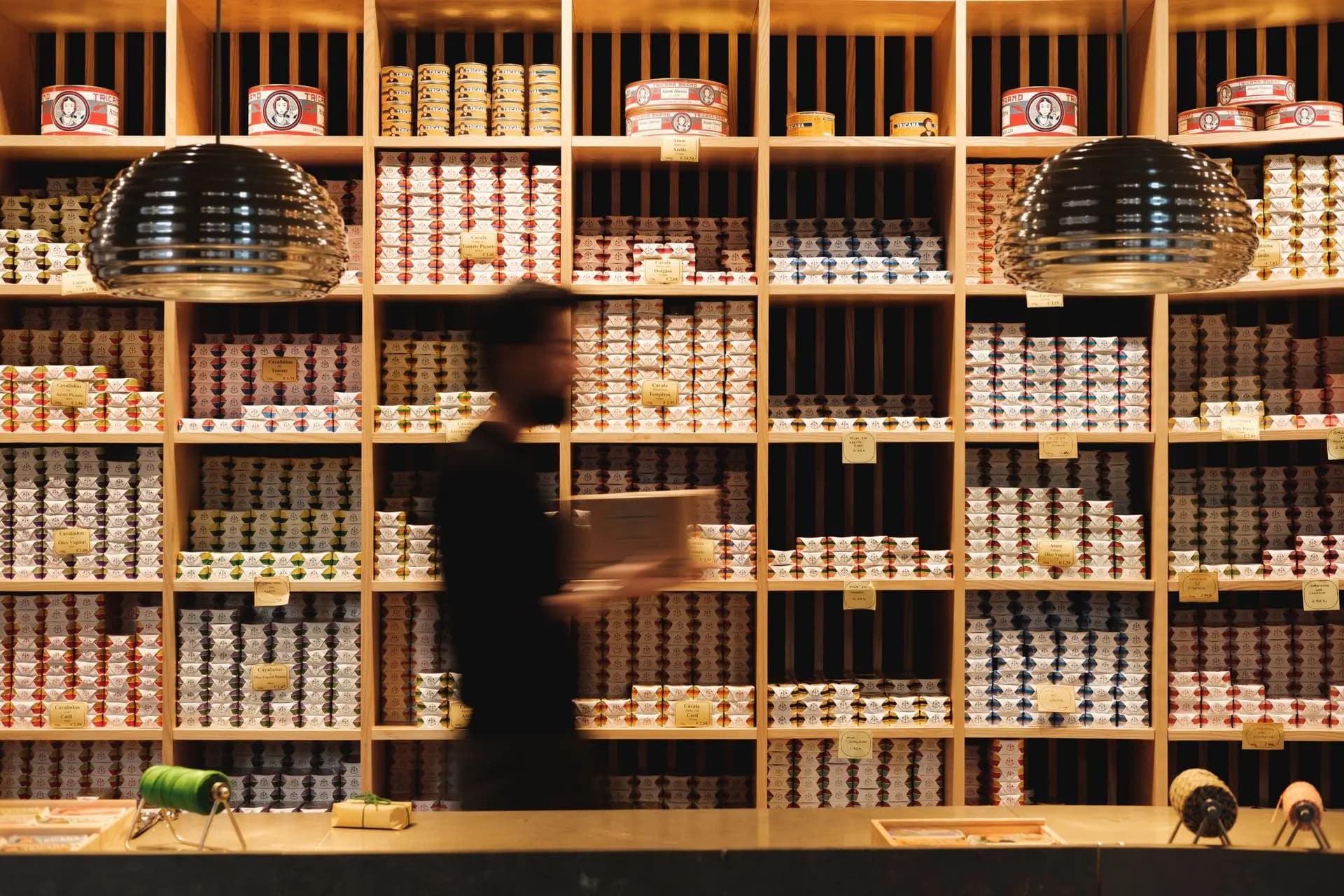
Conserveira de Lisboa
<p><strong>Conserveira de Lisboa</strong> is a prestigious Portuguese producer of premium canned fish that has been an icon in the Portuguese conserves industry since 1930. Founded in Lisbon's historic Baixa district, where it continues to operate today, the company originated from <em>Mercearia do Minho</em>, a small grocery store that was already passionate about selling canned goods.</p><p>The company has built its reputation on a simple yet effective formula: providing the best the sea has to offer to its customers. All fish is sourced exclusively from Portuguese waters, renowned for their abundance and exceptional quality. Through nearly a century of operation, Conserveira de Lisboa has developed three iconic brands that embody its legacy of tradition and craftsmanship: <strong>Tricana</strong>, <strong>Prata do Mar</strong>, and <strong>Minor</strong>. These brands blend authentic ingredients with traditional techniques to create over one hundred different products.</p><p>Today, Conserveira de Lisboa products are present in delicatessens, tapas bars, and gastronomy establishments, representing the finest of Portuguese canned fish tradition. The company's beautifully designed concept store, created by Portuguese designer Filipe Alarcão, serves as both a retail space and a testament to the brand's capacity for innovation allied with strategic vision, making it a popular destination for both locals and tourists seeking authentic Portuguese culinary souvenirs.</p>
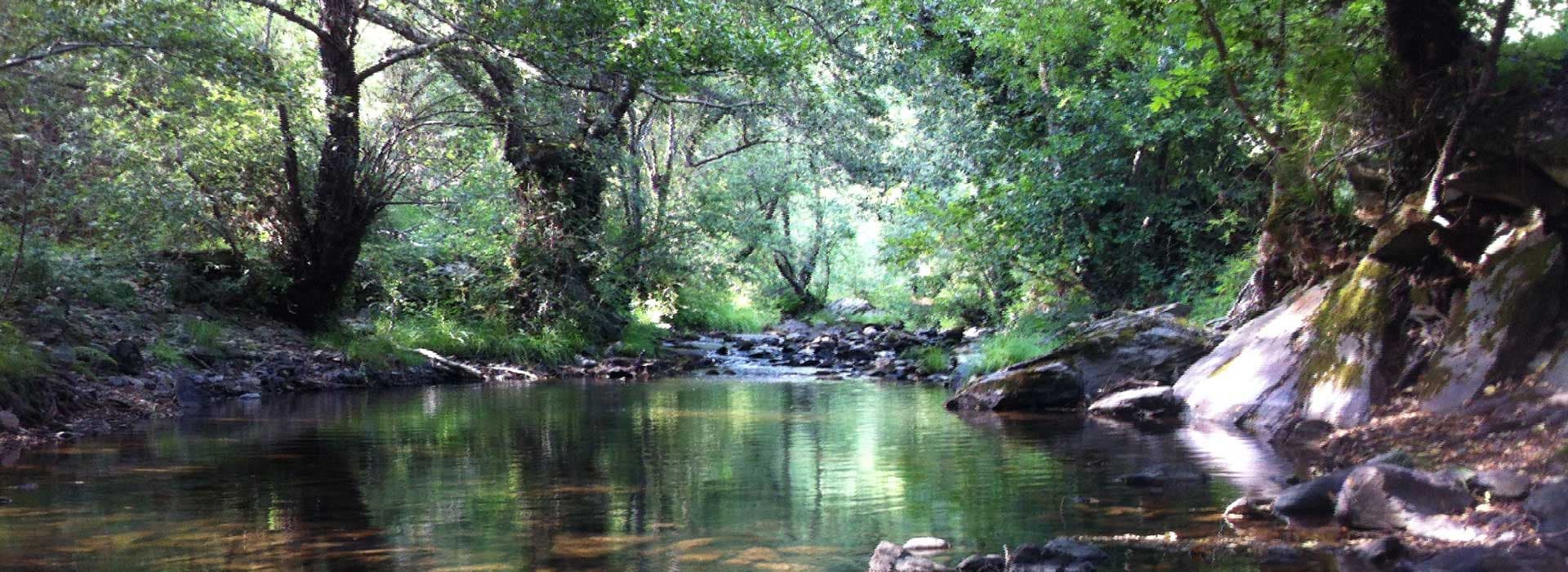
Parque de Montesinho
<p><strong>Mel do Parque de Montesinho</strong> is a distinguished Portuguese honey producer operating within the pristine Montesinho Natural Park, located in the municipalities of Bragança and Vinhais in the Bragança district of Trás-os-Montes. This exceptional honey is produced exclusively by the native <em>Apis mellifera Iberica</em> species, commonly known as the Iberian black bee, which has been carefully preserved in this protected mountain region for centuries.</p><p>The honey production in this area dates back to ancient times, representing a long-standing tradition of sustainable beekeeping practices. The unique terroir of the Montesinho Natural Park, with its diverse natural vegetation including heather flowers, rosemary, and other wild flora, creates the distinctive characteristics that define this premium honey. The strict prohibition of foreign bee species introduction ensures the purity and authenticity of the product, maintaining the genetic integrity of the native bee population.</p><p>Recognized with <strong>Protected Designation of Origin (PDO)</strong> status, Mel do Parque de Montesinho is celebrated for its dark color, strong genuine aroma, and smooth texture with fine crystalline properties. The honey is produced through traditional methods without artificial feeding, respecting the natural cycle of the bees and harvested only once per year to maintain the highest quality standards.</p>
Events(5)
Algarve
Festival do Marisco - Olhão
·Jardim Pescador Olhanense, Olhão, Algarve
.jpg&w=2048&q=75)
Centro
Festa da Cereja - Fundão
·Alcongosta, Fundão, Centro
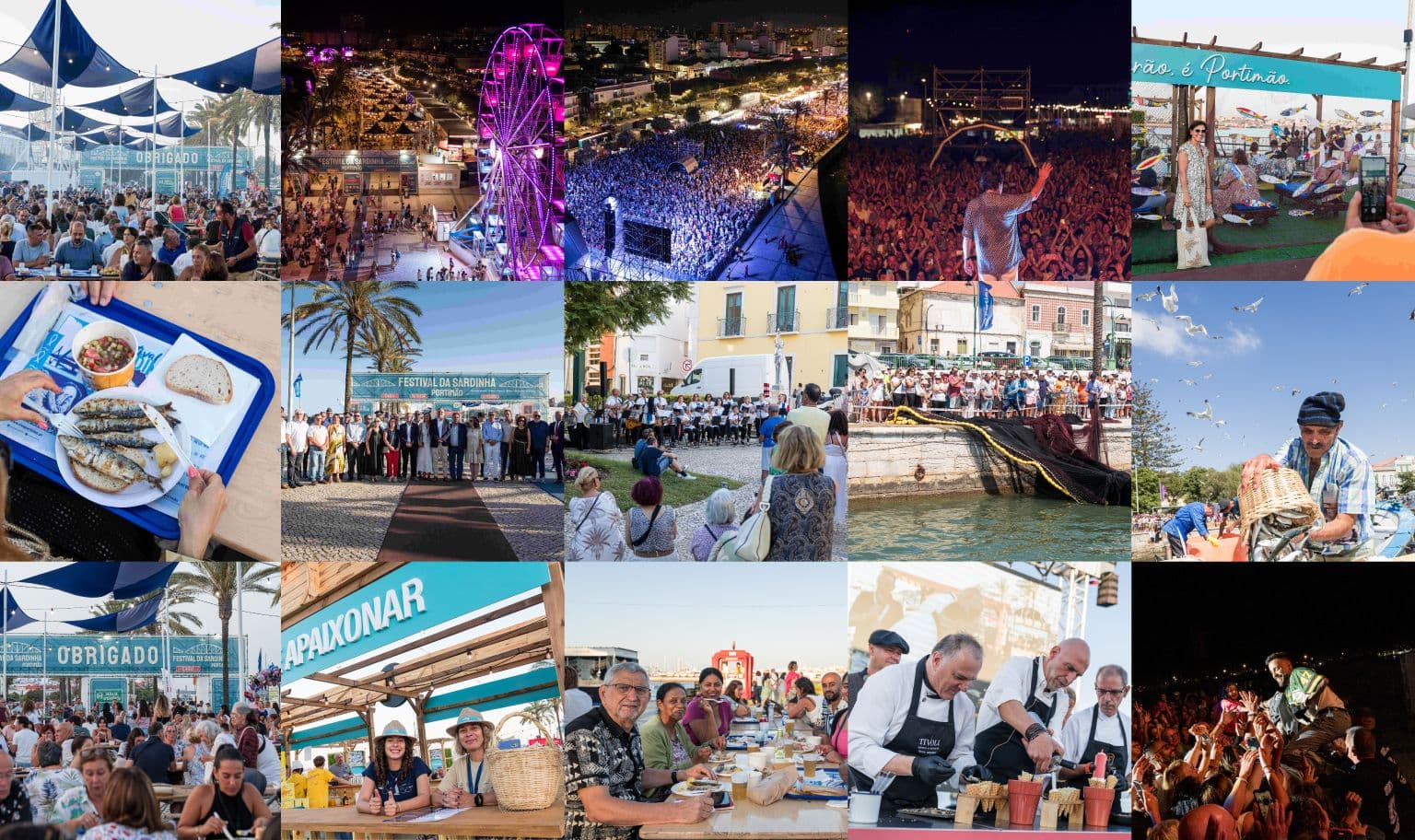
Algarve
Festival da Sardinha - Portimão
·Zona Ribeirinha, Portimão, Algarve
Centro
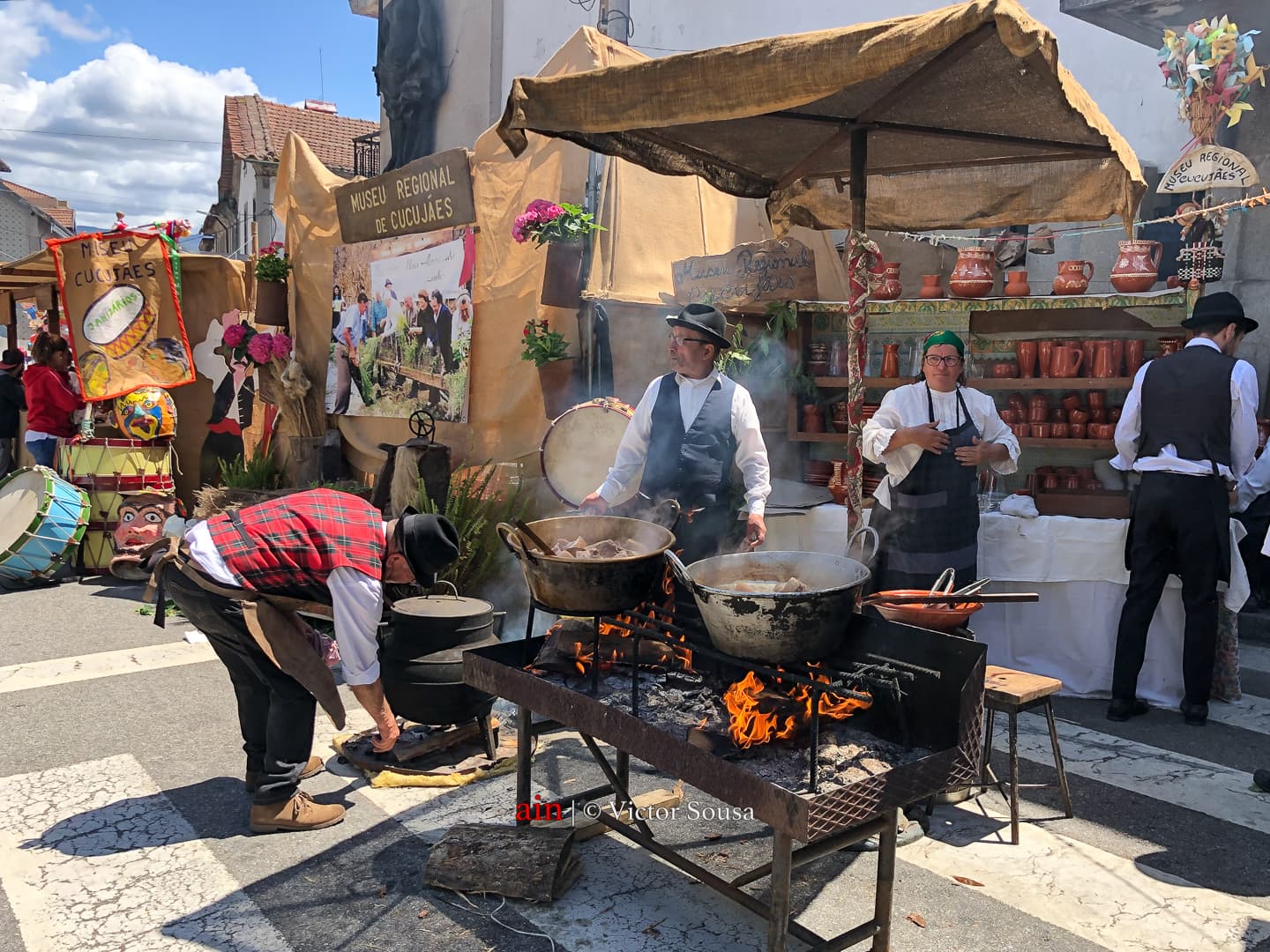
Mercado à Moda Antiga
·Oliveira de Azeméis, Centro
.webp&w=2048&q=75)
Lisboa
Santos Populares - Lisboa
·Various neighborhoods, Lisboa
Encyclopedia(10)
dish
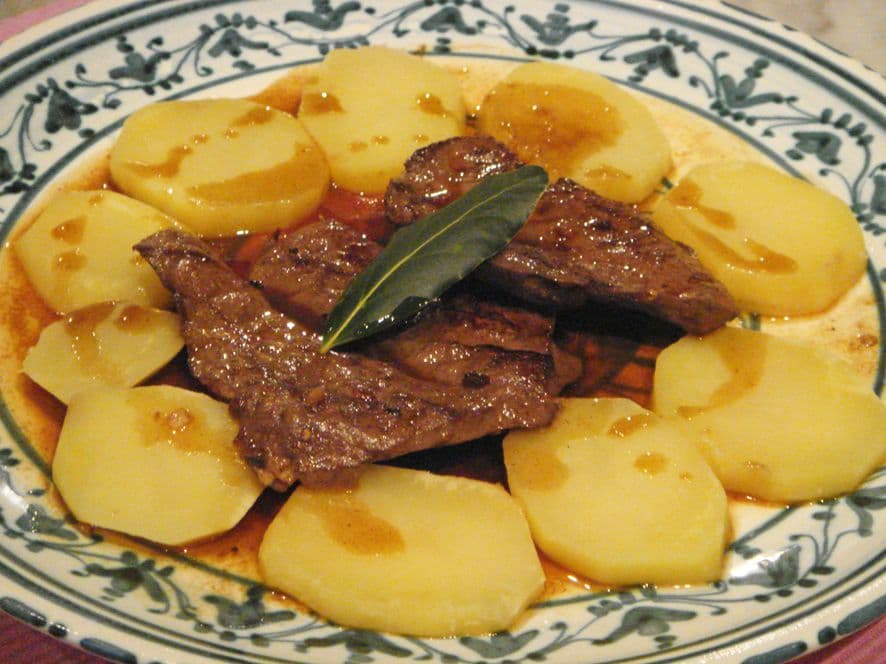
Iscas à Portuguesa
A classic Lisbon dish of thinly sliced liver marinated in wine, garlic, and bay leaf, then pan-fried.
ingredient
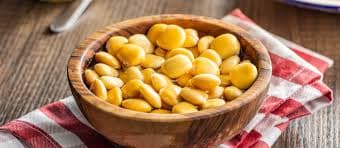
Tremoços
Tremoços are yellow legume seeds from the lupinus plant, traditionally consumed as a pickled snack throughout Portugal and the Mediterranean region.

ingredient
Urtiga
A wild plant used in traditional Portuguese cooking for soups, infusions, and artisanal cheese production.
term
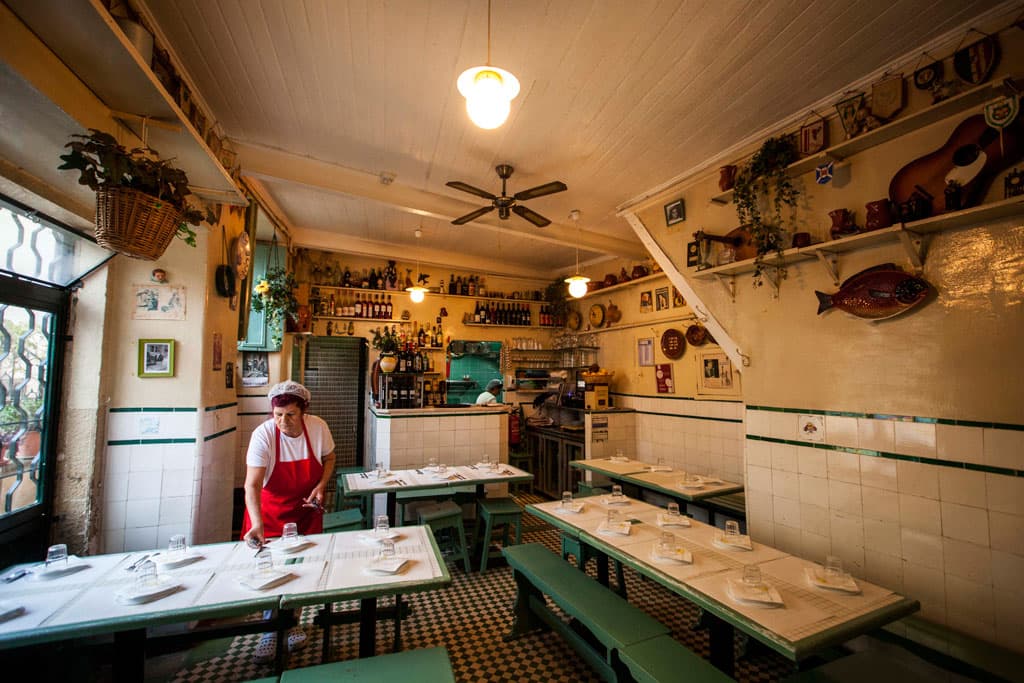
Tasca
The traditional Portuguese tavern, a humble neighbourhood establishment serving simple food and honest wine.
dish
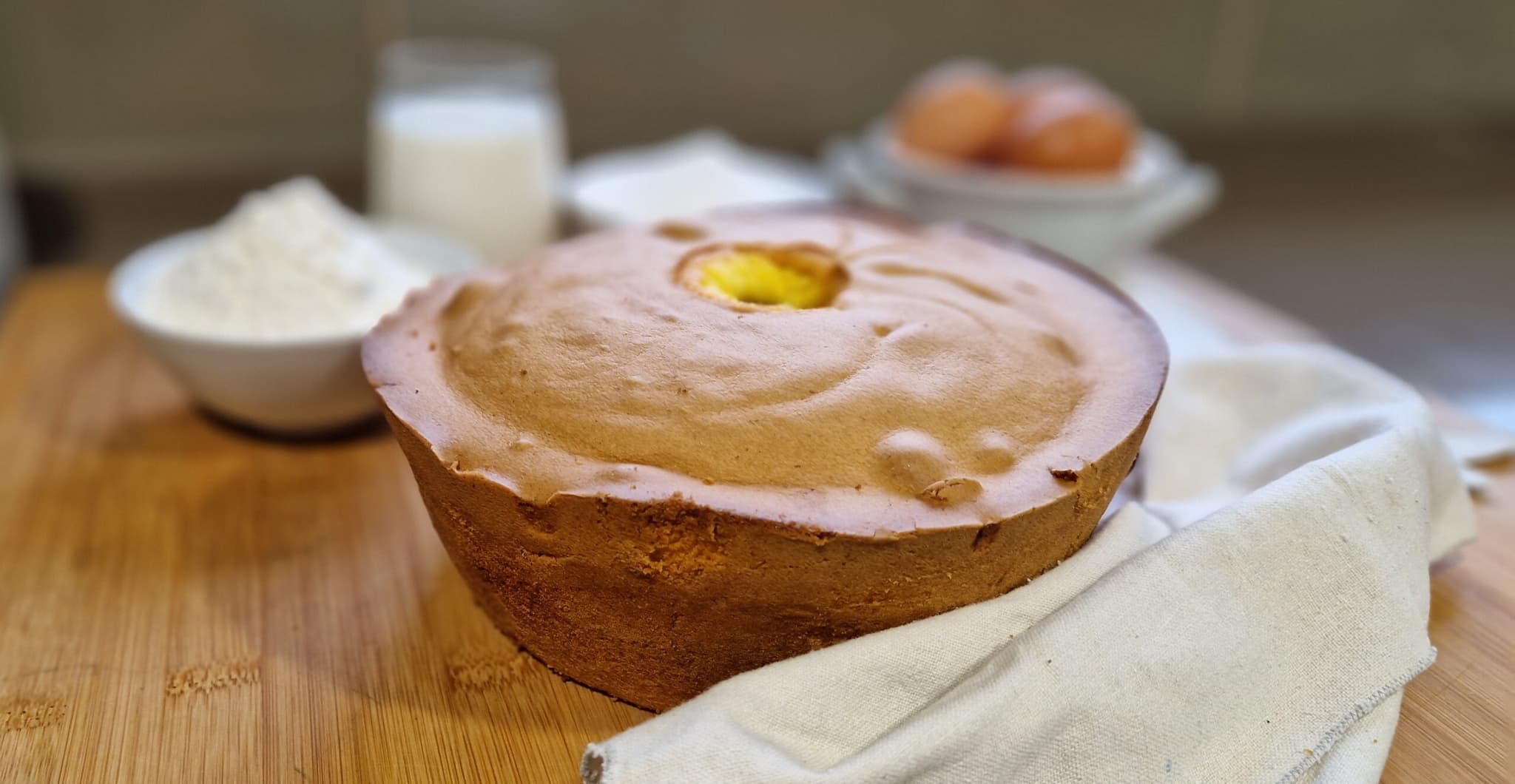
Pão de Ló
A traditional Portuguese sponge cake with a moist, custardy centre, rooted in conventual pastry traditions.

dish
Ovos Moles
Delicate egg yolk and sugar confections from Aveiro, shaped into shells and barrels and wrapped in communion wafer.
dish
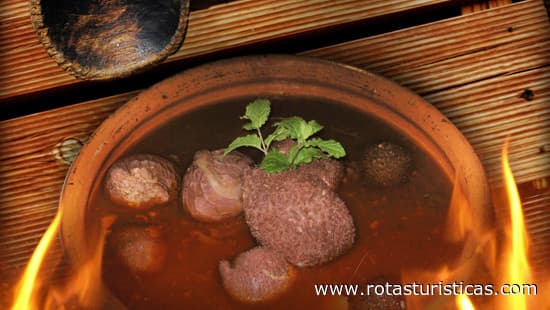
Negalhos
Small rolls of seasoned tripe from Trás-os-Montes, typically grilled or braised.

term
Medronho
A potent clear spirit distilled from arbutus berries, a fiery tradition of the Algarve's mountainous interior.
dish
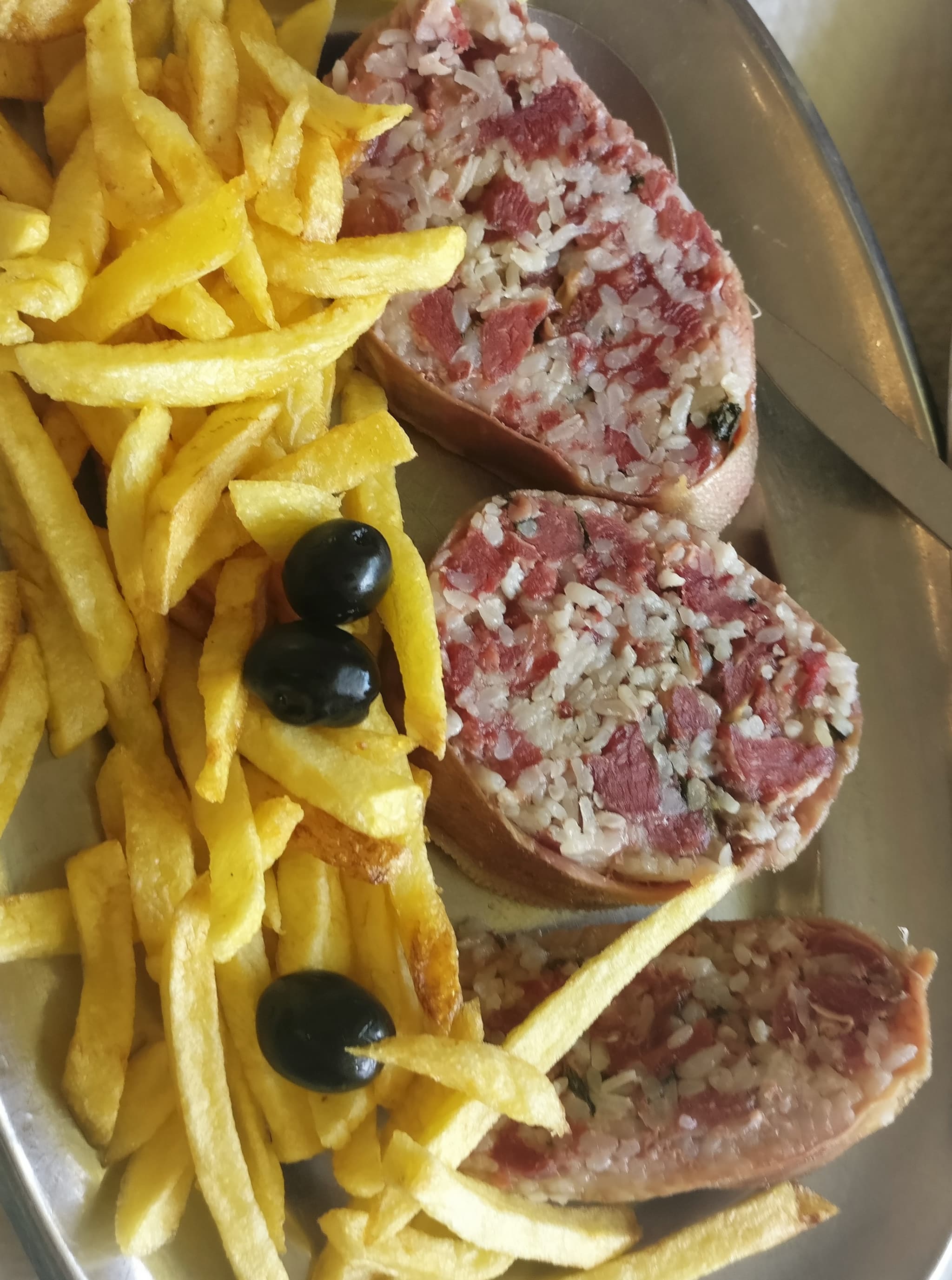
Maranho
A traditional dish from the Beiras in which a goat's stomach is stuffed with kid meat, presunto, rice, and mint.
dish
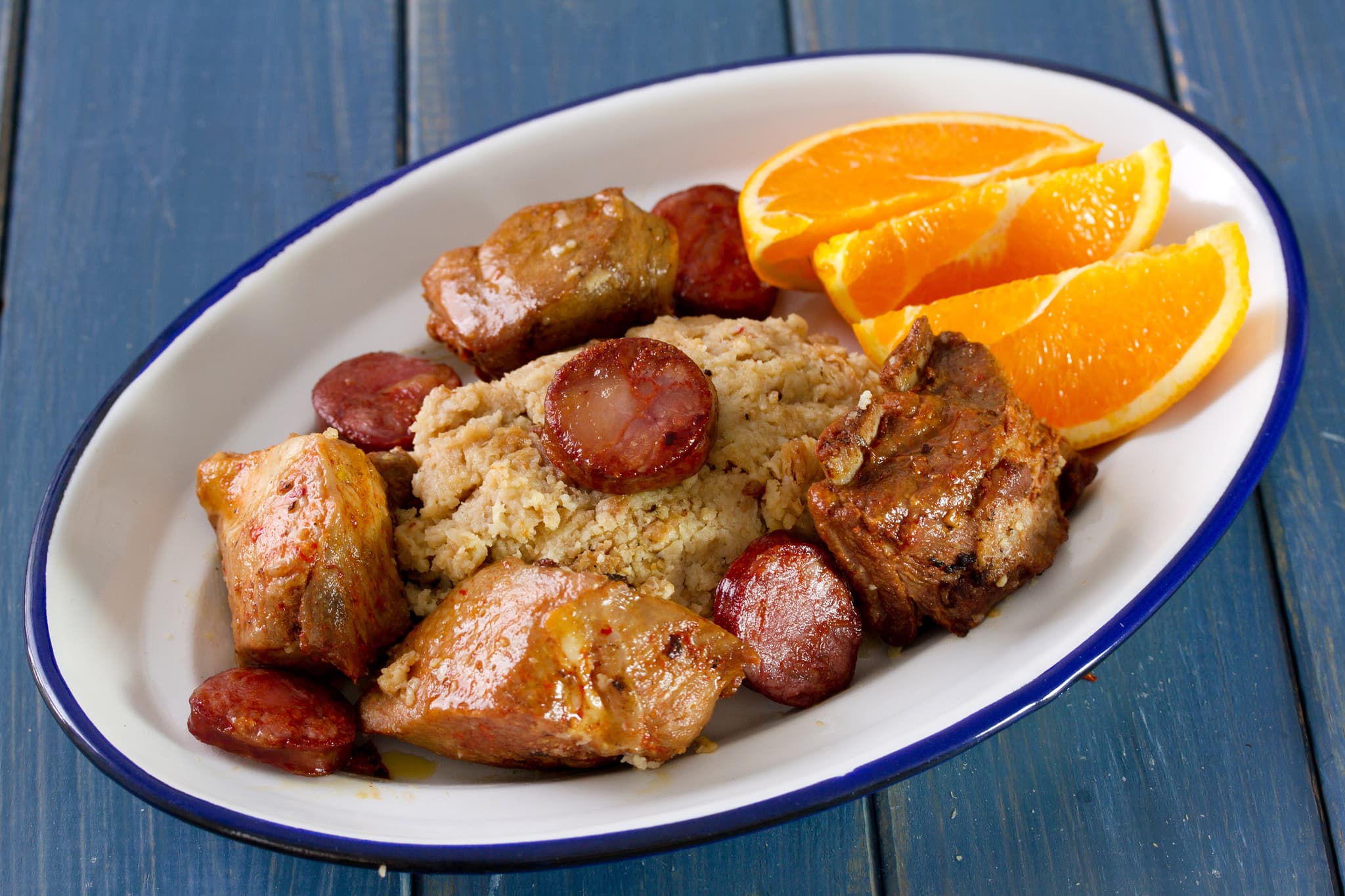
Migas
A rustic Alentejo dish that transforms stale bread into a rich, flavourful accompaniment, embodying zero-waste cooking.