Recipes
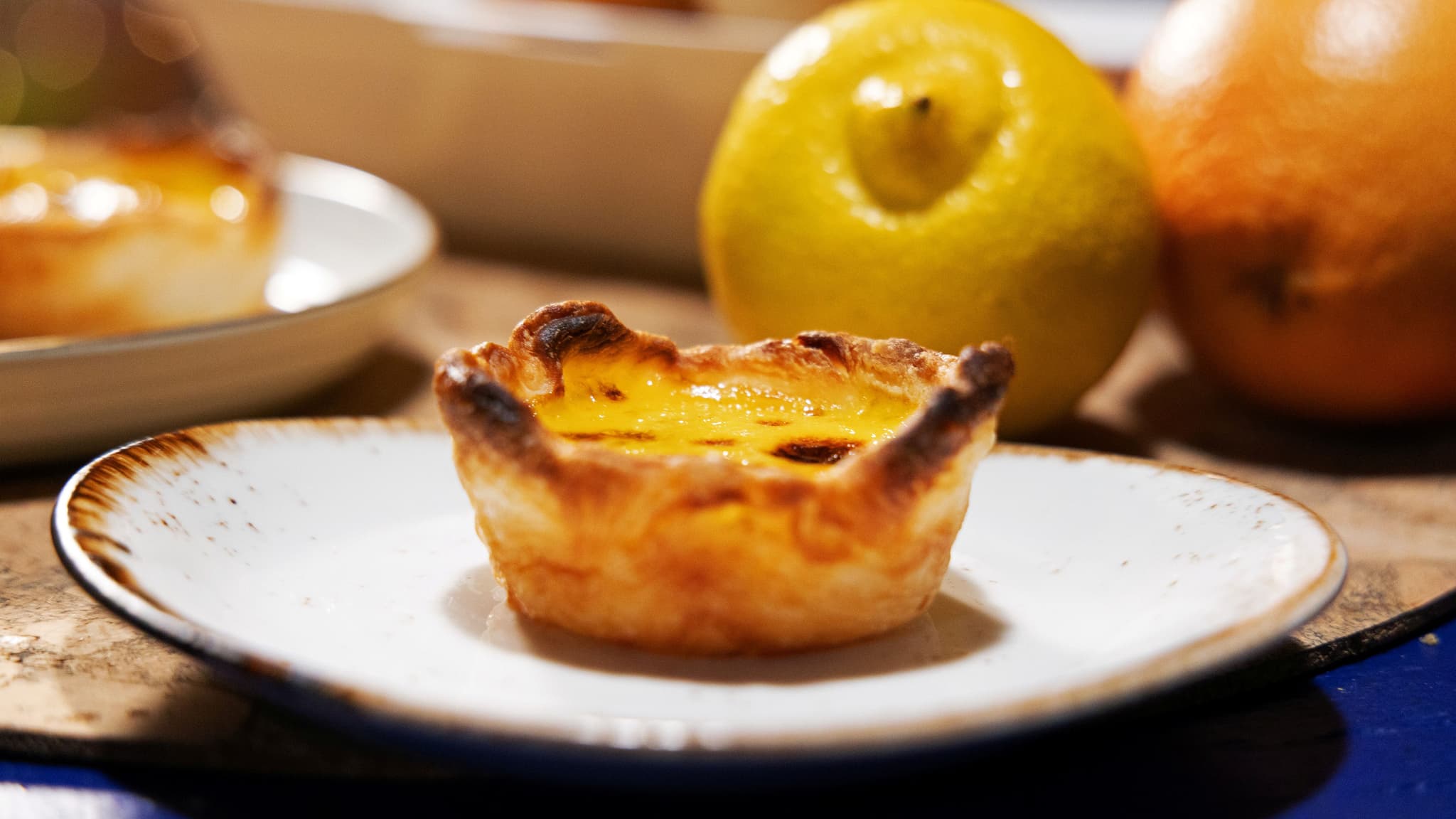
The Pastel de Nata: A Short History of Portugal's Most Famous Pastry
From the cloistered kitchens of Jerónimos Monastery to cafés worldwide, the pastel de nata represents the sweet soul of Portuguese culinary tradition.
Maria Santos·
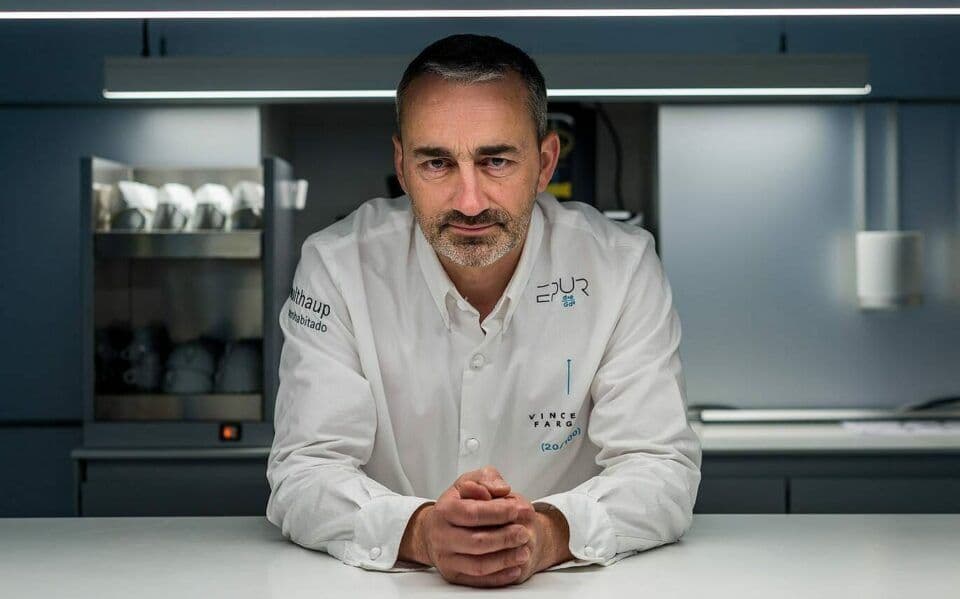
Vincent Farges was born in 1973 in Rillieu-la-Pape, in the Rhône-Alpes region of France, where he grew up with a profound connection to nature that would later influence his culinary philosophy. This French chef has made Portugal his culinary home, bringing a distinctive approach that marries French technique with Portuguese sensibilities.
Farges gained significant recognition during his tenure at the prestigious Hotel Fortaleza do Guincho in Cascais, where he maintained the restaurant's Michelin star from 2001 until 2015. This experience in Portugal's luxury hospitality scene established him as a formidable talent in the country's fine dining landscape.
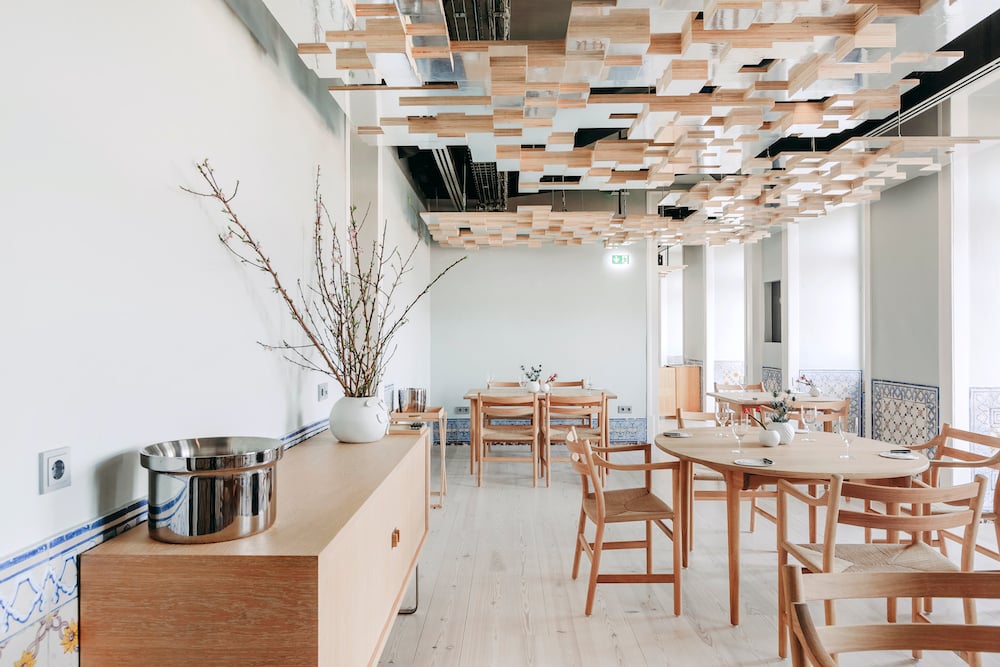
In recent years, Farges has made his mark with EPUR, his Michelin-starred restaurant located in Lisbon's historic Chiado district. Situated on the beautiful Largo da Academia das Belas Artes with panoramic views over downtown Lisbon, EPUR serves as a canvas for his culinary artistry. His cooking philosophy draws inspiration from Leonardo da Vinci's principle that "simplicity is the ultimate sophistication," focusing on essential flavors and maximum refinement.
Beyond his flagship restaurant, Farges also operates a food corner at Lisbon's Time Out Market, where he presents "Portuguese cuisine with a French touch," making his refined approach accessible to a broader audience while maintaining his commitment to quality and innovation.
Loco
Feitoria Restaurant & Wine Bar
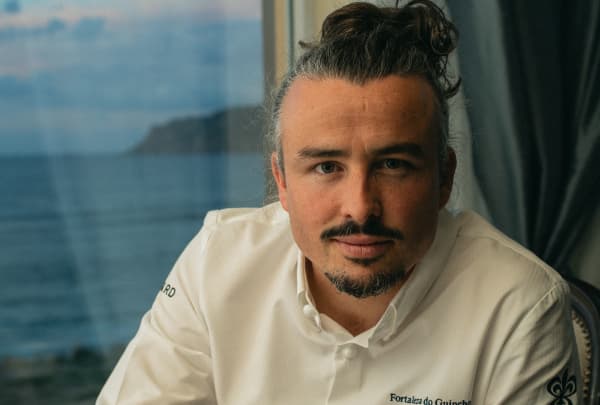
Fortaleza do Guincho

YŌSO - Omakase
Malhadinha Nova
SÁLA de João Sá
Belcanto

100 Maneiras

Marlene
.jpg&w=2048&q=75)
Praia no Parque
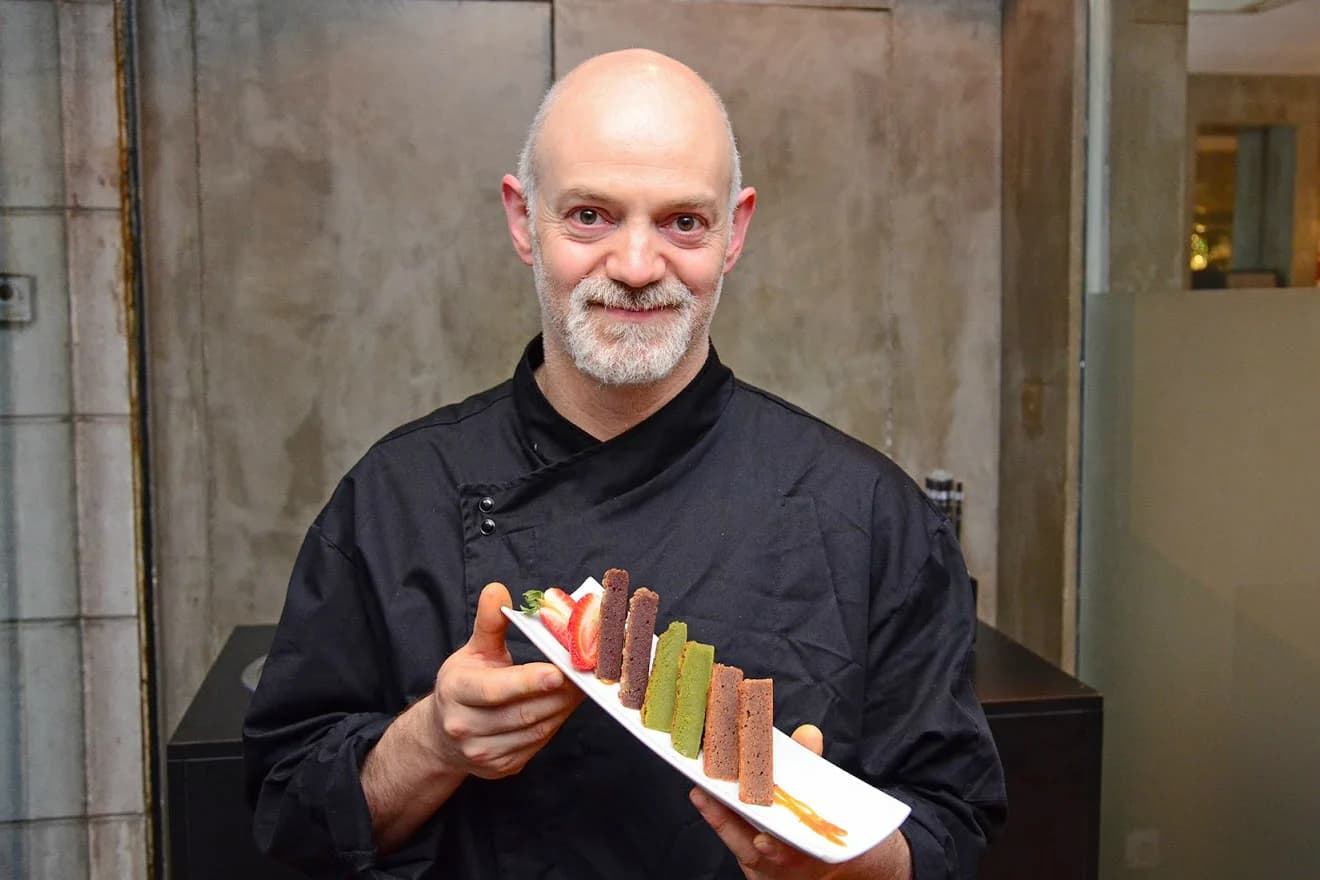
Kanazawa
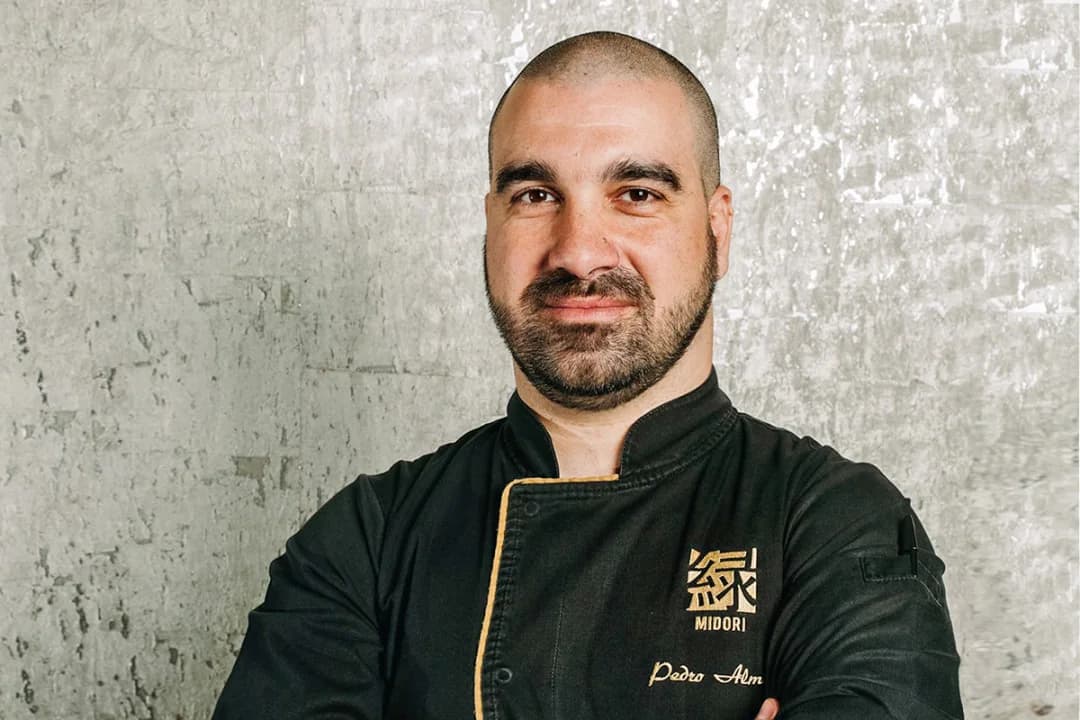
Midori

Broto
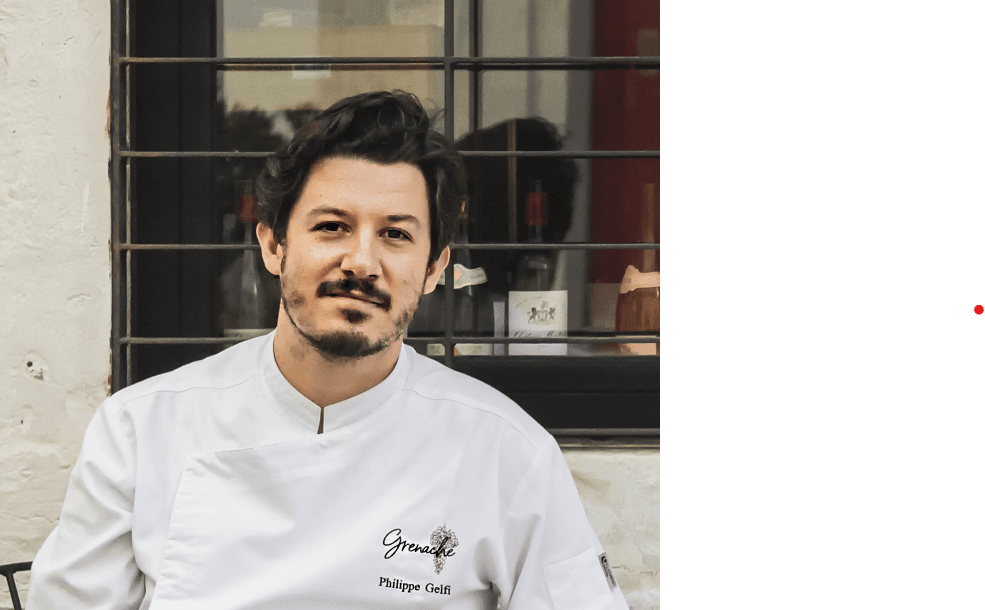
Grenache
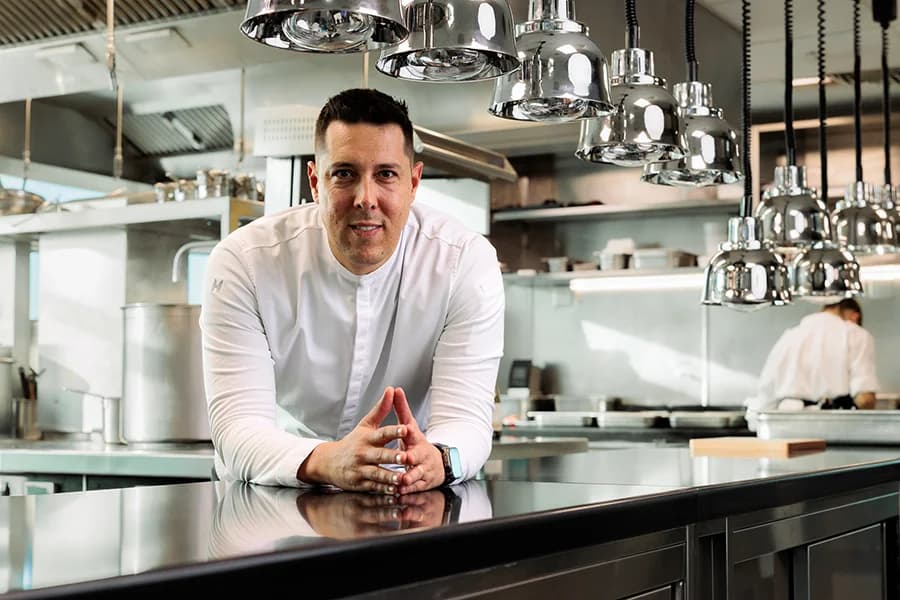
Fifty Seconds
From the cloistered kitchens of Jerónimos Monastery to cafés worldwide, the pastel de nata represents the sweet soul of Portuguese culinary tradition.

Explore how salted cod became Portugal's most beloved ingredient, shaping the nation's culinary identity for over 500 years through maritime tradition and regional innovation.
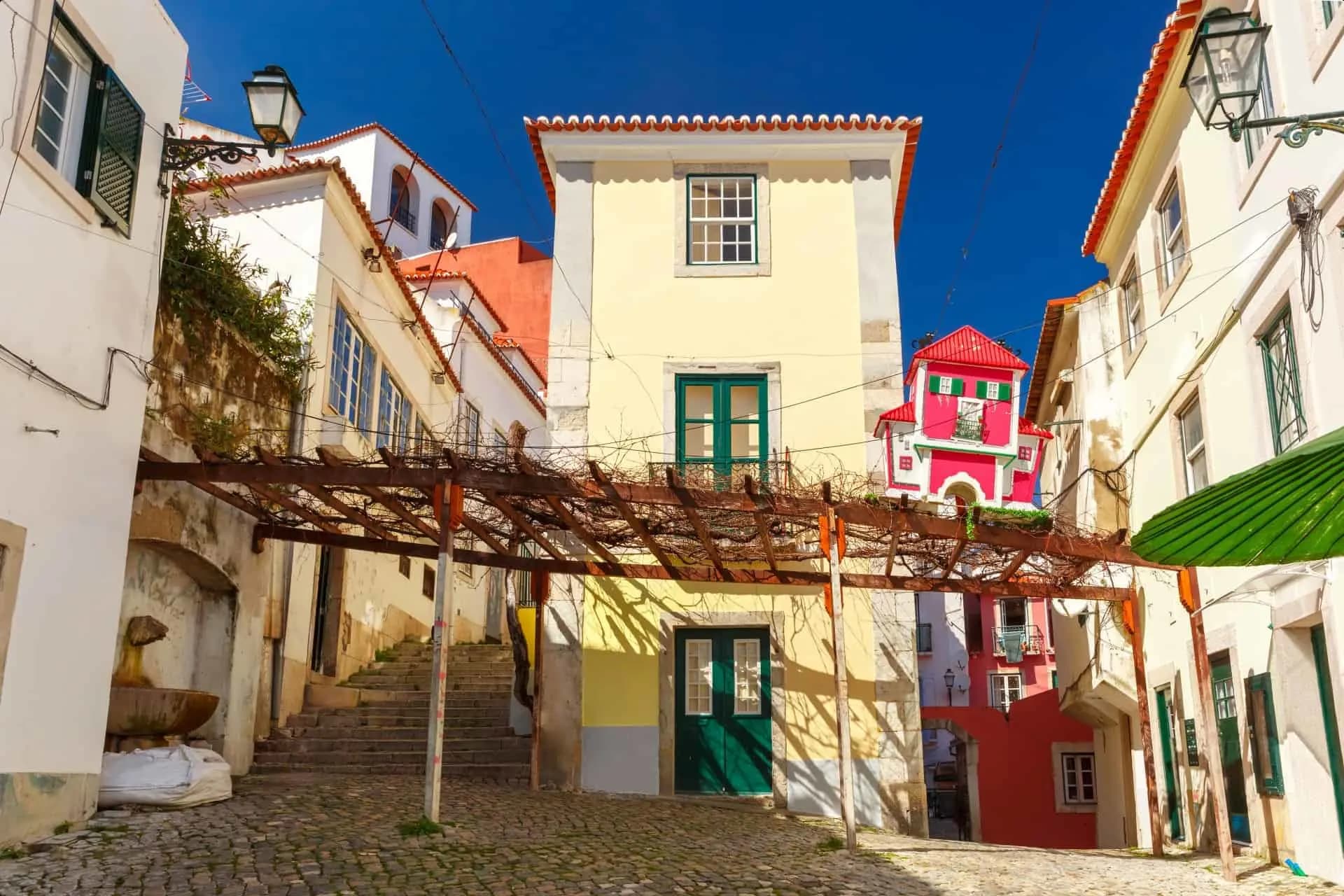
Discover the authentic flavors of Portugal's capital through the winding cobblestone streets of Alfama, where centuries-old culinary traditions come alive in every bite.

In the fairytale hills of Sintra, two legendary pastries have captivated visitors for centuries, representing the perfect marriage of Portuguese culinary tradition and royal heritage.
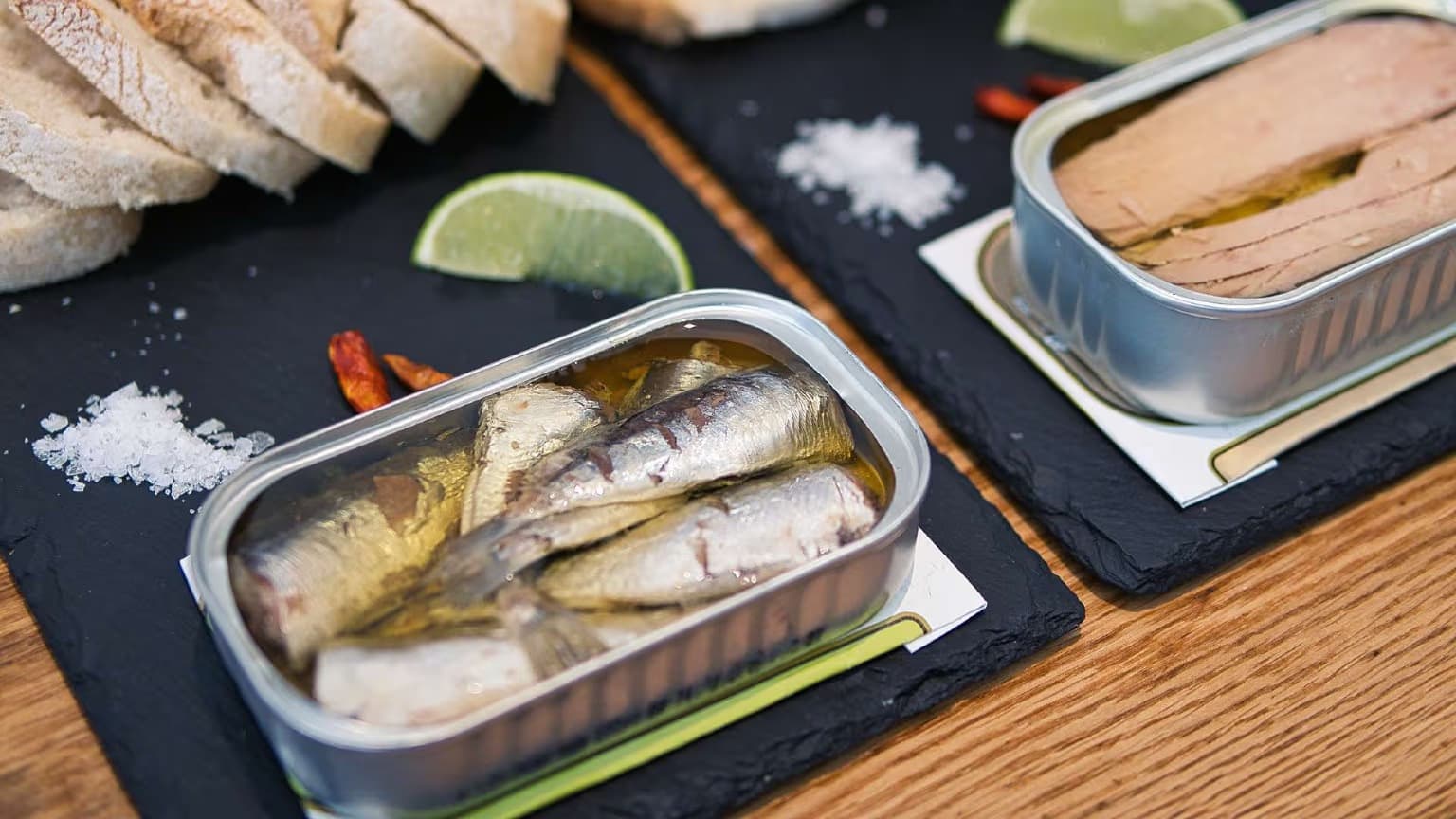
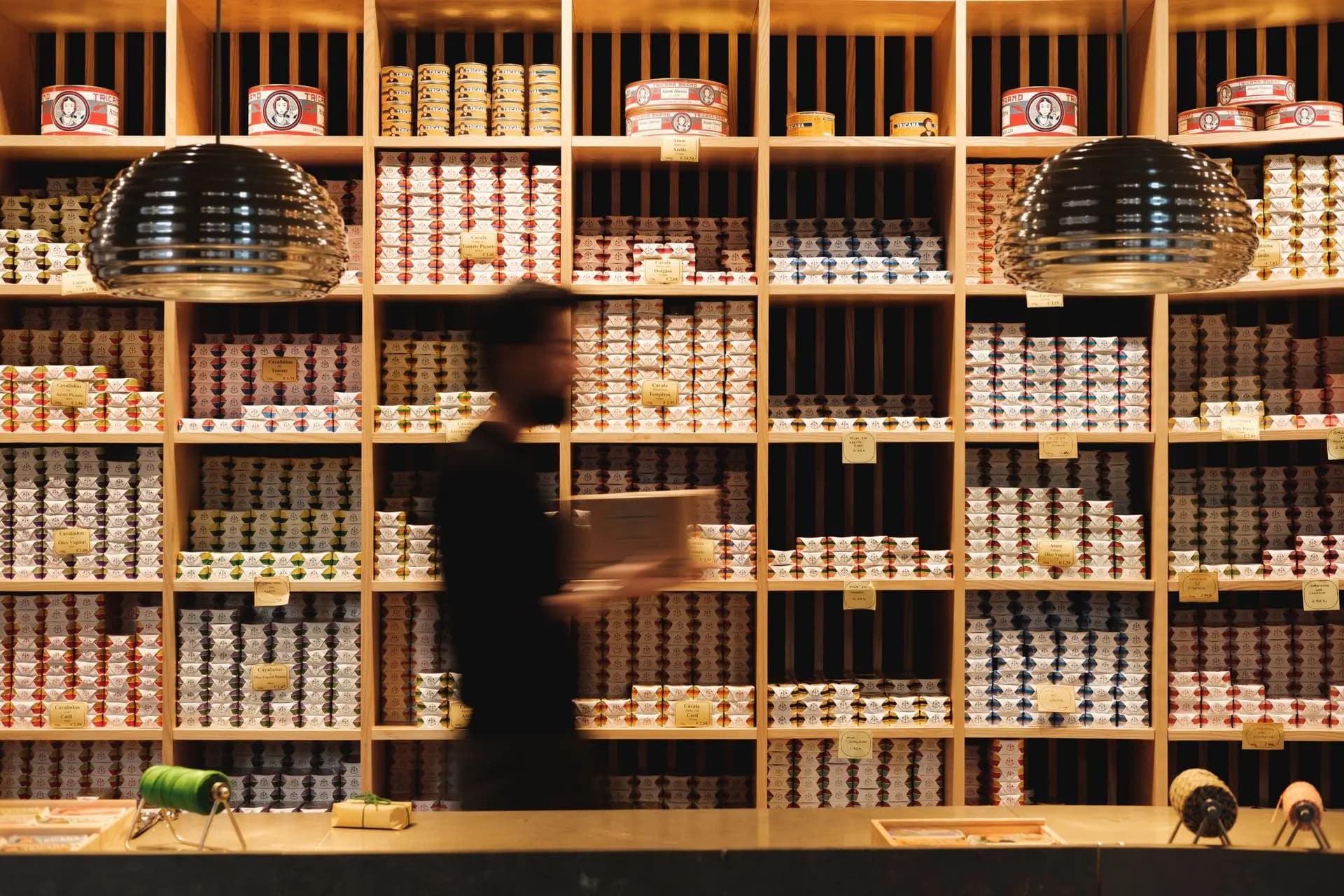
From humble pantry staples to gourmet delicacies gracing international restaurant menus, Portuguese conservas have transformed from necessity to luxury, leading a global tinned fish renaissance.

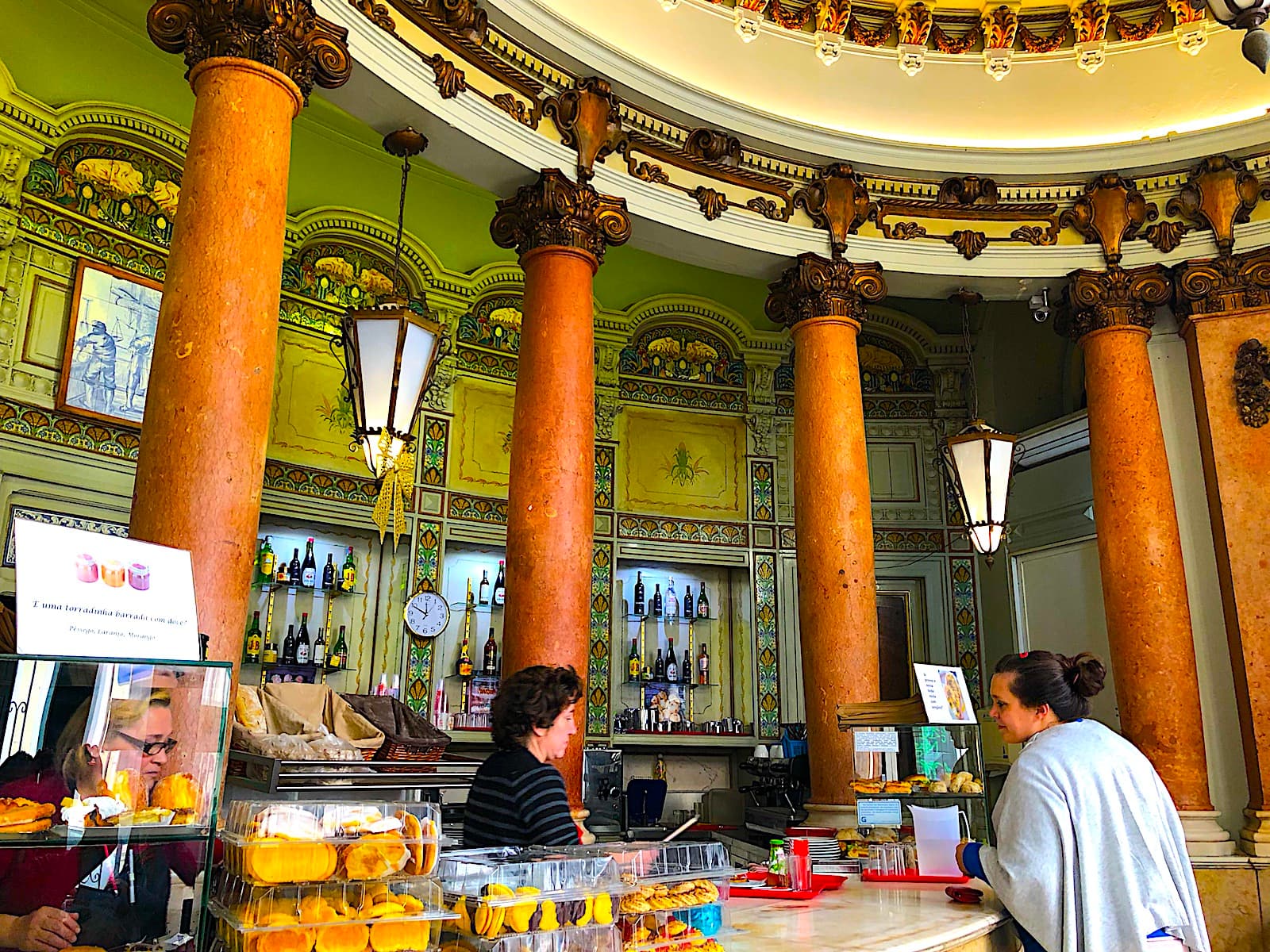
Lisbon's iconic Tram 28 winds through the city's most authentic neighborhoods, offering a unique culinary journey through centuries of Portuguese gastronomy and tradition.
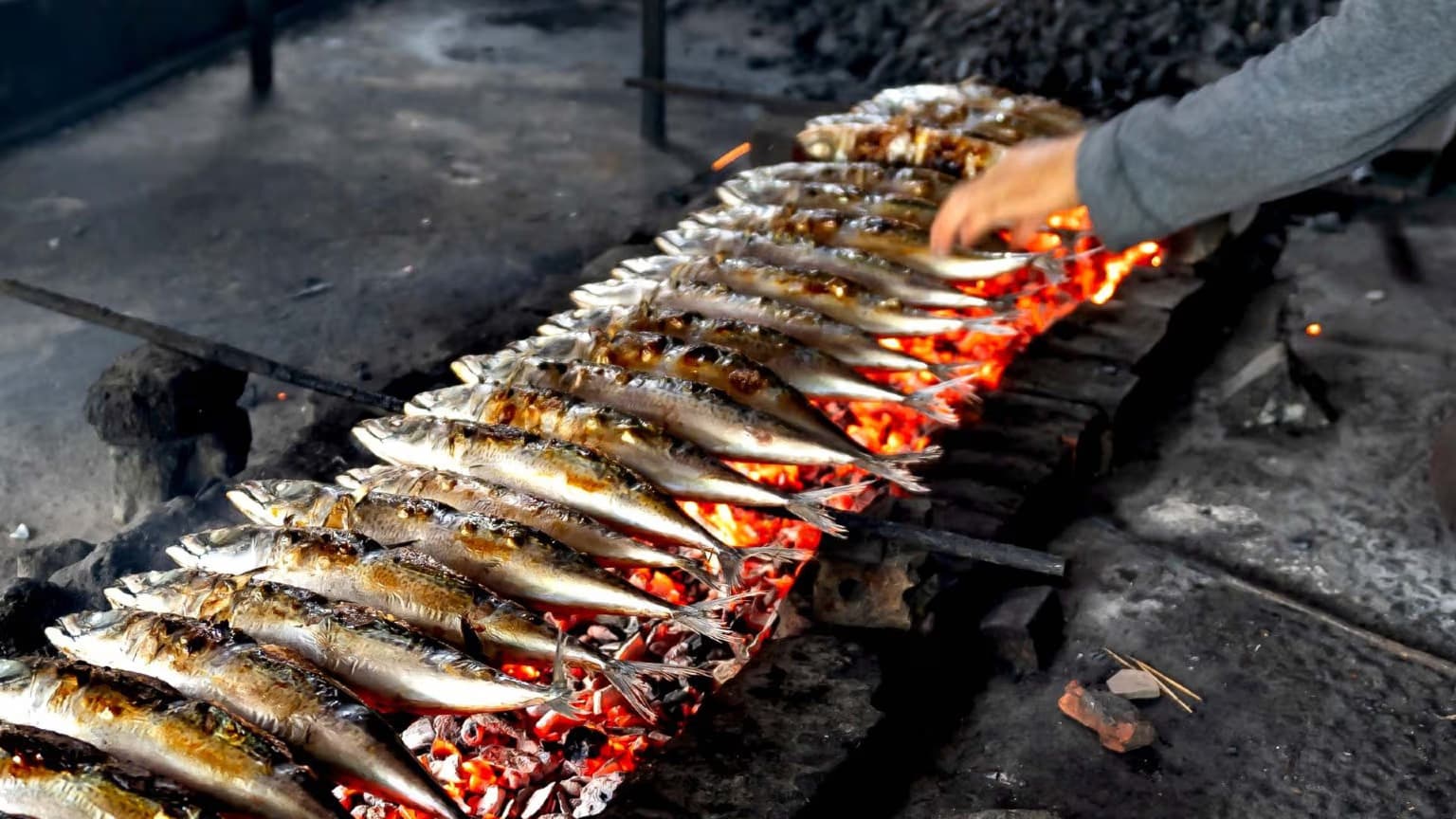
Every June, the aroma of grilled sardines and the sound of traditional music transform Lisbon's historic neighborhoods into one massive street celebration during Santos Populares.